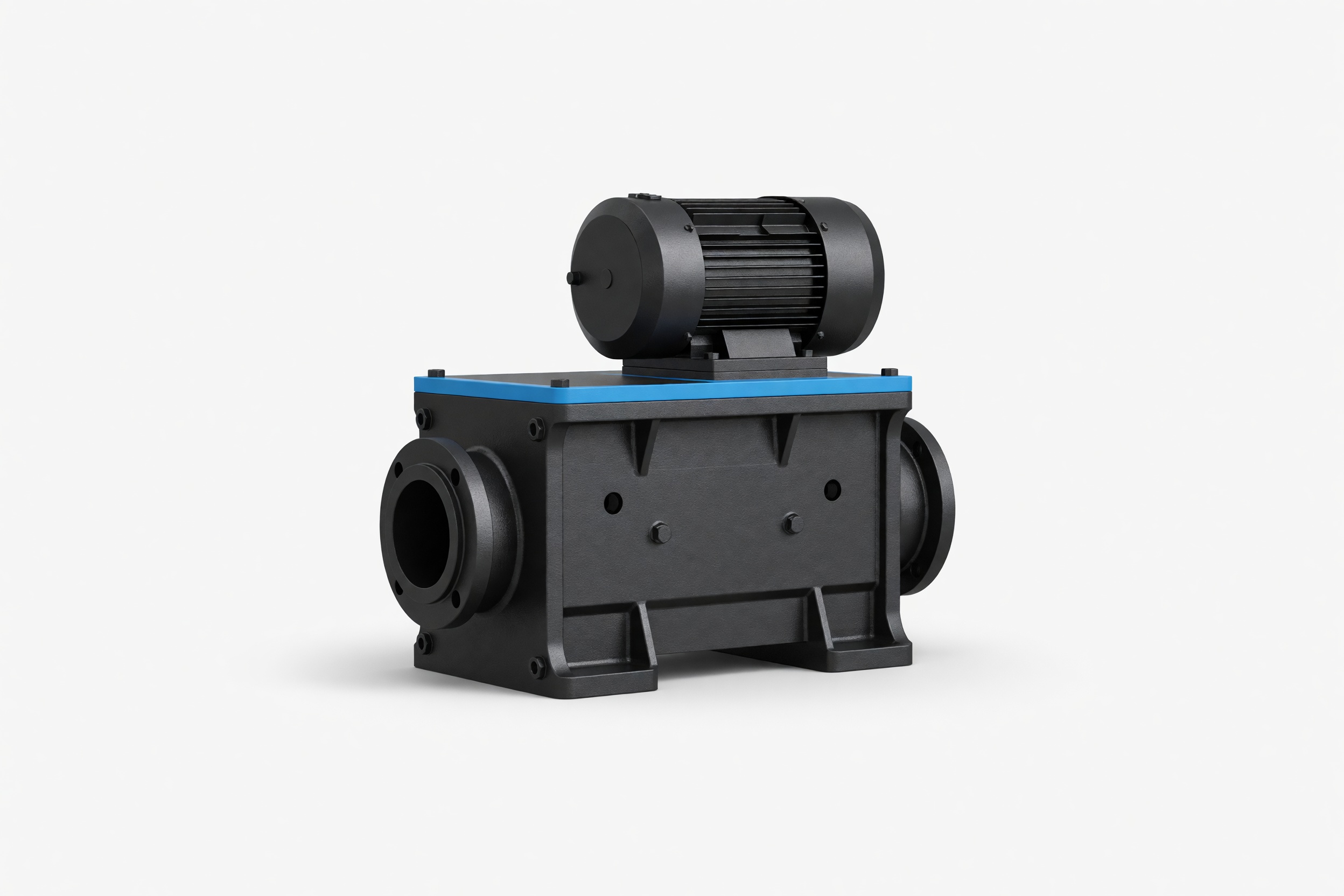
How an inline macerator works
A macerator shears the solids between its cutters as the medium passes through, so what leaves the unit is a consistent particle size.
The Vogelsang XRipper does it with two intermeshing shafts of one-piece Ripper rotors that draw material in and shred it between them, running at different speeds so they clear themselves. The RotaCut works a rotating blade against a perforated cutting screen, and drops grit, stones and metal into a heavy-material trap below the chamber before they reach the blades.
The cutters are the wear part, and they are meant to be. If the pump downstream starts ragging again, check the cutters before you go anywhere near the pump.
When to choose an inline macerator
Choose a macerator when the pump downstream suits the duty and rag is what keeps stopping it.
The enquiry we most often decline is a like-for-like swap on a pump that clogs on rag, where the pump already fitted is a good solids-handling pump. Another one fails the same way. What the site needs is rag removal upstream.
- Sludge and screened wastewater feeding progressing cavity or rotary lobe pumps
- Digester and biogas feedstock, ahead of the feed pump
- Protecting heat exchangers, centrifuges and pipework from ragging
- Food waste and co-substrate lines carrying fibre or packaging
- Sites where the pump suits the duty and rag is the only thing going wrong
- Unscreened sewage into a small-bore rising main, where a grinder pump cuts and pumps in one unit
- Clean media, or a medium that behaves as water, where a cutter buys wear and cost and nothing else
- Domestic toilet and bathroom waste, which is a consumer product and not what we supply
Key features & trade-offs
It sits ahead of the pump you already have, so the hydraulic selection downstream stays as it was.
A heavy-material trap can drop grit and stone out of the flow before they reach the cutters or the pump.
Reducing solids to a set size steadies digester feed and keeps downstream plant from ragging.
The cutting tools are designed to be changed, rather than being a reason to change the machine.
You add capital cost, a motor to power and one more thing to maintain on a line that had none of it.
On abrasive duties the cutters wear quickly, so replacement becomes a running cost you have to plan for.
Pumps we supply
View all →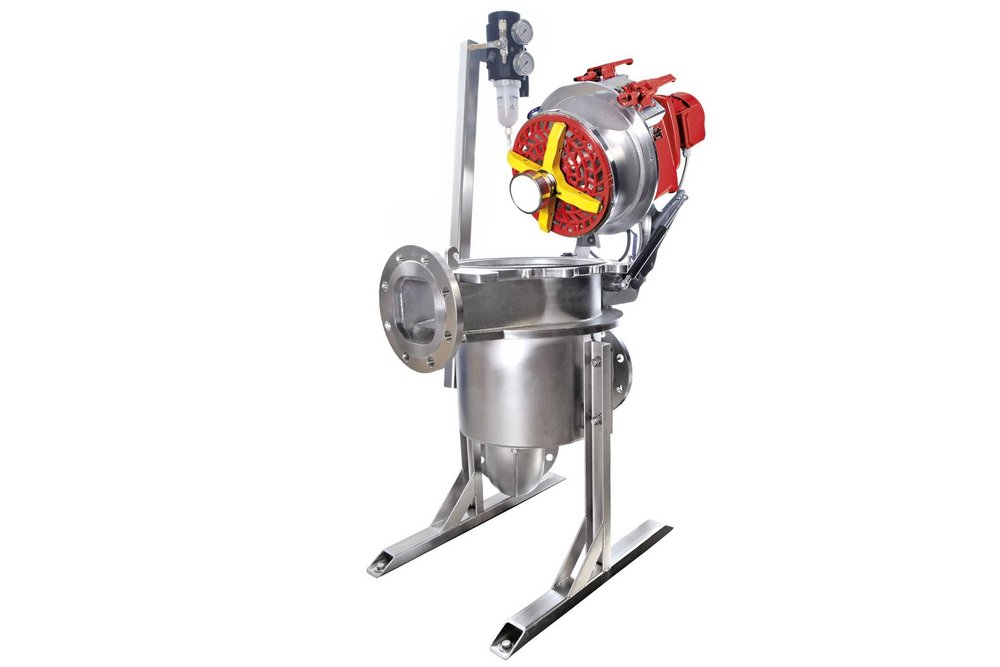
The Vogelsang RotaCut macerates fibre and coarse matter against a cutting screen and traps stones and metal upstream, protecting the pump behind it.
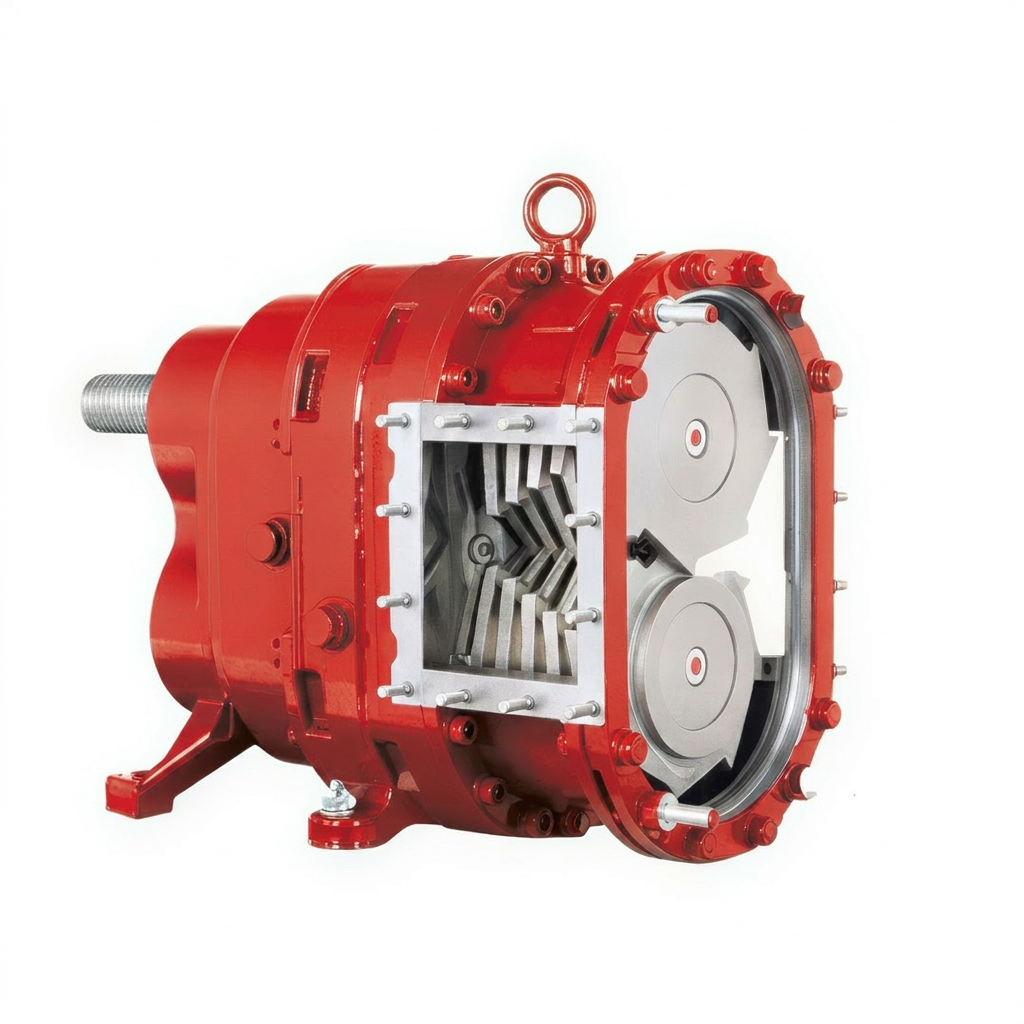
Vogelsang's twin-shaft wastewater grinder, in four series covering 50 to 7,164 m³/h, inline in a pipe or lowered into an open channel.
How to size and specify a macerator
Size a macerator on the medium and its solids, not on the flow alone.
Send us the flow rate, the medium and its dry solids content, what the rag actually is, and whether hard foreign matter such as grit, stone or metal gets into the line. Those set the cutter type, the cutting screen and the drive. Tell us the pump it is protecting as well, because the two get selected together.
Frequently asked
What is an inline macerator?
An inline macerator is a cutting unit fitted in the pipeline. It reduces rag, fibre and soft solids as the medium passes through, then a separate pump moves the reduced material on. It cuts; it does not pump.
What is the difference between a macerator and a grinder pump?
A grinder pump cuts and pumps in one unit, with the cutter at its inlet. An inline macerator only cuts, and sits ahead of a pump that is already right for the duty. Choose by whether you need to pump as well as cut.
How does a twin-shaft grinder work?
Two intermeshing shafts carry toothed rotors. As they turn they draw material in and shear it between them. The Vogelsang XRipper is built this way, on one-piece Ripper rotors, and is fitted into the pipeline rather than into a pump.
Do macerator cutters wear out?
Yes, and they are supposed to. The cutting tools take the wear and get replaced, fastest on gritty duties. Put cutter replacement in the running cost when you compare a macerator against the alternative.
Will a macerator stop my pump blocking on rag?
If the pump suits the duty and rag is the only problem, yes, because the rag is cut before it reaches the wet end. If grit or the suction conditions are what is killing the pump, a macerator will not fix it.