
What a clean-in-place circuit asks of a pump
The circuit cleans the plant without taking it apart. Cleaning fluid is pushed round the same pipes, tanks and heat exchangers the product runs in, at a set flow, a set temperature and for a set time, then the line is rinsed and handed back to production. Nothing is stripped down, so every wetted surface in the loop has to be cleanable where it sits. That includes the pump.
The supply leg is a flow duty rather than a volume duty. Cleaning works by turbulence at the pipe wall, so what the pump has to deliver is the flow that keeps the fluid scouring in the largest line on the circuit. Undersize it and the chemistry is still correct while the mechanical part of the clean is not happening.
The return leg is the harder of the two. The fluid coming back is soiled and it has picked up air from tanks, spray balls and drains, so the pump sees a part-full, changeable inlet rather than a flooded one. A pump that cannot tolerate entrained air loses prime and stalls, and the circuit stops turning over.
Then there is temperature. The wash stages are hot and chemically aggressive, and some duties add steam afterwards to sterilise the line. Heat is what makes the sealing arrangement difficult, and the hotter the duty runs the narrower the choice of pump gets. Frying and other high-temperature food processes are where this bites hardest.
What to look for
A pump for a CIP circuit has to be cleanable by the cycle it drives, and sealed for the hottest, most aggressive stage of that cycle rather than the rinse. Six things to check on the quotation:
- A wetted path with no dead legs or crevices, and a pump that drains down between cycles rather than holding fluid from the last one.
- Elastomers specified against the caustic and acid stages you actually run, at the temperature you run them at, and against steam if you sterilise the line afterwards.
- Stainless steel wetted parts, with the grade chosen against the medium and the cleaning chemistry rather than assumed.
- A sealing arrangement chosen for the hot end of the cycle, not for the rinse. High-temperature duties narrow the field here more than anywhere else on the page.
- Air tolerance on the return pump: self-priming, or a type that keeps pumping through a part-full inlet.
- Where the specification calls for EHEDG (European Hygienic Engineering & Design Group) compliant design, get the certification from the manufacturer covering the exact build. Do not infer it from the range the pump belongs to, and do not take it from us on inference either.
CIP and hygienic pumps
View all →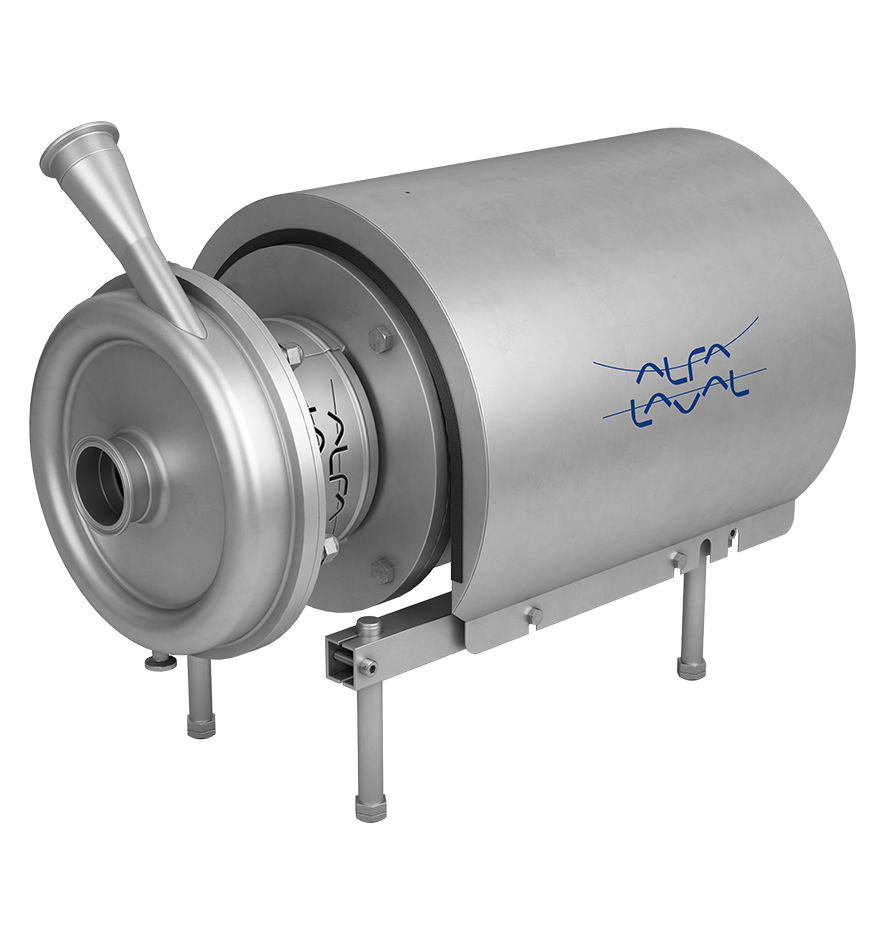
A high-purity hygienic centrifugal pump for biotech and pharmaceutical process duties. EHEDG certificate, full material traceability, eight sizes.
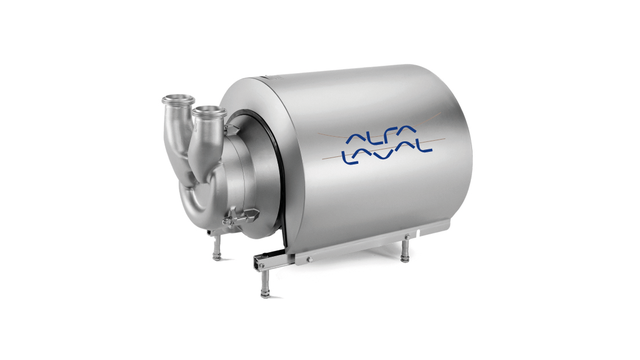
A liquid-ring pump for CIP return and other duties where the liquid arrives with air or gas in it. Three sizes to 80 m³/h.
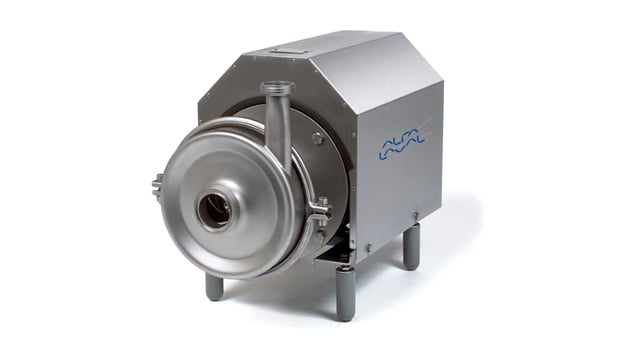
A standardised hygienic centrifugal pump for basic CIP and transfer duties, in four sizes, with an UltraPure execution for pharmaceutical work.
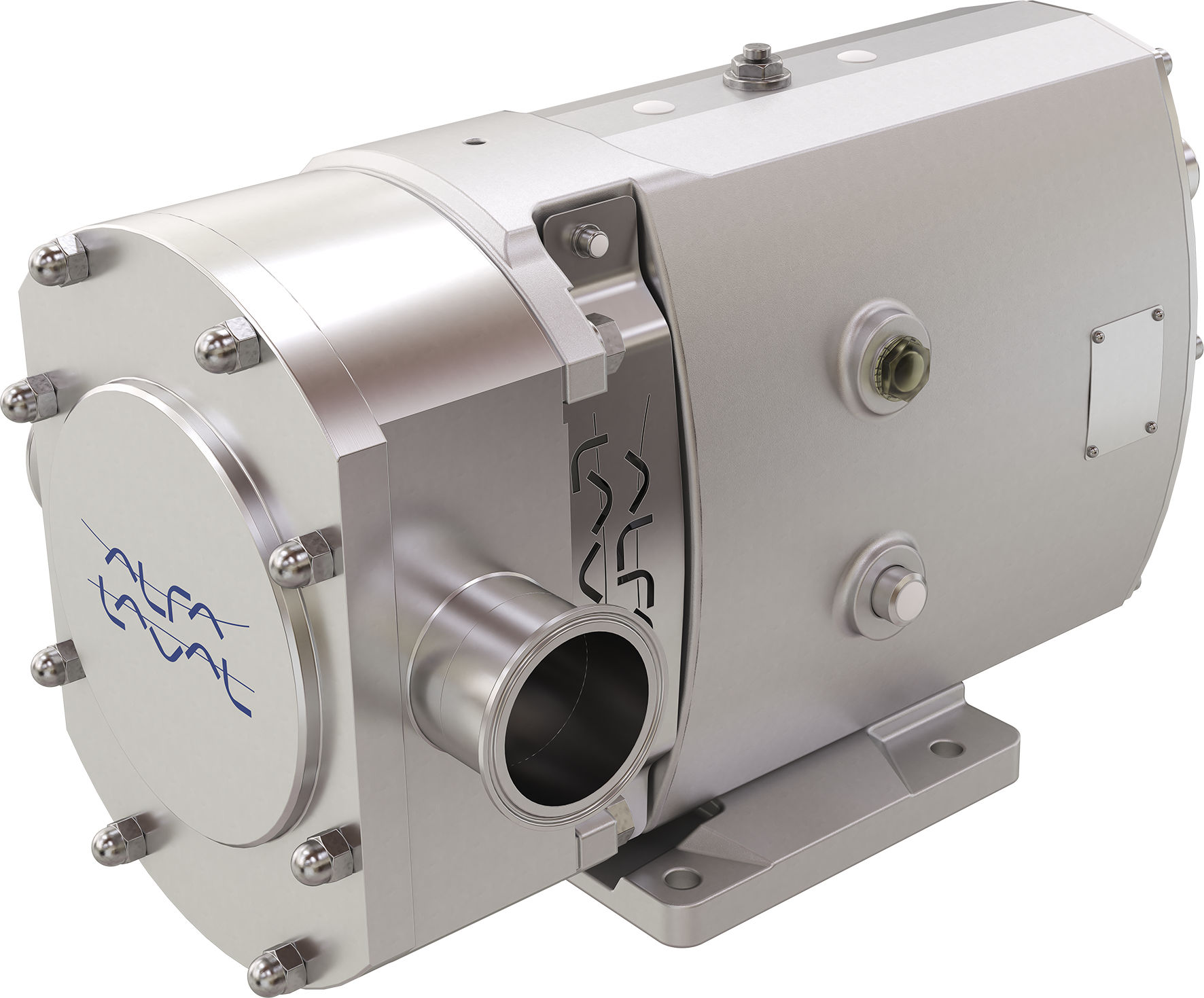
Alfa Laval's hygienic rotary lobe pump for shear-sensitive and viscous product, in 12 displacements to 106 m³/h and 20 bar.
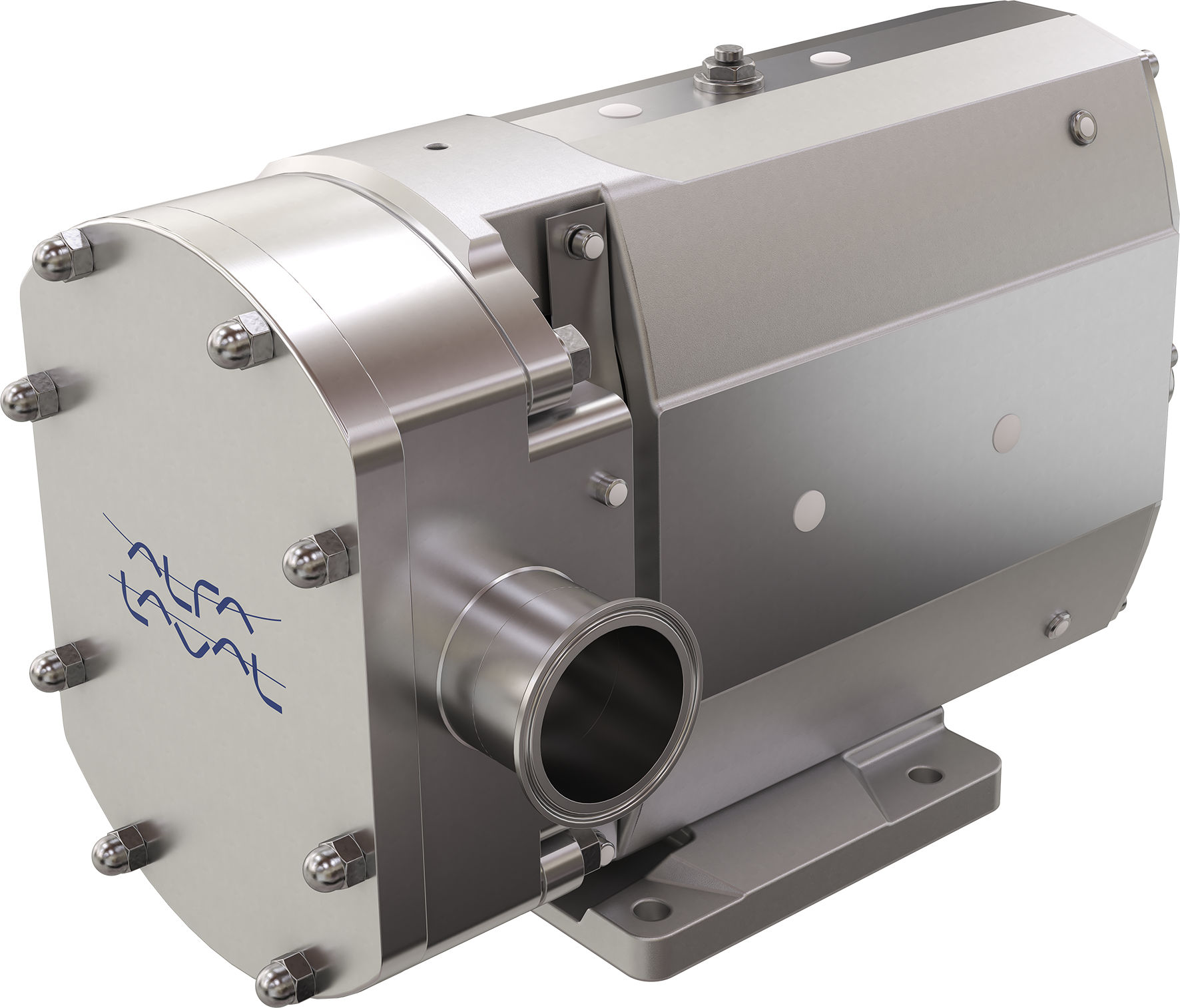
Alfa Laval's premium hygienic rotary lobe pump, in 14 displacements to 115 m³/h and 15 bar, with a fully drainable pump head for CIP and SIP.
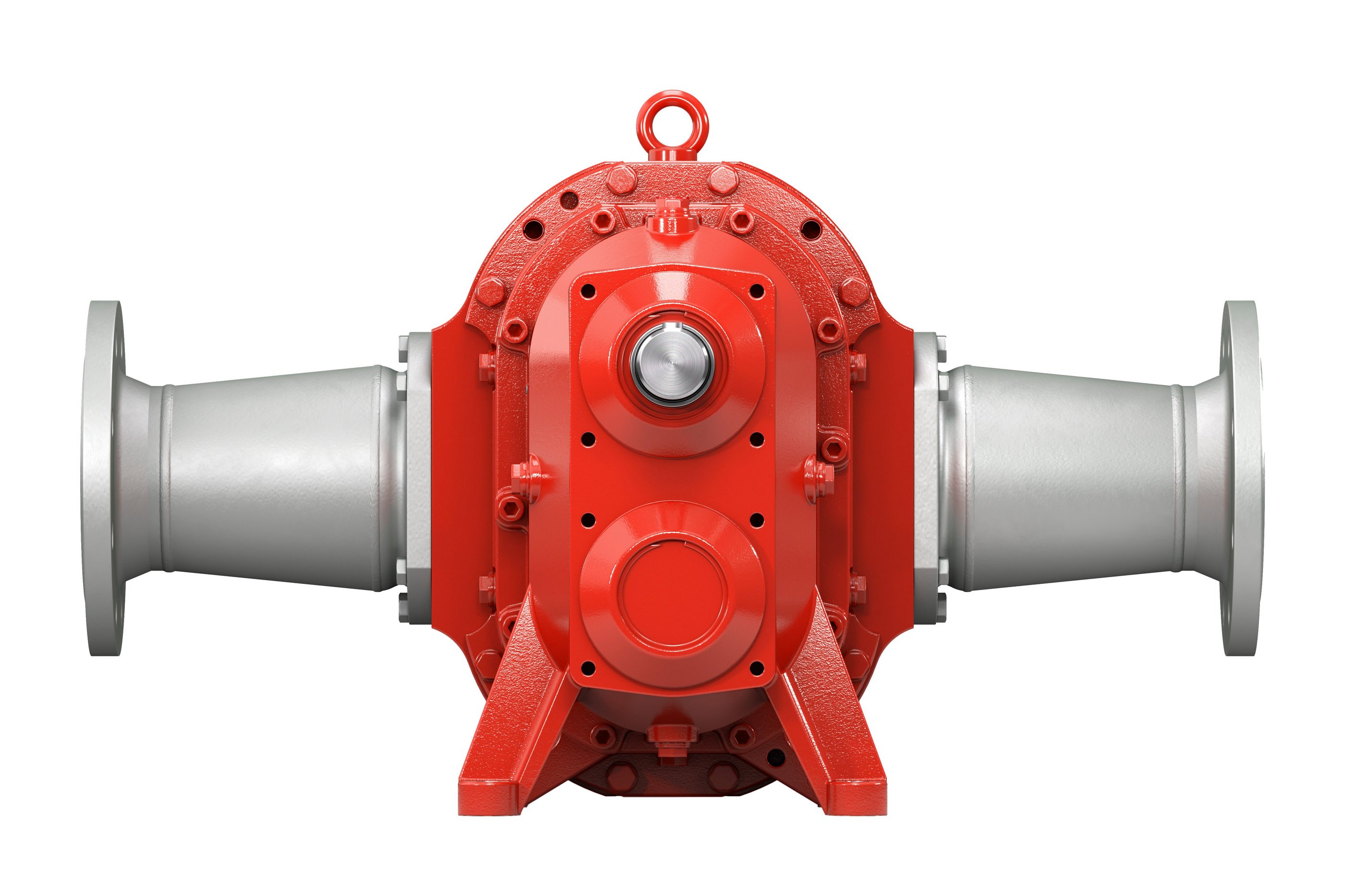
Flow, pressure and build options for the Vogelsang VY series rotary lobe pumps, VY100 and VY136, and how the one-piece CIP/SIP housing differs from the VX.
How to select for a CIP circuit
Select the type per leg, then specify the build. On supply, a hygienic centrifugal pump is usually the right answer: the medium is close to water, the duty is steady, and a centrifugal handles the losses across spray balls and long pipe runs without complication. Size it against the total dynamic head of the loop, not against the pressure someone remembers the old set running at.
On return, air tolerance decides it. A self-priming hygienic centrifugal will cope with a moderately aerated return. Where the return is genuinely unpredictable, a positive displacement type such as a rotary lobe pump is the more forgiving choice, because it holds its flow to within a few per cent as the discharge pressure moves around while a centrifugal's flow shifts significantly. You pay for that in capital cost and in a slower, heavier unit, and a lobe pump still needs liquid at the seal faces.
Materials and sealing are what actually decide the build, and they are the part of the enquiry that usually arrives last. Wetted parts want stainless steel; the grade is a decision to take against the chemistry you clean with, not an assumption. Elastomers matter more than the metal here, because they see hot caustic, hot acid and, on a steam duty, the steam as well. The seal is the weak point in almost any pump, and where the seal choice is genuinely difficult the seal manufacturer's advice is the one to take.
Watch the sizing on the supply pump. Margin stacking is the default mistake: the process states a flow, the consultant adds a margin for future duty, the contractor adds another, and the pump that comes out of the chain is far too big for the CIP set feeding it. Run a centrifugal off the end of its performance curve with a tank that cannot keep up and NPSHa falls below NPSHr. You cavitate, the seal goes, and the noise and vibration land in the pipework of a factory that is often sensitive to both.
Frequently asked
What is a CIP pump?
A CIP pump circulates cleaning fluid through an assembled process line so the plant is cleaned in place, with nothing stripped down. The cleaning runs at a set flow, temperature and time. A supply pump feeds the plant and a return pump brings the soiled fluid back to the CIP set.
Why does a clean-in-place circuit need two pumps?
The two legs are different duties. Supply is a steady flow duty into a flooded inlet, while return has to lift soiled fluid out of a part-full, aerated line, which is what makes an ordinary pump lose prime.
What flow does a CIP pump need?
Enough to keep the fluid scouring the wall of the largest line on the circuit, which depends on that line's bore. Size the supply pump against that flow and the total dynamic head of the loop. A pump chosen on delivered volume alone can clean chemically and not mechanically.
Why must a CIP return pump handle air?
The return fluid picks up air from tanks, spray balls and drains and comes back part-full rather than flooded. A pump with no tolerance for entrained air loses prime and stops circulating, so return duties go to self-priming or positive displacement types.
What is the difference between CIP and SIP?
CIP circulates cleaning fluid to clean the line. SIP follows it with steam to sterilise the line. SIP matters to pump selection because the elastomers and the sealing arrangement have to survive the steam as well as the hot caustic and acid stages before it.
Can Channel Pumps specify both pumps in a CIP set?
Yes. Send the line size, the flow you clean at, the chemicals and their temperatures, and whether you steam the line afterwards. We select a type for each leg and specify the wetted materials, the elastomers and the seal against the chemistry rather than against the flow figure alone.