What kills pumps on a sewage works
Three things account for most wastewater pump failures, and they arrive in this order.
- Rag and solids build-up. Wipes and fibre bind up the wet end until the pump is working against itself. This is what we get called about most.
- Grit. Grit reaches the pumps when the grit removal on the works is not doing its job. It abrades, wear follows, and the pump fails early. The pump is rarely the thing at fault here.
- Dry running. Usually because the suction conditions were never right. On a progressing cavity pump it burns through the stator and damages the rotor, and that one is catastrophic. On a rotary lobe or a centrifugal you lose the mechanical seal, because a mechanical seal needs liquid to lubricate it.
There is a fourth with no design fault in it at all. Somebody shuts a valve, forgets it is shut, and runs the pump. Same outcome as dry running, and no amount of specification prevents it.
The medium does the slower damage. Septic sewage gives off hydrogen sulphide, which attacks the pump and, in a wet well, makes a hazardous atmosphere for anyone who has to go near it. Flow swings hard. Dry-weather flow is a fraction of the storm peak, so a station runs duty and standby and still has to turn down without clogging. Sludge is a different duty again: thick, variable in dry solids content, and past what a centrifugal will shift.
Selecting for the stage
Select the type against the medium, then size the unit against the duty point. Getting that order the wrong way round is how a station ends up with a pump it has to nurse for twenty years.
Raw sewage and storm flows
A submersible pump with a solids-handling or vortex impeller and a large free passage is the default, and for most wet wells it is the right answer. Where the solids need to arrive intact, look at a screw centrifugal such as the Hidrostal submersible, which passes large solids whole rather than chopping at them.
Sludge
Go positive displacement. The trade rule of thumb is roughly 3–4% solids; above that a centrifugal stops being the right selection, and rising viscosity pushes the same way. A progressing cavity pump or a rotary lobe pump holds its flow rate to within a few per cent as the pressure moves, which a centrifugal does not. The double disc pump is worth naming here for a specific reason: the three things that kill pumps on a works are the three things it is largely immune to. It passes solids, it tolerates grit, and it can run dry, because there is no mechanical seal in it to lose.
Treated water and final effluent
A centrifugal pump is the efficient choice for transfer and pressure boosting, and there is no reason to pay for anything else.
Size for the duty you have, not for the margin everyone adds. Oversizing arrives by margin stacking. You state a flow. The consultant adds margin for future duty. The contractor adds margin. The subcontractor doing the installation adds a bit more. Nobody in that chain is careless, and the pump that comes out of it is far too big. You end up with an 11 kW motor on what is really a 3 kW application, and it stays uneconomical for the life of the installation. The worse consequence is hydraulic: a centrifugal run off the end of its performance curve is not getting the back pressure it needs, the suction cannot feed it, and it cavitates. Check NPSHa against NPSHr at the duty point before anyone orders anything.
The enquiry we turn down most often. A pump is clogging on rag, and we are asked to supply a better solids-handling pump. If the pump already installed is a good solids-handling pump, a like-for-like swap fails the same way in the same place. The fix is rag removal upstream, which means a macerator or chopper pump such as an inline RotaCut. That is a system change nobody has asked us to sell, and we would rather say so than quote the swap.
Water and wastewater pumps we supply
View all →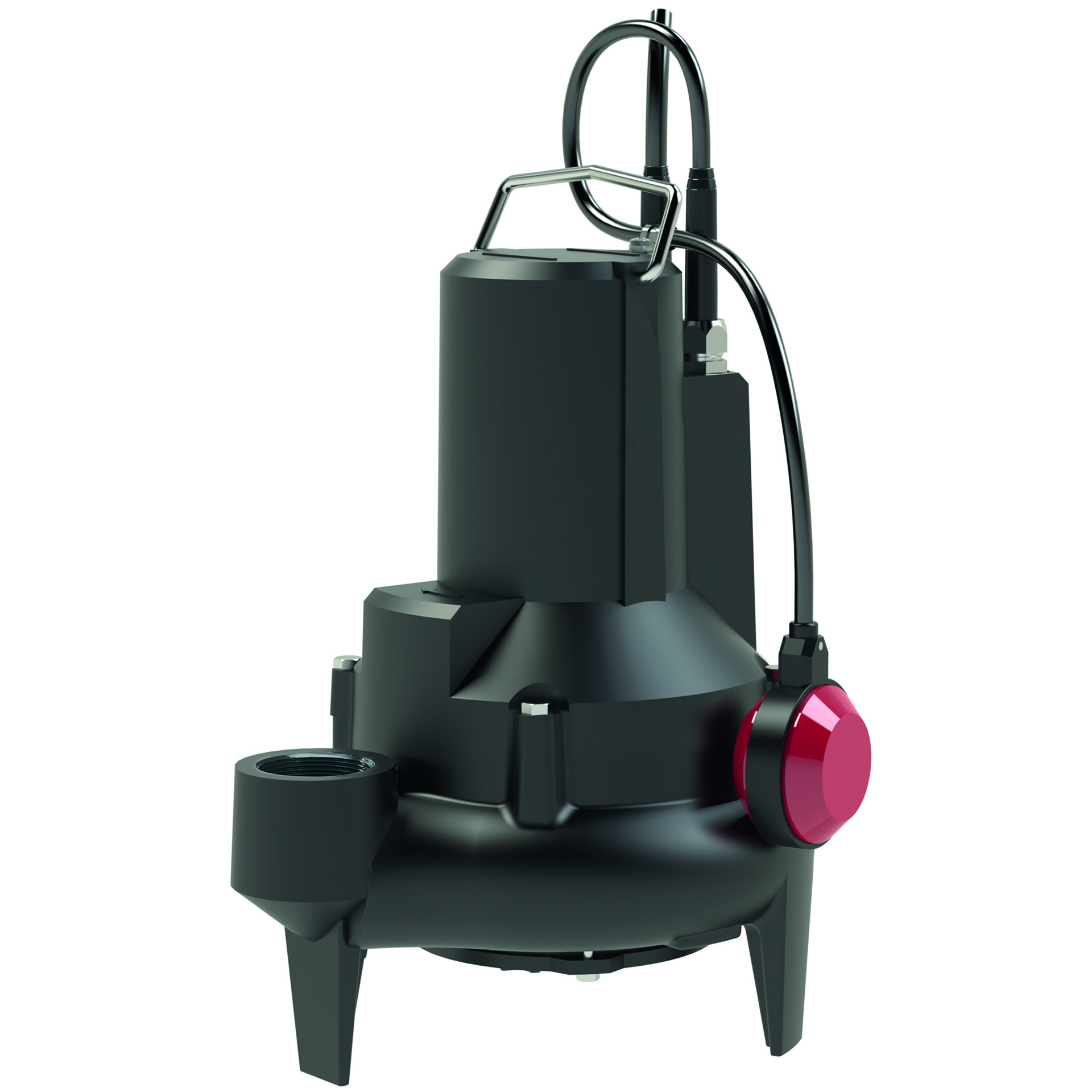
The Calpeda GM 50 is a cast iron submersible sewage pump. The GMC single-channel impeller passes 45 mm solids, the GMV free-flow vortex 50 mm.
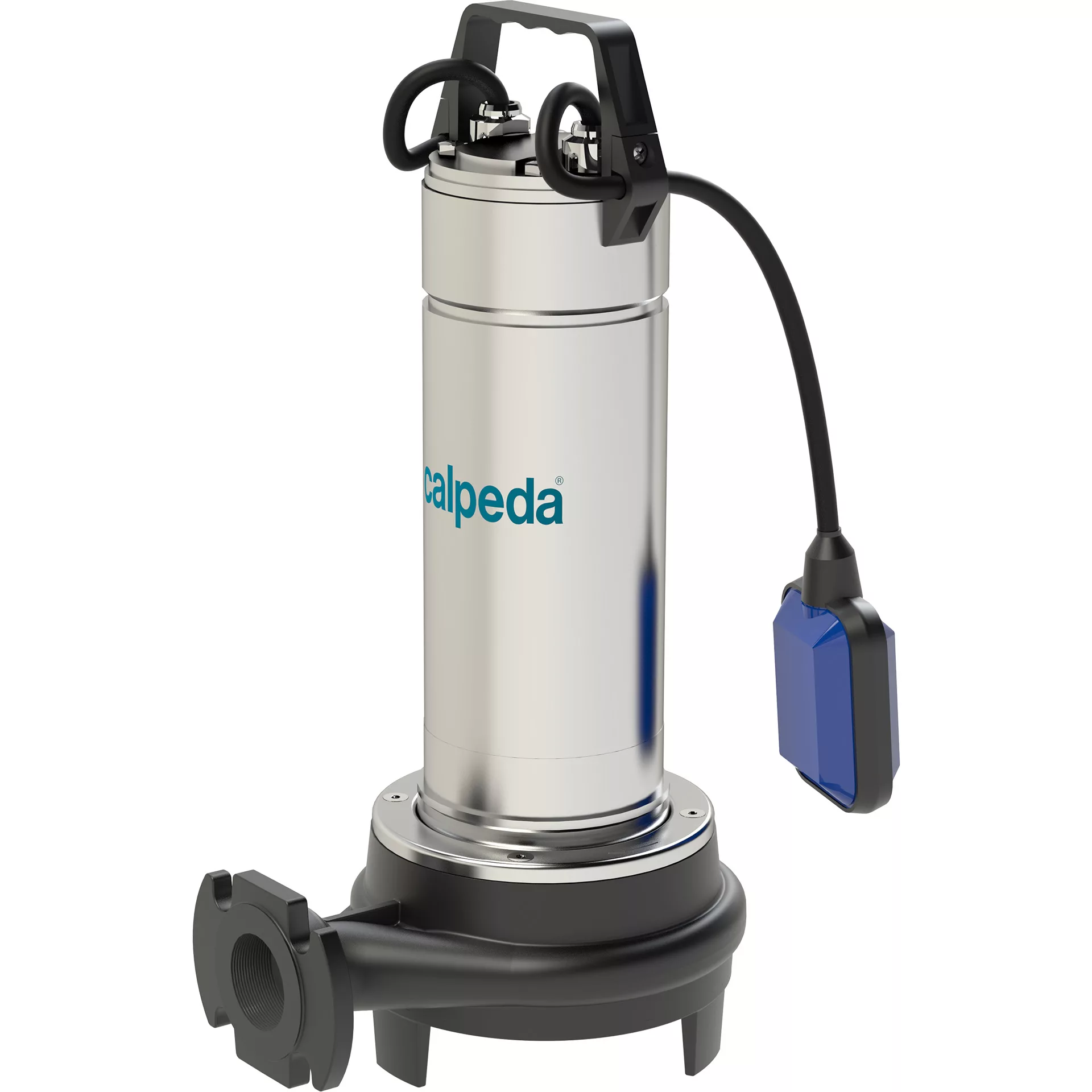
The Calpeda GQG cuts rag, paper and textile at the inlet and pumps it, giving 25 m of head on a DN32 line from 0.9 to 1.5 kW.
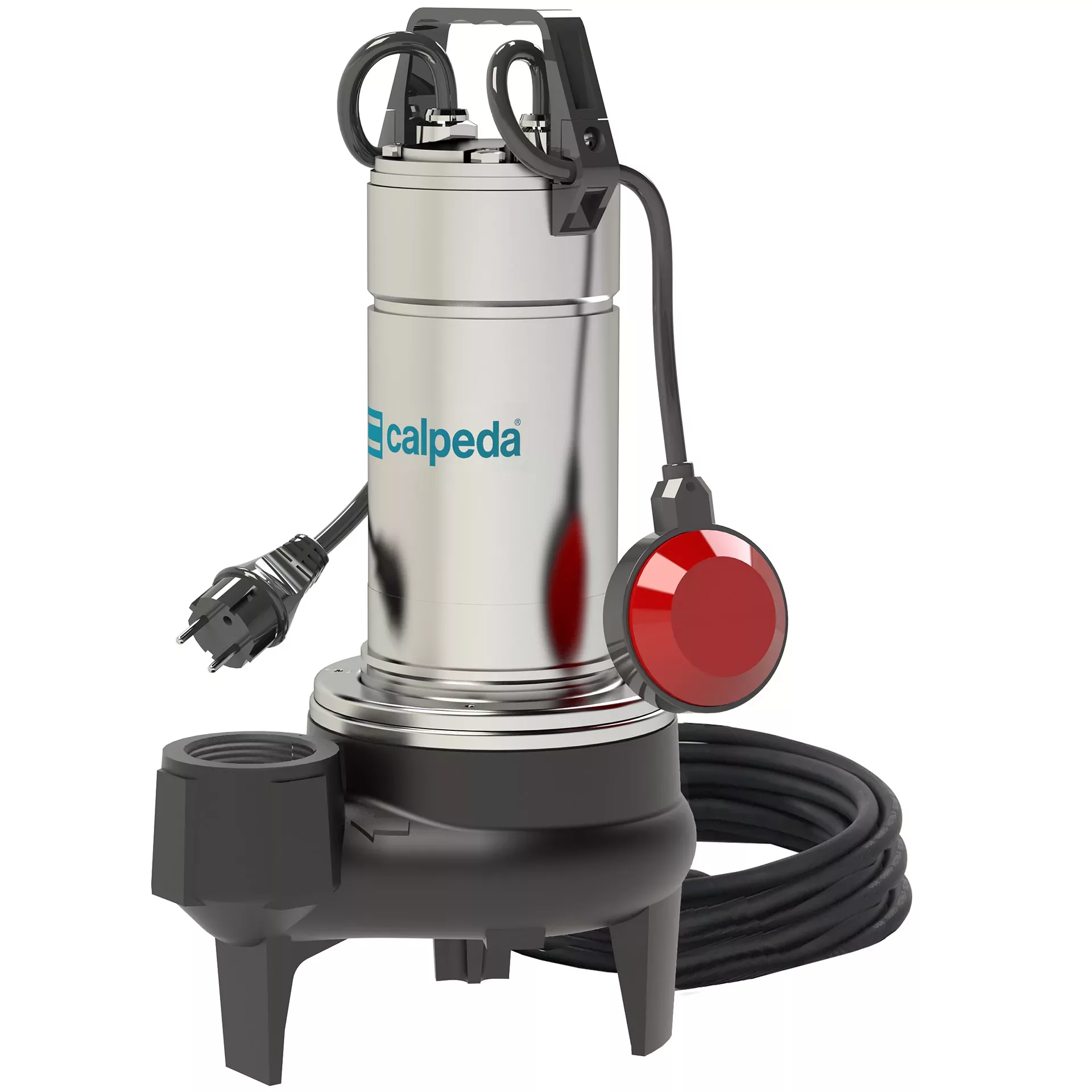
The Calpeda GQN is a cast iron submersible sewage pump with a channel impeller, passing 50 mm solids to 48 m³/h and 16.4 m on a G 2 discharge.
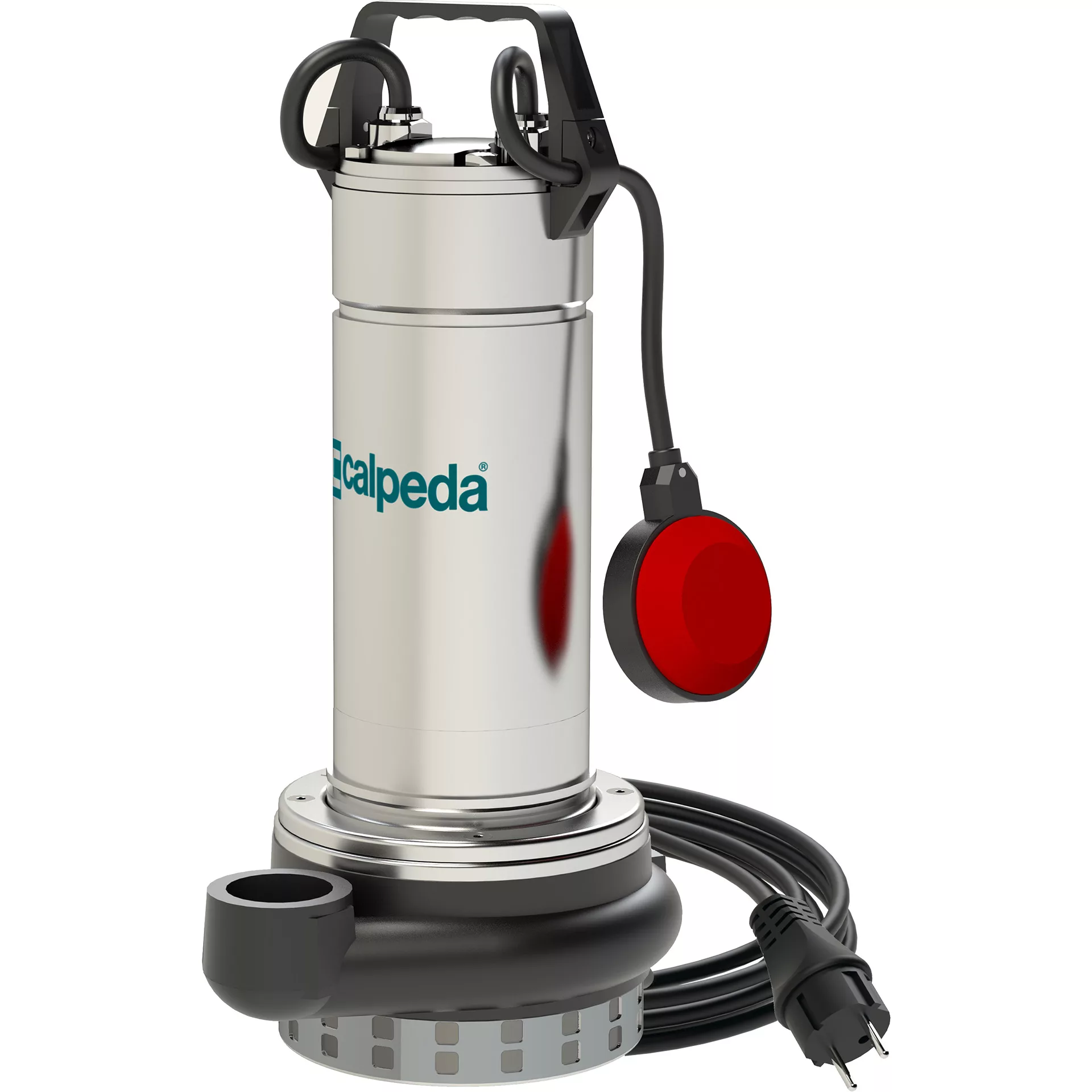
The Calpeda GQR is a submersible drainage pump with an open impeller and a stainless strainer, passing 6 or 10 mm solids to 52 m³/h and 30.2 m.
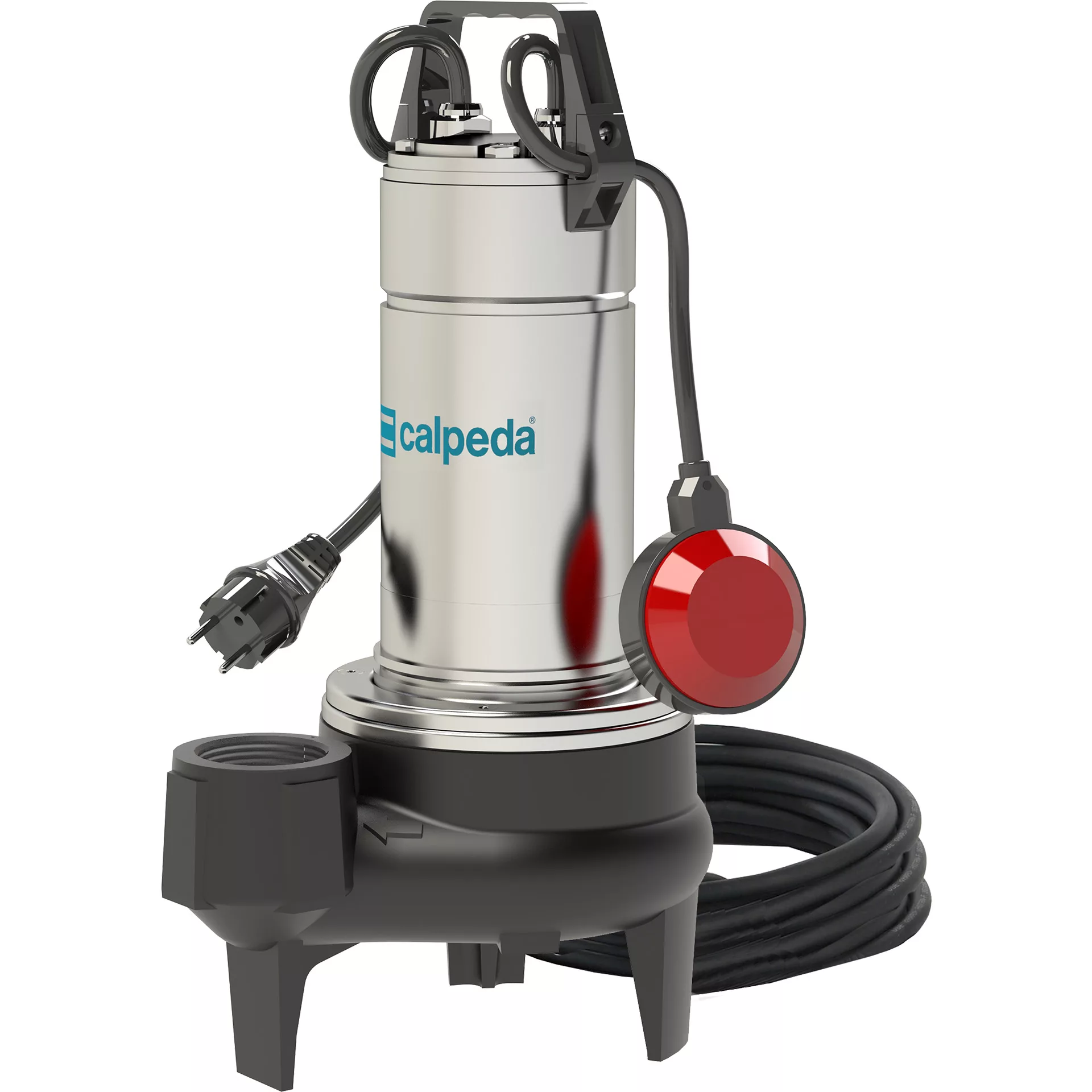
The Calpeda GQS is a submersible sewage pump with a free-flow vortex impeller, passing 40 or 50 mm solids to 36 m³/h and 15 m on a vertical port.
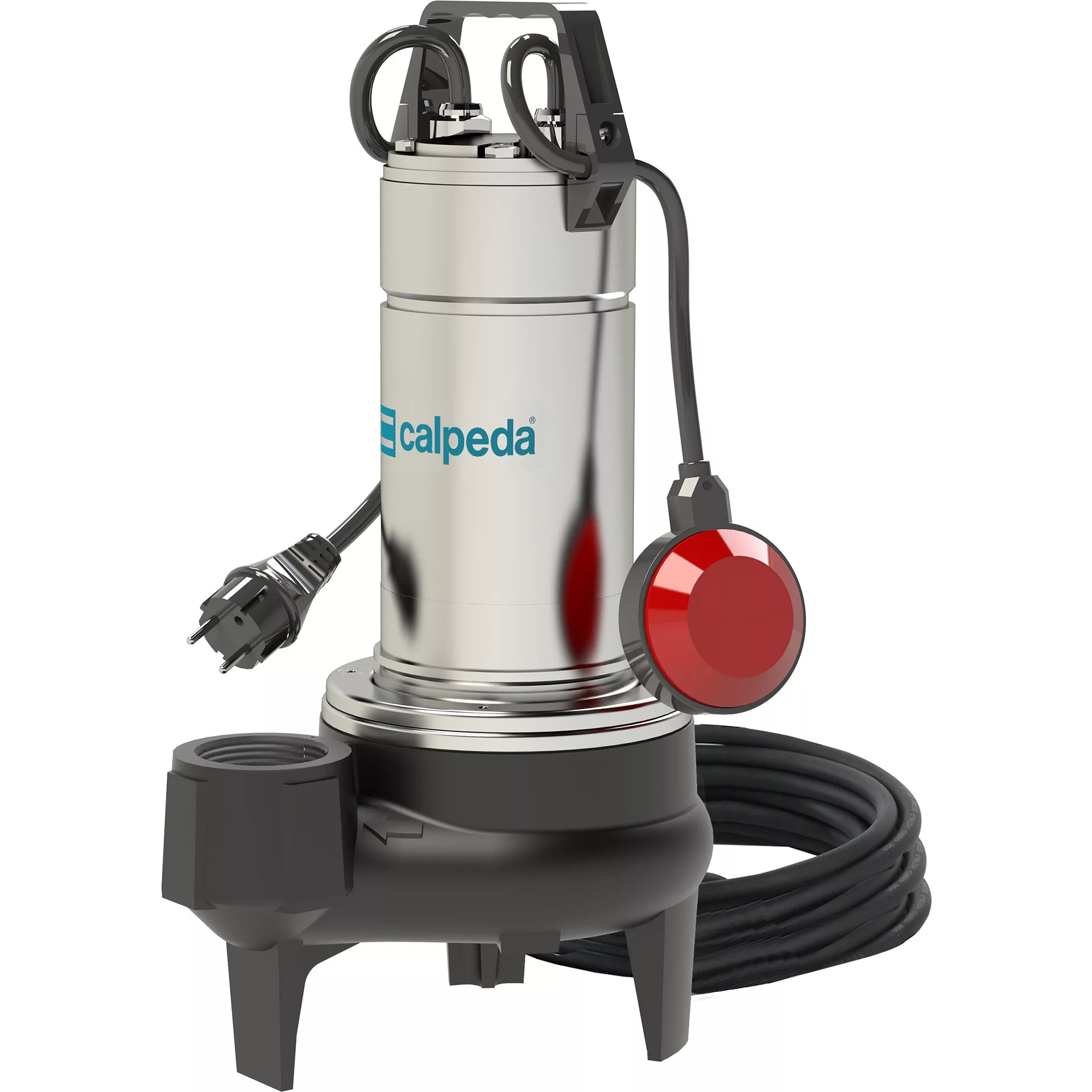
The Calpeda GQV is a free-flow vortex submersible sewage pump for rag and fibre, passing 50 or 65 mm solids to 57 m³/h, from 0.55 to 2.6 kW.
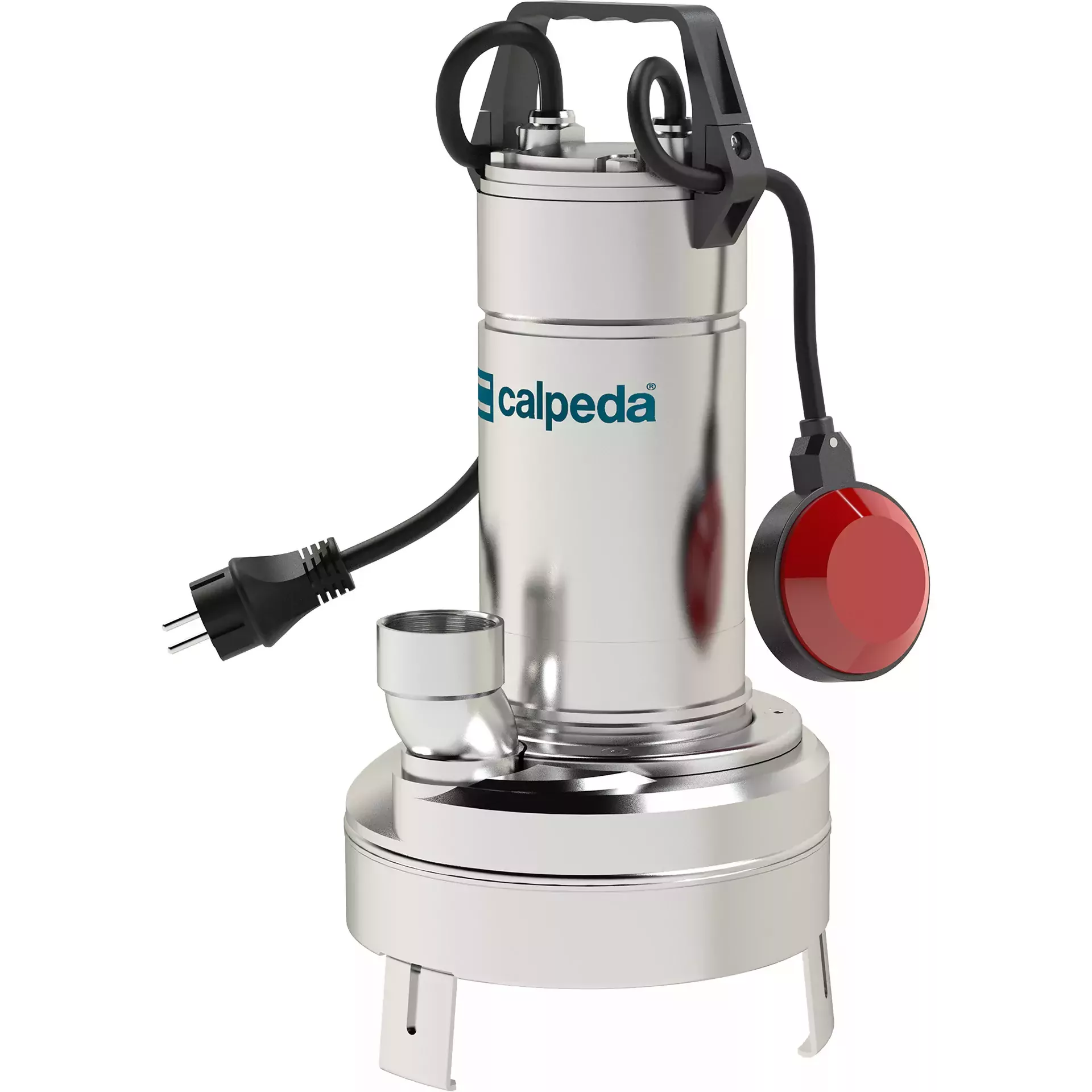
The Calpeda GX 40 is an AISI 304 submersible drainage pump passing 35 mm solids, built with a two-passage GXC impeller or a free-flow vortex GXV impeller.
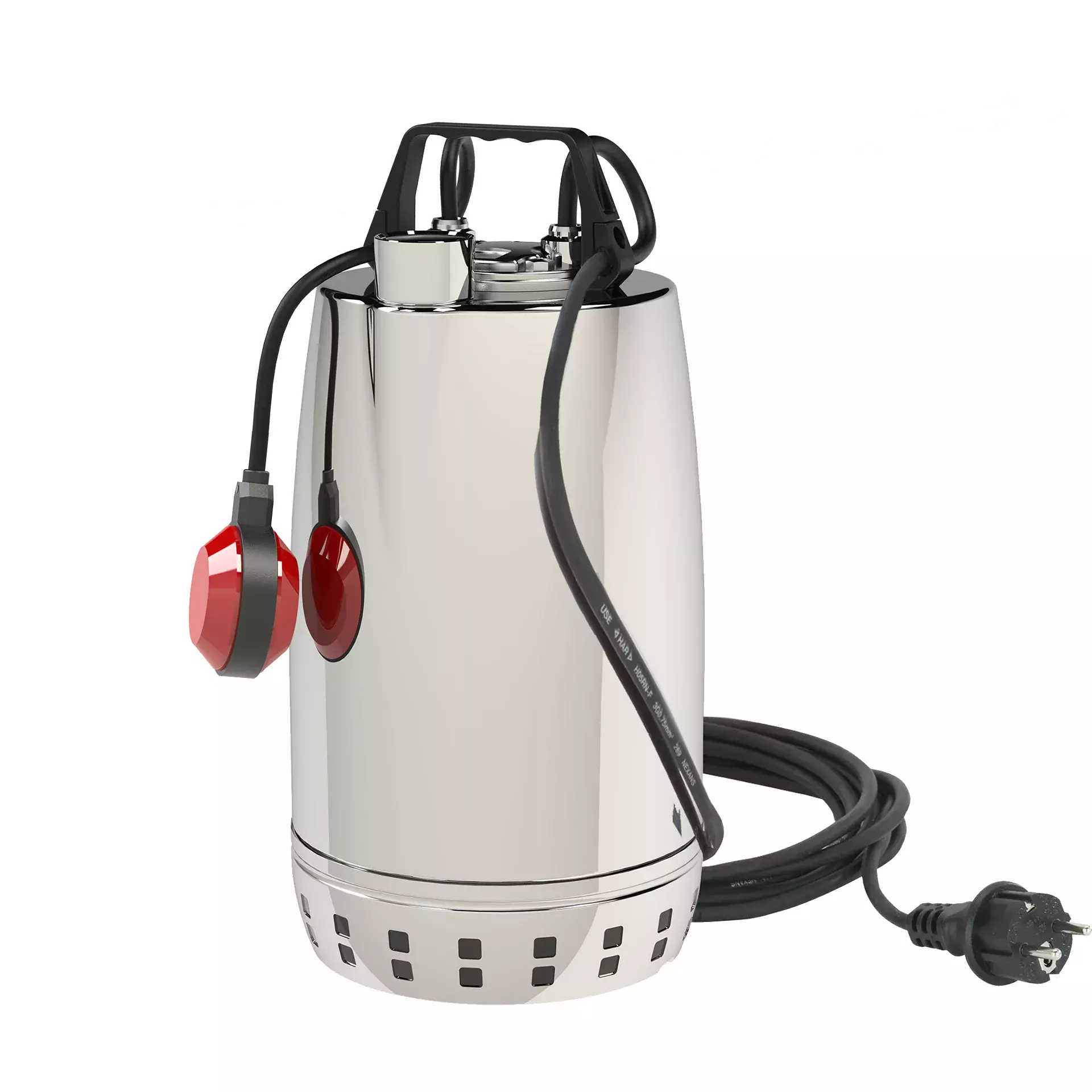
The Calpeda GXR is an AISI 304 submersible drainage pump with an open impeller, in two frames reaching 19.2 m and 30 m³/h on 12 mm solids.
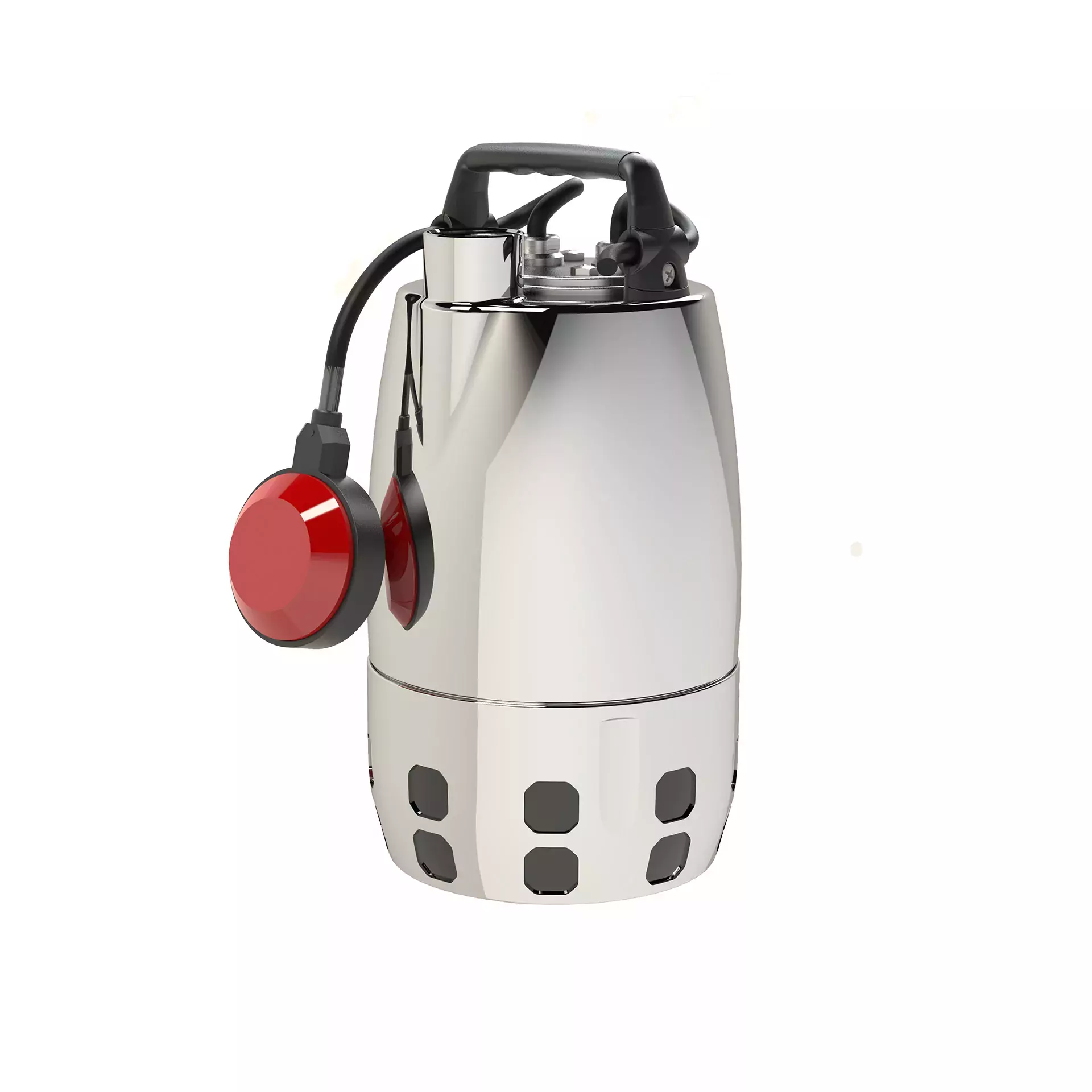
The Calpeda GXV 25 is an AISI 304 submersible pump with a free-flow vortex impeller, passing 25 mm solids to 13.2 m³/h and 10 m of head.
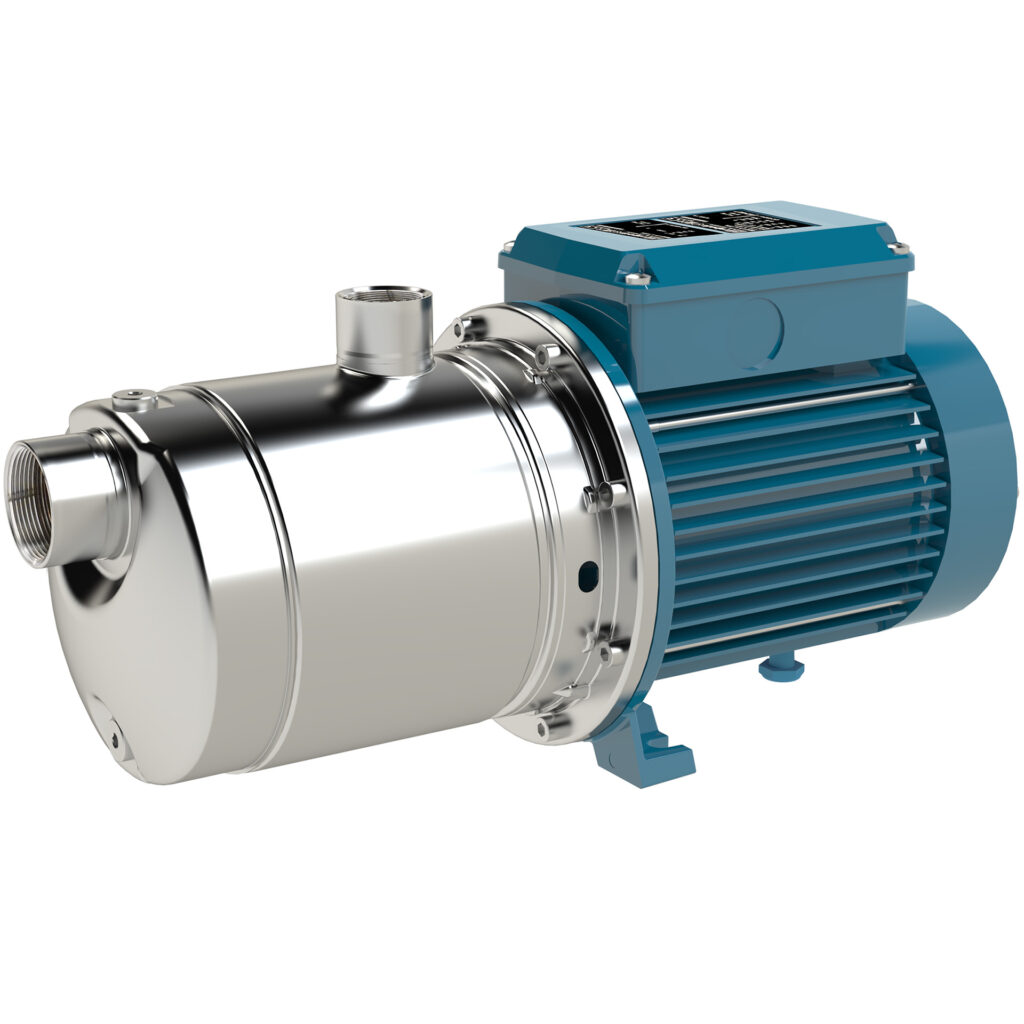
The Calpeda MXH is a WRAS approved horizontal multistage stainless steel pump for clean water to 66 m³/h and 97 m. Specs, sizes and UK supply.
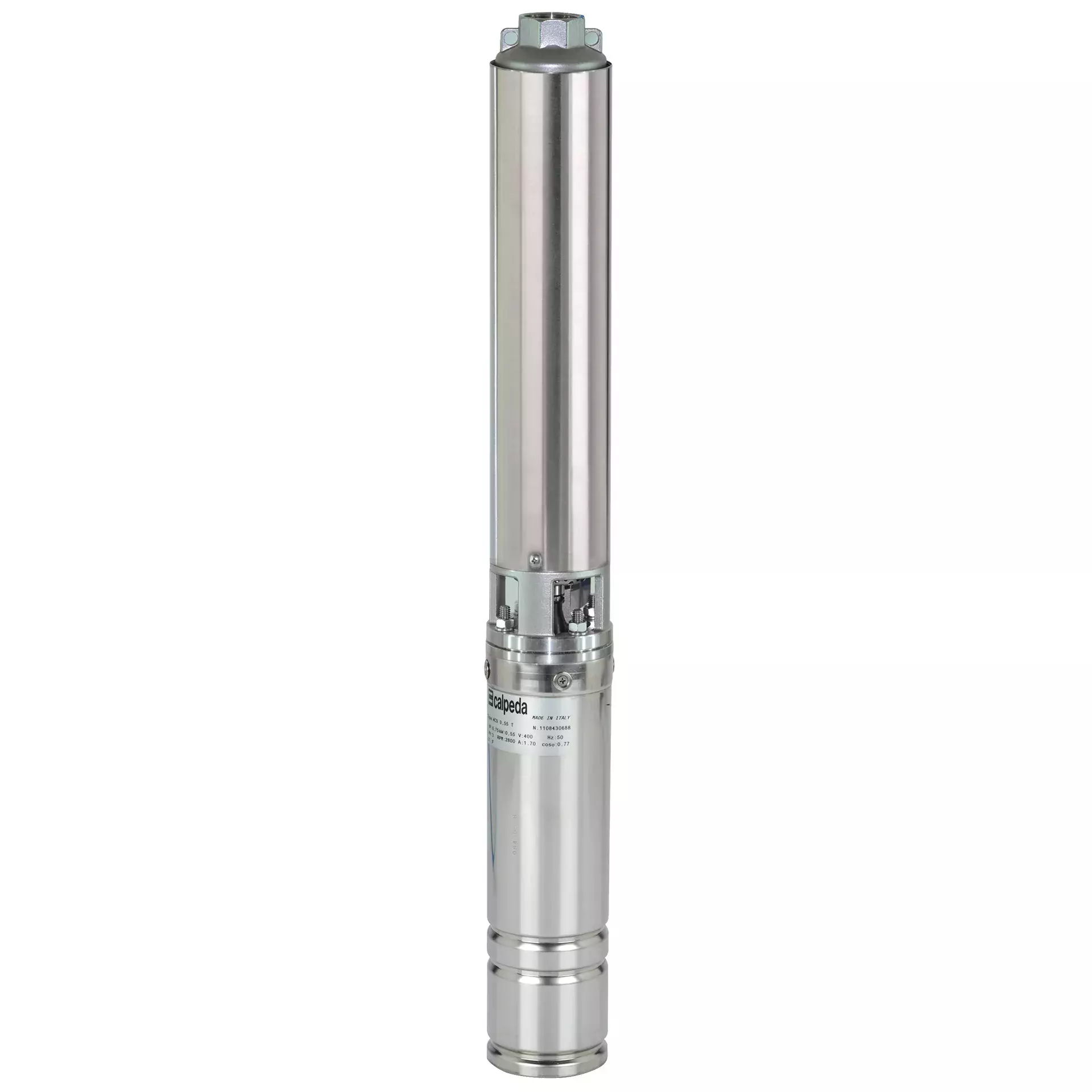
The Calpeda SD is a multistage submersible borehole pump for 4 and 6 inch wells, reaching 691 m and 40.2 m³/h on 0.37 to 37 kW.
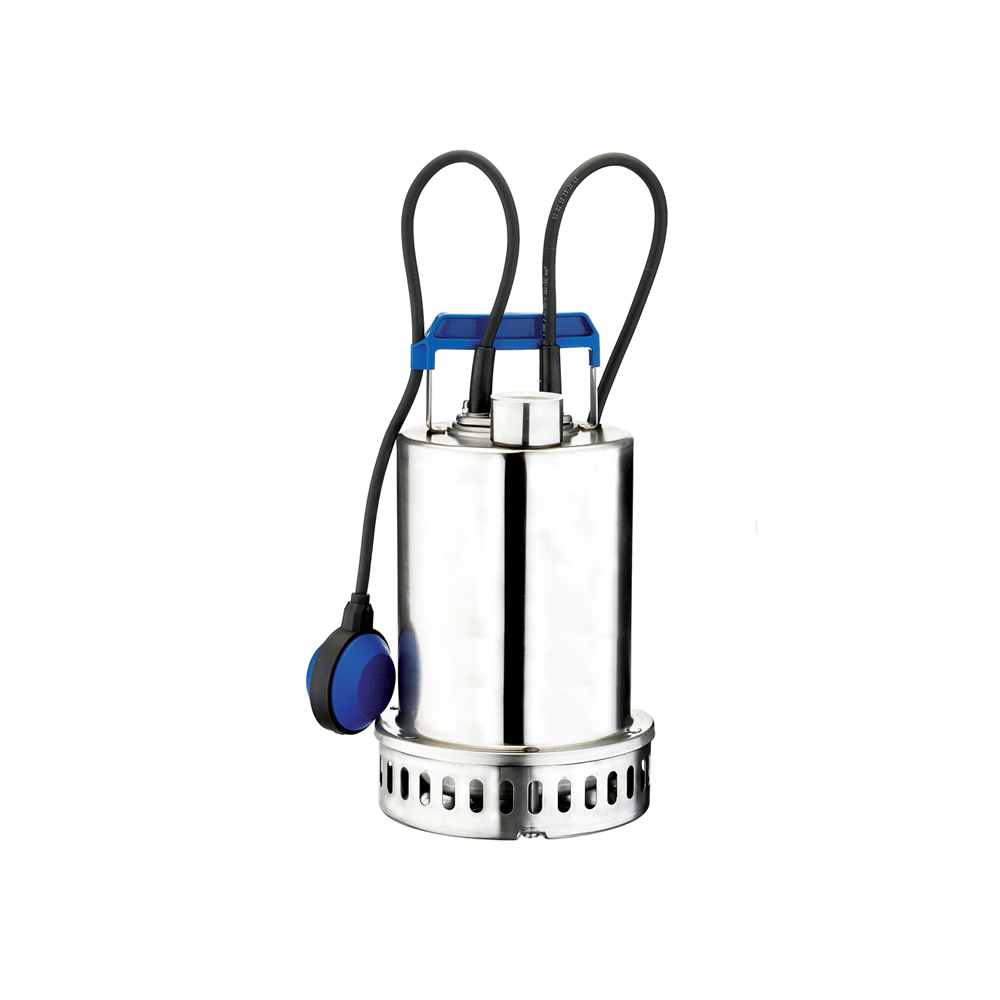
The Ebara BEST 2 is the 0.55 kW frame of the stainless BEST 2-5 range, running to 15.6 m³/h and 13.1 m of head with a 10 mm solids passage.
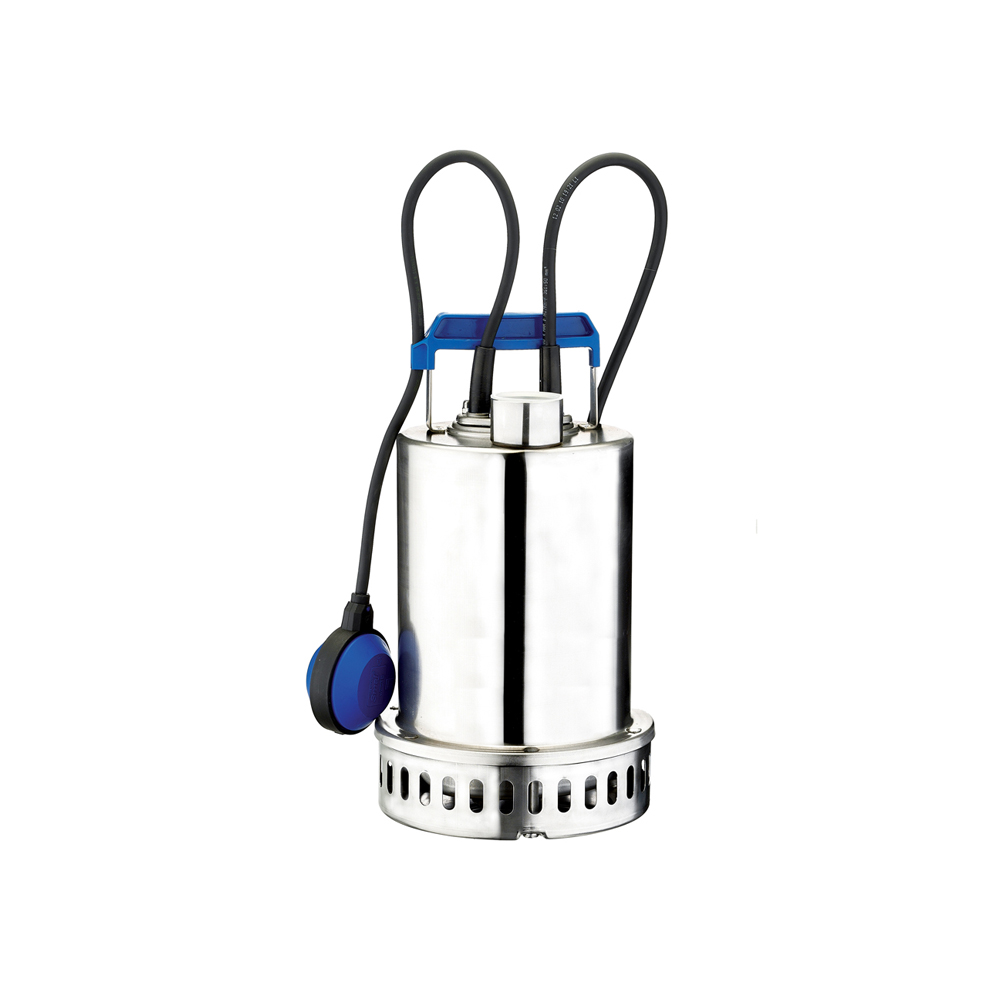
The Ebara BEST 3 is the 0.75 kW frame of the stainless BEST 2-5 sump range, running to 16.8 m³/h and 14.6 m of head with a 10 mm solids passage.
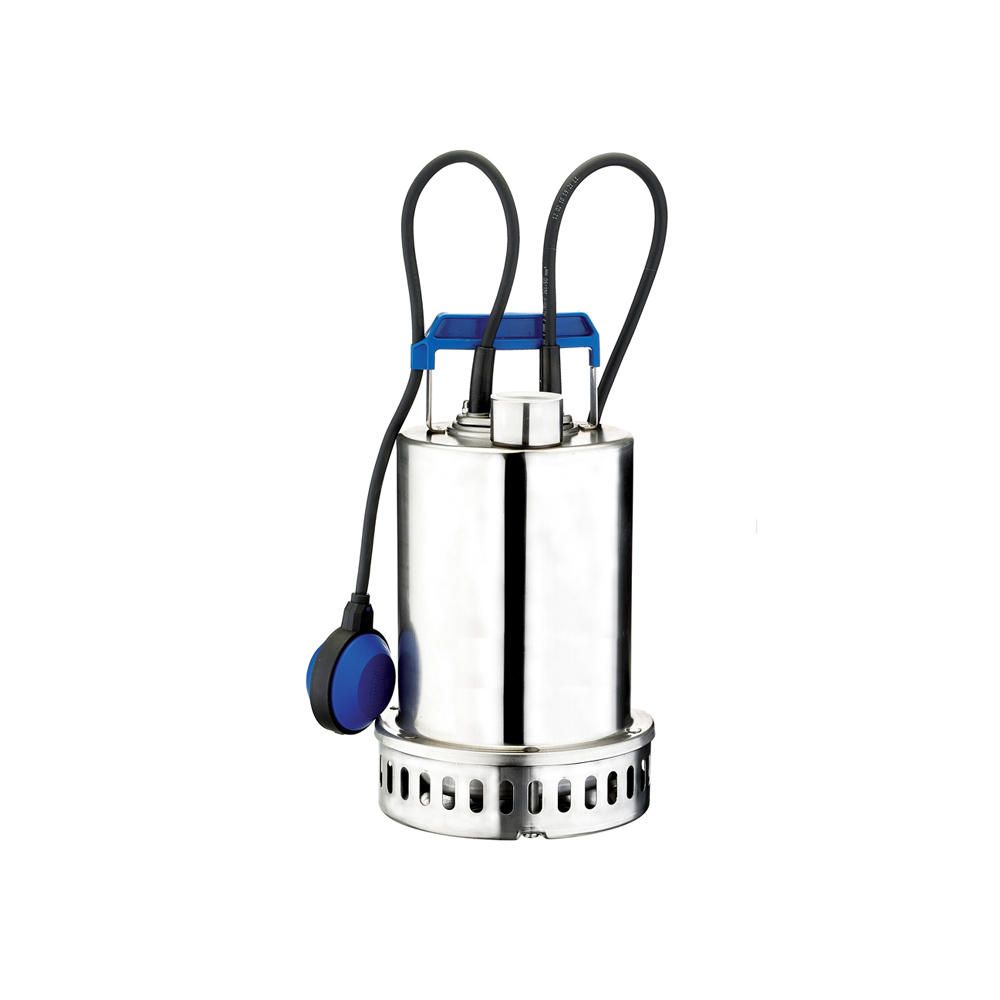
The Ebara BEST 4 is the 1.1 kW frame of the stainless BEST 2-5 sump range, running to 19.8 m³/h and 18 m of head, and the largest one built single-phase.
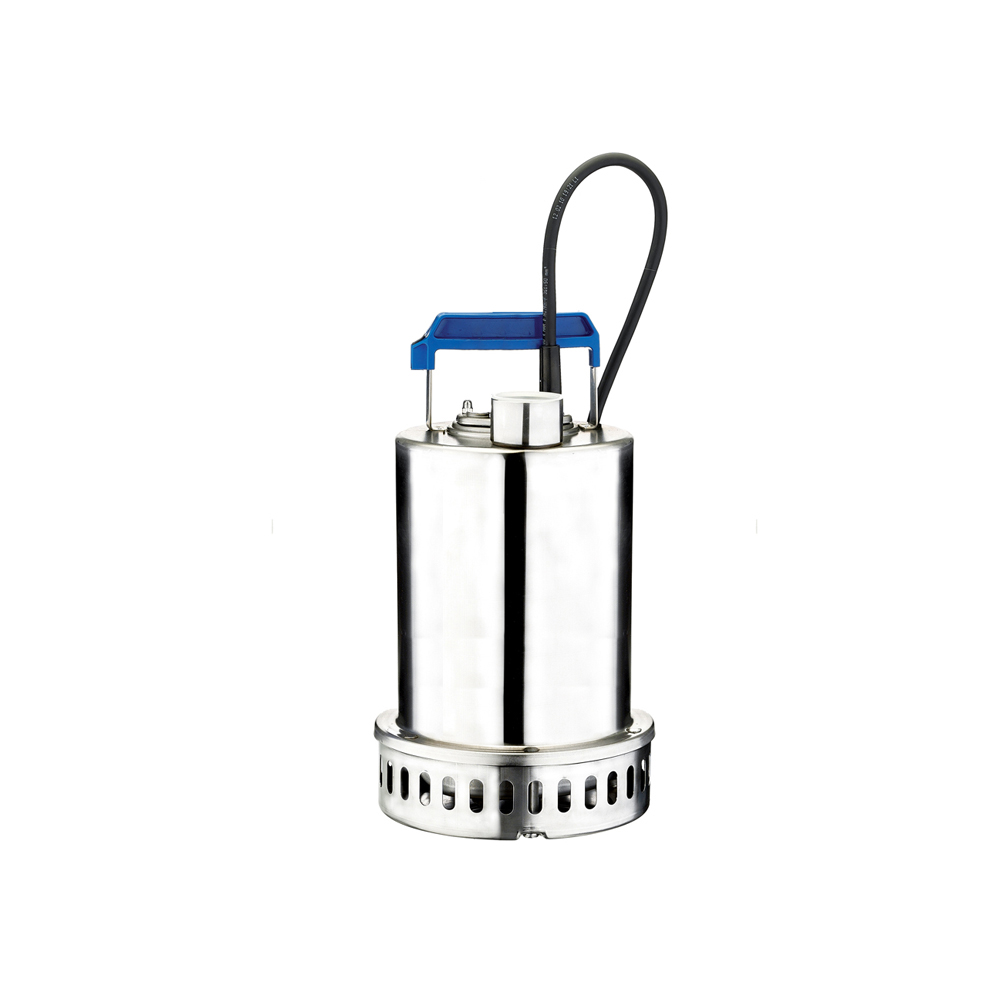
The Ebara BEST 5 is the 1.5 kW three-phase top frame of the stainless BEST 2-5 sump pump range, running to 21.6 m³/h and 19 m of head.
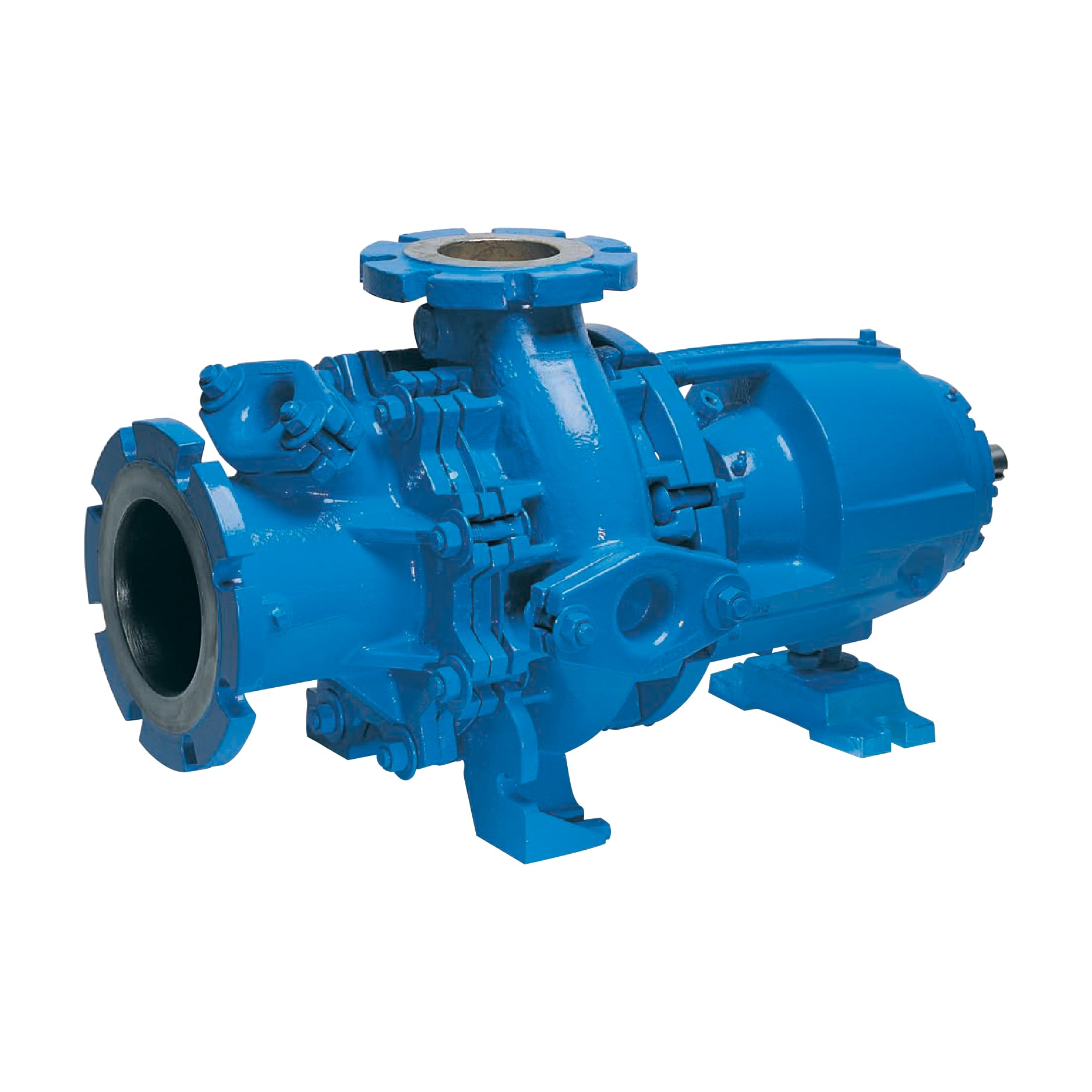
The Ebara ChopX cuts and pumps in one unit. Two cutting stages, a hard metal wet end, and a flushless seal option, for scum, FOG, sludge and manure.
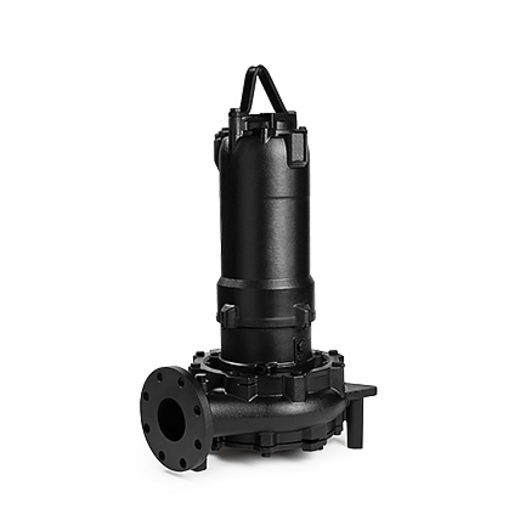
The Ebara DKE is a cast iron submersible wastewater pump with a back-swept anti-clogging impeller. It covers 4.2–780 m³/h and 3–44 m at 50 Hz.
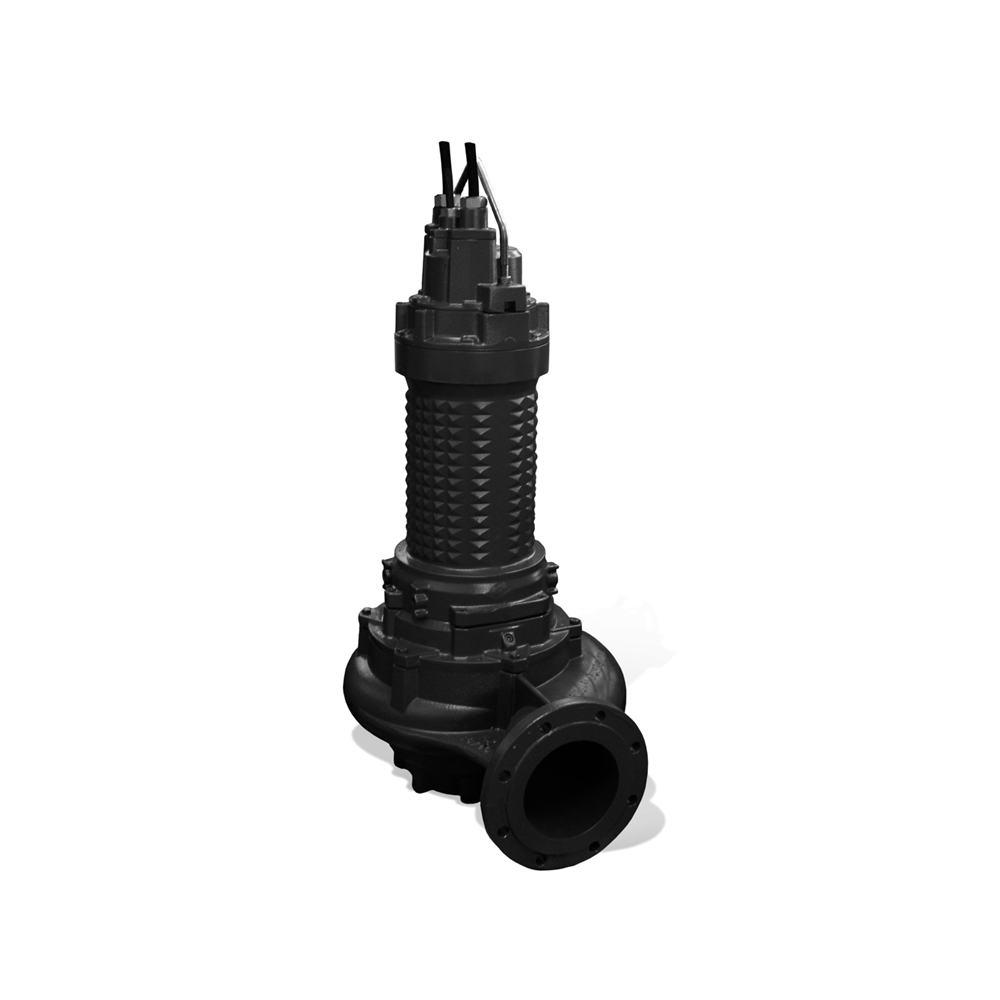
The Ebara DRD is a cast iron submersible wastewater pump with a two- or three-channel impeller, in 2, 4, 6 and 8 poles at 50 Hz. Specs and UK supply.
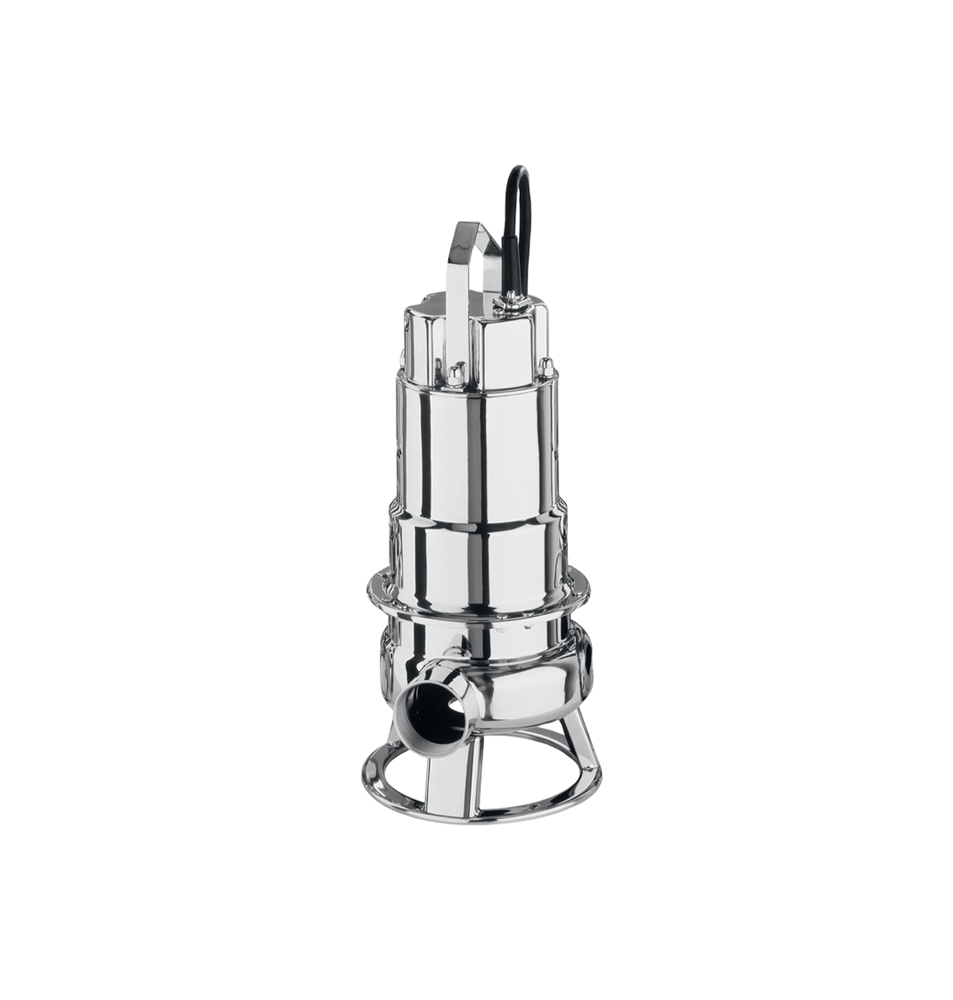
The Ebara DW is an AISI 304 submersible sewage pump passing 50 mm solids, to 54 m³/h and 20 m, with a single-channel or vortex impeller.
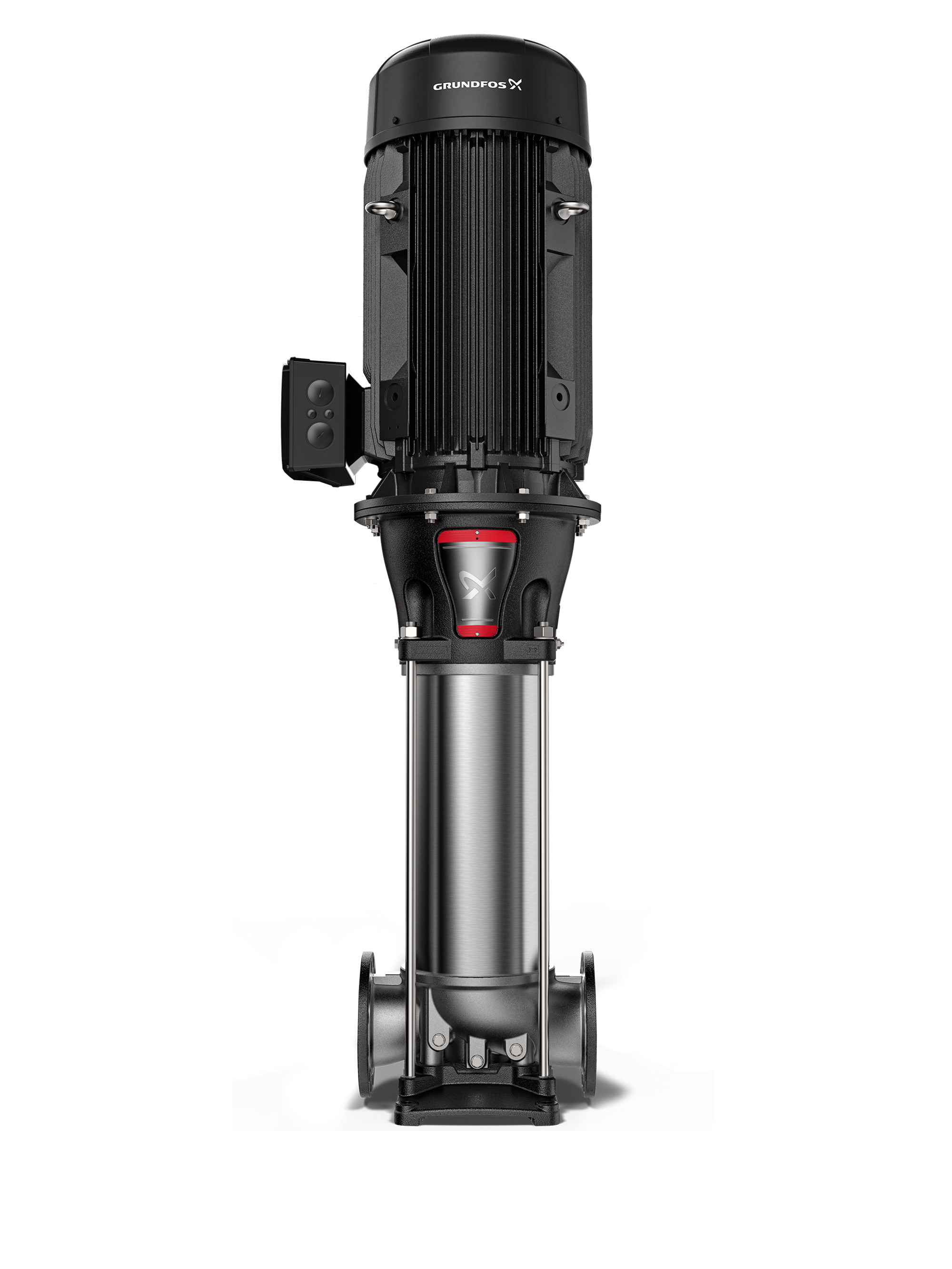
Inline vertical multistage centrifugal pump, cast iron and AISI 304 stainless, for non-corrosive liquids at high head.
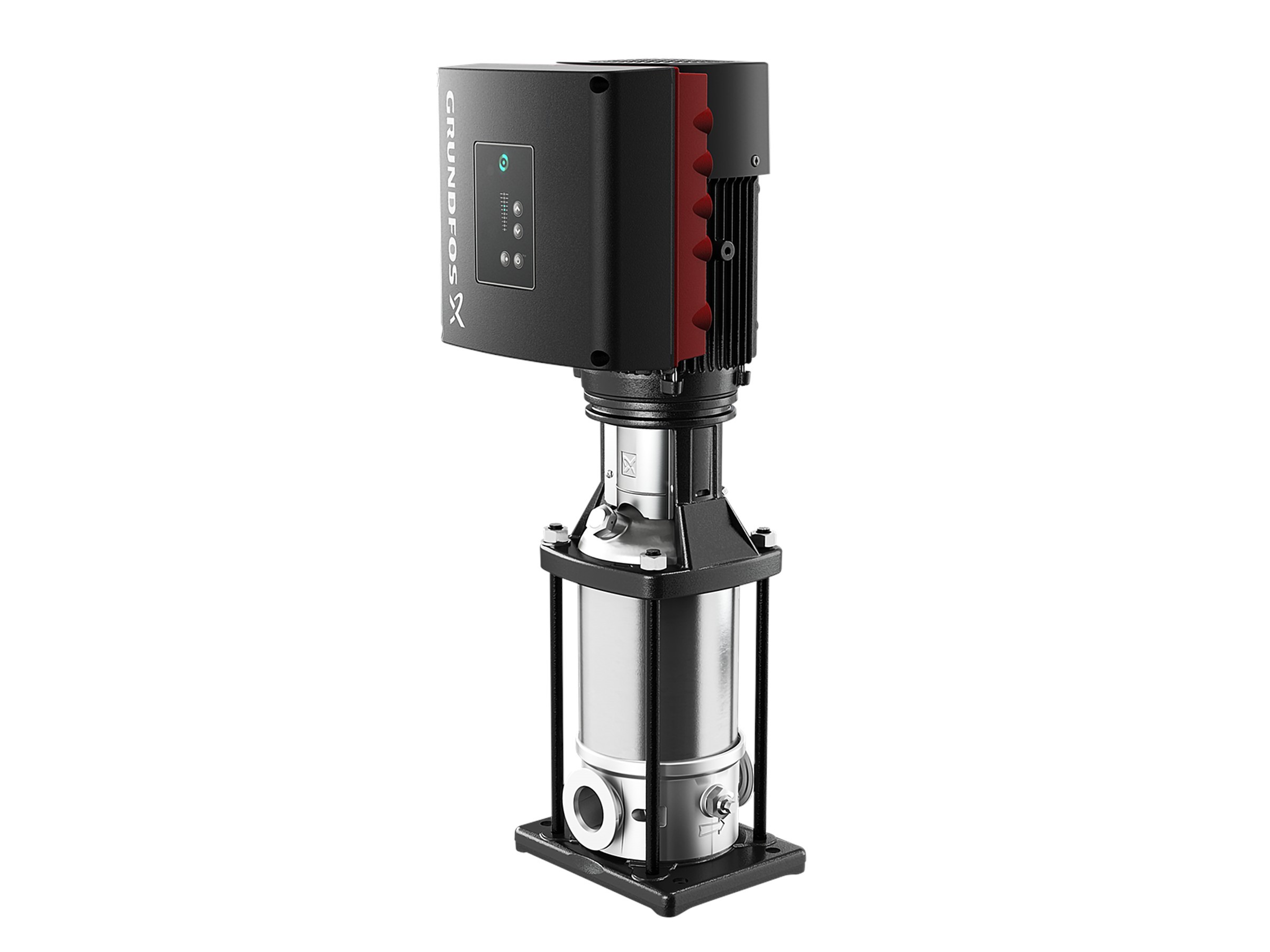
Vertical multistage pump with an MGE E-motor, so the speed control and the motor protection are inside the terminal box rather than in the panel.
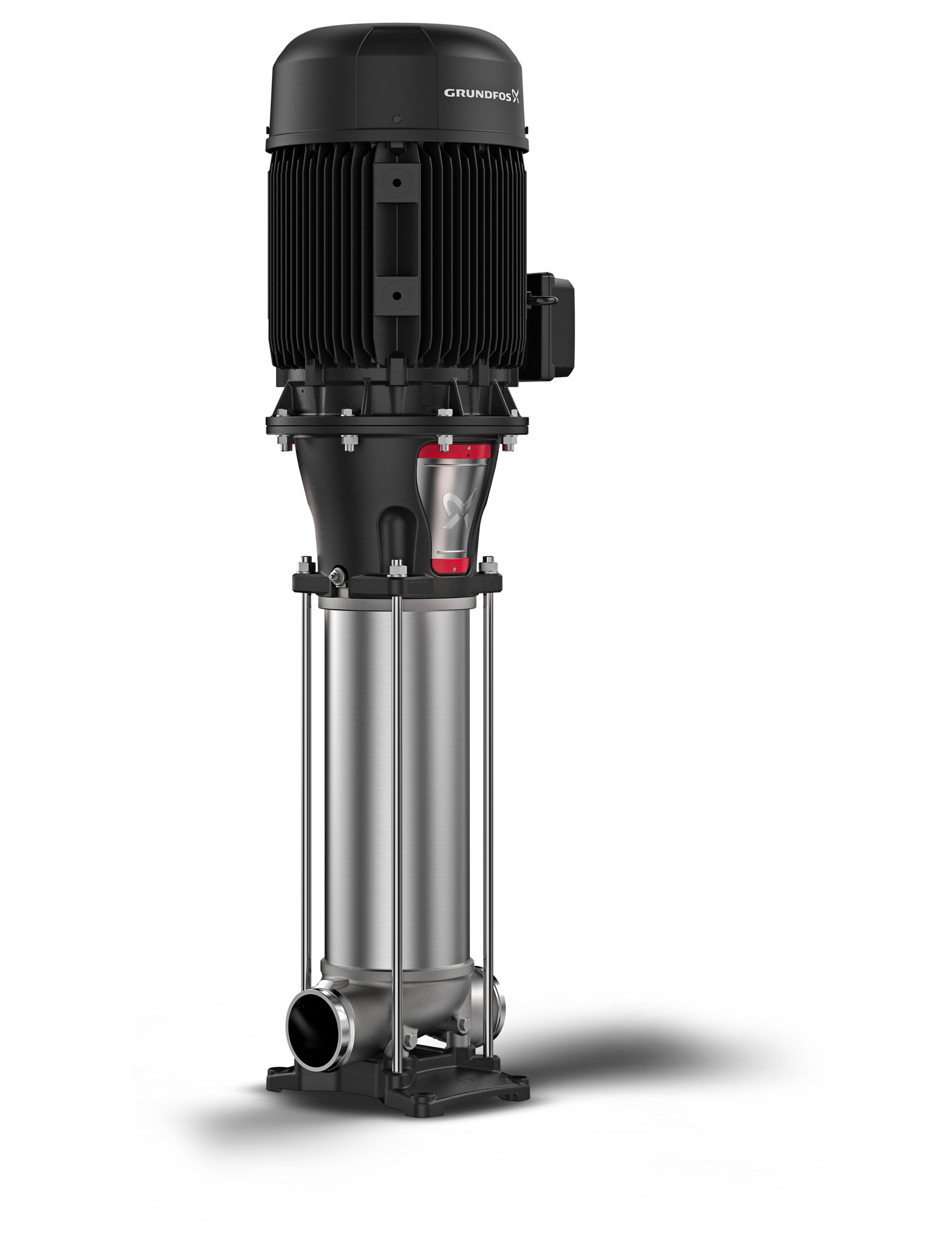
The full stainless build of the CR inline multistage pump, in AISI 316, for industrial liquids and treated water.
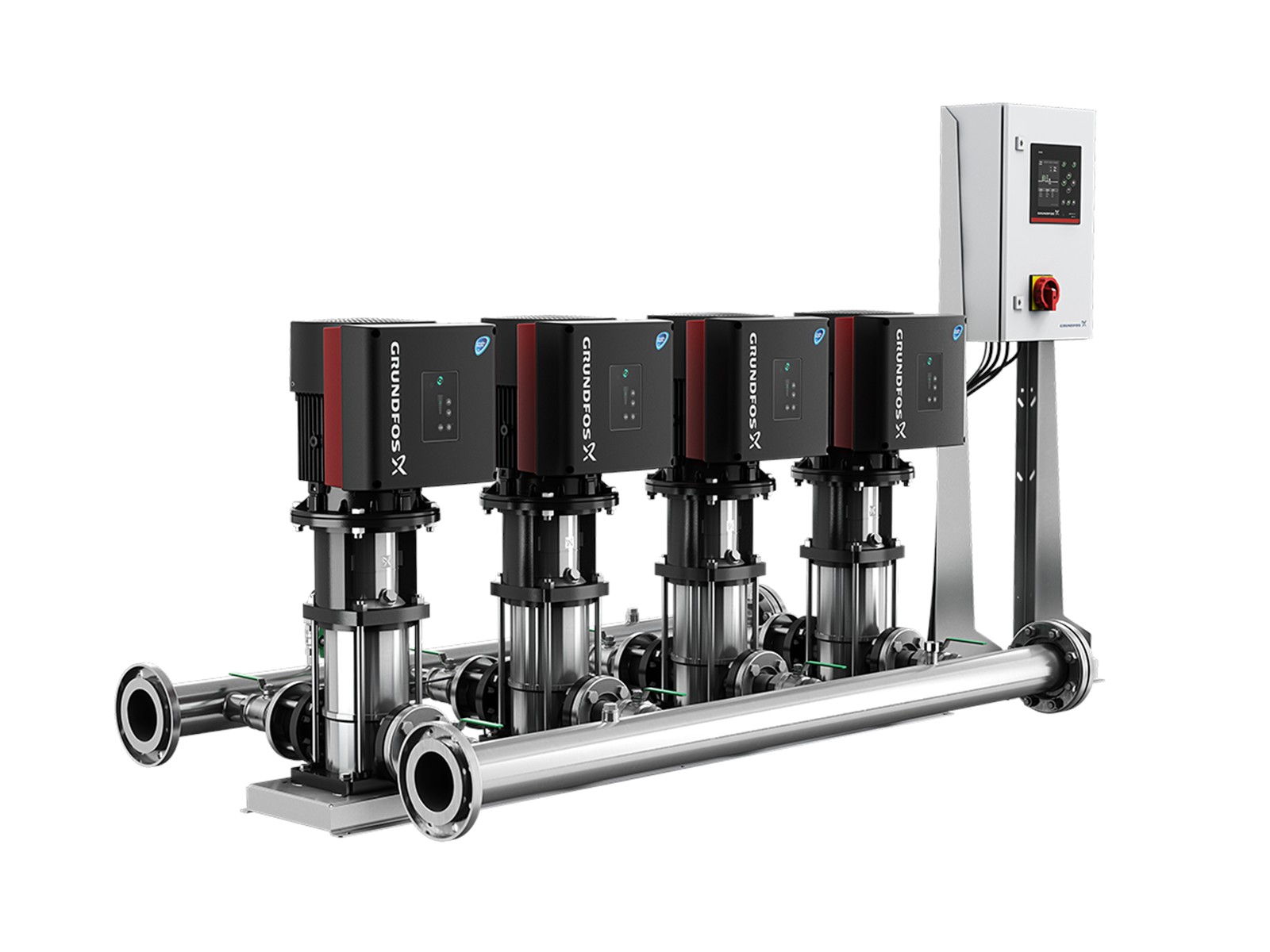
The Grundfos Hydro MPC is a packaged clean-water booster set: 2–6 stainless CR/CRE pumps and a CU 352 controller, flow to 725 m³/h, head to 145 m.
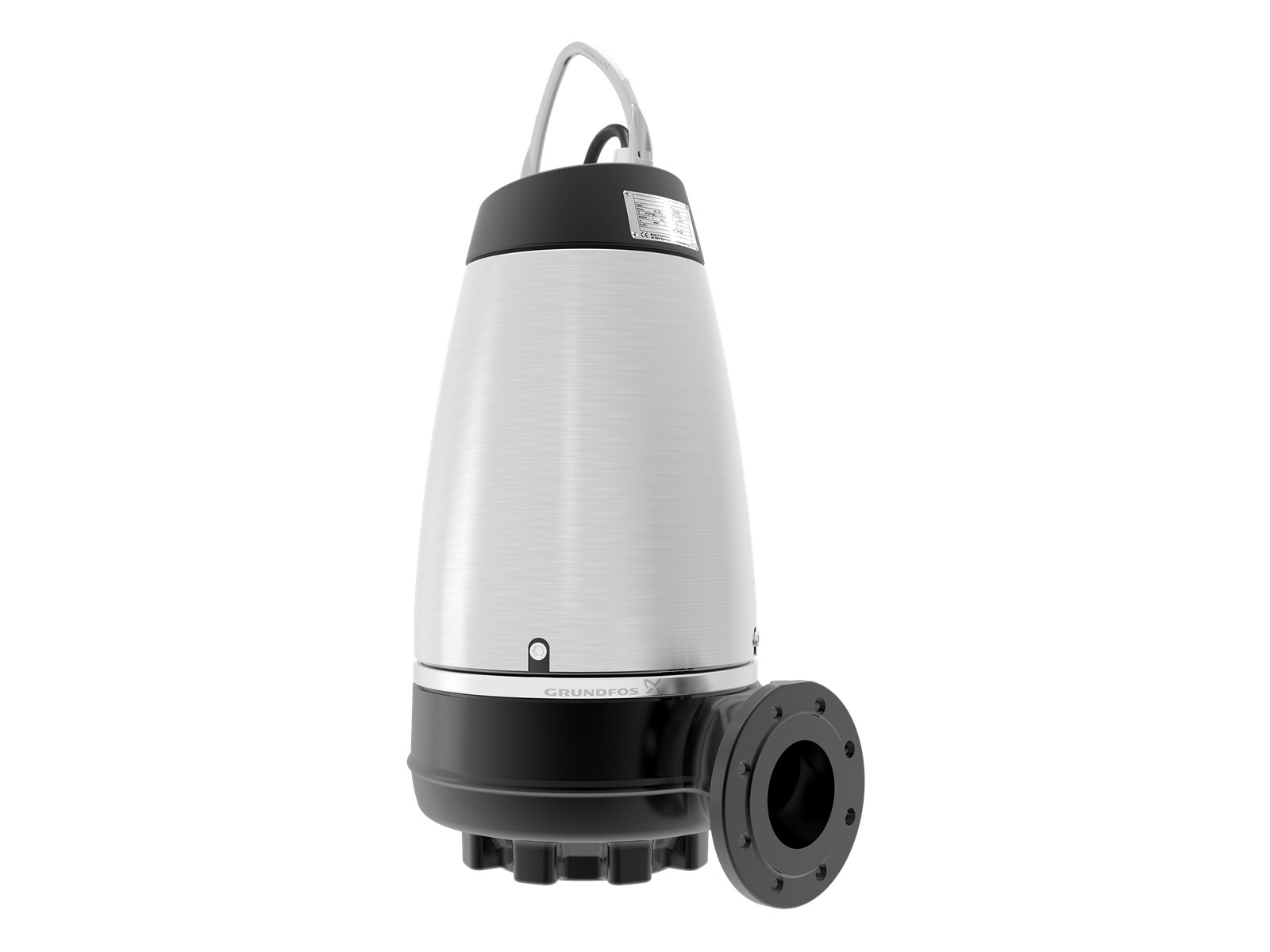
A sewage pump that works submerged or dry-installed, because a cooling jacket cools the motor instead of the surrounding liquid.
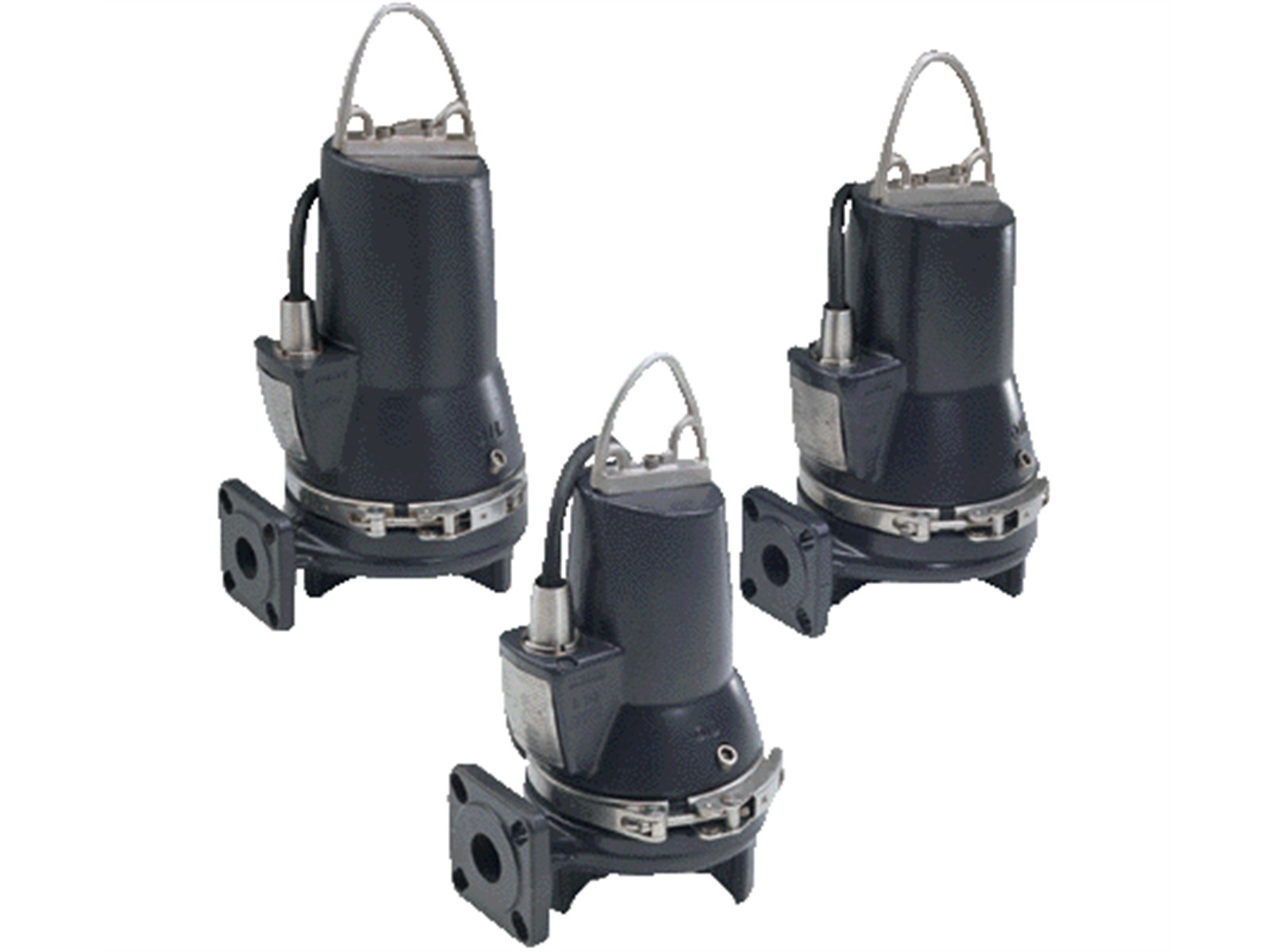
A submersible grinder pump that cuts sewage at the inlet, so a pressurised system can run on a small-bore rising main.
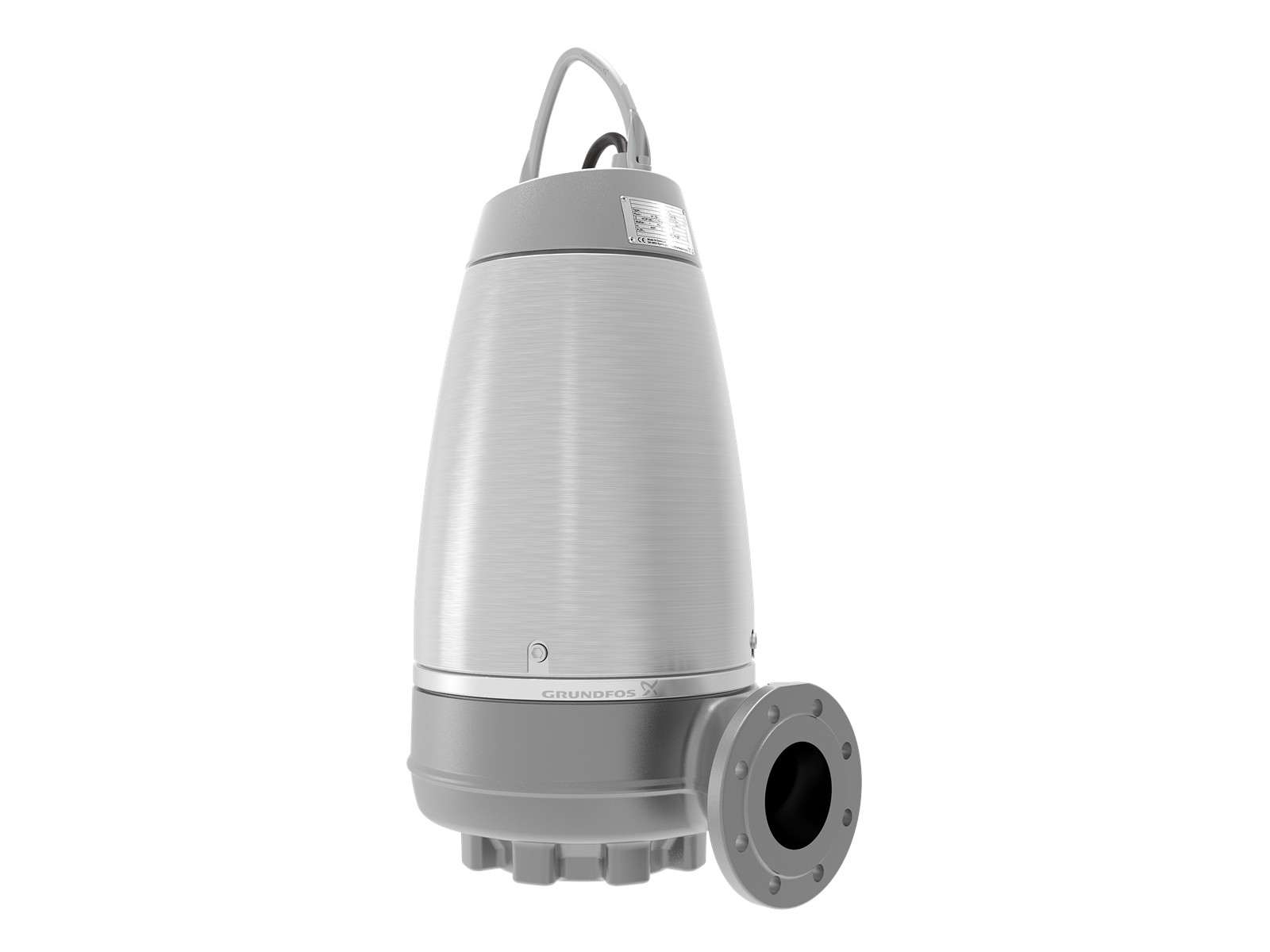
A submersible sewage pump with a free-flow impeller that passes solids up to 100 mm whole, wet- or dry-installed.
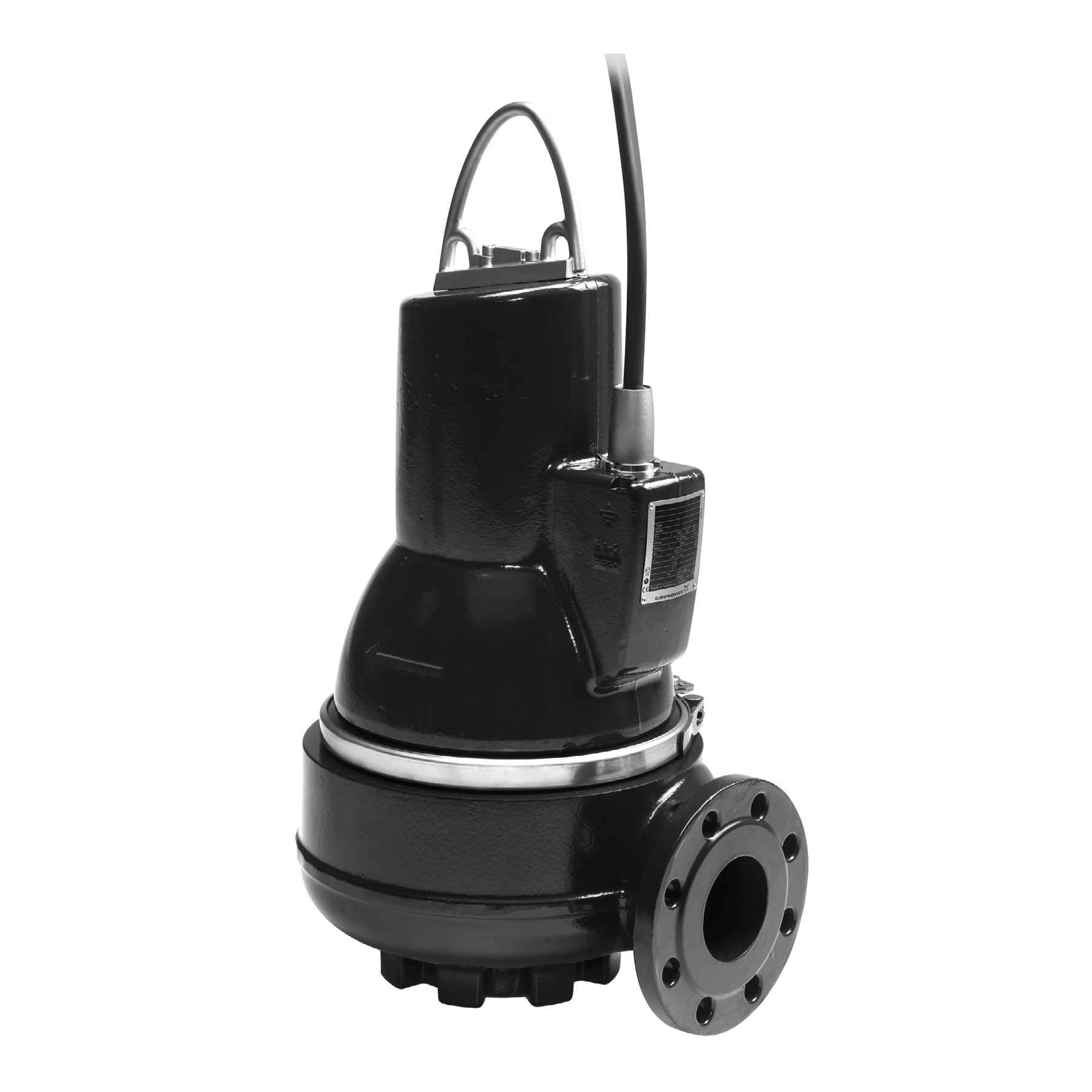
A wet-well sewage pump in two impeller builds, the SL1 with an S-tube impeller and the SLV with a SuperVortex free-flow impeller.
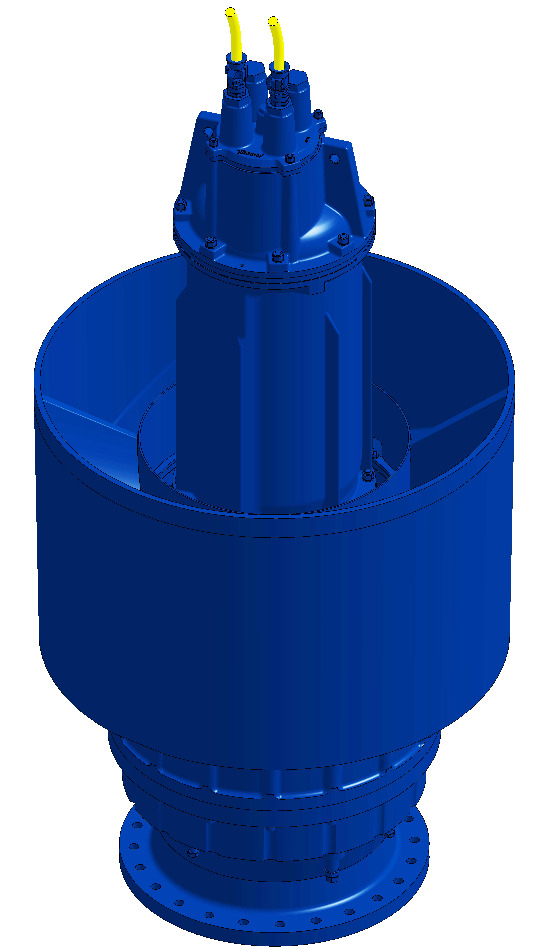
Hidrostal Axial Column Pump: 6–1500 l/s at discharge heads up to 20 m, screw centrifugal impeller, for land drainage and flood pumping stations.
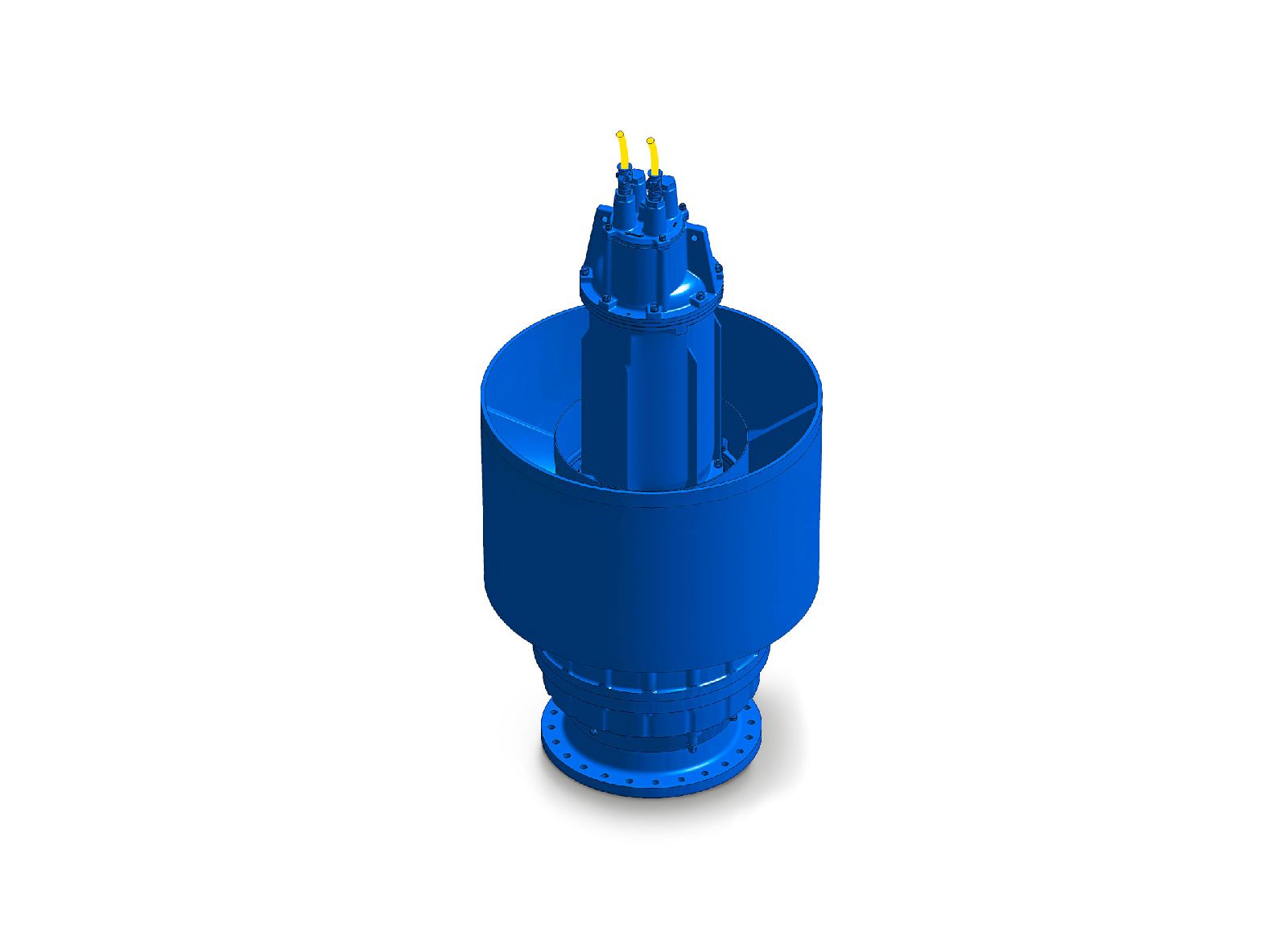
Hidrostal Axial Diffuser Pumps in two versions, the Axial Column Pump at 6–1500 l/s and up to 20 m, and the high-head Vertical Turbine Pump.
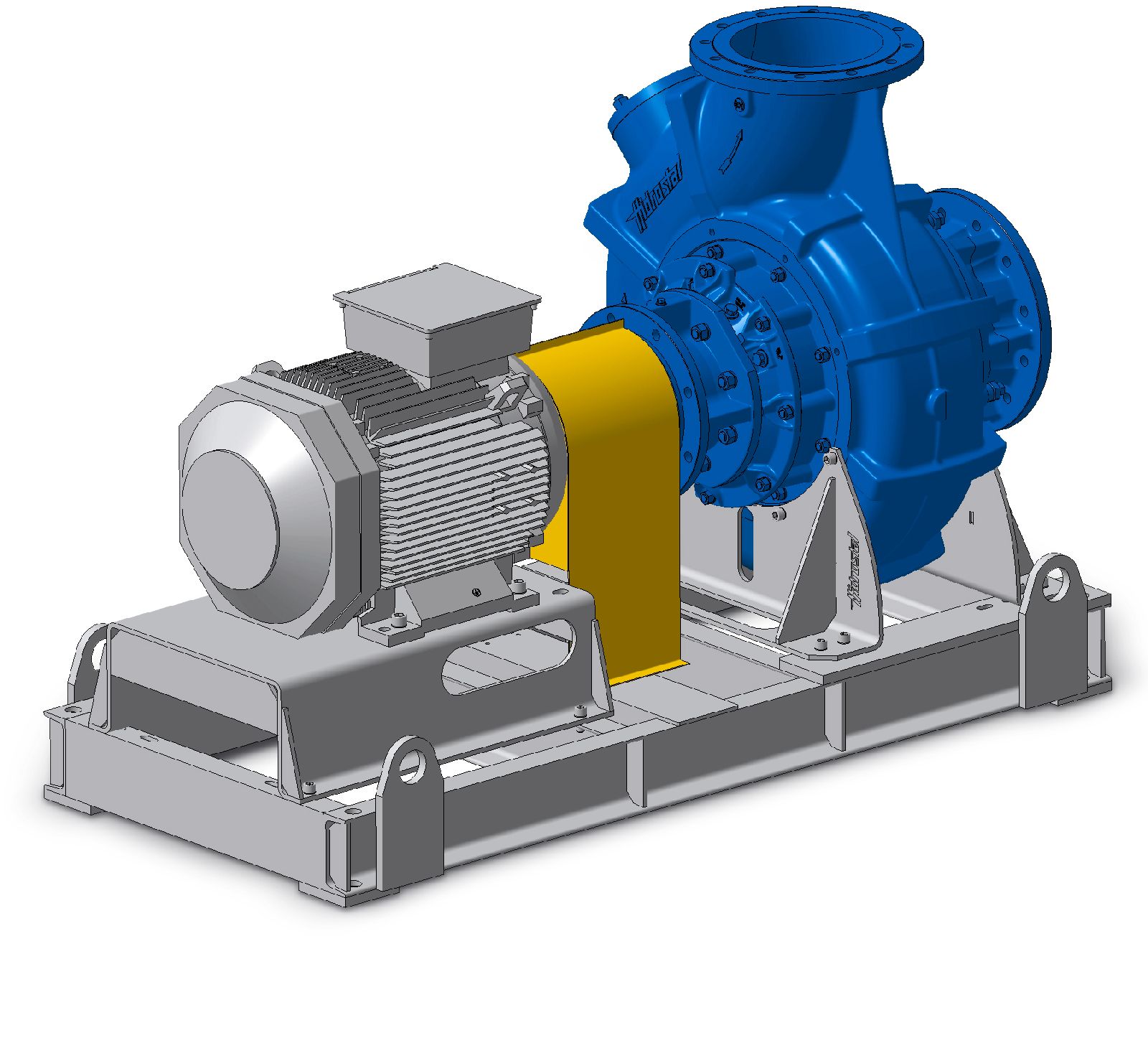
Hidrostal bearing frame pumps: dry-installed screw centrifugal end suction, 0.5–3000 l/s to 90 m, 32–700 mm, horizontal or vertical. Specs and selection.
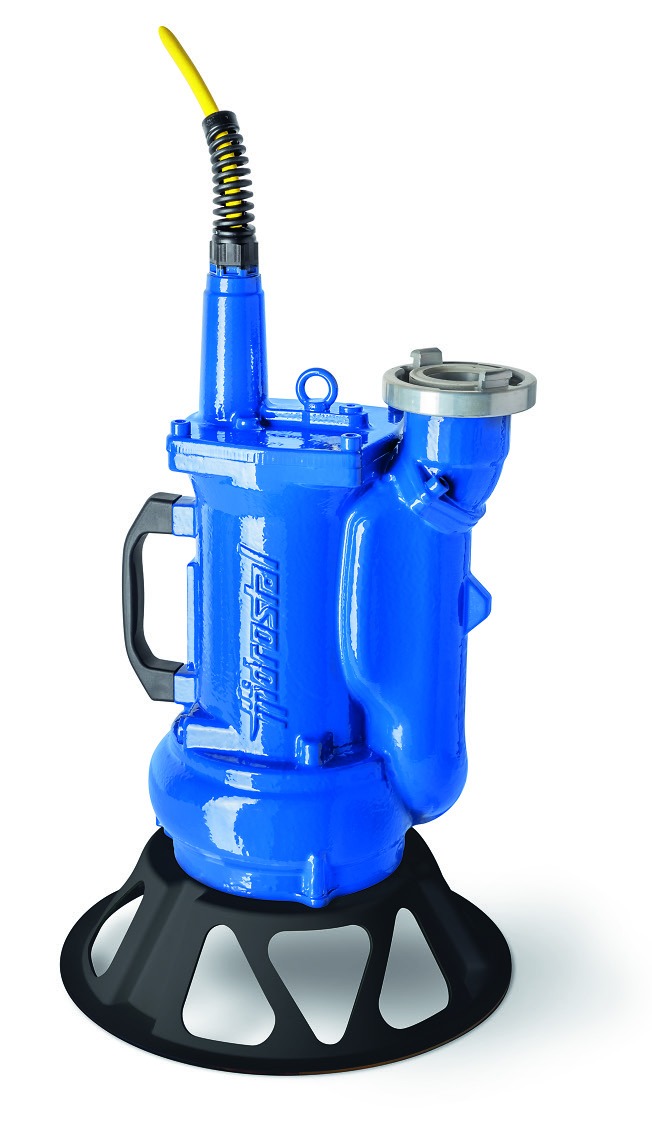
Hidrostal compact pumps: portable screw centrifugal field units, 0.8–24.6 l/s to 17.7 m, 50–75 mm free ball passage, from 23 kg. Specs and selection.
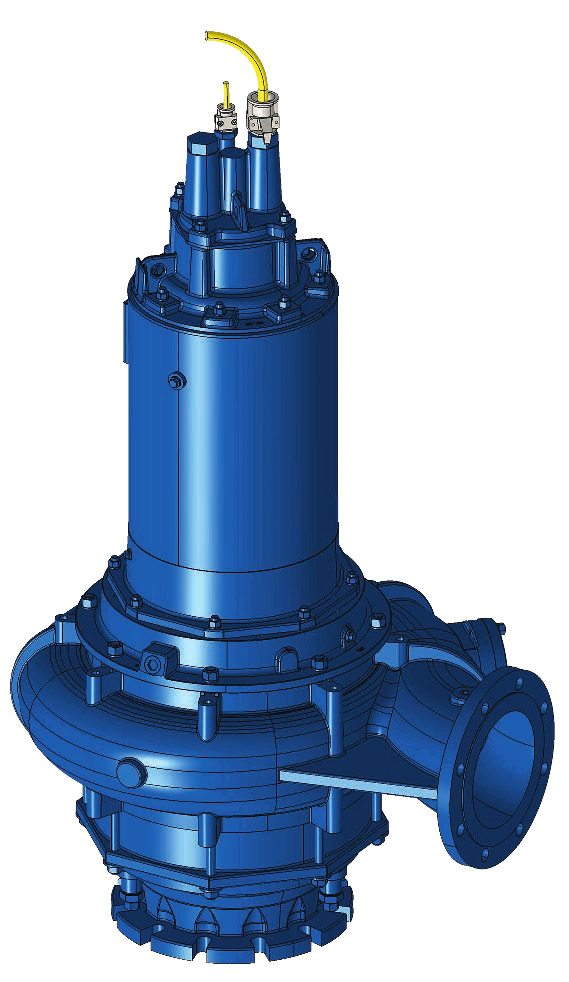
Hidrostal immersible pumps: 0.5–3000 l/s to 90 m head, closed-loop motor cooling so they run dry, part or fully submerged. Dry pit specs and selection.
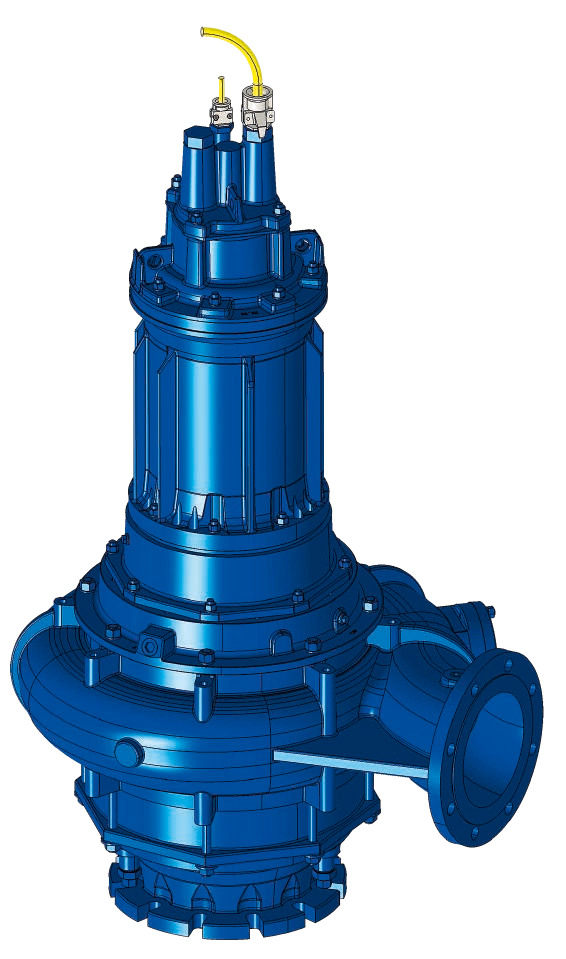
Hidrostal submersible pumps: up to 2500 l/s and 100 m head, screw centrifugal hydraulics, motor cooled by the liquid it sits in. Specs and selection.
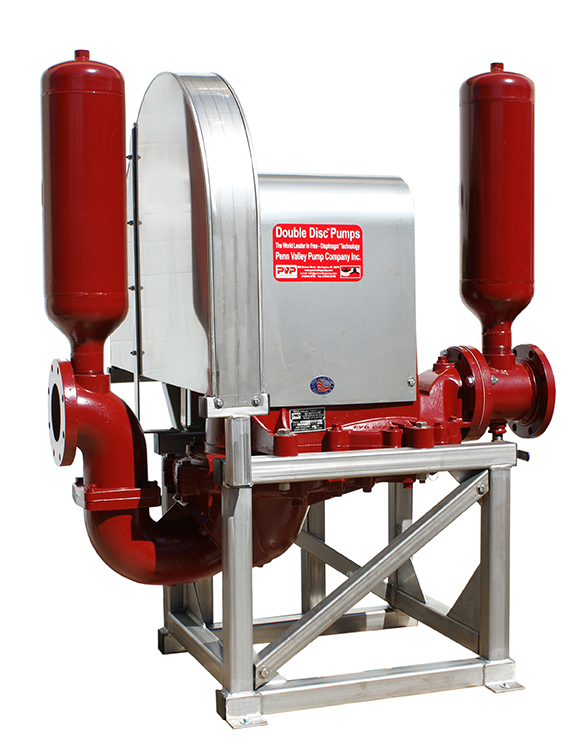
A seal-less reciprocating pump for sludge, slurry and rag-laden media, in seven sizes from 9 to 250 m³/h.
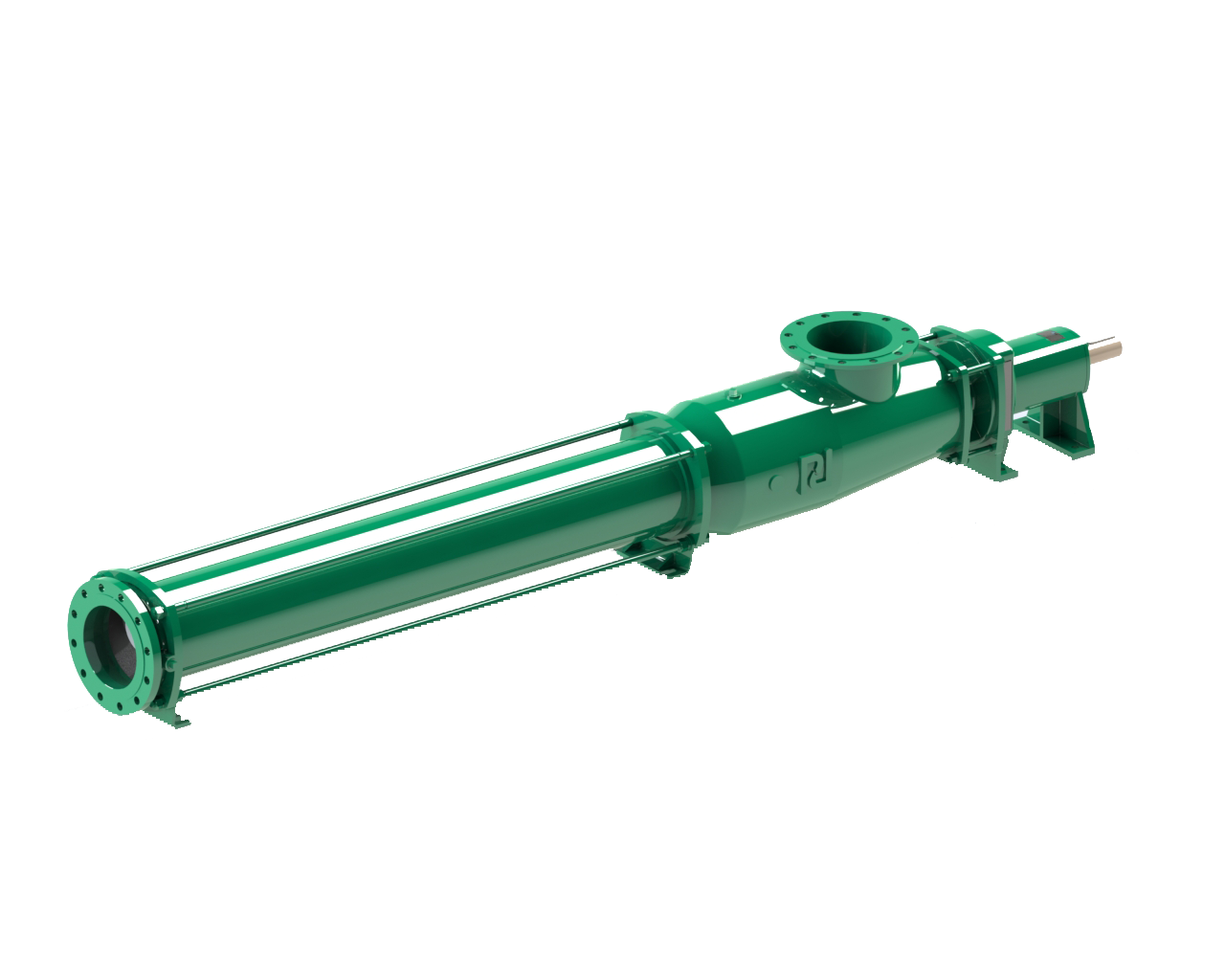
Roto's small-capacity progressive cavity range, for metered dosing and transfer of thick, solids-laden media.
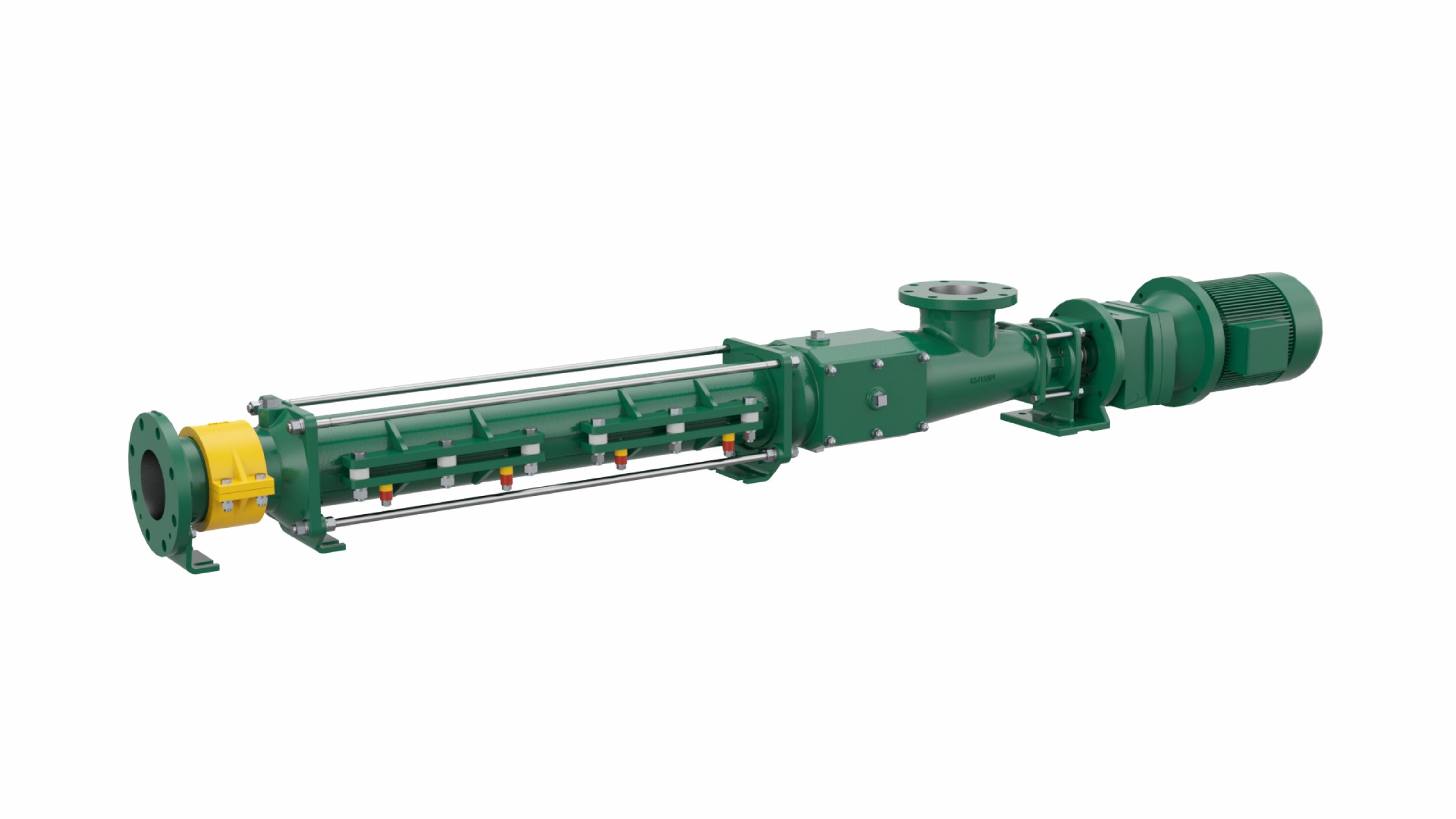
Roto's extra-large-capacity progressive cavity range, on extended geometry, built for volume at low pressure.
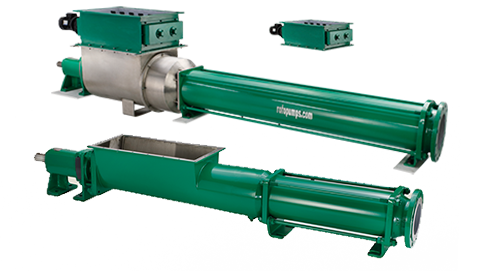
Roto's wide throat progressive cavity pump, with an auger on the coupling rod for media that will not feed themselves into a standard suction.
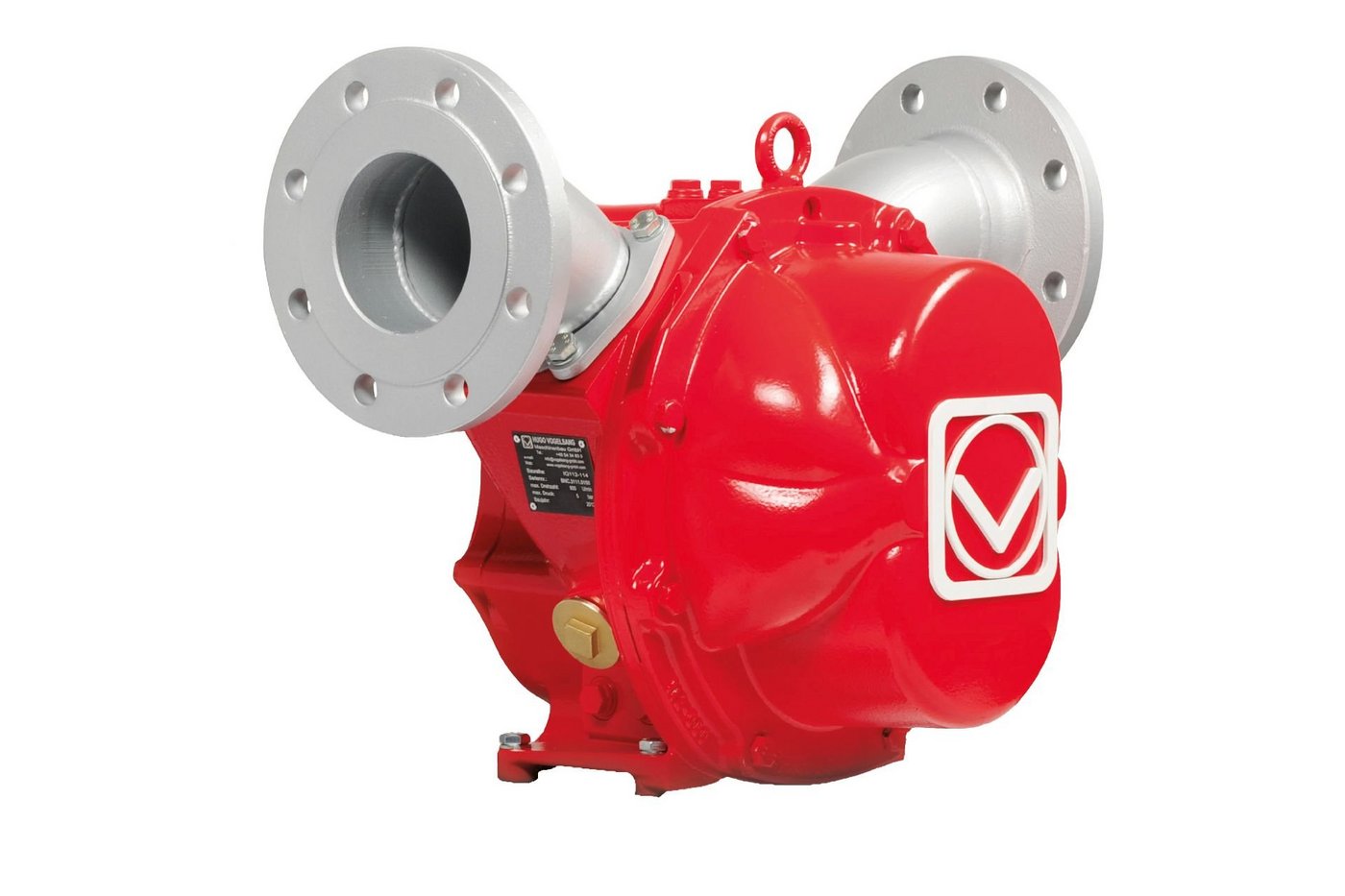
The Vogelsang IQ series rotary lobe pump in two models, IQ112 and IQ152, to 154 m³/h and 7 bar, with a one-piece housing that opens in the pipe.
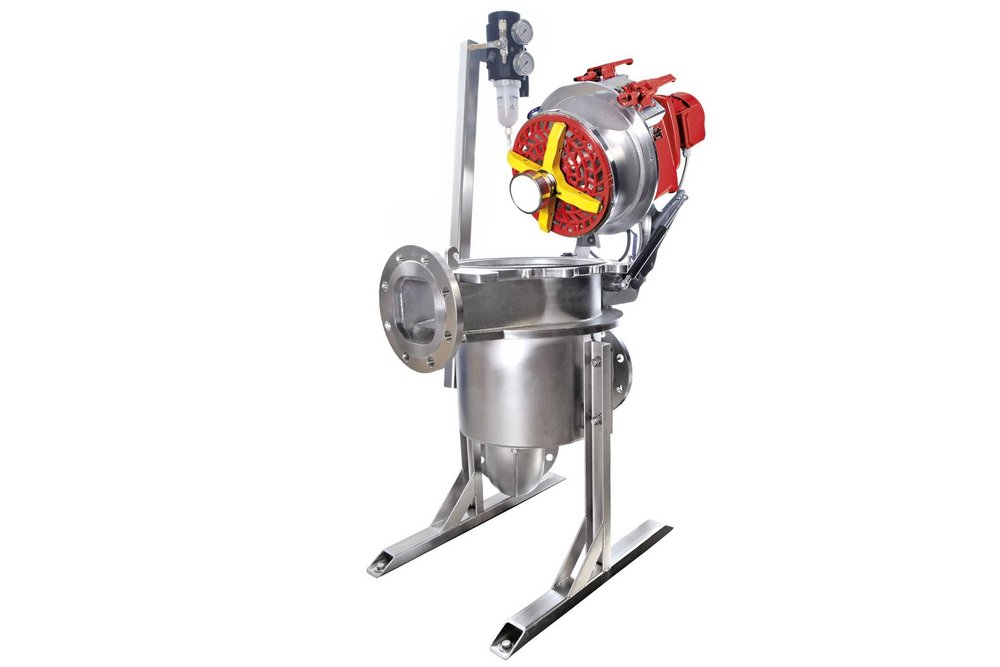
The Vogelsang RotaCut macerates fibre and coarse matter against a cutting screen and traps stones and metal upstream, protecting the pump behind it.
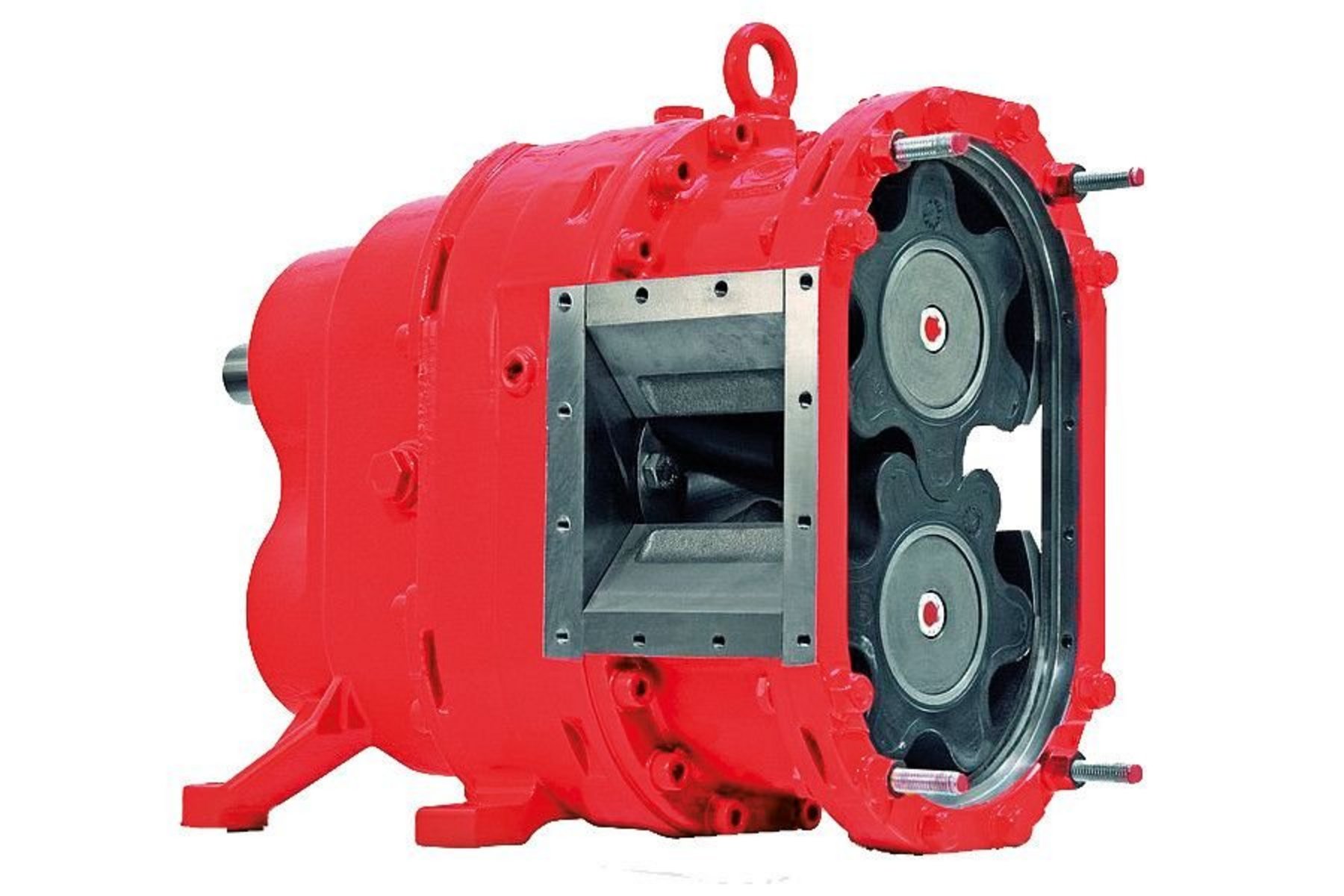
Flow, pressure and build options for every model in the Vogelsang VX series rotary lobe pump range, VX100 to VX230, and how to specify one for your duty.
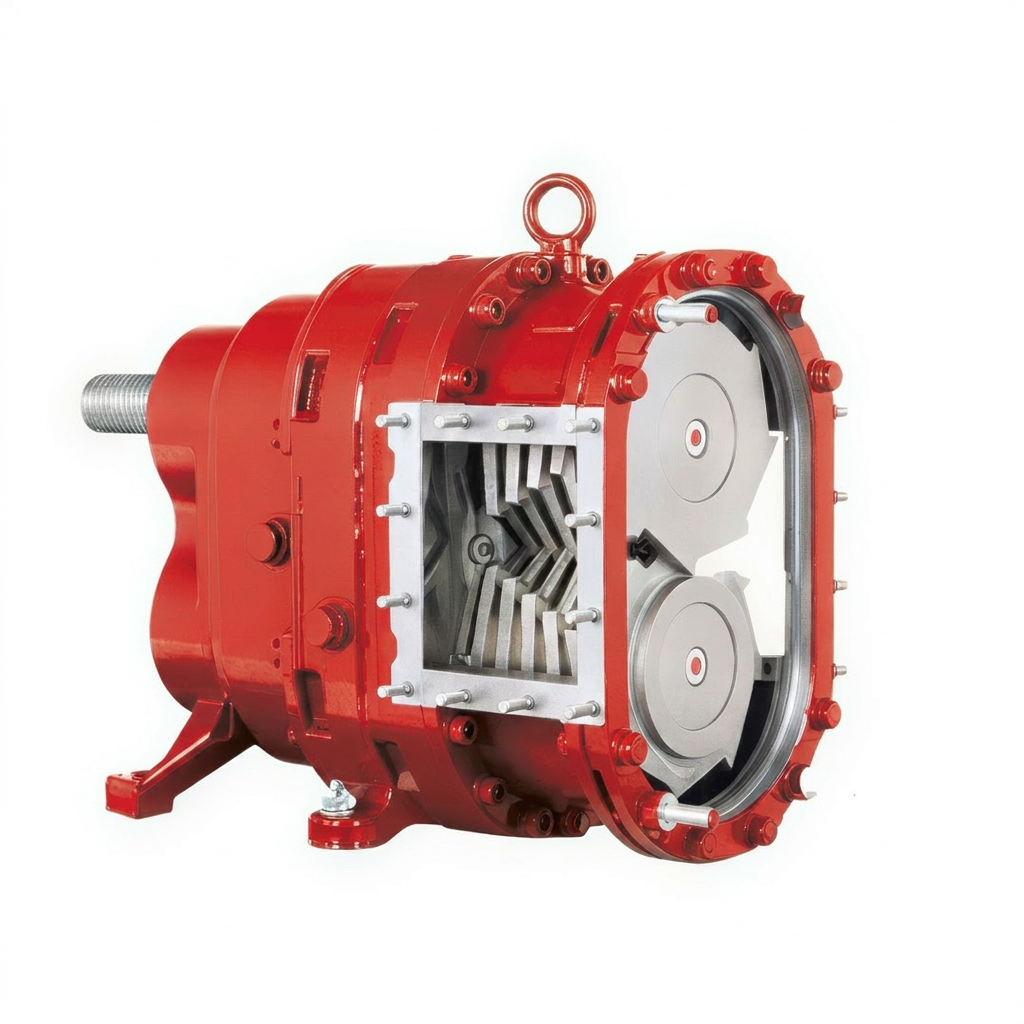
Vogelsang's twin-shaft wastewater grinder, in four series covering 50 to 7,164 m³/h, inline in a pipe or lowered into an open channel.
Standards, zones and materials
UK water company work is specified against WIMES, the Water Industry Mechanical and Electrical Specifications, which set out what the water companies expect from pumping plant and its electrical installation. If you are supplying into a framework, that is the document your build is measured against. Confirm which WIMES sections apply before you price anything, because they change what you have to fit as much as the duty does.
Where a wet well or a process can hold a flammable atmosphere from sewer gas, the area is classified into zones and the equipment has to carry the matching category under the ATEX Directive 2014/34/EU. A pump is not "Zone 1 rated". It is certified for use in Zone 1, and that certificate belongs to the manufacturer. Give us the zone classification and the medium and we will specify a build against it, then point you at the manufacturer's certification rather than assert it ourselves.
Materials follow the medium, not the sector. Cast iron with a coating suits most raw sewage. Gritty duties want hardened or replaceable wear parts, because what you are buying there is wear life, not corrosion resistance. Stainless steel earns its cost on corrosive or clean-water duties, and on a straightforward sewage duty you are paying for something the medium will never test.
Frequently asked
What pumps are used in wastewater treatment?
Submersible solids-handling pumps take raw sewage and storm flows, progressing cavity and rotary lobe pumps take sludge, and centrifugal pumps take treated water and final effluent. The medium and its solids pick the type at each stage. Above roughly 3–4% solids, move off centrifugal and onto positive displacement.
How do wastewater pumps handle solids and rag?
Either the pump passes the solids or something upstream cuts them. A solids-handling or vortex impeller with a large free passage lets rag and soft solids through. An inline macerator shreds rag before it reaches the pumps and the digesters. Fitting a bigger pump of the same type does not solve ragging.
What causes a wastewater pump to fail?
Three causes account for most of it. Rag and fibre bind up the wet end. Grit that has got past the grit removal abrades the pump and wear follows. Dry running takes the mechanical seal on a lobe or centrifugal pump, and burns the stator on a progressing cavity pump. A shut valve nobody remembered does the same as dry running.
Do wastewater pumps need to be ATEX rated?
Only where the area is classified. If a wet well or process can hold a flammable atmosphere from sewer gas, the zone classification decides the equipment category the pump and motor must carry under the ATEX Directive 2014/34/EU. The certification is the manufacturer's, so ask for it rather than inferring it from the range.
Why do wastewater pumps end up oversized?
Margin stacking. The site states a flow, the consultant adds margin for future duty, the contractor adds margin, and the installer adds a bit more. Nobody is careless and the pump is far too big. It costs power for the life of the installation, and a centrifugal run off the end of its curve cavitates.