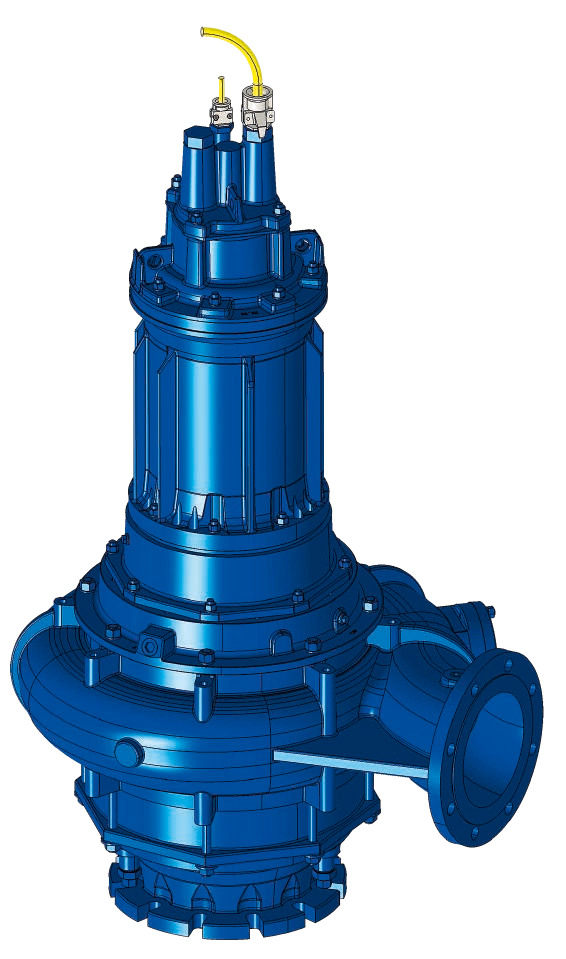
Key features
Hidrostal calls it a single screw centrifugal impeller. It passes large amounts of solids and fibrous material rather than binding on them, which is the whole reason the range exists.
Heat from electrical and mechanical losses goes out through the stator housing into the liquid the pump sits in. Hidrostal states this keeps the thermal load on the motor down and minimises surface temperature.
Hidrostal attributes the low NPSHr to the suction area upstream of the impeller and the design of the blade's inlet edge.
On a permanent installation the pump lifts out on the rails and re-seats on the discharge bend, so inspection does not mean draining the wet well and breaking pipework.
The clearance at the impeller inlet can be reset as the wet end wears, instead of the whole pump losing duty to grit.
Cast iron, ductile iron, Hi-Chrome, stainless steel and Duplex, chosen against what the water actually carries.
About Hidrostal submersible pumps
The Hidrostal submersible is a wet well pump. It goes into the sump, the liquid closes over it, and the medium the pump is moving is also the medium taking heat out of the motor. Hidrostal states it plainly: the robust motor is cooled by the liquid in which it is submerged during continuous operation. Get that one fact right and most of the selection follows from it.
The duty it is built for is general effluent and process fluid carrying large amounts of solids and fibrous material. Hidrostal also names viscous liquids and media that need gentle handling, which is the screw centrifugal impeller doing what it was invented to do. Municipal wastewater, stormwater, industrial process water and sludge transfer all sit inside that description.
Where it is the wrong pump
If the sump draws down below the motor in normal operation, or the station is designed to run dry-pit, this is not the range. Hidrostal allows short-term dry running for cleaning and maintenance work only, and only within the maximum operating times it specifies. Anything else wants the immersible range, which carries its own closed cooling circuit and does not depend on the liquid level at all.
The other honest limit is the head. 100 m is the top of the range, and the pumps that reach it are not the pumps that reach 2500 l/s. Send the duty point, not the ends of the range.
What we see go wrong on wastewater stations is rarely the pump. It is rag arriving faster than anything downstream can handle, grit getting past a screening stage that is not doing its job, and a sump geometry nobody checked. A better pump does not fix any of those. Tell us what the water carries and how the sump fills, and we will say which of the three you are actually dealing with before we quote anything.
How Hidrostal submersible pumps work
A Hidrostal submersible pump is a compact integrated unit, with the motor mounted directly above the wet end, so there are no exposed rotating shafts or couplings in the sump. Liquid enters through the suction, is picked up by the screw centrifugal impeller and driven out through the volute to a side discharge. Hidrostal's hydraulics brochure attributes the low required suction pressure to the suction area upstream of the impeller and to the design of the blade's inlet edge, and describes the head curves as continuous and steep. A steep curve is what you want on a variable-speed drainage duty, because flow holds up as the discharge level rises.
Cooling
Hidrostal builds its submersible motors for wet installation, permanently and completely immersed in service. Heat generated by electrical and mechanical losses transfers directly to the surrounding medium through the stator housing. The finned back cover acts as a heat exchanger. Hidrostal's own claim for this arrangement is that the efficient cooling reduces the thermal load on the motor and minimises surface temperature. If the sump has to be emptied for cleaning or maintenance, Hidrostal permits short-term operation in dry condition provided the maximum operating times are observed.
Sealing and monitoring
Tandem mechanical seals separate the pumped medium from the motor, and Hidrostal manufactures the seals itself. The motor is a high efficiency dry motor with class F insulation and built-in thermal sensors. An upper bearing temperature probe is optional, and Hidrostal lists a range of further monitoring and safety options. The cable entry gland is a high strength, leak-proof design with a separate cable cap, so a new cable can be fitted without disturbing the motor cover or the bearing.
Wear parts
The wet end carries a replaceable liner with optional external adjustment, set by external regulating nuts. An adjustable entry cone is available for abrasive process fluid. Hidrostal offers cast iron, ductile iron, Hi-Chrome, stainless steel and Duplex, and for extremely corrosive and abrasive media its own special alloys. An inspection port lets you look at the wet end without stripping the pump.
Hazardous areas
Hidrostal supplies explosion-proof versions of its submersible motors as an option. Those motors are certified for use in Ex zones 1 and 2, type of protection flameproof enclosure, temperature classes T3 or T4, to the requirements of ATEX and FM. Electric motors are prohibited in Zone 0; for those duties Hidrostal offers hydraulically driven pumps instead. Certification applies to a specific build, so send us the zone classification for the station and we will get the certificate for the exact pump and motor from Hidrostal before anything is ordered. Hidrostal does not offer explosion-proof versions of its flywheel motors, so if you were planning a flywheel to hold up the run-down time in a hazardous area, that combination is not available.
Specifications
| Flow rate | up to 2500 l/s | |
|---|---|---|
| Head | up to 100 m | |
| Discharge size | 50–700 mm | |
| Motor rated power | 0.55–400 kW | |
| Supply frequency | 50 Hz, 60 Hz, or frequency converter | |
| Impeller | Hidrostal screw centrifugal impeller | |
| Installation | Vertical, submerged in the sump | guide rail mounting with automatic coupling for permanent installations |
| Motor cooling | By the surrounding medium, via the stator housing | finned back cover acts as a heat exchanger |
| Motor duty | Continuous operation (S1) at 40°C ambient | |
| Motor enclosure | IP68 | |
| Submersion depth | 30 m | |
| Motor insulation | Class F, with built-in thermal sensors | |
| Shaft seal | Tandem mechanical seals, manufactured by Hidrostal | |
| Wetted materials | Cast iron, ductile iron, Hi-Chrome, stainless steel, Duplex | |
| Wear parts | Replaceable liner with optional external adjustment; adjustable entry cone | |
| Hazardous area | Explosion-proof motors certified for Ex zones 1 and 2, T3 or T4, flameproof enclosure | optional; ATEX and FM; certification is per build |
Send us the flow rate, the static and discharge levels, the sump geometry and what the water carries. We will size a Hidrostal submersible against the duty point and tell you if the immersible range or a different pump type fits your station better.
Documents & downloads
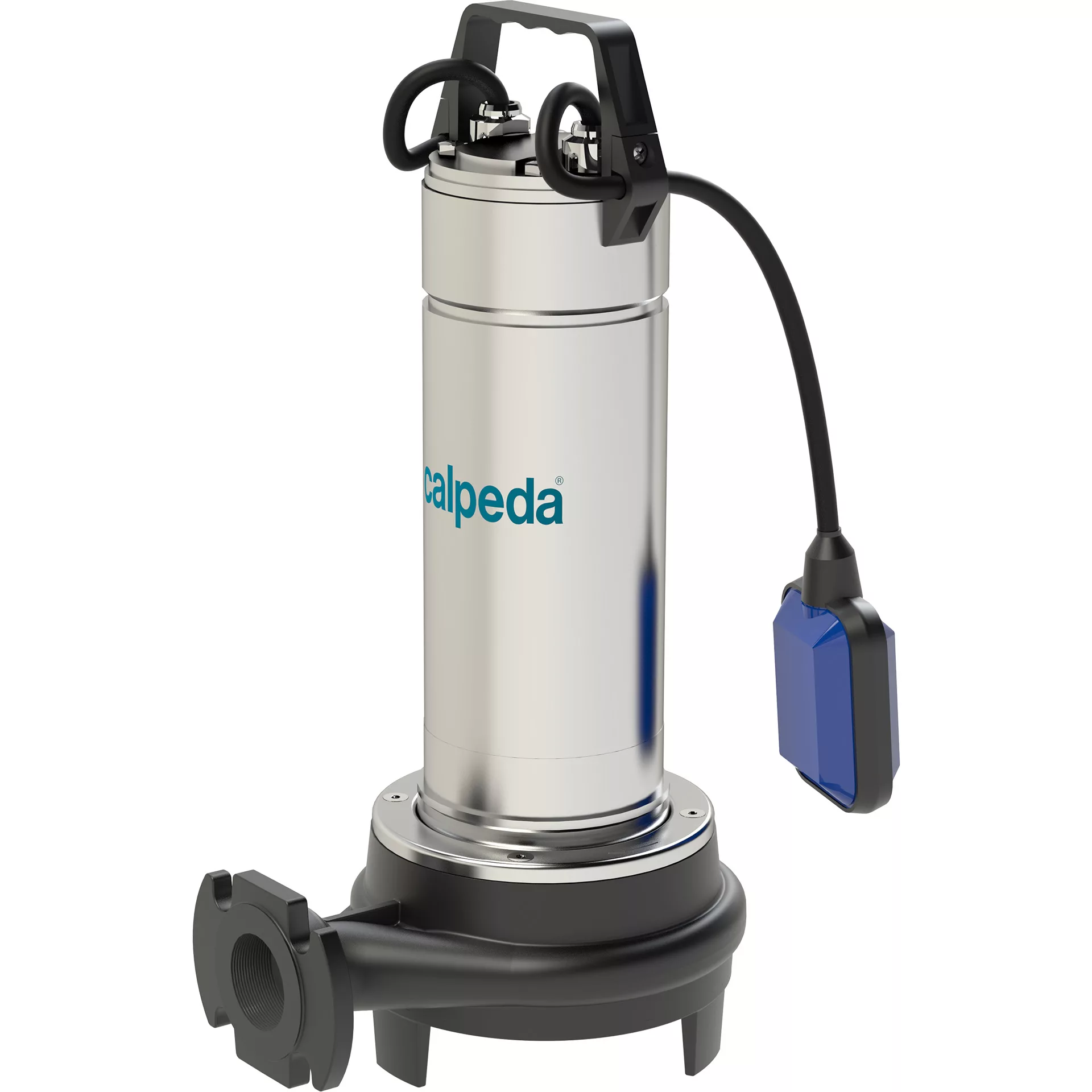
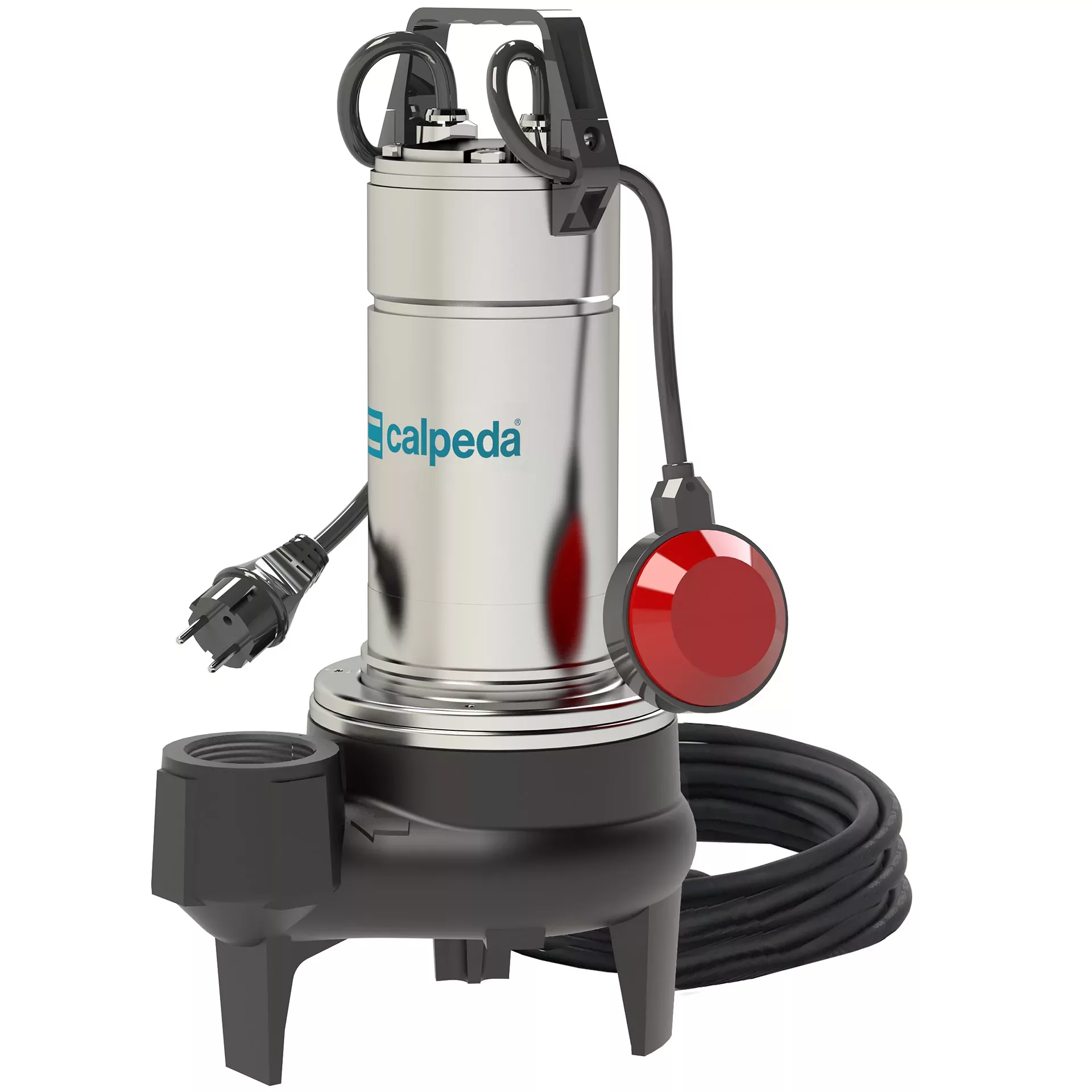
Related pumps
View all →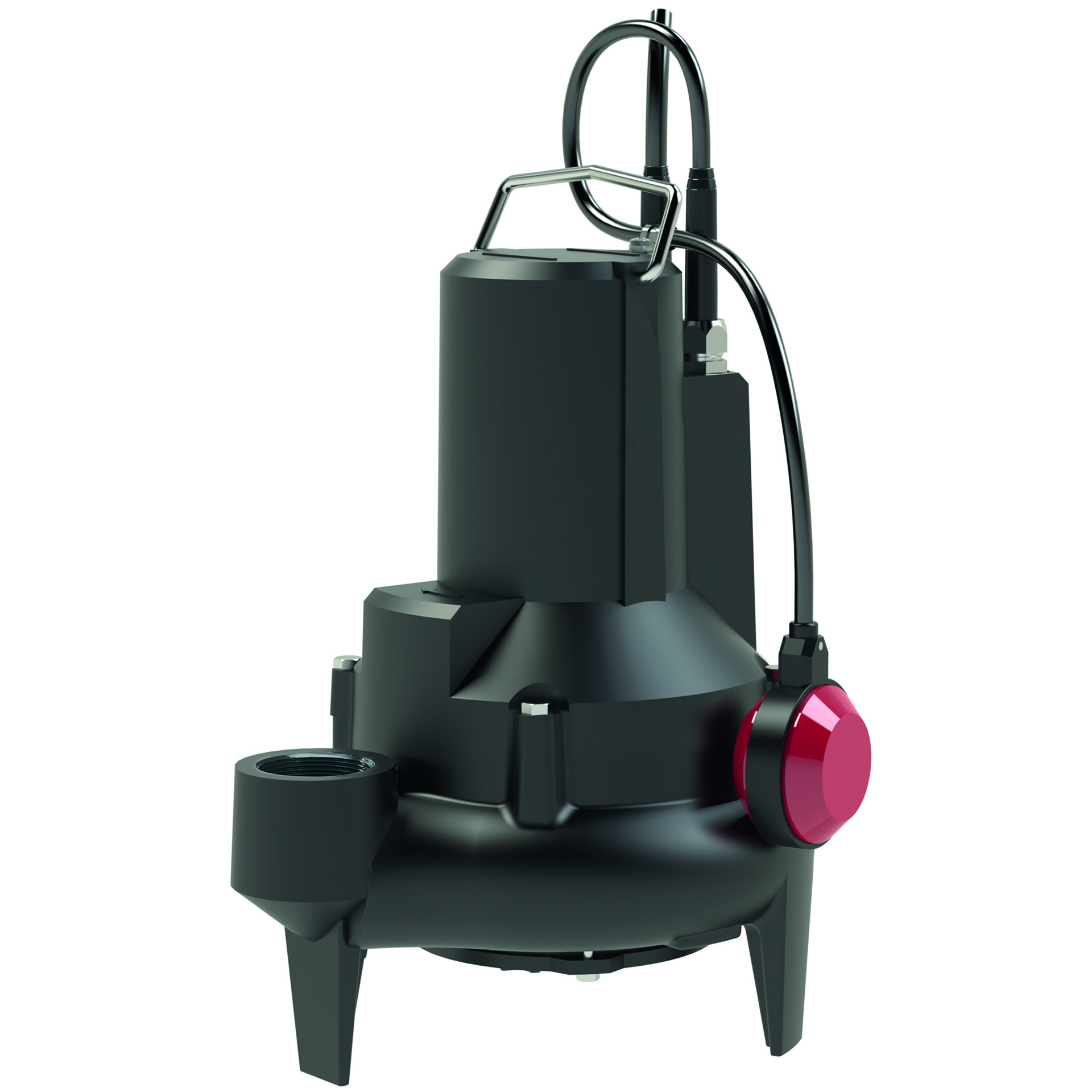
Frequently asked
What flow and head do Hidrostal submersible pumps cover?
Up to 2500 l/s and up to 100 m of head, on discharge sizes from 50 mm to 700 mm, with motors from 0.55 kW to 400 kW. No single pump does both ends of that range, so the duty point decides the size.
What is the difference between a Hidrostal submersible and a Hidrostal immersible pump?
Cooling. The submersible motor is cooled by the liquid it is submerged in, so the pump has to stay wet; the immersible motor runs its own closed cooling circuit, so it works dry, partly submerged or fully submerged. If the level in your sump varies, or the station is dry-pit, you want the immersible range.
Can a Hidrostal submersible pump run dry?
Only briefly. Hidrostal permits short-term operation in dry condition when the sump has to be emptied for cleaning or maintenance, provided the maximum operating times it specifies are observed. A sump that draws down below the motor as part of normal operation is an immersible duty, not a submersible one.
Will it handle rag and fibrous material?
That is what the screw centrifugal impeller is for. Hidrostal specifies these pumps for general effluent and process fluid containing large amounts of solids and fibrous material, and its impeller range includes a line intended for fibres that tend to become entangled, such as textiles and wet wipes.
Can Hidrostal submersible pumps be used in a hazardous area?
Explosion-proof motors are an option, certified by Hidrostal for Ex zones 1 and 2, type of protection flameproof enclosure, temperature classes T3 or T4, to ATEX and FM requirements. Electric motors are prohibited in Zone 0, so send us the zone classification and we will get the certificate for the exact build from Hidrostal.
What materials are available for abrasive or corrosive water?
Cast iron, ductile iron, Hi-Chrome, stainless steel and Duplex, and Hidrostal special alloys for extremely corrosive and abrasive media. For grit, the adjustable entry cone matters as much as the material, because it lets you reset the inlet clearance as the wet end wears.
How is the pump installed and removed?
Vertically, in the sump. For permanent installations Hidrostal supplies a guide rail mounting arrangement with automatic coupling, so the pump lifts out and re-seats on the discharge bend without breaking pipework.