What farm duties do to a pump
Farm pumping splits into three duties, and each one breaks a pump in a different way.
Irrigation and water transfer
Irrigation is a suction problem before it is a pump problem. A pump sat on the bank drawing from a river, a lagoon or a ring main has a suction lift, a strainer and often a long run of lay-flat hose before the reel. NPSHa has to exceed NPSHr at the duty point. When the water level drops through a dry summer and it no longer does, you cavitate. The impeller pits, the seal goes, and the pump carries the blame for a level that changed underneath it.
Abstraction is seasonal, and that is the part that bites at selection. Design against the worst case rather than the July average: lowest water level, longest run, most bends, dirtiest strainer.
Slurry, digestate and separated solids
Cattle slurry is not a liquid. It carries stones, sand, hoof trimmings, silage and baler twine, and its viscosity moves with dry matter, temperature and how long it has sat. Twine and fibre wrap a centrifugal impeller the way rag does on a sewage works. Sand and grit abrade the wet end, and that wear shows up as lost flow long before anything fails outright.
Dry running is the third one, and on a farm it is usually a valve somebody shut and forgot. A mechanical seal needs liquid to lubricate it. Take the liquid away and the seal goes.
Washdown, dirty water and yard runoff
Parlour washings, yard runoff and dirty water are low-flow, low-head duties with solids in them, and they are the duties most often served by whatever was already in the shed. Abrasion and short, frequent starts are what shorten these pumps. Head rarely is.
Where these pumps work
What suits each duty
Match the pump type to the medium first, then size the unit against the duty point.
| Duty | Medium | What suits it |
|---|---|---|
| Irrigation, surface abstraction | Water, or as water | Centrifugal, end suction or self-priming |
| Irrigation from a bore | Clean groundwater | Borehole set matched to the well's yield |
| Lagoon or sump transfer | Dirty water, low solids | Submersible |
| Slurry, digestate | Above roughly 3–4% solids, twine and grit | Rotary lobe, with a macerator upstream |
| Washdown, yard runoff | Dirty water, abrasive | Submersible or self-priming centrifugal |
Irrigation from a river, lagoon or ring main
A centrifugal pump is the right answer for water and near-water at high flow. Centrifugal pumps, end suction or self-priming, cover most surface abstraction and transfer duties. Self-priming earns its cost when the pump sits above the water and cannot be flooded before start.
Where the source is a bore, the selection is a borehole set matched to the well's yield, not a surface pump on a long suction line. Atmospheric pressure limits suction lift to about 10 m in theory and 6–7 m in practice once losses and vapour pressure are counted. If the water sits deeper than that, the pump has to go down to it. For a unit working in a lagoon or a sump, a submersible removes the suction question entirely.
Slurry and digestate
Above roughly 3–4% solids, move off centrifugal and on to positive displacement. That is a trade rule of thumb rather than a threshold, but solids content is the number a farm actually has. A rotary lobe pump holds its flow to within a few per cent as pressure changes, which is what you want filling a tanker or pushing digestate up a rising main, and it copes with the viscosity swing between fresh slurry and something that has sat all winter.
Put an inline macerator in front of it. Cutting twine, stones and fibre before they reach the lobes is cheaper than replacing the lobes, and it is the single change that ends most repeat blockages. If you are being asked to quote a bigger pump because the current one keeps blocking, the fix is usually upstream removal rather than more power. That answer is not always welcome. We have turned down an order to replace a whole bank of pumps on a food line where the pumps were sized correctly and a larger inlet was the actual fix.
These duties sit across our slurry range and the thick-media selection notes.
What we would talk you out of
Air-operated diaphragm pumps have their place, and it is narrower than their popularity suggests. They are genuinely useful where there is compressed air and no electricity. Compressed air is expensive to produce, so the running cost sits well above an electric drive. The air supply's cleanliness and filtration become failure points too, and the air valve can freeze and stop the pump. Where electricity is available, we would specify electric.
And if you already know the model and just need it delivered, buy it from a merchant. A commodity transfer pump ordered by part number is a solved problem, and we add nothing to that transaction. Call us when nobody has yet worked out what the pump should be, or when one keeps failing and the reason is not obvious.
Pumps we supply for agricultural duties
View all →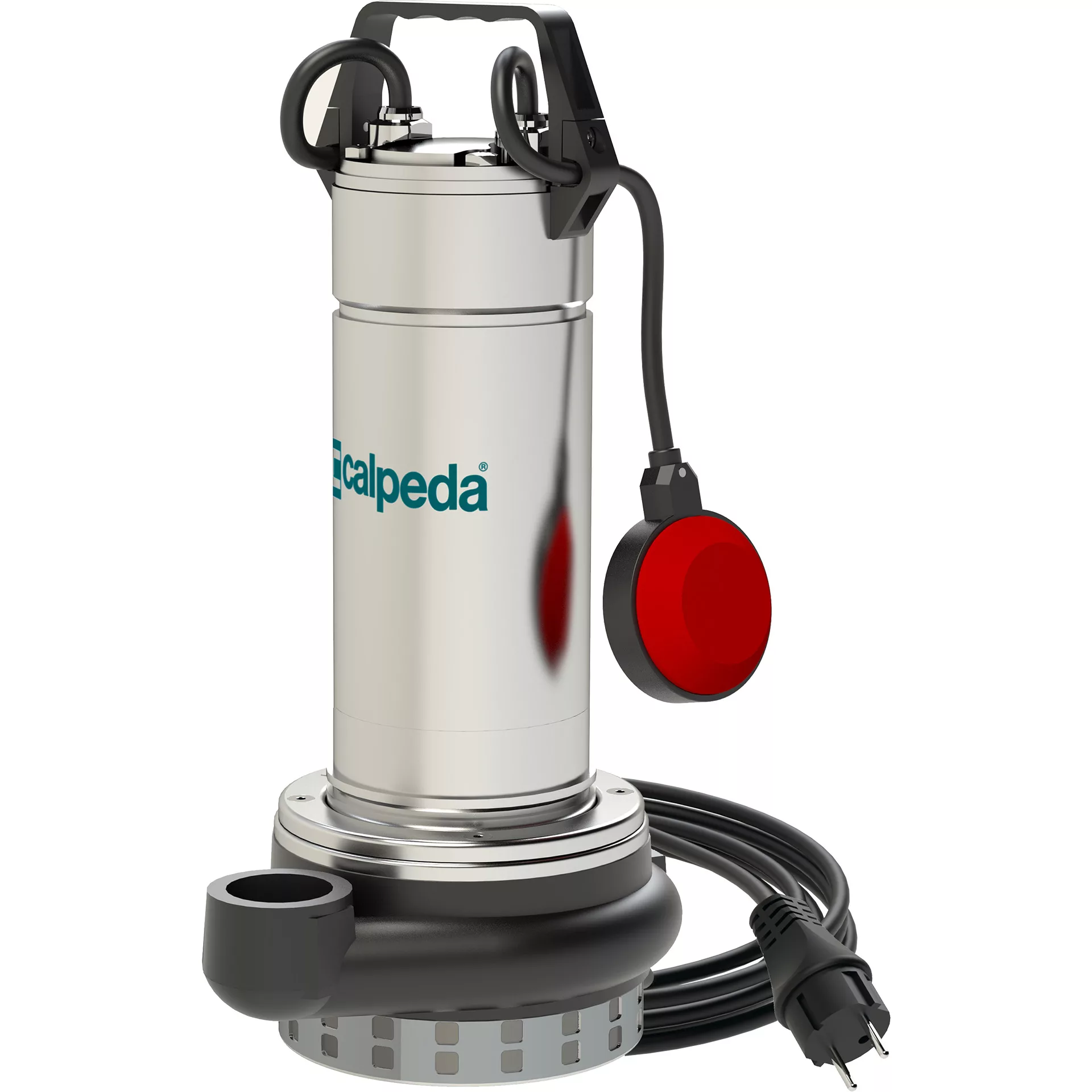
The Calpeda GQR is a submersible drainage pump with an open impeller and a stainless strainer, passing 6 or 10 mm solids to 52 m³/h and 30.2 m.
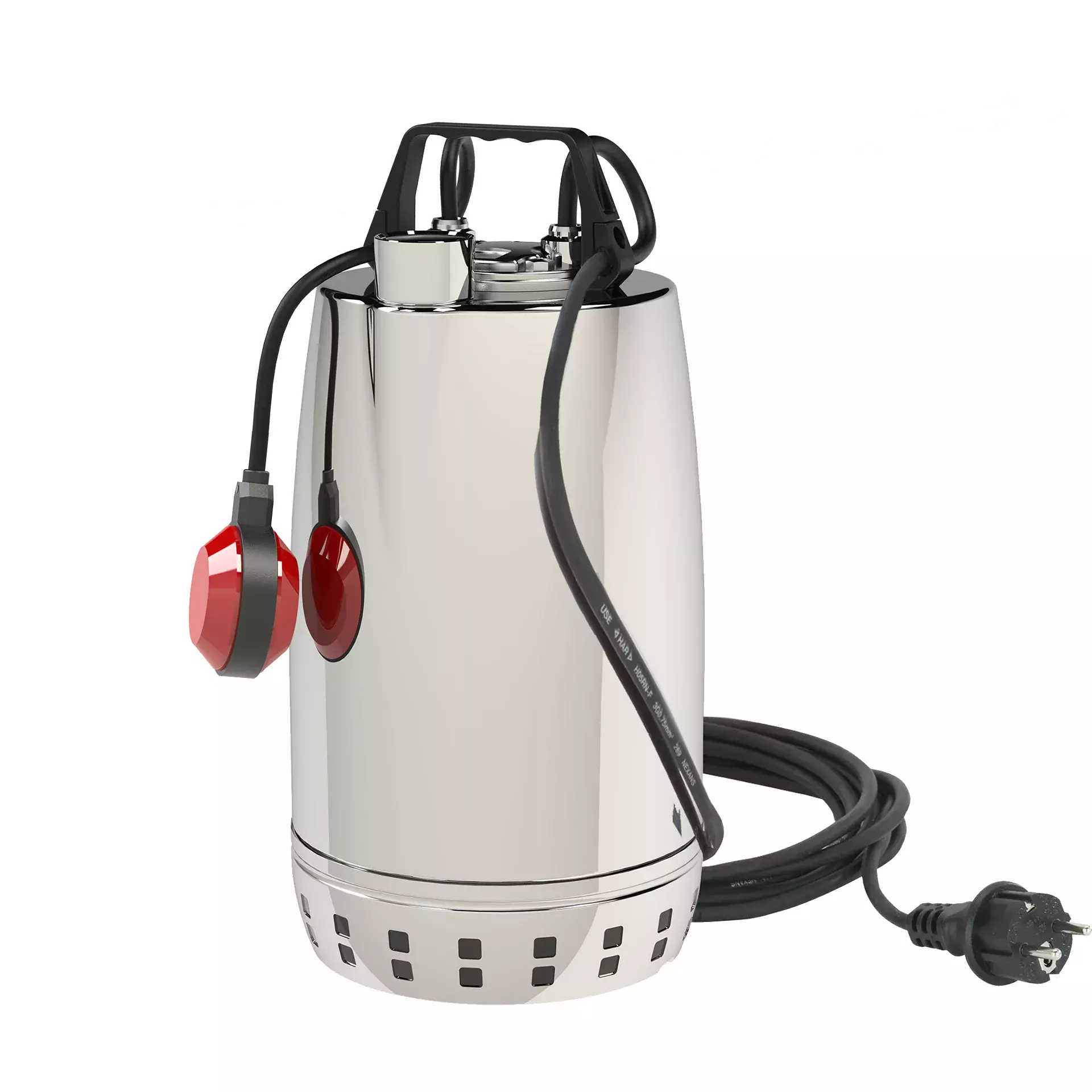
The Calpeda GXR is an AISI 304 submersible drainage pump with an open impeller, in two frames reaching 19.2 m and 30 m³/h on 12 mm solids.
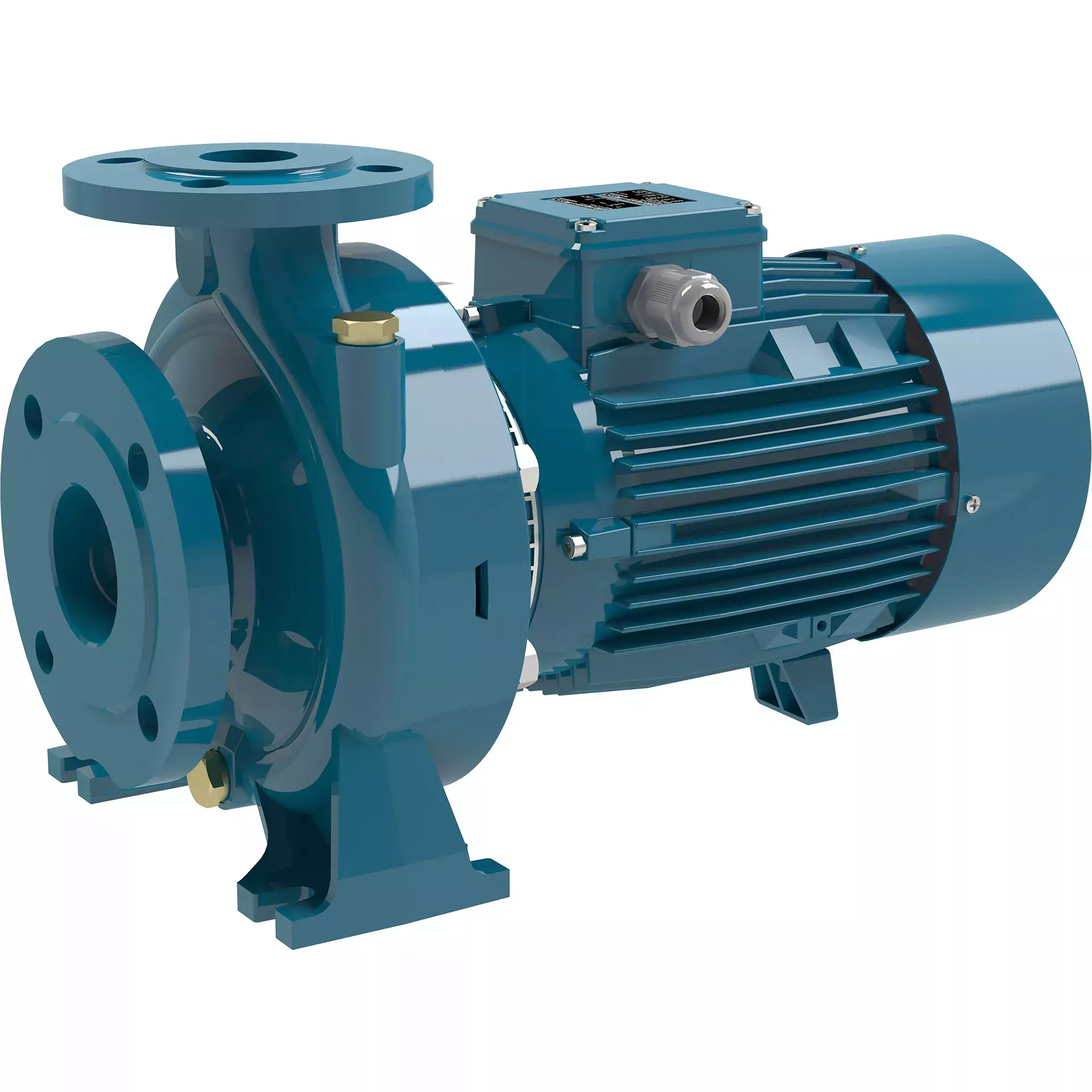
The Calpeda NM is a close-coupled EN 733 end suction pump for clean water to 240 m³/h and 93.8 m on 0.55–22 kW motors. Specifications, materials and UK supply.
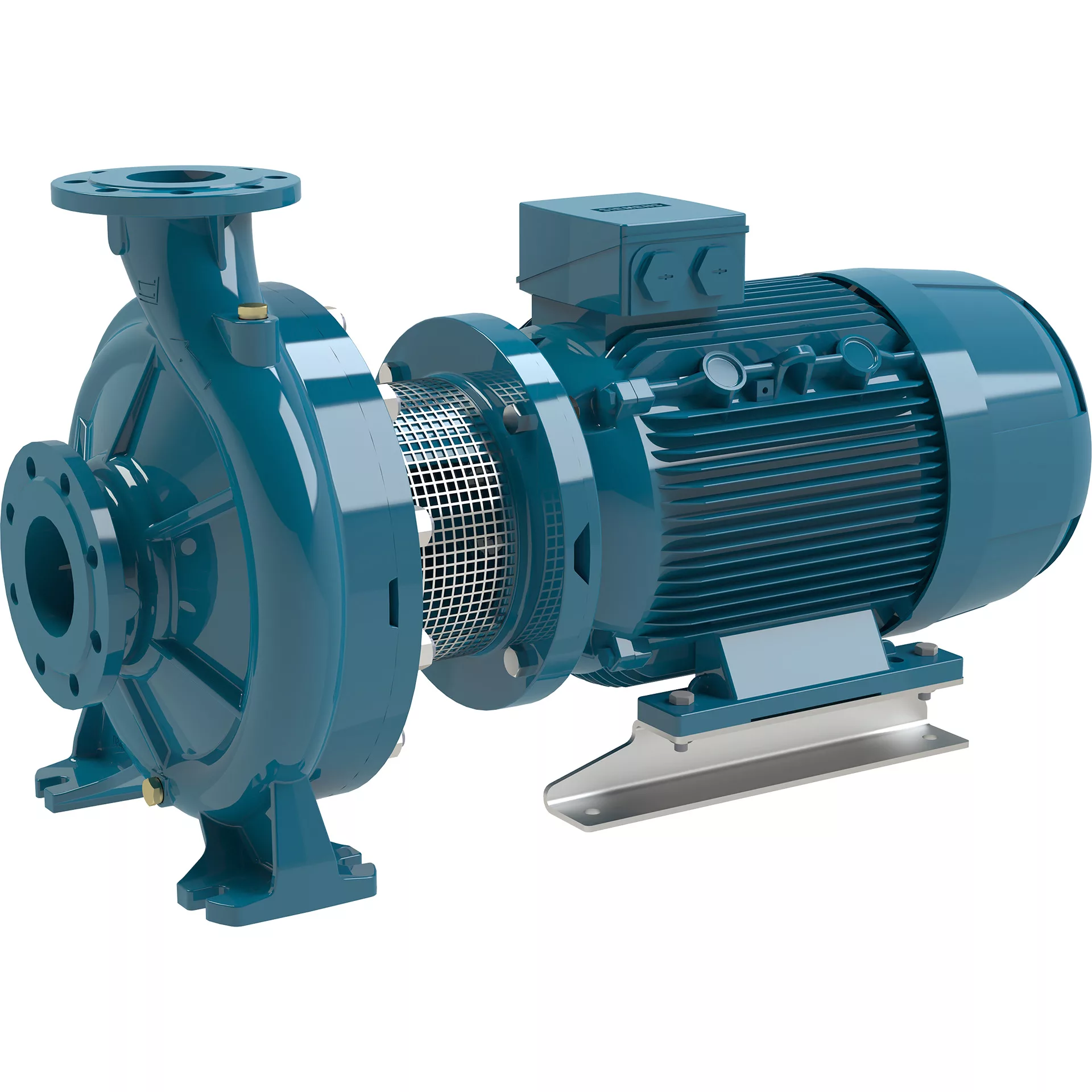
The Calpeda NMS is an EN 733 end suction pump on a stub-shaft bracket that takes a standard motor, to 300 m³/h and 95 m on 0.75–75 kW. Specs and UK supply.
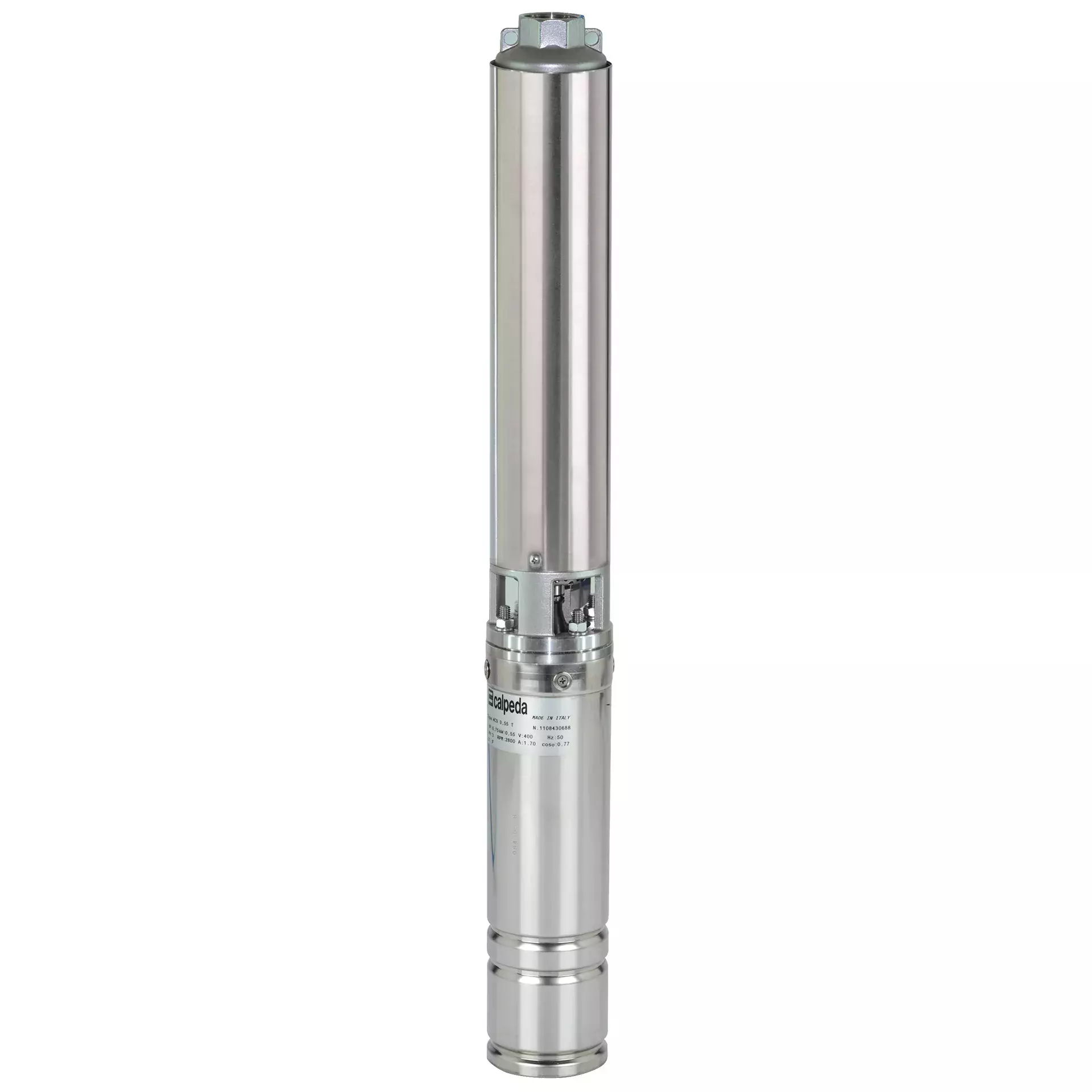
The Calpeda SD is a multistage submersible borehole pump for 4 and 6 inch wells, reaching 691 m and 40.2 m³/h on 0.37 to 37 kW.
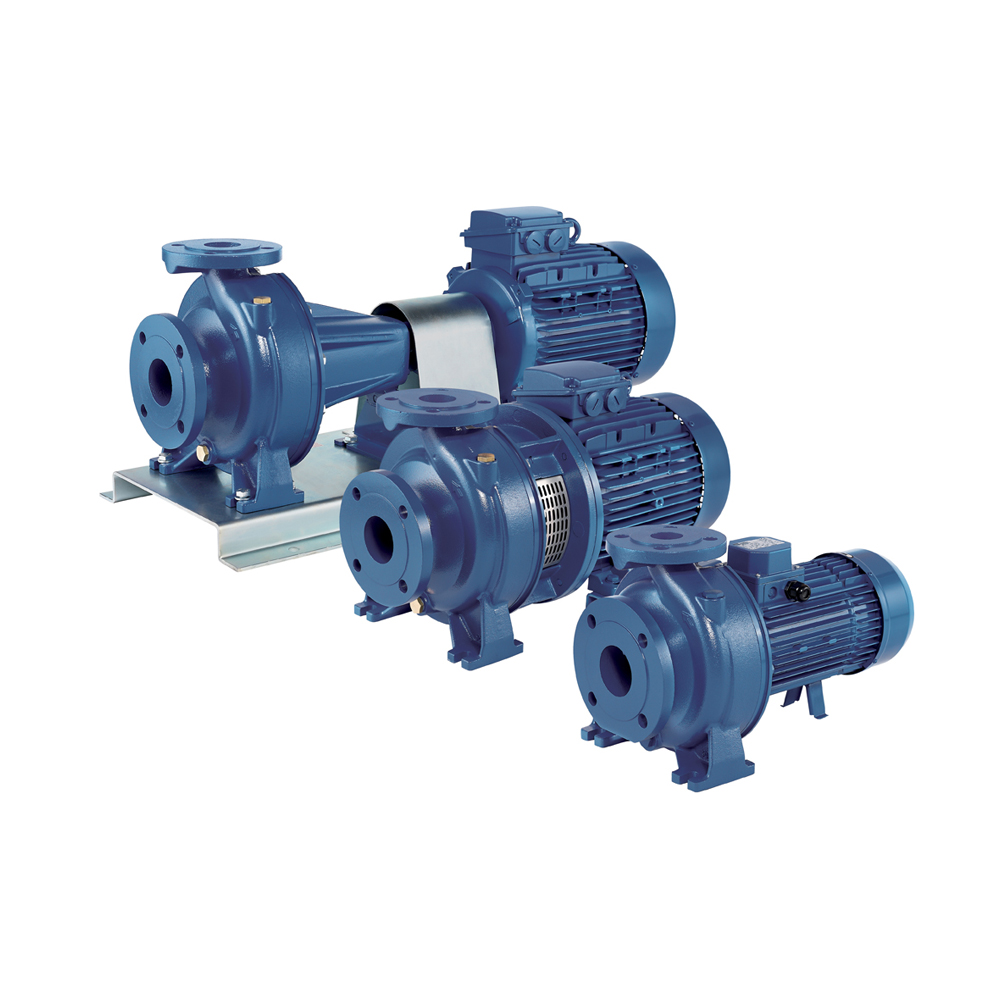
The Ebara 3D series is an EN 733 standardised cast iron end suction pump for clean water to 138 m³/h and 70 m. Specs, seal options and UK supply.
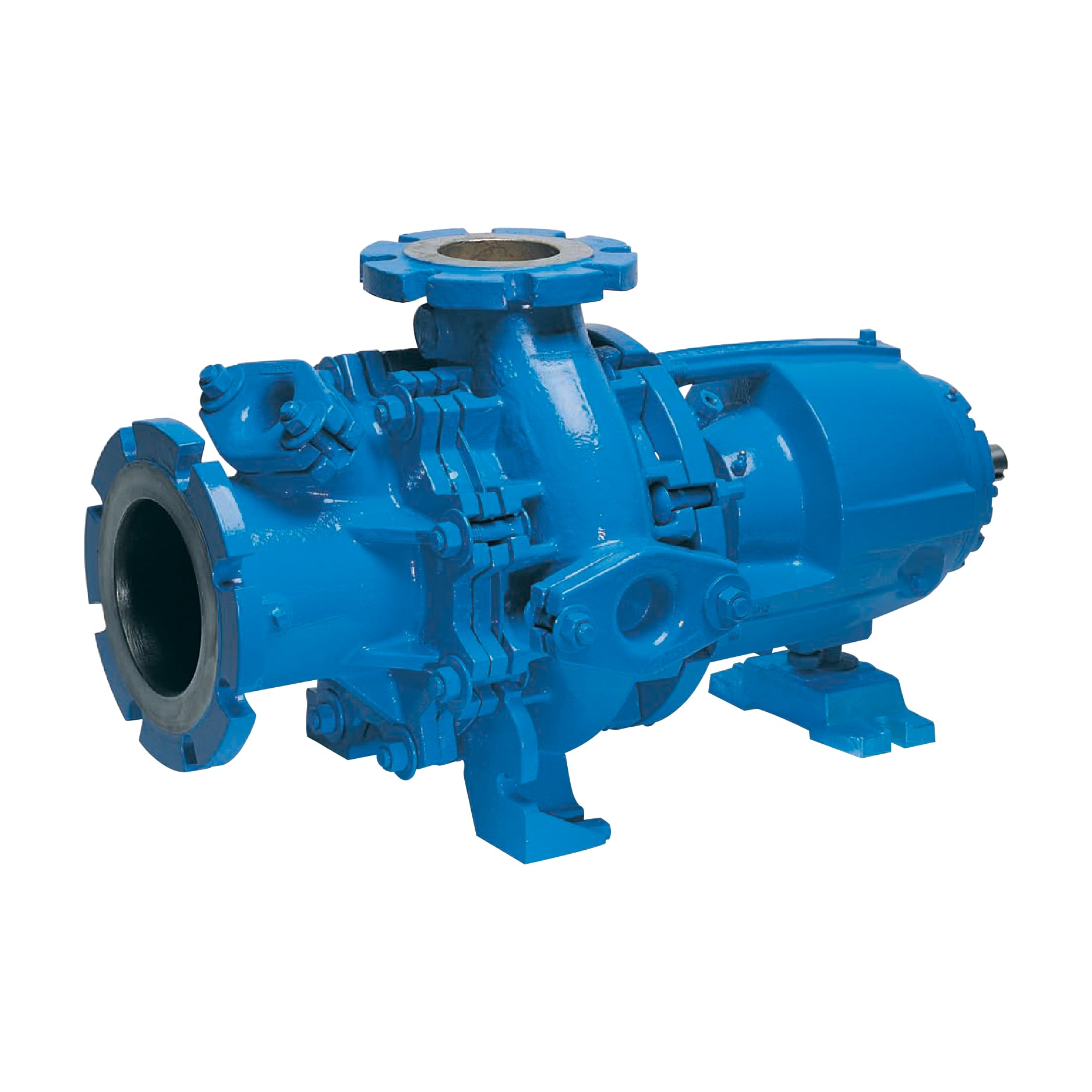
The Ebara ChopX cuts and pumps in one unit. Two cutting stages, a hard metal wet end, and a flushless seal option, for scum, FOG, sludge and manure.
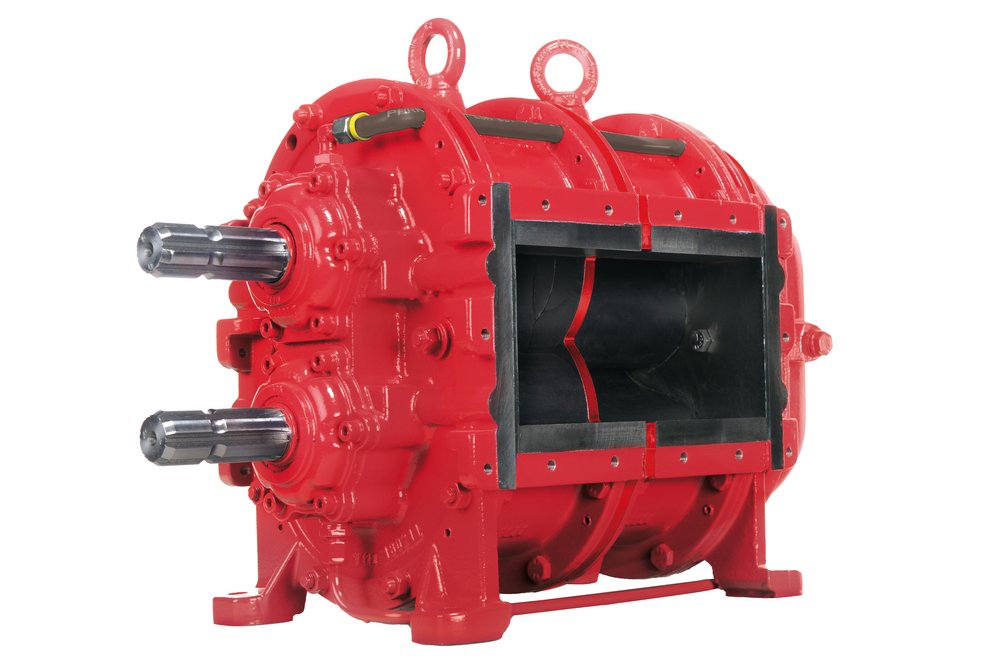
The Vogelsang FX series FarmerPump in six sizes, FX116-60 to FX116-360, up to 270 m³/h and 8 bar, and how to size one for a liquid manure duty.
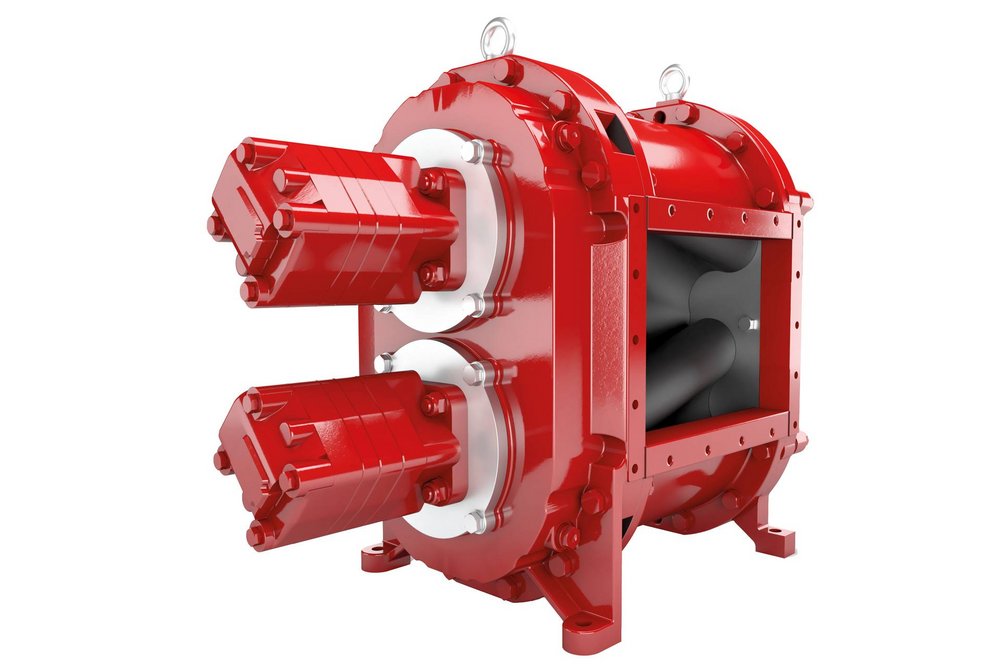
The Vogelsang LoadMaster rotary lobe pump for tank vehicles: up to 45% lighter and 20 cm shorter than a standard VX, to 8 bar and 6,030 l/min.
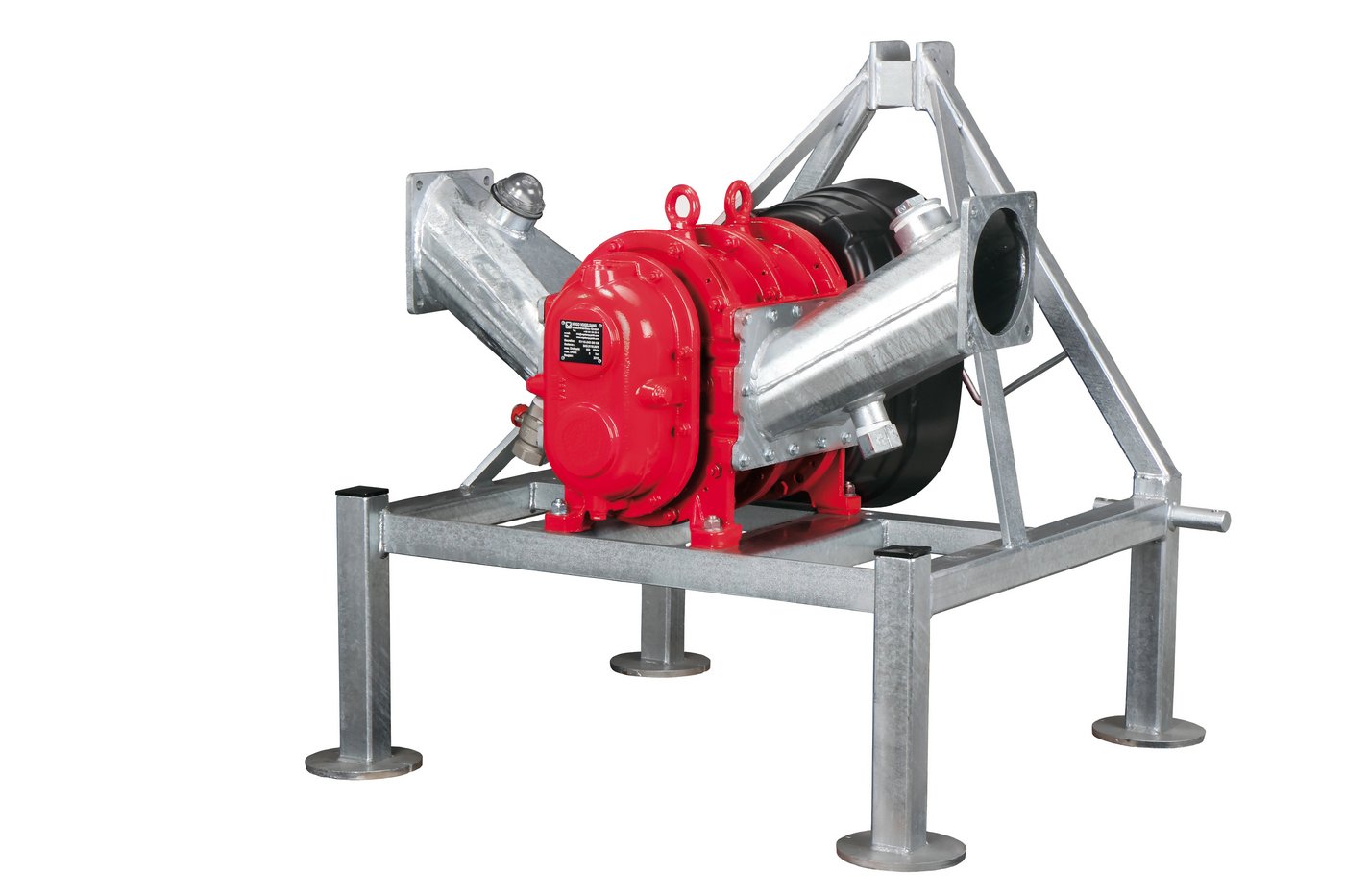
The Vogelsang R series rotary lobe slurry pump in two ranges, R116 and R136, to 5,000 l/min and 5 bar, with the full size list and where each fits.
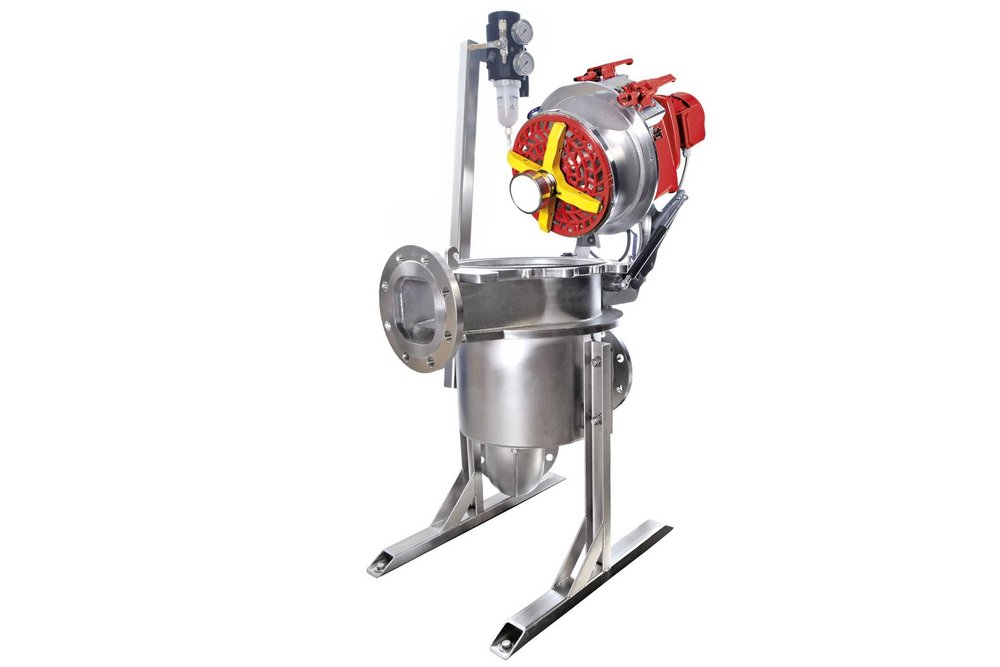
The Vogelsang RotaCut macerates fibre and coarse matter against a cutting screen and traps stones and metal upstream, protecting the pump behind it.
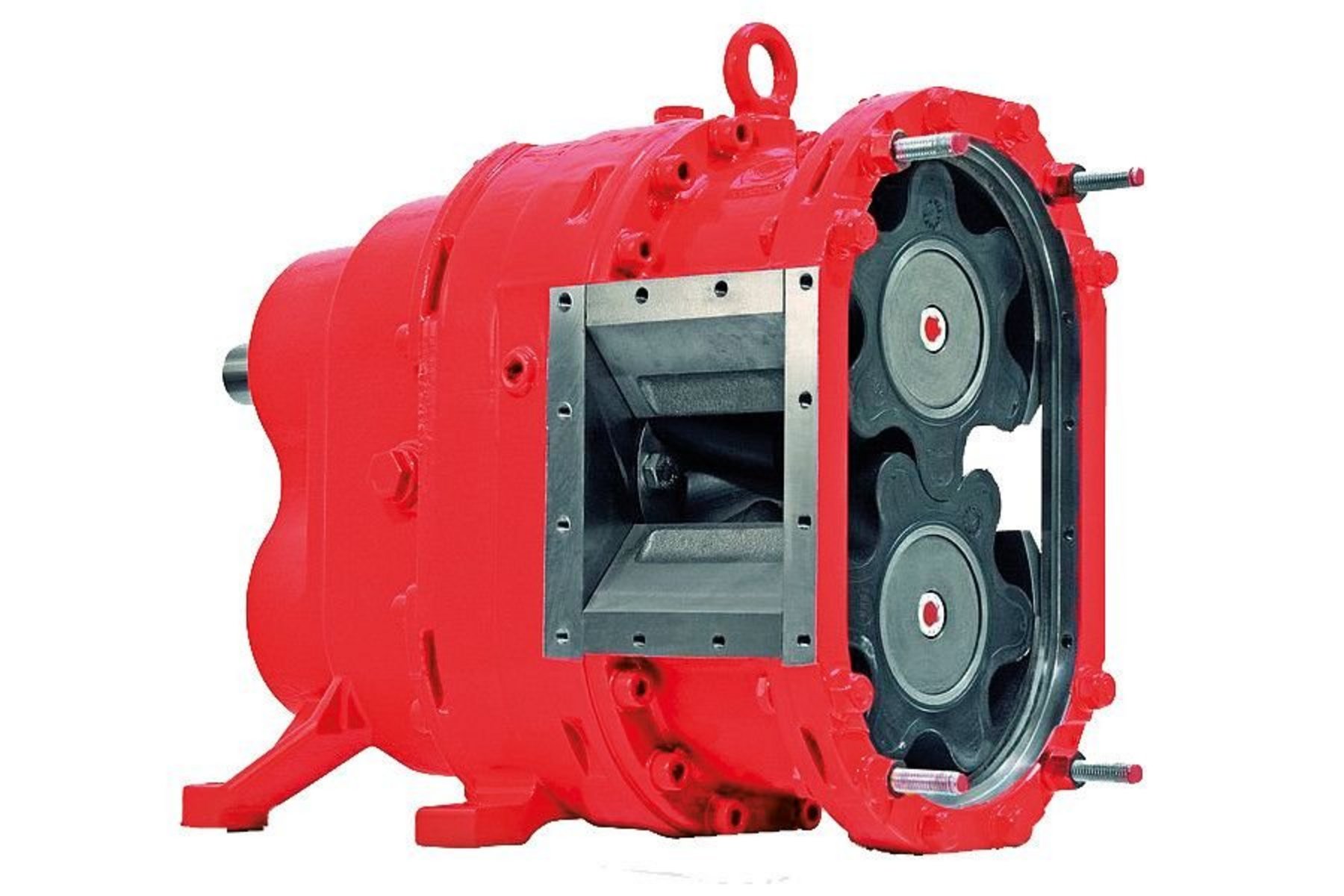
Flow, pressure and build options for every model in the Vogelsang VX series rotary lobe pump range, VX100 to VX230, and how to specify one for your duty.
Abstraction licences, slurry rules and hazardous areas
Three sets of rules touch a farm pump selection in England.
Abstraction comes first. Take more than 20 cubic metres (20,000 litres) a day from a river, stream or borehole and you are likely to need an abstraction licence from the Environment Agency. That is a daily figure, so an irrigation reel run hard clears it quickly. Check the licence before you size the pump. The licensed rate caps the duty you are allowed to run, and a pump selected above it is one you cannot legally work flat out.
Slurry storage is set by the Water Resources (Control of Pollution) (Silage, Slurry and Agricultural Fuel Oil) (England) Regulations 2010, which cover construction and capacity, with the nitrate rules adding storage capacity and closed spreading periods on top. Between them they decide where slurry has to be moved to, and when. Size the transfer duty against the store you are required to have, not the one standing in the yard now.
Then hazardous areas. Anaerobic digestion plant, covered lagoons and enclosed slurry stores generate flammable gas, and the Dangerous Substances and Explosive Atmospheres Regulations 2002 (DSEAR) require those areas to be identified and classified. Areas are classified into zones; equipment is certified to a category for use in them. A pump is not "Zone 1 rated". It is certified for use in Zone 1, by the manufacturer, on paper. Ask for that certificate rather than inferring it from the range the pump belongs to. Tell us at enquiry if the duty sits in a classified area, because it changes the motor, the seal and often the pump.
Frequently asked
What size irrigation pump do I need?
Size against the duty point, not the acreage. You need the flow the system has to deliver, the static lift from water level to the highest outlet, and the friction losses in the pipe run, which together give the total dynamic head. Take those figures from the worst case rather than the July average, because an oversized pump costs more to run for the life of the installation and cavitates when the source will not feed it.
How do you pump slurry?
With a positive displacement pump, and something cutting ahead of it. Above roughly 3–4% solids a centrifugal pump stops being the right selection, whereas a rotary lobe pump holds its flow to within a few per cent as pressure changes. Fit a macerator upstream to take out twine, stones and fibre before they reach the lobes, because most repeat slurry blockages are solved upstream rather than by fitting a bigger pump.
Do I need a licence to abstract water for irrigation?
In England, if you abstract more than 20 cubic metres (20,000 litres) a day from a surface source or a borehole, you are likely to need an abstraction licence from the Environment Agency. Check the licensed rate before you select the pump, because it caps the duty you are allowed to run.