
What a viscous duty does to the pump
Viscosity resists shear, and everything that goes wrong on a viscous duty follows from that.
Friction losses in the pipework climb, so the total dynamic head you select against is higher than the same layout would give you on water. Filling gets harder. A thick medium is slow to move into the inlet, so a pump running too fast simply starves. That is where these installations fail. NPSHa has to exceed NPSHr at the duty point, and a viscous medium eats the margin. The fault is almost always on the suction side, a tank that is too small or a suction head that is too small, rather than anything to do with the theory.
A centrifugal pump is the wrong tool here because its impeller relies on the medium flowing freely. Efficiency falls away as viscosity rises, and it stops being viable well before you reach the genuinely thick media.
Three things travel with viscosity and change the selection.
Temperature comes first, because viscosity falls as the medium warms. The cold start is the worst case, not the running condition. High-temperature work cuts the other way. On frying processes the sealing gets difficult and the choice of pump narrows sharply.
Solids come next, because thick media usually carry them. The trade rule of thumb is that above roughly 3–4% solids you move from a centrifugal to a positive displacement pump. Viscosity drives the same decision, but solids content is the number people actually have to hand. Treat it as a rule of thumb and not a specification.
Then shear sensitivity. Emulsions, gels and product with structure in it degrade if you shear them, and abrasive media are the same case for a different reason. Both want pumping slowly, and that constraint appears nowhere on a performance curve.
One housekeeping point costs more time than it should. Viscosity is dynamic in cP and kinematic in cSt, and the two are not interchangeable. A bare "viscosity of 500" tells us nothing. Send the unit, and the temperature the figure was measured at.
What to look for in the pump
Look for a pump built to fill gently and move a thick medium slowly.
- Positive displacement action, so flow holds up as viscosity rises instead of falling away with it.
- Large, unrestricted inlet ports. Inlet restriction causes more viscous-duty trouble than undersized pumps do. A bank of correctly sized pumps blocking at the suction is usually fixed by changing the inlet, not by buying bigger pumps.
- A low running speed, which cuts friction, wear and shear at once. Running a positive displacement pump fast in an abrasive medium is one of the quickest ways to shorten its life.
- A rating that covers your peak viscosity, meaning the cold or worst-case figure rather than the comfortable warm-running one.
- Wetted materials and elastomers matched to the medium and its temperature, not to the medium alone.
- A seal arrangement chosen for the consequence of it failing. The seal is the weak point in almost any pump, and on a viscous duty the failure usually starts at the suction. Starve a progressing cavity pump and it burns through the stator and damages the rotor, which is catastrophic rather than merely expensive. Where the seal choice is genuinely difficult, the seal manufacturer's advice is the one to take.
For pastes and solids-laden media, favour a progressing cavity pump. For clean oils and moderate viscosities, a rotary lobe, internal gear or screw pump usually suits.
Pumps for viscous media
View all →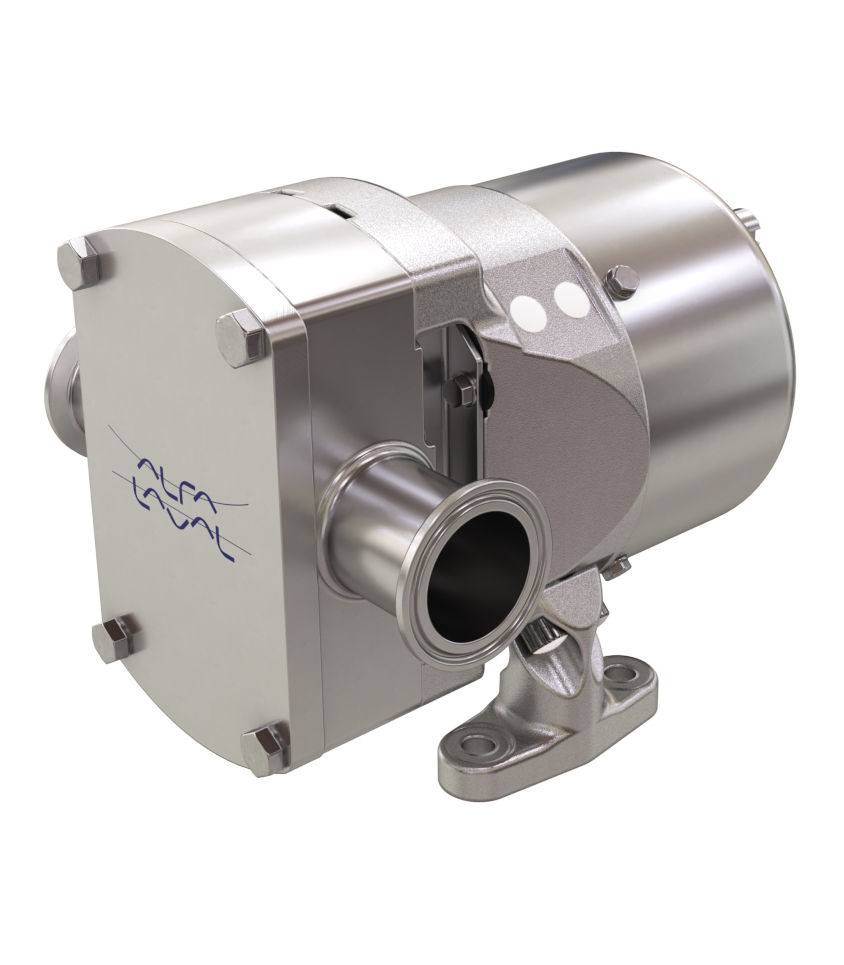
Alfa Laval's cost-effective hygienic rotary lobe pump, in 10 displacements to 77 m³/h and 8 bar, with an all-stainless exterior.
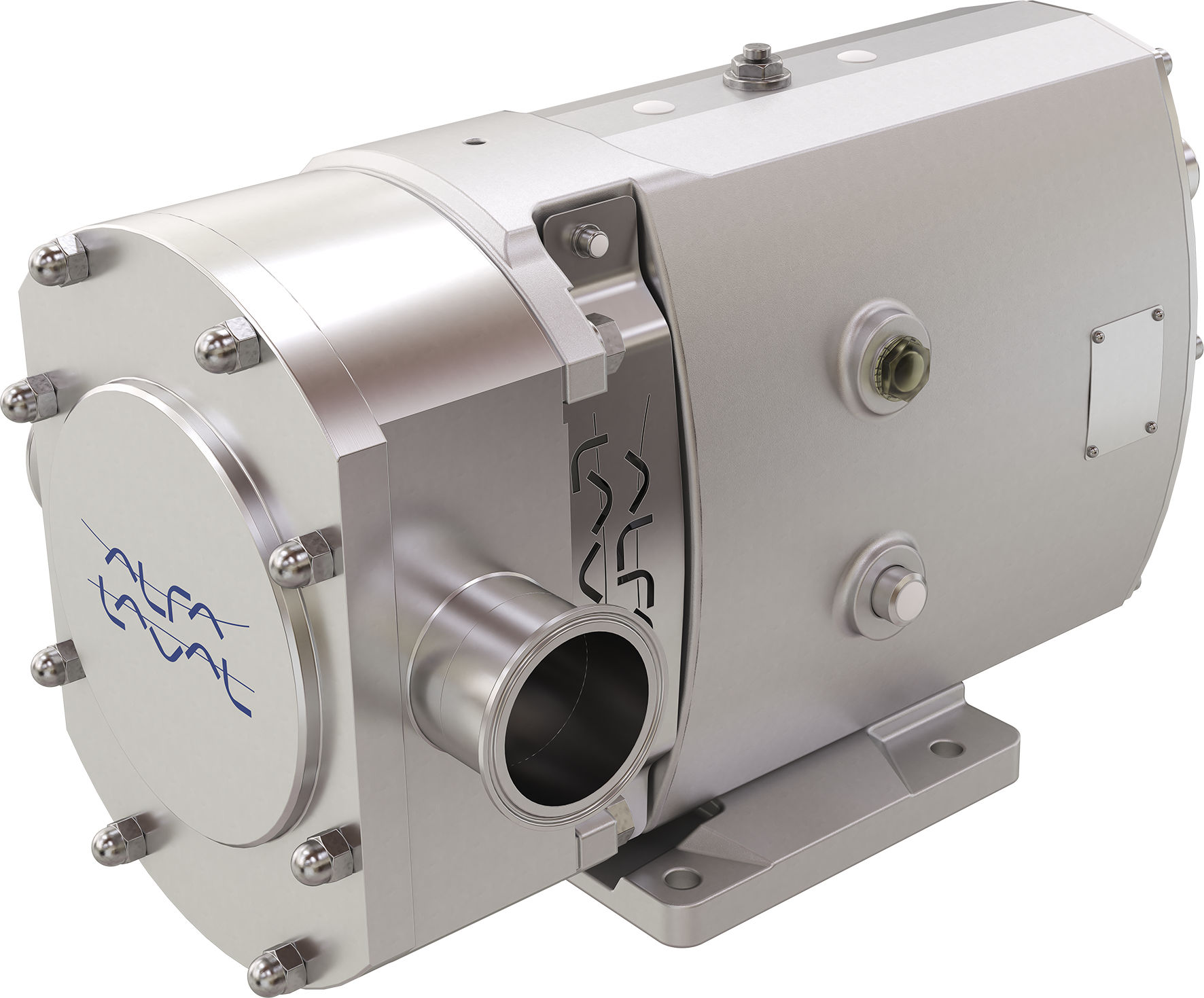
Alfa Laval's hygienic rotary lobe pump for shear-sensitive and viscous product, in 12 displacements to 106 m³/h and 20 bar.
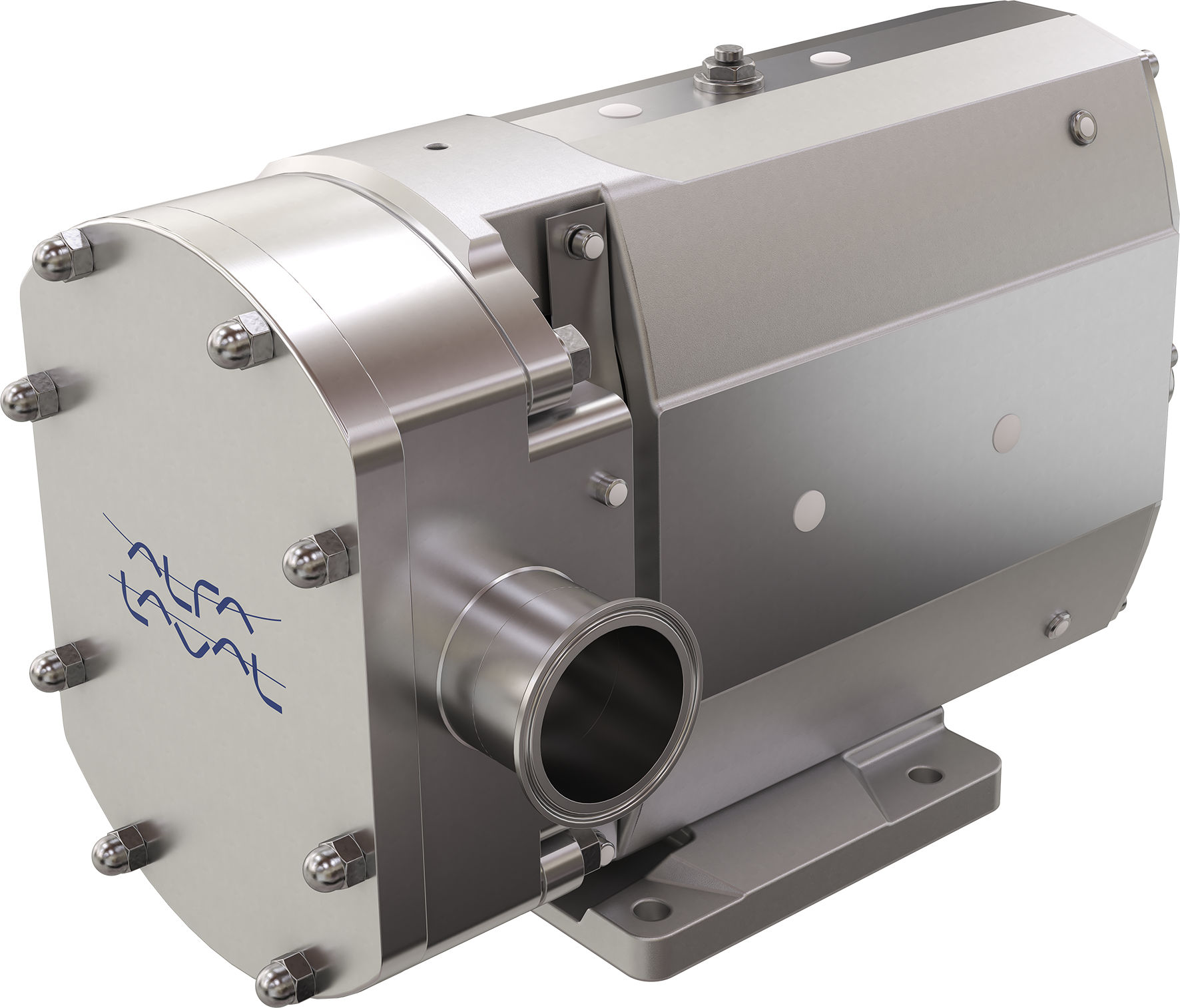
Alfa Laval's premium hygienic rotary lobe pump, in 14 displacements to 115 m³/h and 15 bar, with a fully drainable pump head for CIP and SIP.
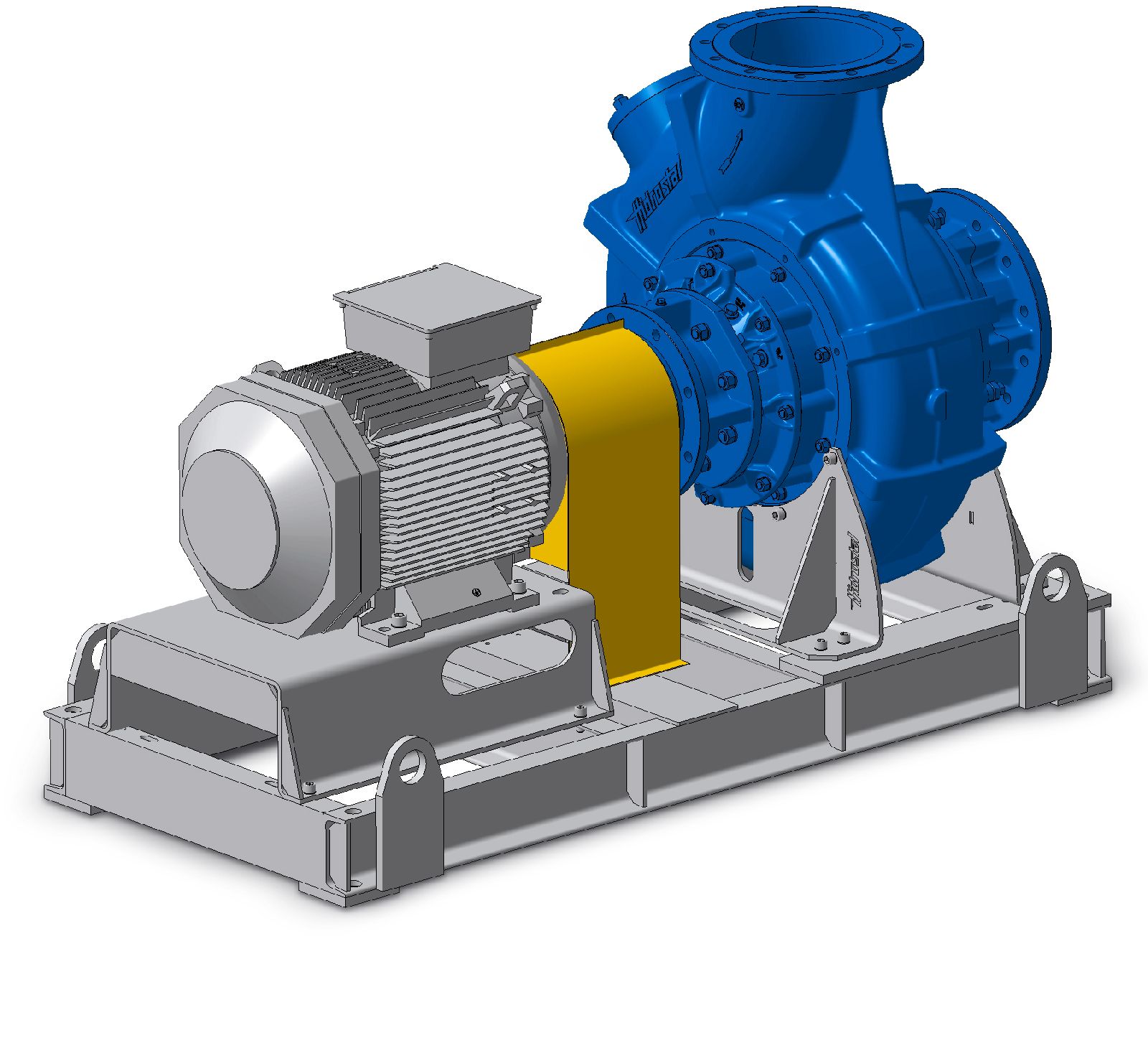
Hidrostal bearing frame pumps: dry-installed screw centrifugal end suction, 0.5–3000 l/s to 90 m, 32–700 mm, horizontal or vertical. Specs and selection.
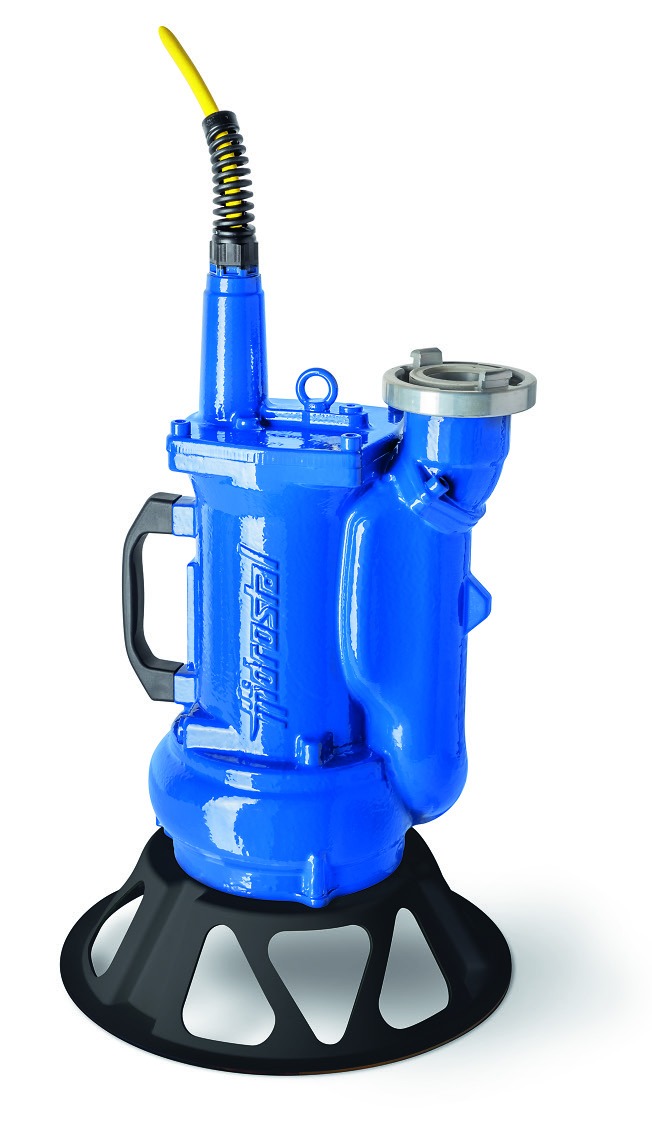
Hidrostal compact pumps: portable screw centrifugal field units, 0.8–24.6 l/s to 17.7 m, 50–75 mm free ball passage, from 23 kg. Specs and selection.
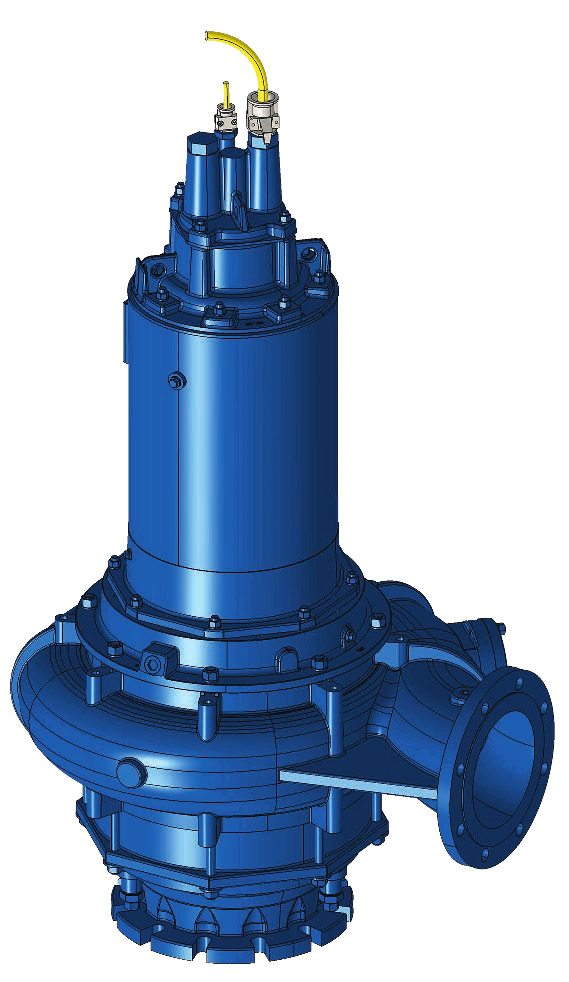
Hidrostal immersible pumps: 0.5–3000 l/s to 90 m head, closed-loop motor cooling so they run dry, part or fully submerged. Dry pit specs and selection.
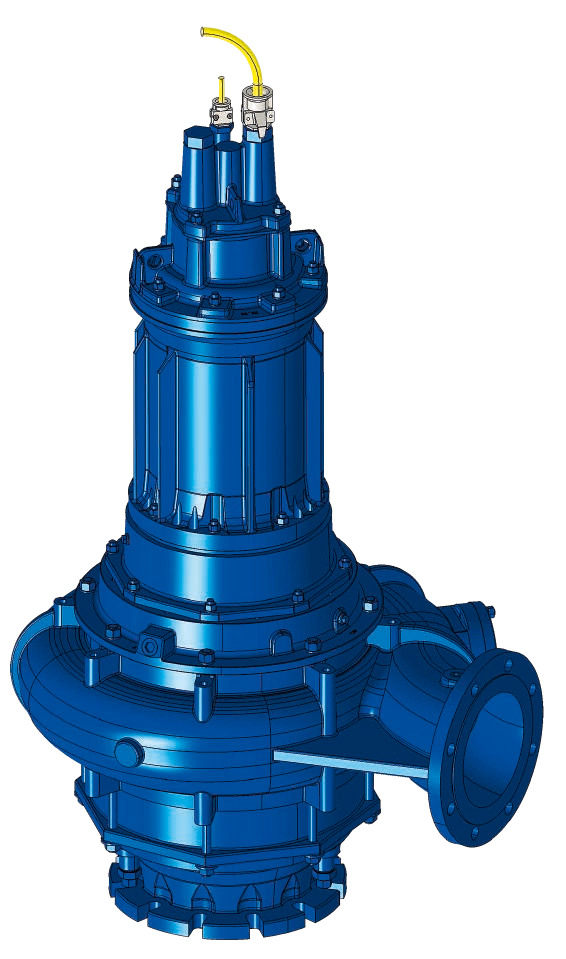
Hidrostal submersible pumps: up to 2500 l/s and 100 m head, screw centrifugal hydraulics, motor cooled by the liquid it sits in. Specs and selection.
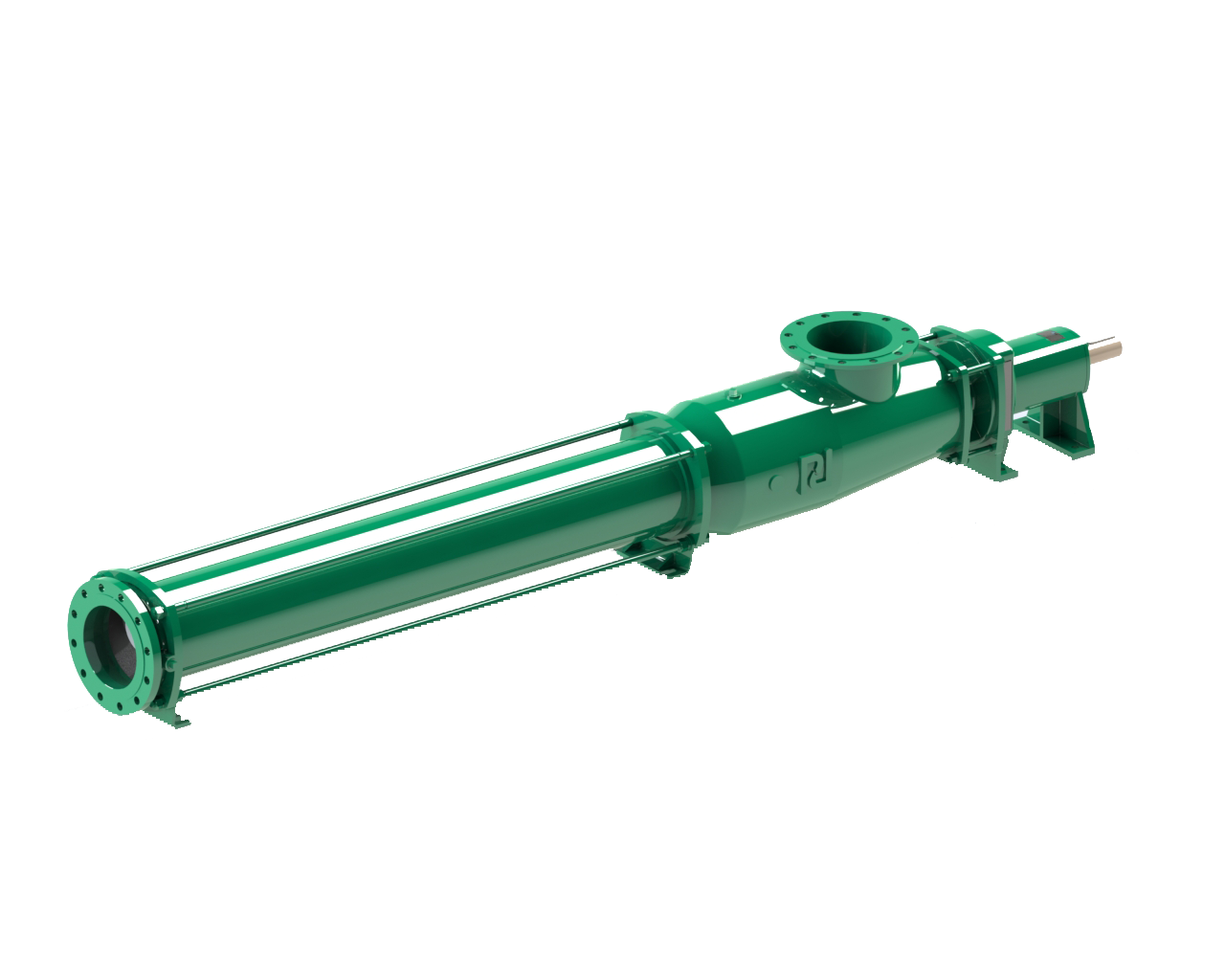
Roto's small-capacity progressive cavity range, for metered dosing and transfer of thick, solids-laden media.
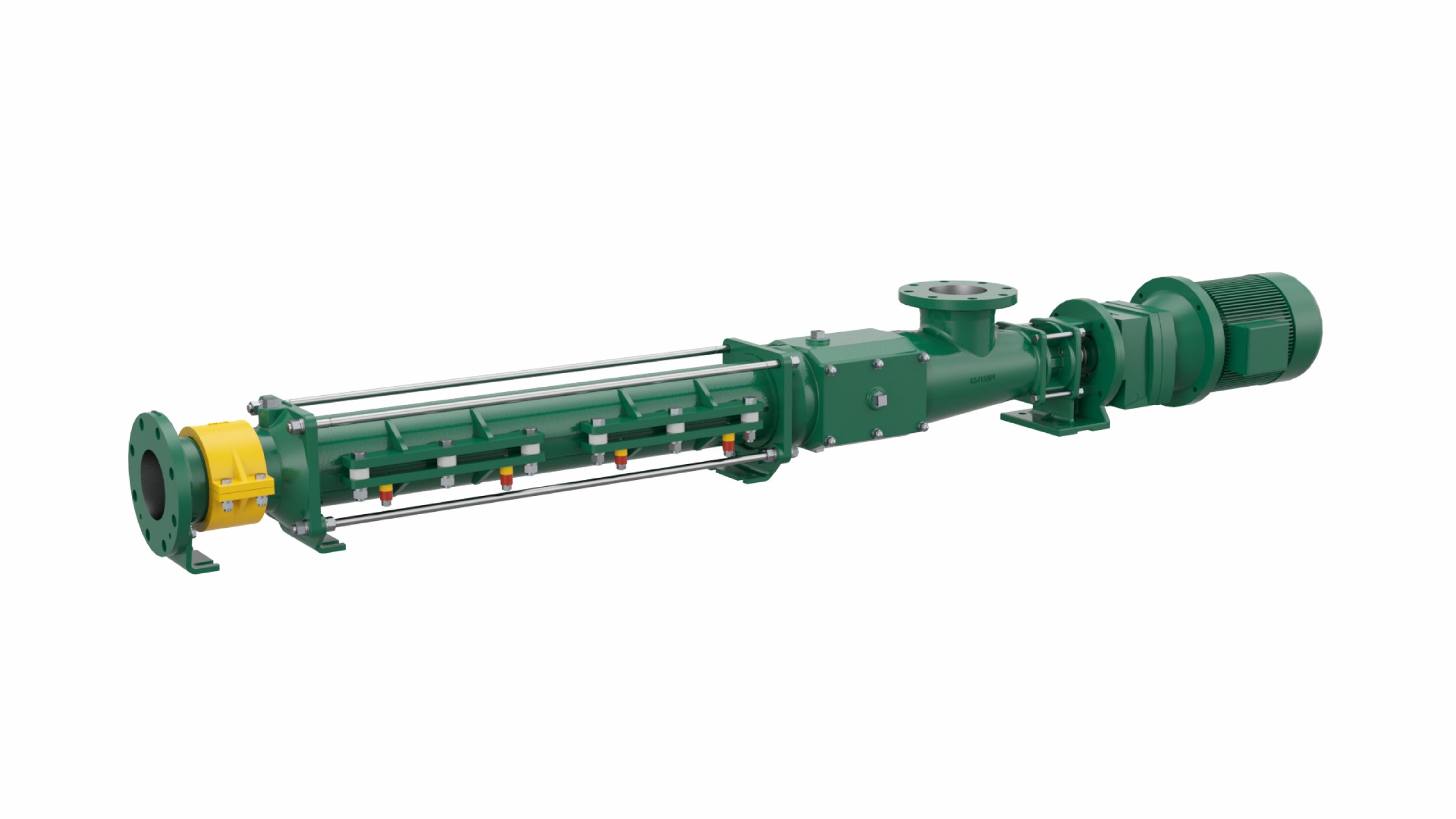
Roto's extra-large-capacity progressive cavity range, on extended geometry, built for volume at low pressure.
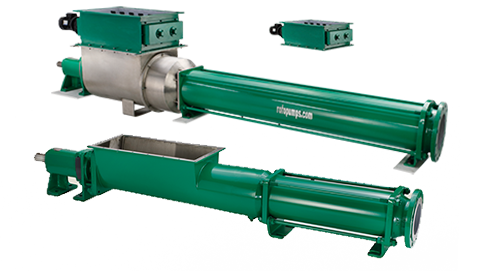
Roto's wide throat progressive cavity pump, with an auger on the coupling rod for media that will not feed themselves into a standard suction.
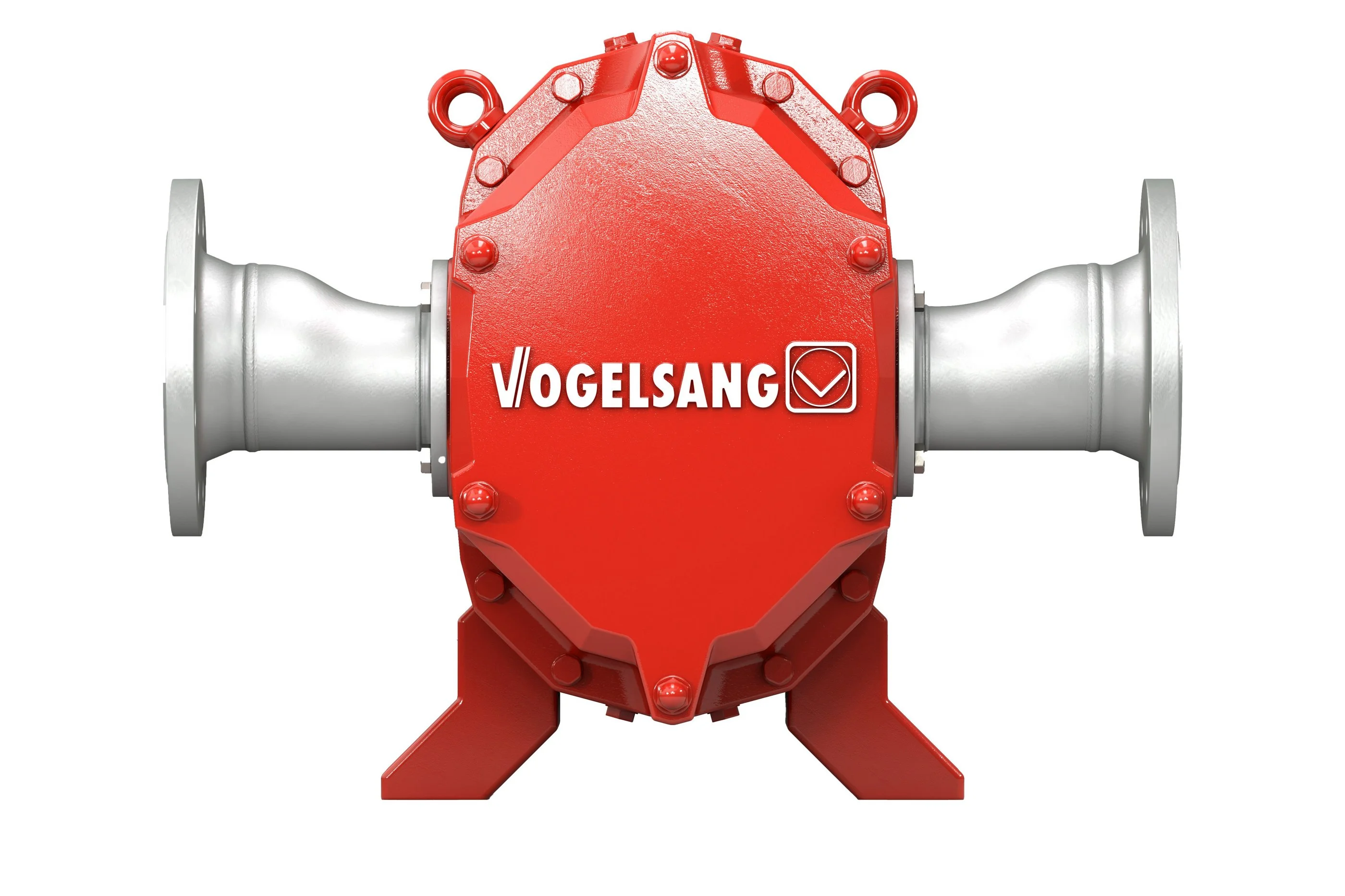
Vogelsang EP series rotary lobe pump: continuous differential pressures to 18 bar, media to 200°C, with API 682 and ATEX-compliant options.
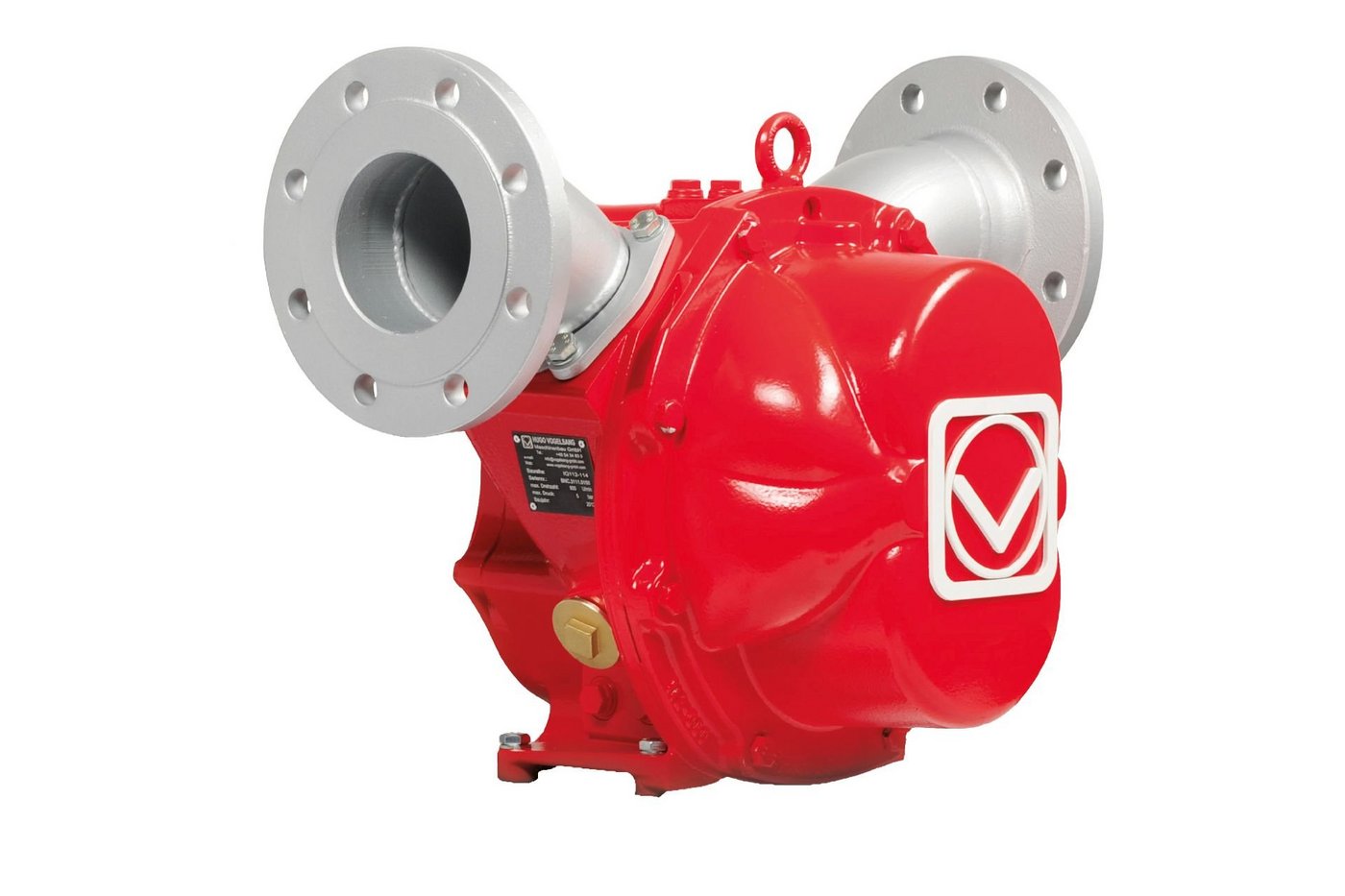
The Vogelsang IQ series rotary lobe pump in two models, IQ112 and IQ152, to 154 m³/h and 7 bar, with a one-piece housing that opens in the pipe.
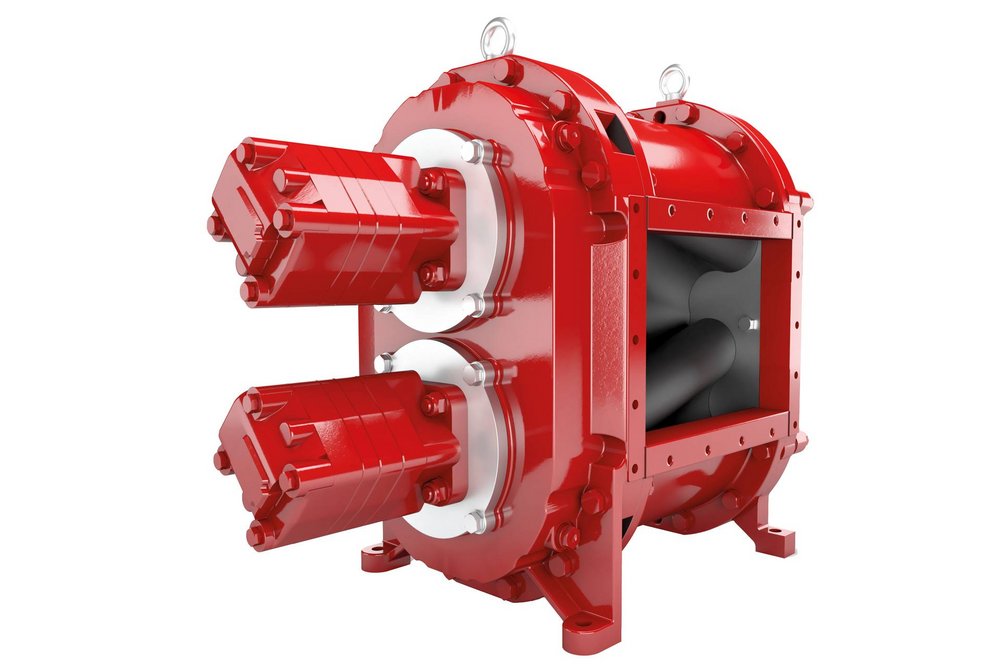
The Vogelsang LoadMaster rotary lobe pump for tank vehicles: up to 45% lighter and 20 cm shorter than a standard VX, to 8 bar and 6,030 l/min.
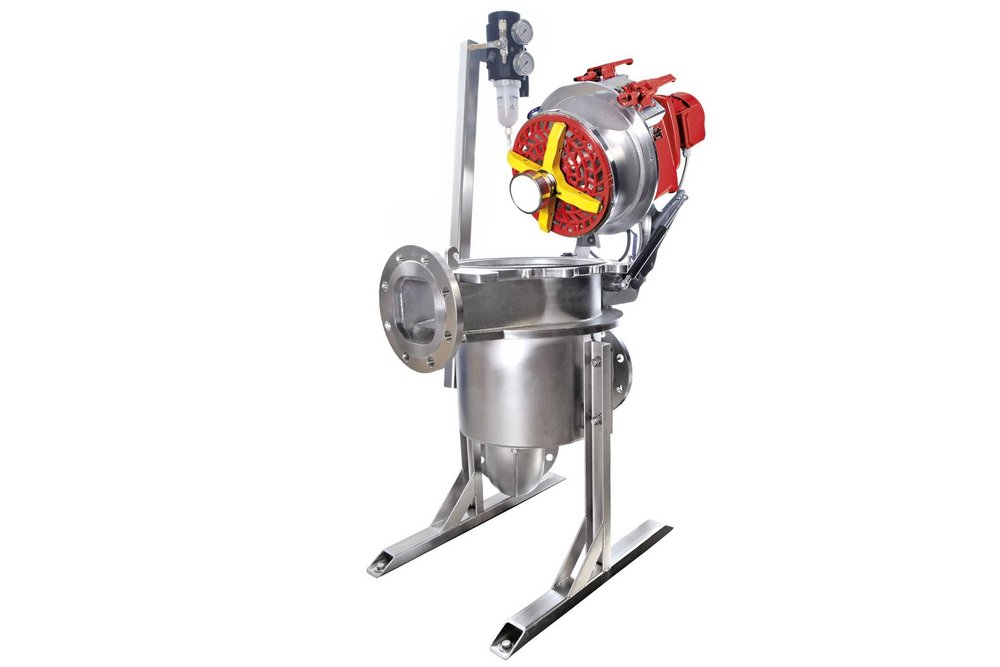
The Vogelsang RotaCut macerates fibre and coarse matter against a cutting screen and traps stones and metal upstream, protecting the pump behind it.
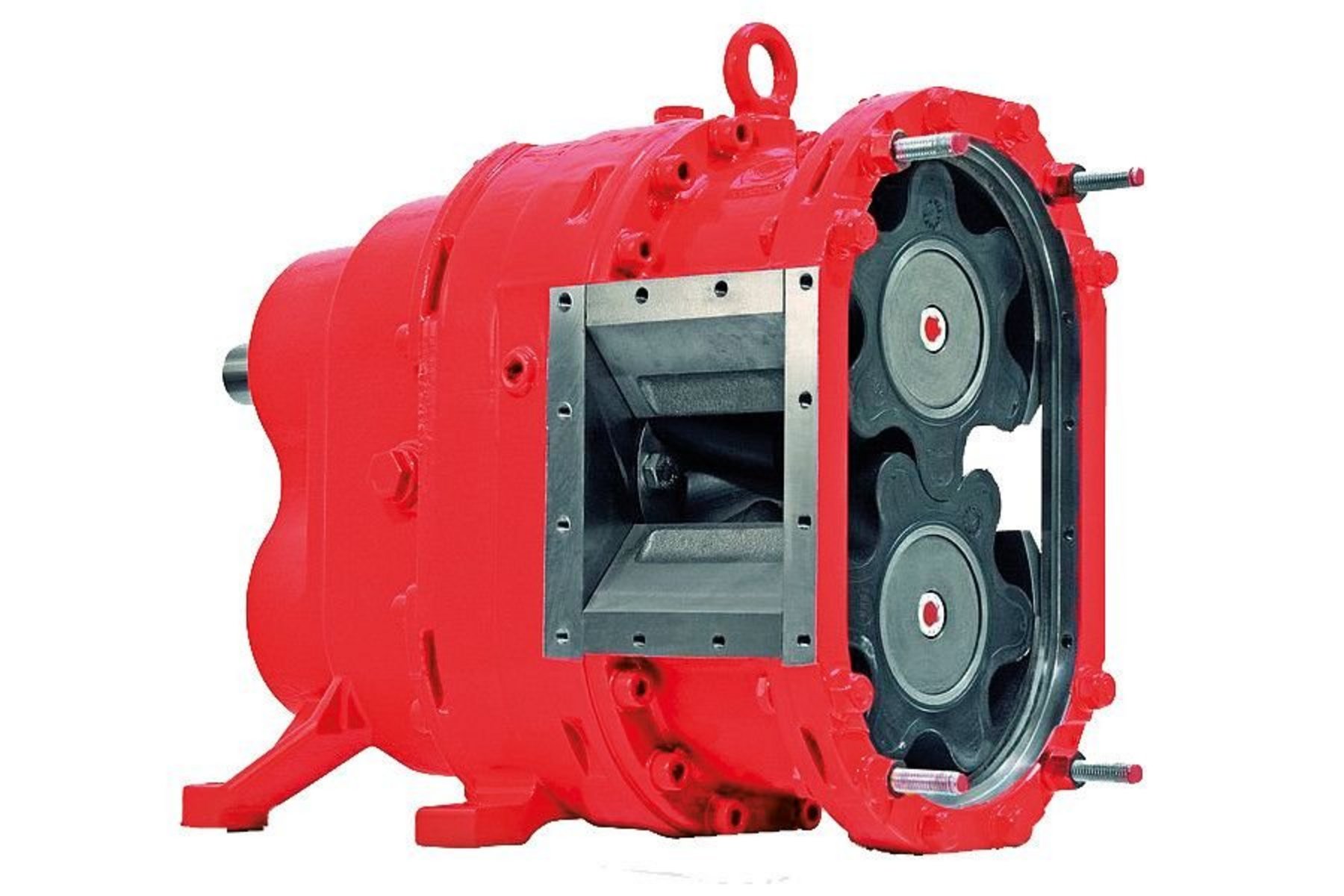
Flow, pressure and build options for every model in the Vogelsang VX series rotary lobe pump range, VX100 to VX230, and how to specify one for your duty.
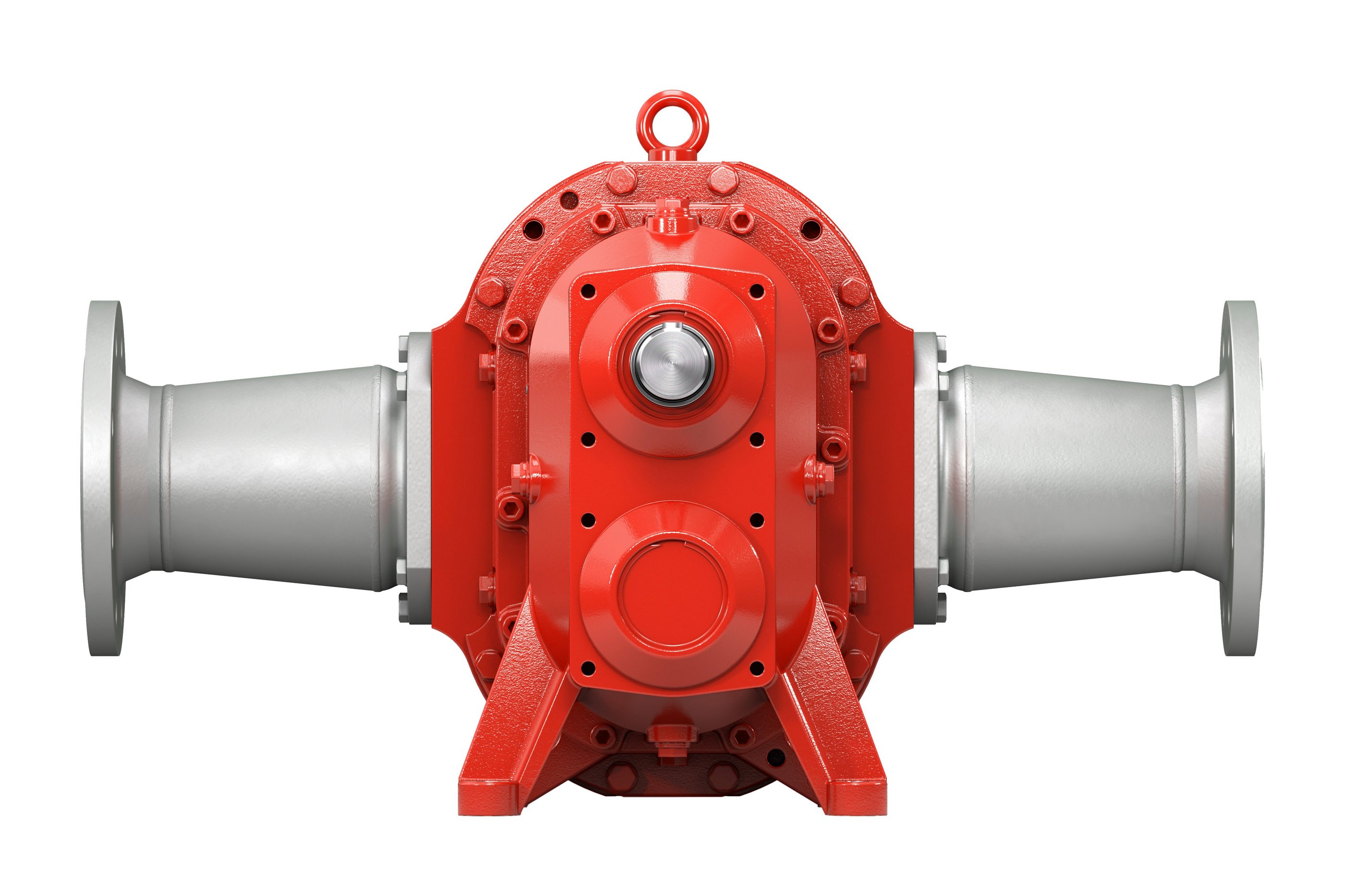
Flow, pressure and build options for the Vogelsang VY series rotary lobe pumps, VY100 and VY136, and how the one-piece CIP/SIP housing differs from the VX.
How to select a pump for viscous media
Choose a positive displacement pump and run it slowly. That is the verdict for almost every viscous duty, and the reasoning behind it matters more than the rule.
A positive displacement pump moves a fixed volume per revolution, so it will pump broadly whatever you can get into it, from water through to thick food product or sludge. Its flow is near-constant. As discharge pressure moves it holds its rate to within a few per cent, where a centrifugal's flow falls away as the pressure rises, and it takes the pressure change as long as the motor power is there. With the right seal selection it also tolerates a degree of cavitation. You get vibration rather than the destruction the same conditions do to a centrifugal.
Which type depends on how thick the medium gets, and on what else is in it.
| Pump type | Suits | What it costs you |
|---|---|---|
| Rotary lobe | Viscous, gentle duties at moderate pressures, and the usual choice on hygienic process lines | Efficiency drops as the clearances wear, and it will not take an abrasive medium at speed |
| Progressing cavity | The very high viscosities, pastes and solids-laden media. A helical rotor turns in an elastomer stator and gives a smooth, near-pulseless flow at low speed | Starve it and it burns through the stator and damages the rotor. The stator is a wear part either way |
| Internal gear | Clean oils and thick, clean fluids | Close clearances, so solids and abrasives are out |
| Screw | Thick, clean fluids at higher pressures with low pulsation | The same solids limit, and a longer footprint to find room for |
Then work the duty in the order we work it on the phone. Flow rate first, because it is the one figure a customer always has. Then the pipework, the static heads either side of the pump and the losses, which together give you the total dynamic head. Then viscosity at its worst. Then hygienic or not, which sets the wetted materials. Then temperature and the seal arrangement, and what a seal failure would do to the product. Power comes off the curve last, once the duty point is fixed.
Resist the pressure to oversize. On a viscous duty it arrives by margin stacking. The customer states a flow, the consultant adds sensible margin for future duty, the contractor adds margin, and the installer adds a bit more pressure. Nobody in that chain is careless, and the pump that comes out of it is far too big. You end up paying for an 11 kW motor on a 3 kW application for the life of the installation, and asking a pump for more flow than the suction will ever give it.
If your medium is as water and you already know the model you want, we are not the cheapest way to buy it, and we will tell you so. We are worth calling when nobody has yet worked out what the pump should be, or when one keeps failing on a thick medium and the reason is not obvious. Send the viscosity and its range with temperature, the flow, the pressure and what the medium carries, and we will select the type and size the unit.
Frequently asked
What counts as a high viscosity medium?
Anything that has stopped behaving as water. The working question is whether the medium is water, or as water, meaning it behaves hydraulically the way water does. Once a medium is thick enough to be slow moving into a pump inlet, you are on a positive displacement selection rather than a centrifugal one.
Why can't a centrifugal pump handle viscous media?
A centrifugal pump adds energy with a fast-spinning impeller and needs the medium to flow freely past it. A viscous medium resists that, so efficiency and flow fall away as viscosity rises, and the pump stops being viable well before the genuinely thick media.
Which pump suits very high viscosity?
A progressing cavity pump, for very thick, pasty or solids-laden media: a helical rotor turns in an elastomer stator and moves the medium smoothly at low speed. Rotary lobe pumps suit gentler viscous duties at moderate pressures, and internal gear and screw pumps suit clean oils and thick, clean fluids.
Should I give viscosity in cP or cSt?
Give whichever you have, and say which it is. Viscosity is dynamic in cP and kinematic in cSt, and the two are not interchangeable, so a bare figure means nothing on its own. Add the temperature it was measured at, and the worst case the medium reaches.
Does viscosity change how I size the pump?
Yes. Higher viscosity raises friction losses and slows filling, so you size for lower speed and larger inlet ports, and you check that NPSHa exceeds NPSHr at the duty point. Viscosity falls as the medium warms, so size against the cold worst case rather than the running condition.
Can Channel Pumps select a pump for viscous media?
Yes. Send the viscosity with its units and temperature range, the flow, the total dynamic head and what the medium carries, and we will select the pump type and size the unit for the duty.