
Pumping challenges
Temperature is the one that decides the pump. Hot wort and a hot caustic clean are the hardest duty on the line, and as the temperature climbs the sealing arrangement gets harder to get right and the list of pumps that will do the job gets shorter. Cold finished beer is the easy end of the same site. Select for the hot leg, not the average.
Cleaning is next, and it is the one that costs product rather than parts. No cleaning-in-place, or a procedure that was written once and never checked, gives you contamination. That means a pump head that drains, no dead legs, and seals that survive the caustic and the temperature of the clean as well as the duty.
Then the product itself. Beer and soft drinks carry dissolved CO2, so shear or a pressure drop across the pump takes the carbonation out and gives you foam. Yeast is alive, and a pump that beats it damages cells and shows up later in the fermentation and the clarity. Oxygen pick-up costs flavour and shelf life, so nothing on the suction side should be drawing air in. None of it shows on a performance curve. A cask-conditioned beer or a delicate juice wants a pump turning at a modest speed, and the curve will happily sell you a faster one.
Two things wear pumps out quickly here. High pressure is one. Running a positive displacement pump fast in an abrasive medium is the other, and trub, spent yeast and filter media are abrasive. Slow it down and it lasts.
Last, viscosity. Ask what the medium is like at its worst, not typically. High-gravity wort and a thick yeast slurry are nothing like water, and a pump sized for water will not shift them.
What suits it
The right brewery pump depends on the stage, and the split is a clean one: hygienic centrifugal for thin clean liquid, positive displacement run slowly for anything thick, gassy or delicate.
For thin, clean, gassy liquid at volume, a hygienic centrifugal pump is the right buy. Finished beer to the bright tank, water, a soft drink: it is cheaper, more efficient and simpler to maintain than anything else that will do the job, and there is no case for paying for a positive displacement pump you do not need. What it will not do is hold prime through an air pocket, and it shears whatever it moves.
For yeast, high-gravity wort and anything you have been told is delicate, go positive displacement and run it slowly. A rotary lobe such as the Alfa Laval OptiLobe or SRU, or the Vogelsang VY, moves the product by displacement rather than beating it, self-primes, and copes with entrained gas that would stall a centrifugal pump. Where the pressure is higher, a circumferential piston pump like the Alfa Laval DuraCirc holds it better. The trade-off is real: higher capital cost, closer clearances that abrasives will open up, and you need speed control to get the gentleness you paid for. A lobe pump run flat out is just an expensive way to shear yeast.
Whatever the type, the seal is the part that decides the service interval, and the seal is chosen against the temperature and the clean, not the flow.
Send us the stage, the medium at its worst viscosity, the temperature of both the duty and the clean, the gas or solids it carries, the flow and the head. We will tell you which type it wants, including when it is the cheap one.
Brewery and beverage pumps we supply
View all →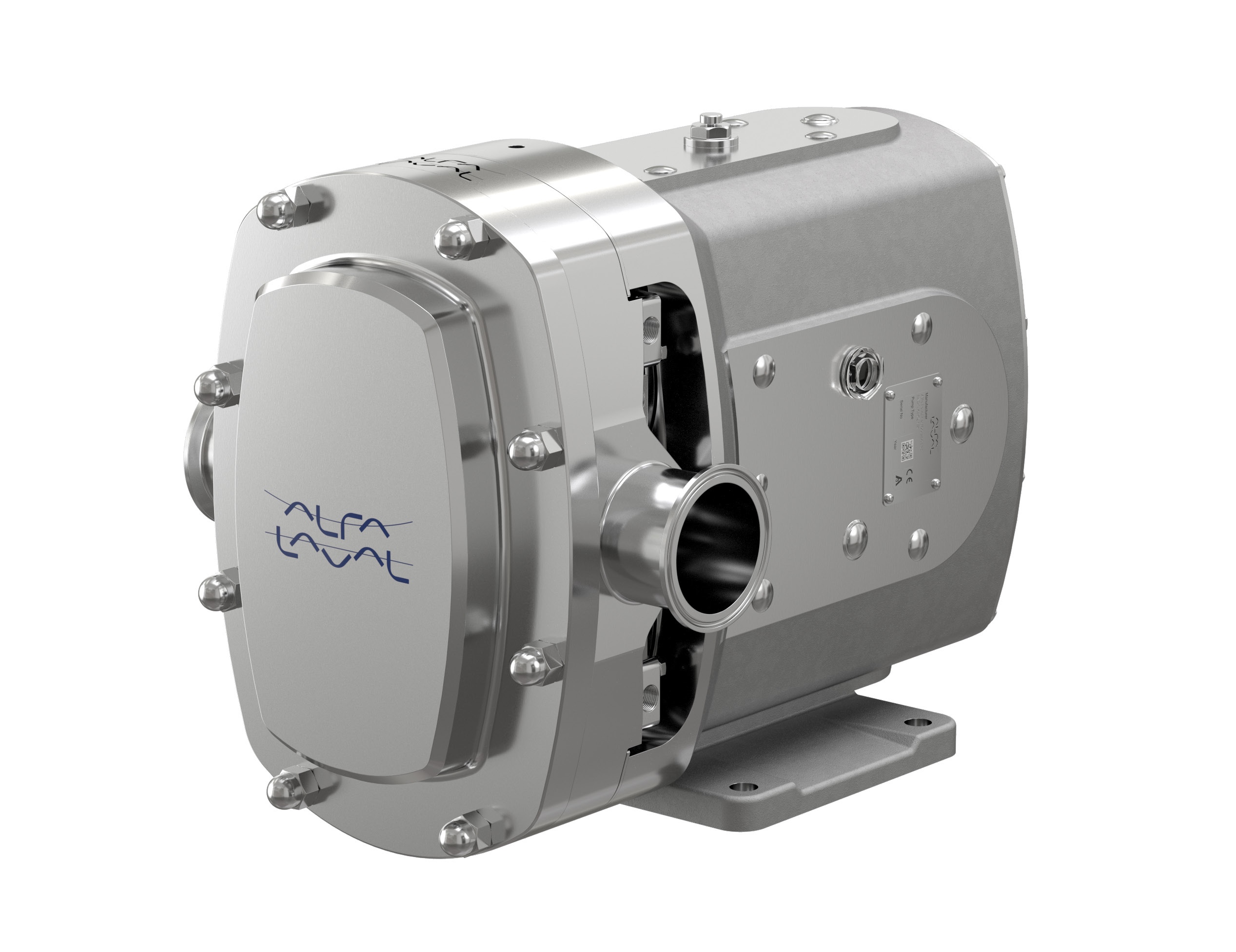
A hygienic circumferential piston pump for low-viscosity duties that need pressure. Certified to EHEDG and 3-A, in 13 displacements.
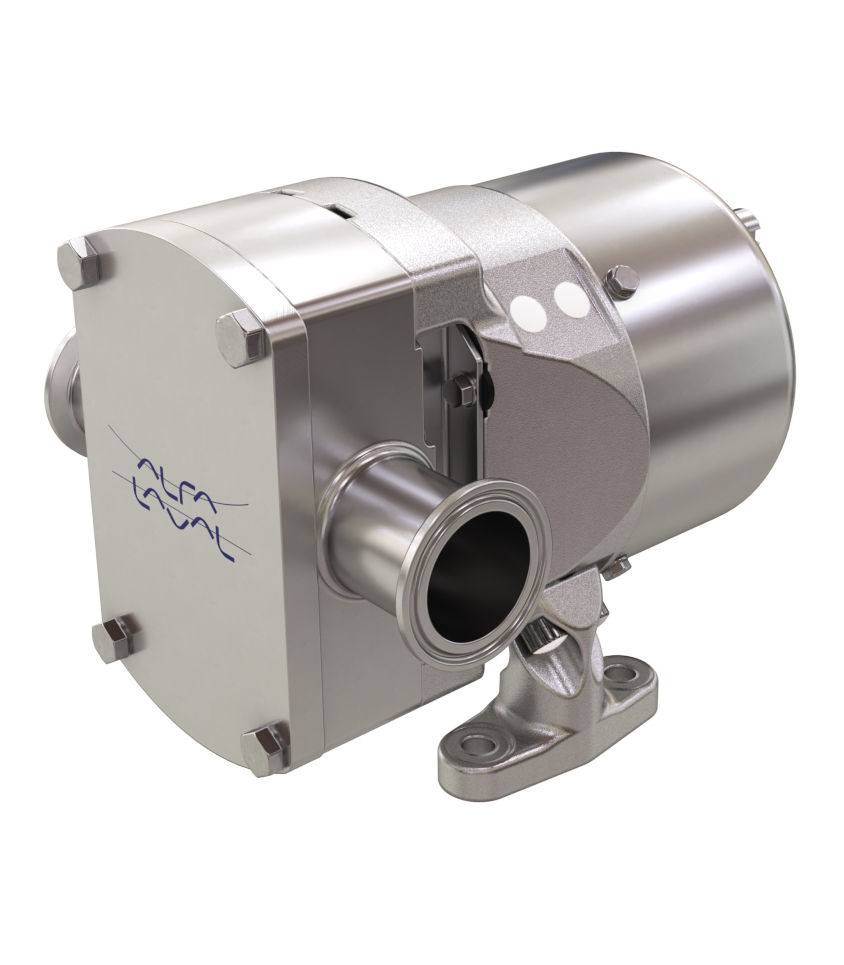
Alfa Laval's cost-effective hygienic rotary lobe pump, in 10 displacements to 77 m³/h and 8 bar, with an all-stainless exterior.
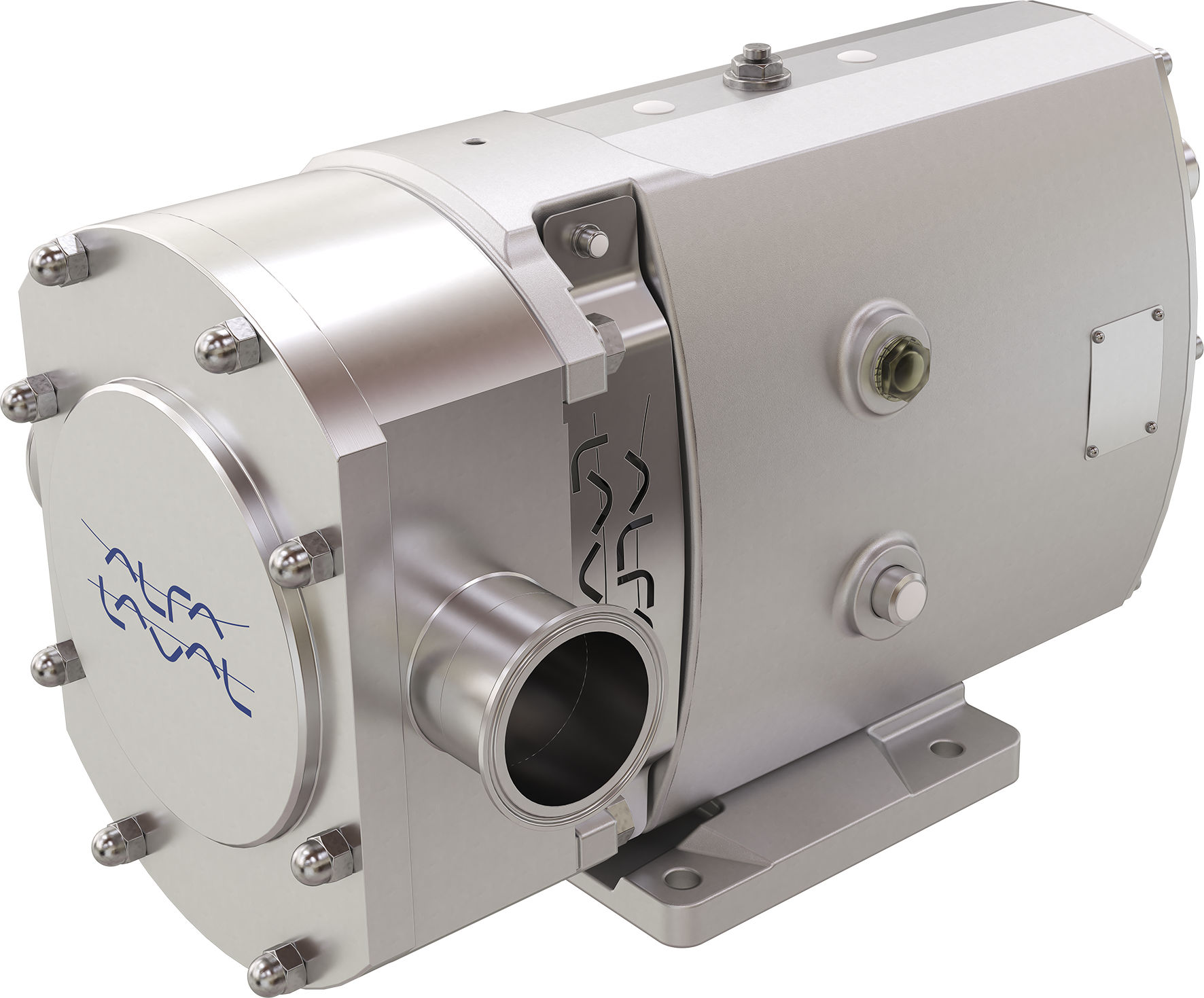
Alfa Laval's hygienic rotary lobe pump for shear-sensitive and viscous product, in 12 displacements to 106 m³/h and 20 bar.
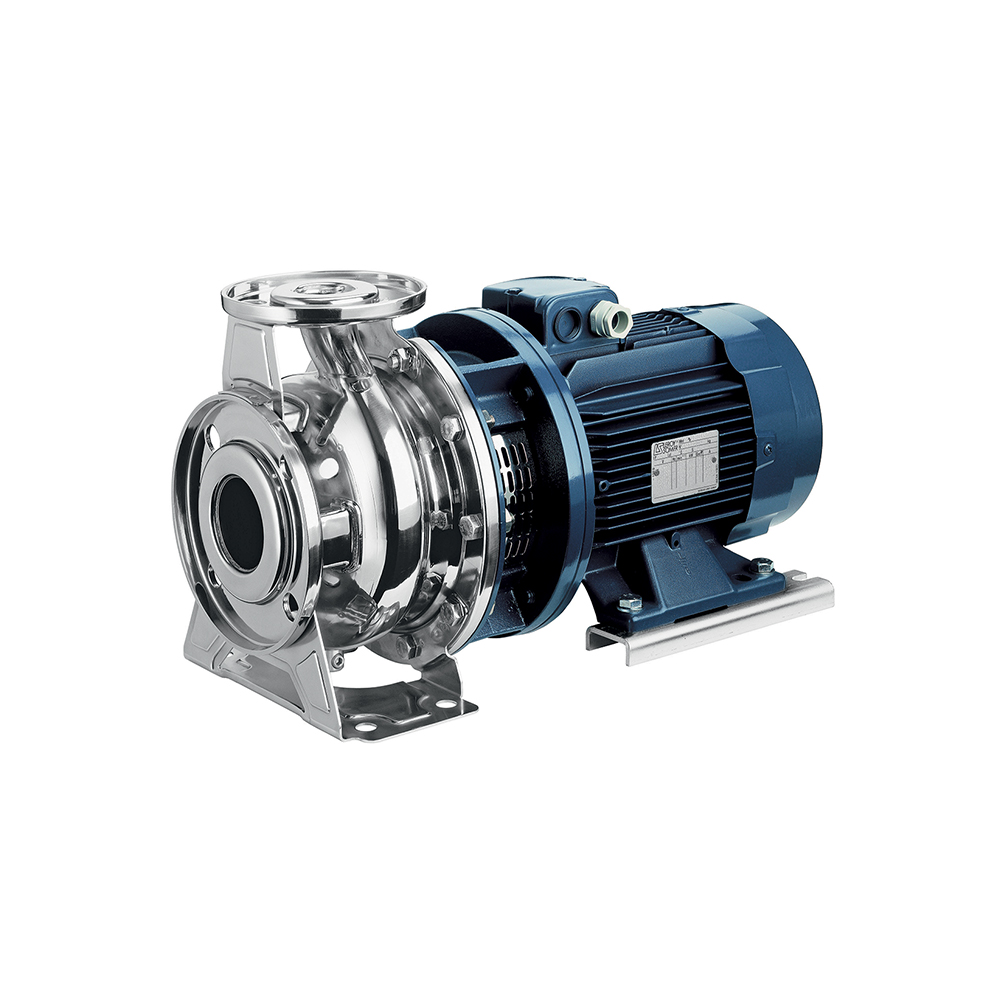
The Ebara 3M series is the monobloc build of Ebara's AISI 304 stainless EN 733 end suction pump. Sizes, seals, single-phase options and UK supply.
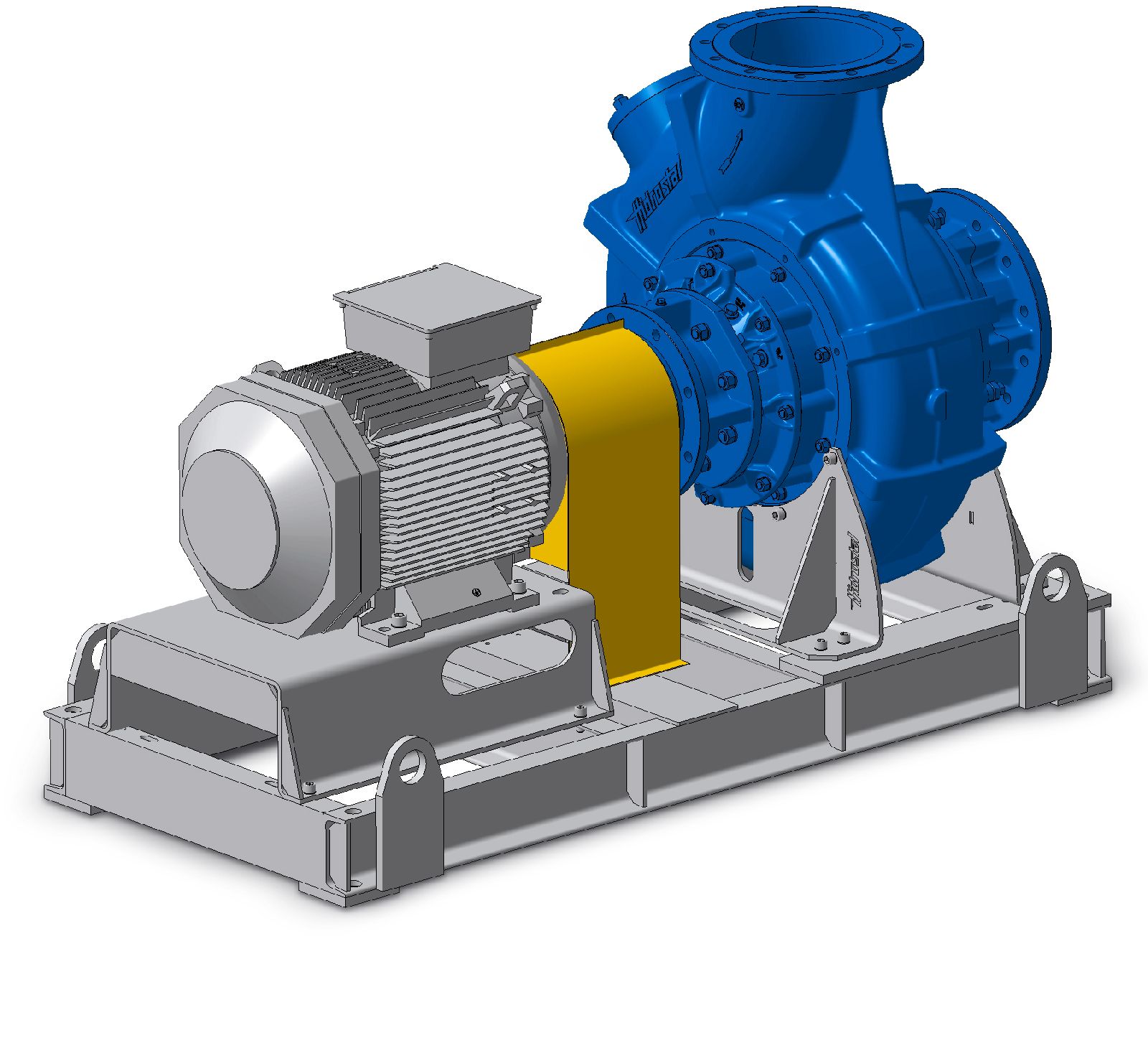
Hidrostal bearing frame pumps: dry-installed screw centrifugal end suction, 0.5–3000 l/s to 90 m, 32–700 mm, horizontal or vertical. Specs and selection.
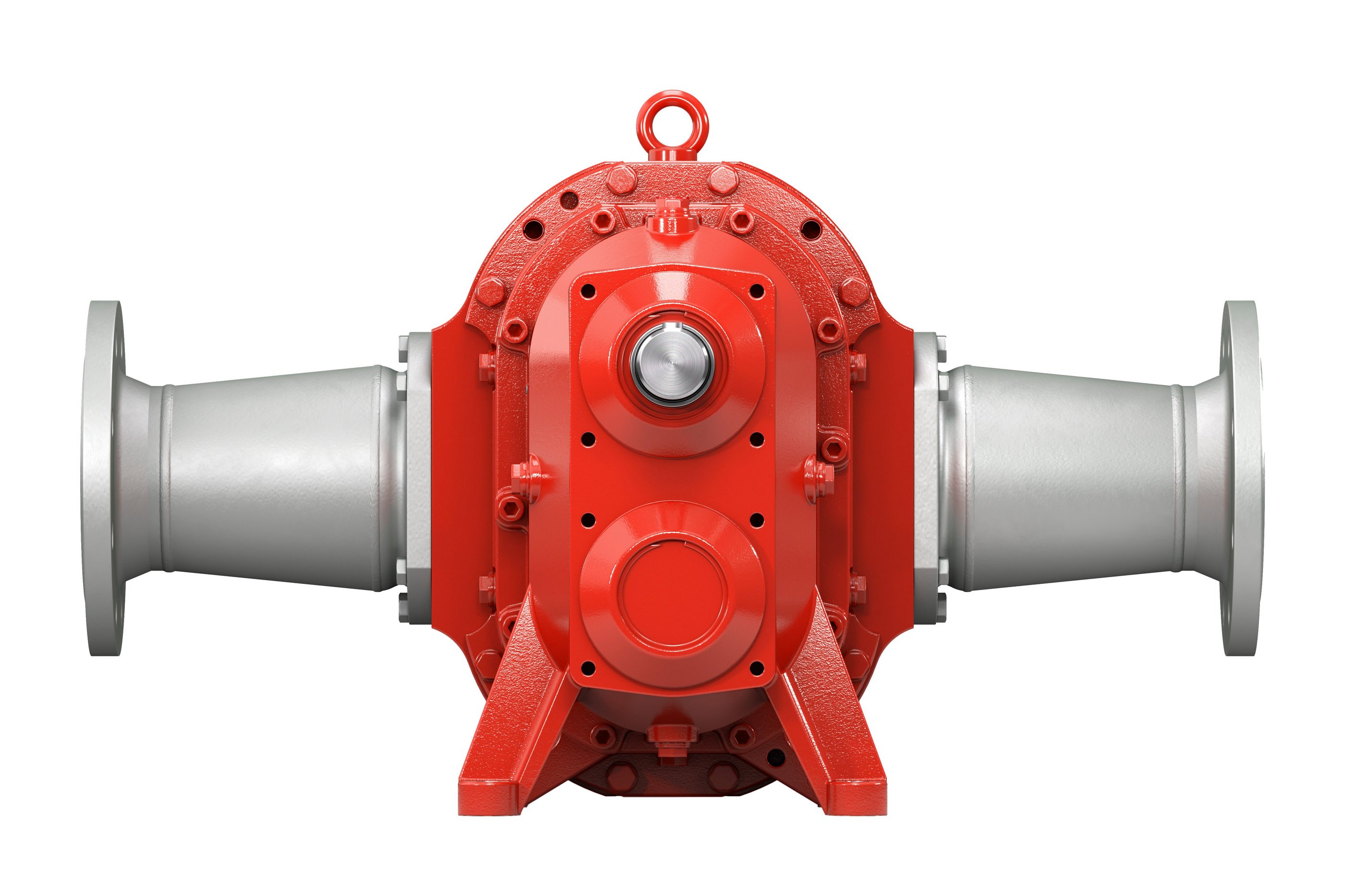
Flow, pressure and build options for the Vogelsang VY series rotary lobe pumps, VY100 and VY136, and how the one-piece CIP/SIP housing differs from the VX.
Standards & compliance
Beverage sits under the same hygienic design schemes as the rest of food. EHEDG publishes design and cleanability criteria for process equipment and runs a certification scheme against them. 3-A Sanitary Standards does the equivalent job for product-contact equipment.
The part worth holding on to is who issues what. A certificate belongs to a manufacturer and to a specific model, not to a pump type and not to the company selling it. We do not issue one and neither does anybody else in the supply chain. So ask which certificate the model in front of you actually holds, and get the document rather than the claim. The same goes for the food-contact materials: the stainless grade and the elastomers in the seals and gaskets need a declaration from the manufacturer, and it is a fair thing to ask for before you order.
Distilleries and anywhere spirit vapour can escape are a separate question. The site classifies the area into a zone. The equipment then has to carry an ATEX category rated for that zone, pump and motor both, and that certification again comes from the manufacturer. Tell us the zone your area is classified as and we will match equipment to it.
Frequently asked
What pump is best for transferring beer without losing carbonation?
Carbonation comes out of solution when the pressure drops or the liquid is beaten, so keep both low. For clean, finished beer at volume, a hygienic centrifugal pump is the sensible buy. For high-gravity or delicate product, a rotary lobe pump run slowly is gentler. Speed matters more than type here.
How do I pump yeast without damaging it?
Use a positive displacement pump, a rotary lobe for preference, and run it slowly. It moves the slurry by displacement rather than shearing it, which protects cell viability. The speed is the part people miss, because the gentleness never appears on a performance curve.
Does hot wort change which pump I can use?
Yes, and it usually decides it. Heat makes the sealing arrangement harder to get right and shortens the list of pumps that will hold up. Select against the hot leg and the temperature of the caustic clean, not the average temperature of the line.
Do brewery pumps need to be clean-in-place?
In practice, yes. Cleaning in place lets you flush and sanitise pumps between batches without stripping them, so spoilage organisms do not carry over. A weak procedure, or none at all, costs you product rather than a pump. Specify a head that drains and has no dead legs.
Can Channel Pumps size a pump for my brewery or beverage line?
Yes. Send the stage and the medium, its viscosity at its worst rather than typically, the temperature of both the duty and the clean, the gas or solids it carries, and the flow and head. We will tell you which type it wants.