
About Alfa Laval
Alfa Laval dates from 1878, when Gustaf de Laval and Oskar Lamm patented a milk separator. The company that grew out of that patent, AB Separator, took the Alfa-Laval name in 1963: Alfa from the alpha disc stack, Laval from the founder. Today the group works in heat transfer, separation and fluid handling.
The pumps arrived by acquisition. Alfa Laval entered fluid handling in 1971 by taking a majority interest in Lavrids Knudsens Maskinfabrik, a Danish machine works. They landed in a business that had been building dairy separators since the 1880s, and the design priorities show it: a head that drains, a seal you can clean past, and no crevice for product to sit in. It is why these ranges turn up in breweries and pharmaceutical plants rather than on a general industrial water duty.
Paul Foster worked at Alfa Laval before he founded Channel Pumps in 2001. He was UK Sales Manager and then Environmental and Export Manager, running the wastewater half of the positive displacement business: diaphragm, rotary lobe and progressing cavity, including responsibility for the SSP single and double disc pumps. That is his career rather than the company's record. What it means in practice is that the questions we ask about an Alfa Laval duty come from having sold and specified the range.
The Alfa Laval range we supply
View all →The medium picks the family, and the family narrows to a range.
| Family | Ranges we supply | Suits |
|---|---|---|
| Rotary lobe | SRU, SX, OptiLobe | Viscous and shear-sensitive product |
| Circumferential piston | DuraCirc | Hygienic duty at higher discharge pressure |
| Hygienic centrifugal | LKH UltraPure, SolidC | Thin product and clean-in-place circulation |
| Liquid ring | MR | Liquid carrying entrained air, usually CIP return |
Three rotary lobe pumps, and they are not interchangeable. The SRU is the general hygienic lobe: low-shear, low-pulsation, drainable head, rated by Alfa Laval to 106 m³/h, 20 bar differential pressure and 200°C. The SX is the premium version for ultra-clean biotech and pharmaceutical work, to 115 m³/h and 15 bar at 150°C, with no internal contacting parts in the pump head. The OptiLobe is the cost-effective one, aimed at general food, dairy and beverage duty where you want gentle product treatment and easy servicing without paying for the pharmaceutical build.
Pick on the process, not on the price list. An OptiLobe on a biotech duty is a false economy. An SX on a chocolate transfer is money you did not need to spend, and we will say so.
The DuraCirc is a circumferential piston pump. Positive displacement like the lobes, but built for pressure: Alfa Laval rates it to 150 m³/h and 40 bar, with a front-loading, self-setting single mechanical seal and a low NPSHr. Specify it where the discharge pressure is beyond what a lobe pump will hold, or where the suction conditions are tight enough that NPSH margin is the constraint on the whole selection.
On thin product the two hygienic centrifugals take over. The LKH UltraPure is the efficient one, with a low NPSHr, and it goes on continuous transfer and clean-in-place circulation in pharmaceutical and biotech plants. The SolidC is the simpler high-purity pump for basic transfer, with a defined O-ring groove that leaves no crevice for contaminants and an external shaft seal whose wear parts sit on the atmospheric side rather than in the product stream.
Both are centrifugals, so both give up flow as system pressure rises. If the product is thin and stays thin, that is the right trade and the lobe pump is money wasted.
The MR is the one people miss. It is a self-priming liquid-ring centrifugal rather than a conventional one, built to move liquid with air or gas entrained in it. Its usual job is CIP return, pulling cleaning solution back out of a vessel where a normal centrifugal would gas lock and stop pumping. If you have a return line that keeps losing prime, this is the pump the duty wants.
One Alfa Laval range you cannot buy new. The SSP single and double disc pumps ceased manufacture in 2017. We still supply SSP spares other than the major housings. If you are replacing a double disc on sludge, the Penn Valley double disc directly replaces it, and in our experience it outlasts the pump it succeeds.
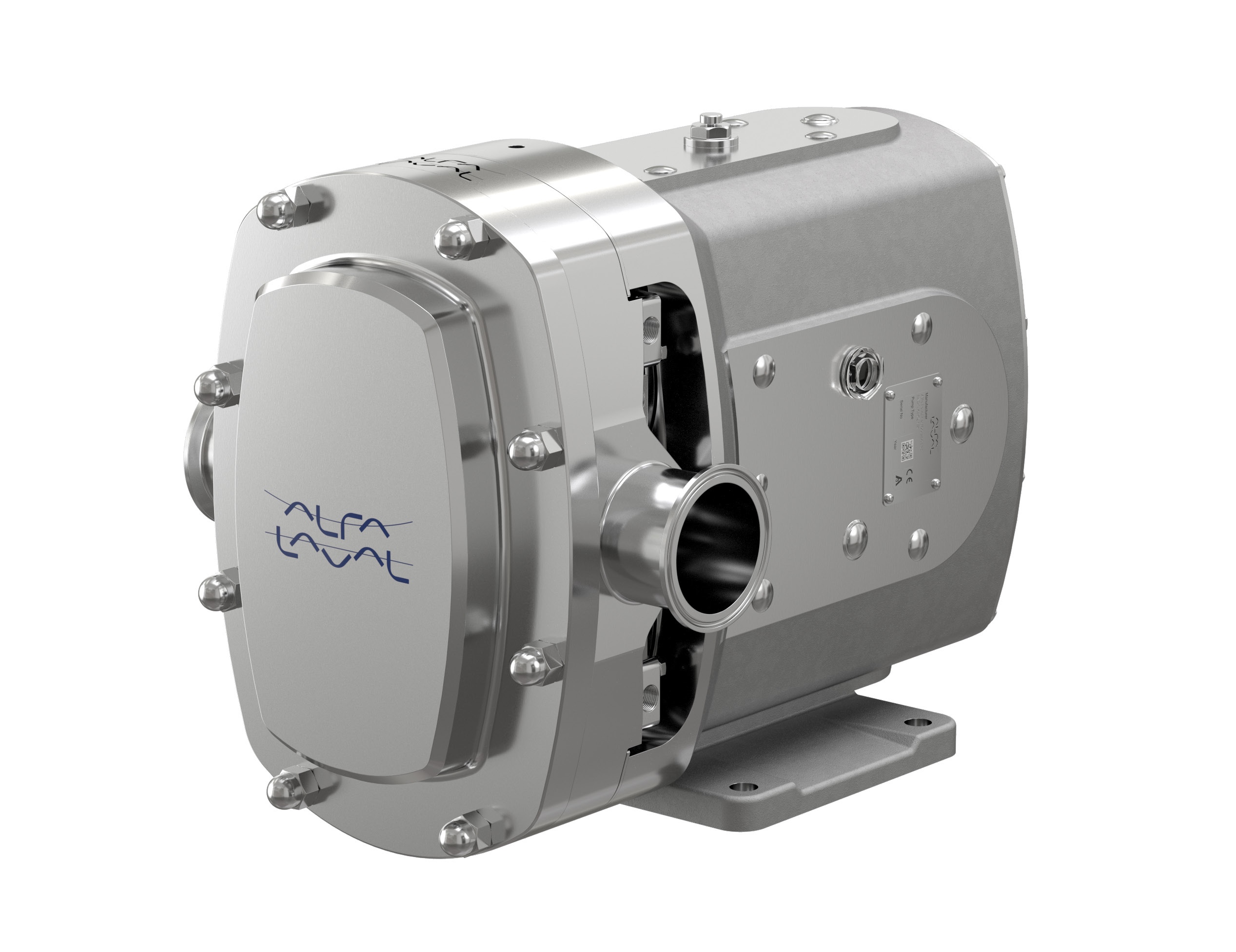
A hygienic circumferential piston pump for low-viscosity duties that need pressure. Certified to EHEDG and 3-A, in 13 displacements.
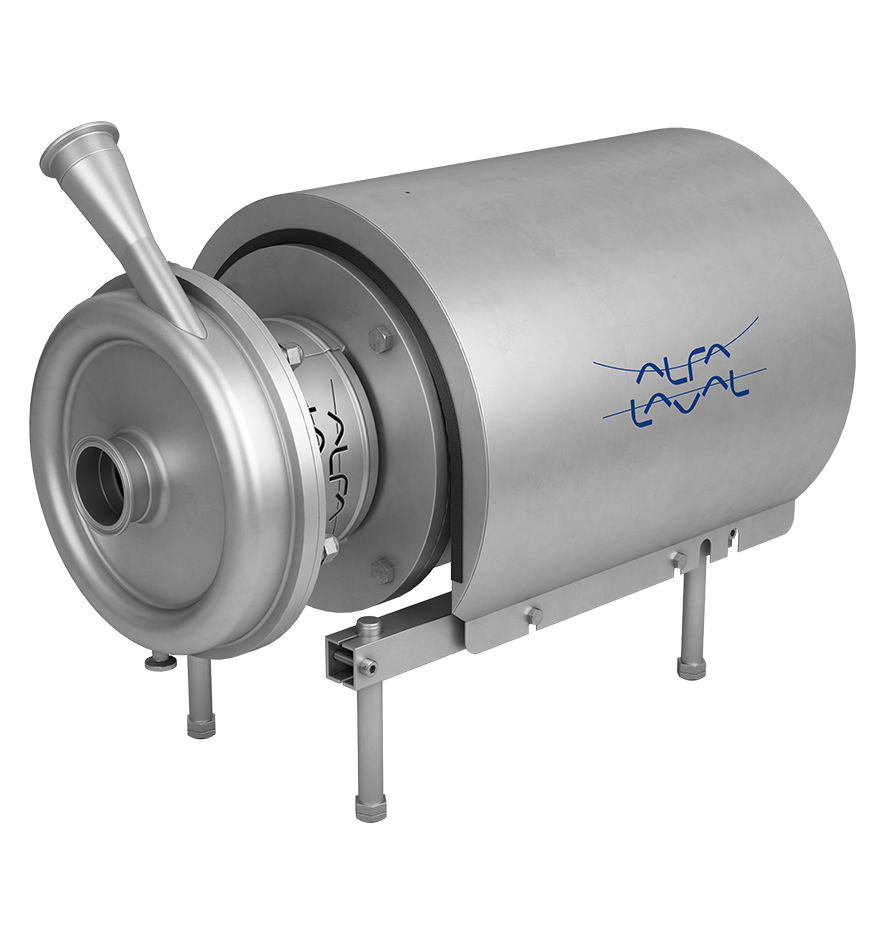
A high-purity hygienic centrifugal pump for biotech and pharmaceutical process duties. EHEDG certificate, full material traceability, eight sizes.
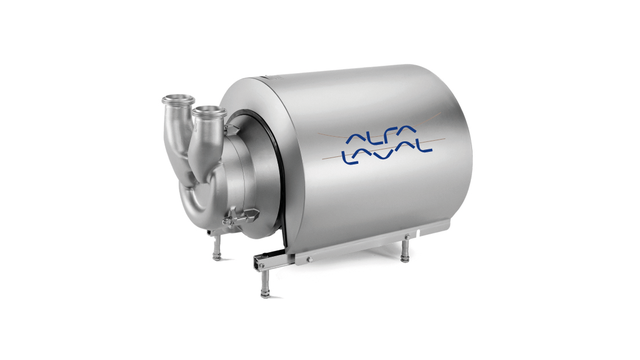
A liquid-ring pump for CIP return and other duties where the liquid arrives with air or gas in it. Three sizes to 80 m³/h.
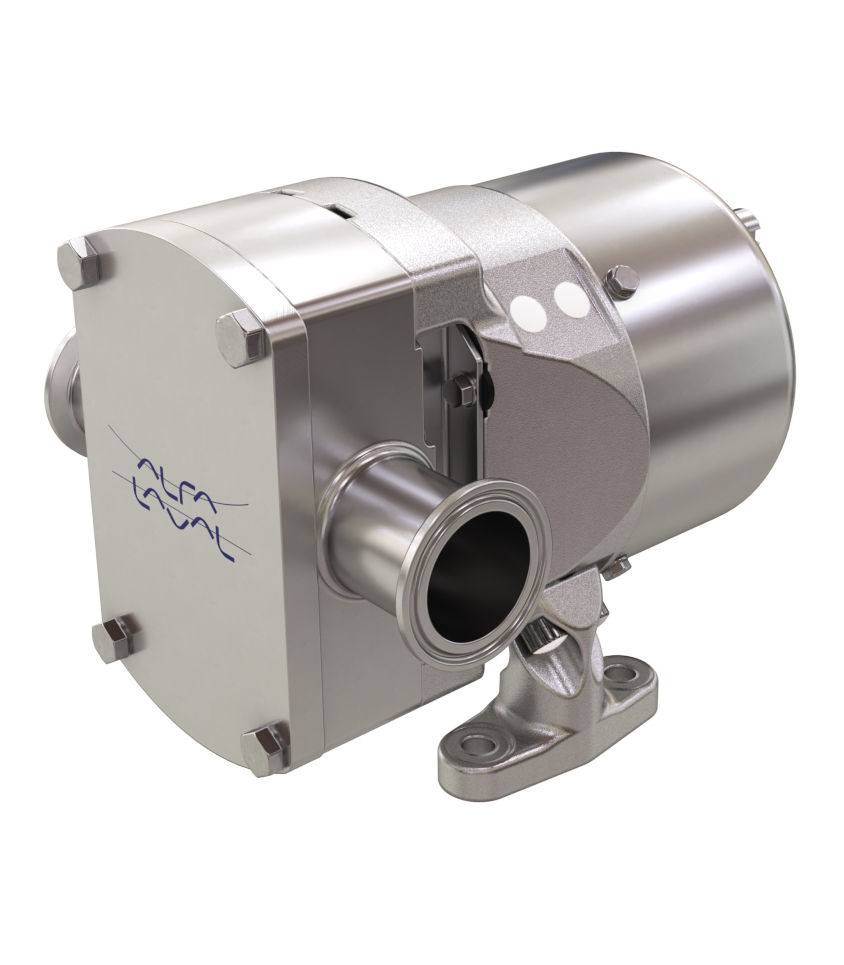
Alfa Laval's cost-effective hygienic rotary lobe pump, in 10 displacements to 77 m³/h and 8 bar, with an all-stainless exterior.
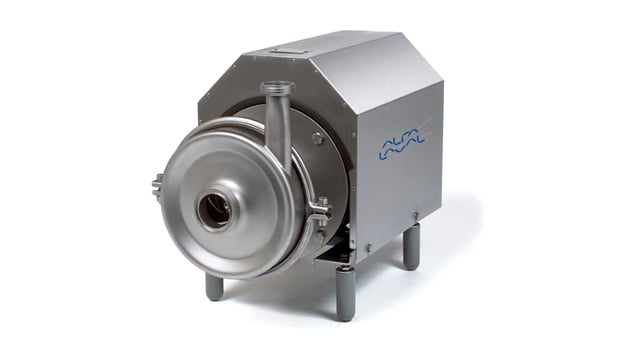
A standardised hygienic centrifugal pump for basic CIP and transfer duties, in four sizes, with an UltraPure execution for pharmaceutical work.
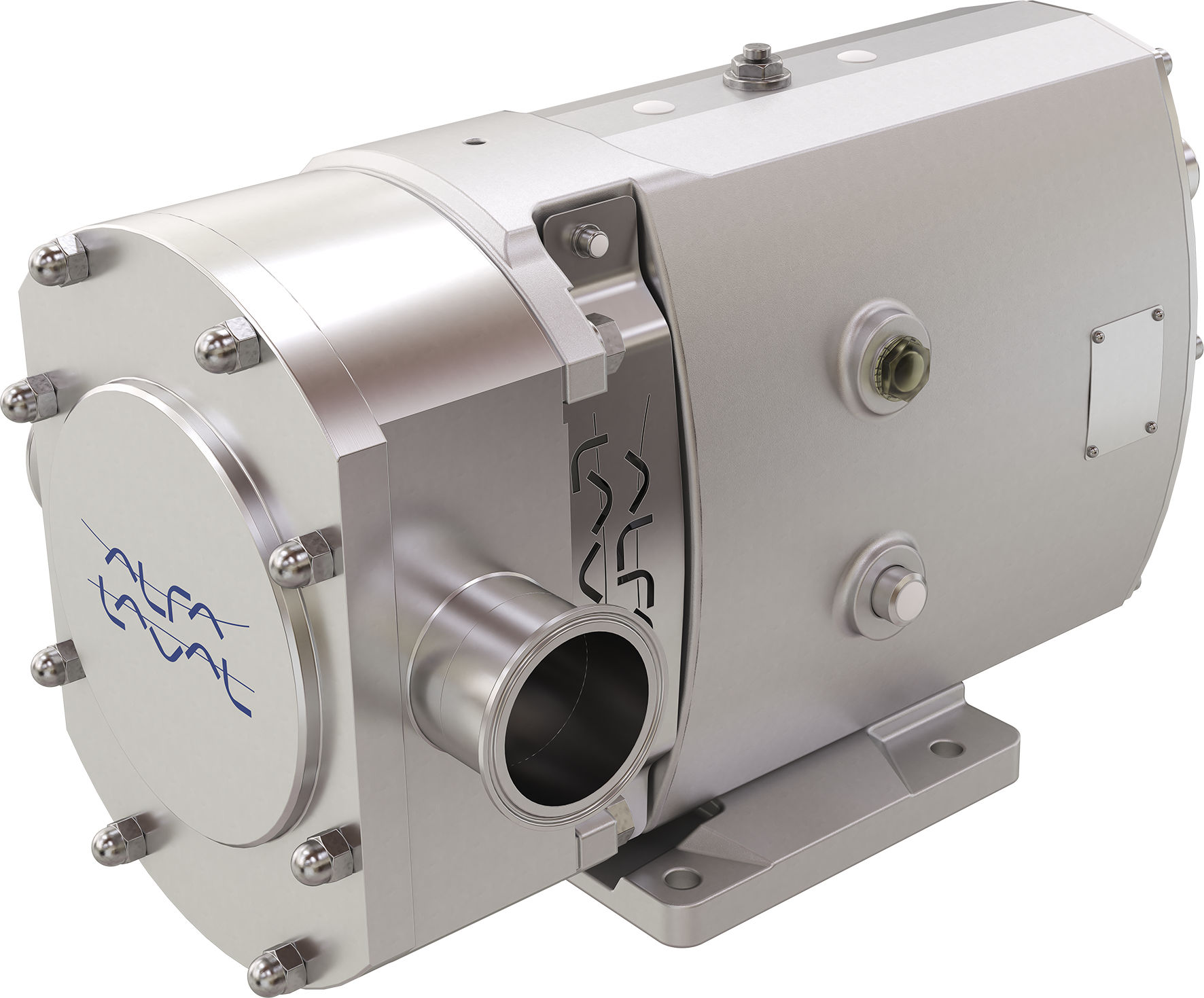
Alfa Laval's hygienic rotary lobe pump for shear-sensitive and viscous product, in 12 displacements to 106 m³/h and 20 bar.
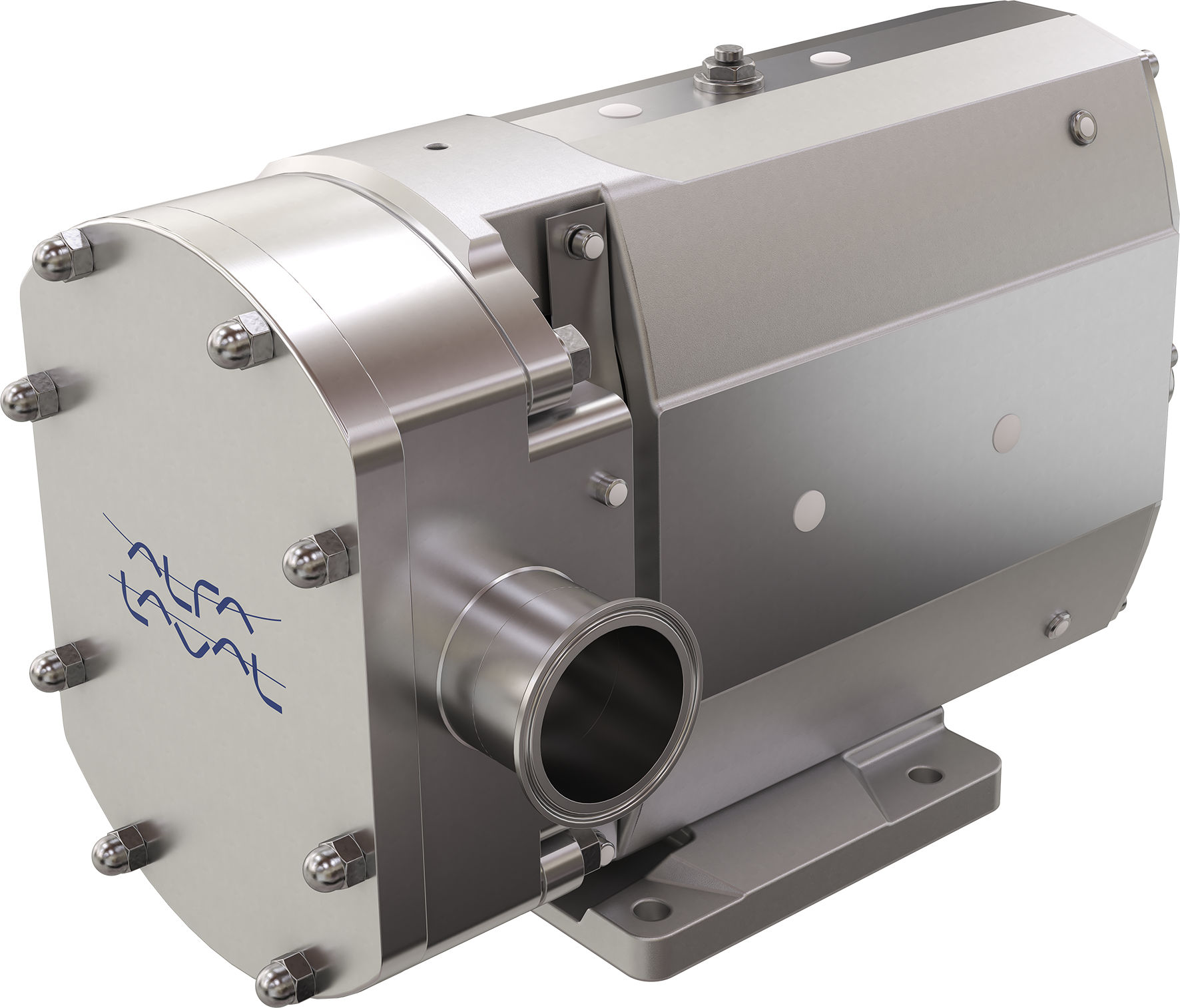
Alfa Laval's premium hygienic rotary lobe pump, in 14 displacements to 115 m³/h and 15 bar, with a fully drainable pump head for CIP and SIP.
Standards & quality
Two schemes decide most hygienic and hazardous-area enquiries, and both attach to a specific build rather than to a range.
EHEDG (European Hygienic Engineering & Design Group) publishes hygienic design criteria and runs a certification scheme against them. 3-A Sanitary Standards does the equivalent job in the United States. Material documentation is separate again: EN 10204 3.1 certificates for the wetted metal, USP Class VI for the elastomers. Alfa Laval states EHEDG certification for the SolidC UltraPure and LKH UltraPure ranges, and what that covers is one configuration, down to the surface finish, the elastomer, the seal arrangement and the connections. Change the seal or the elastomer to suit your medium and you have changed what the certificate applies to.
Hazardous areas work the same way and get described backwards more often than not. Under the ATEX Directive 2014/34/EU the area is classified into a zone, and the equipment is certified for use in that zone. The certificate covers one build for one zone, and it is Alfa Laval's to issue.
So send the zone, the medium, the temperature and the cleaning regime with your enquiry. We get the documentation for that exact build and it comes back with the quote, rather than being chased once the pump is on site. On a genuinely awkward duty we take the manufacturer's engineer to site with us, which is normal practice here rather than an escalation.
Frequently asked
What are Alfa Laval pumps used for?
Hygienic process duties, mainly food, dairy, beverage, biotech and pharmaceutical. The rotary lobe and circumferential piston ranges move viscous and shear-sensitive product gently. The hygienic centrifugals handle thin product and clean-in-place circulation, and the MR liquid ring pump handles CIP return where the liquid carries entrained air.
How do I identify which Alfa Laval pump I have?
Read the model designation and the serial number off the nameplate. On an Alfa Laval pump the plate is cast into the back of the unit. Photograph it and send us the picture: we will read the build off it and tell you what you have, which is quicker than working through a catalogue of near-identical variants.
How do I order an Alfa Laval service kit?
Service kits quote off the model and the serial number together, not the model alone, because the seal and elastomer build varies within a range. Send us both, or a photograph of the nameplate, and we will get the right kit for the pump you actually have.
Which Alfa Laval pump suits viscous or shear-sensitive product?
A rotary lobe pump, and which of the three depends on the process. The SRU covers general hygienic duty, the SX suits ultra-clean biotech and pharmaceutical work, and the OptiLobe is the cost-effective choice for general food and beverage transfer. Where the discharge pressure is higher than a lobe pump will hold, the DuraCirc is the answer instead.
Are Alfa Laval pumps EHEDG certified?
Alfa Laval states EHEDG certification for the SolidC UltraPure and LKH UltraPure ranges. Certification attaches to a specific build rather than to a whole family, so it depends on the surface finish, elastomers, seal arrangement and connections you specify. Tell us the hygienic requirement and we will get the certificate for that build with the quote.
Are Alfa Laval pumps certified for hazardous areas?
Under the ATEX Directive 2014/34/EU the area is classified into a zone and the equipment is certified for use in that zone. A certificate covers one build for one zone, and Alfa Laval issues it. Send us the zone and the medium and we will get the certificate for the exact build you need.
Is the Alfa Laval SSP double disc pump still made?
No. The SSP single and double disc pumps ceased manufacture in 2017. We still supply SSP spares other than the major housings, and Penn Valley's double disc directly replaces the pump on sludge.