What a transfer duty asks of the pump
A transfer duty asks two things of a pump: shift the volume, and survive the medium. The second one is the hard one.
Flow and head are the figures a customer always has, and they are the easy part. What decides the build sits underneath them: how thick the medium gets at its worst, what temperature it arrives at, whether it carries solids, whether those solids have to reach the outlet intact, whether it is abrasive, and whether the duty is hygienic. A pump sized for clean water will run short, or fail outright, on a viscous or solids-laden medium.
The other half of the problem is not the pump at all. Transfer pumps get specified as though the pipework, the suction tank and the rest of the installation were somebody else's problem, and often they were, installed by others or inherited with the site. Most of what then goes wrong presents as a pump fault and is a system fault. If NPSHa at the duty point does not exceed the pump's NPSHr, the pump cavitates whatever badge is on the casing, and the usual cause is a suction tank or a suction head that is too small.
We have talked customers out of new pumps for exactly this. A food line with repeated suction inlet blockages across a bank of pumps asked us to replace all of them with something bigger. The pumps were sized correctly. A new housing with a larger inlet fixed it, and the pumps stayed where they were.
What to look for in a transfer pump
Match the pump type to the medium first, then check the build. The trade rule of thumb is roughly 3–4% solids: above that, come off a centrifugal pump onto positive displacement.
| The medium | Usual choice | Why |
|---|---|---|
| Water, or as water, at higher flow | Centrifugal | Efficient to buy and to run while viscosity stays low |
| Viscous, or viscosity that varies | Rotary lobe or other positive displacement | Flow holds within a few per cent as pressure moves |
| Shear-sensitive product, or solids to keep intact | Positive displacement, run slowly | Displacement rather than impeller velocity |
| Above roughly 3–4% solids | Positive displacement | A centrifugal loses performance and blocks |
| Metered or dosed transfer | Progressive cavity or similar | Volume per revolution is the measurement |
Then work through the build. Check the wetted materials against the medium's chemistry and its temperature together, because an elastomer that suits the one can fail at the other. Check the duty point sits near the best efficiency point rather than off the end of the performance curve. Check NPSHa at that duty point exceeds the pump's NPSHr, with margin. Check for self-priming if the pump sits above the medium. Check the sealing arrangement against what a seal failure would cost you in lost product, because the seal is the weak point in almost any pump.
One honest limit. If you already know the model you want and just need it shipped, a merchant will beat us on price and we add nothing to the transaction. We are worth calling when nobody has yet worked out what the pump should be, or when a transfer pump keeps failing and the reason is not obvious.
Transfer pumps we supply
View all →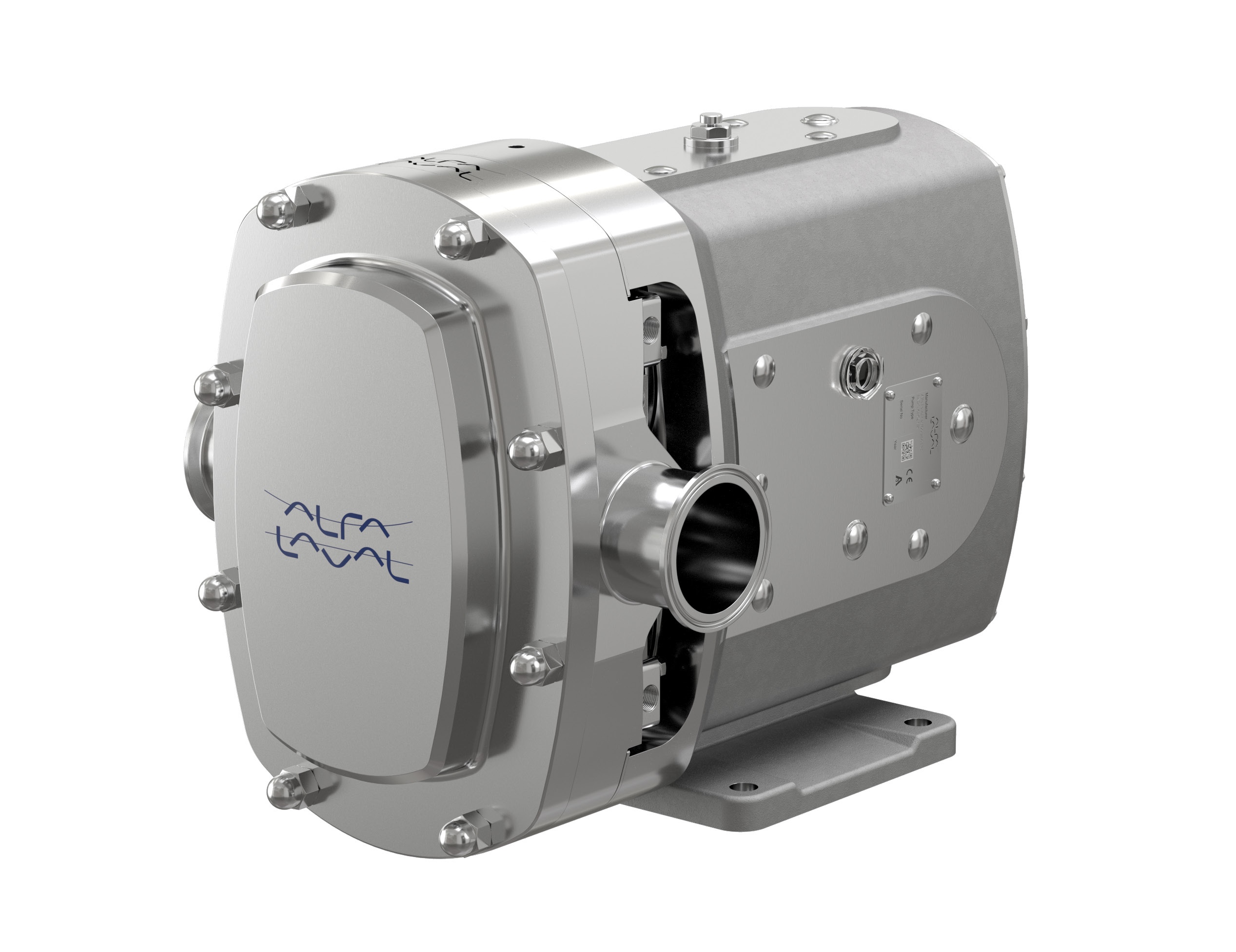
A hygienic circumferential piston pump for low-viscosity duties that need pressure. Certified to EHEDG and 3-A, in 13 displacements.
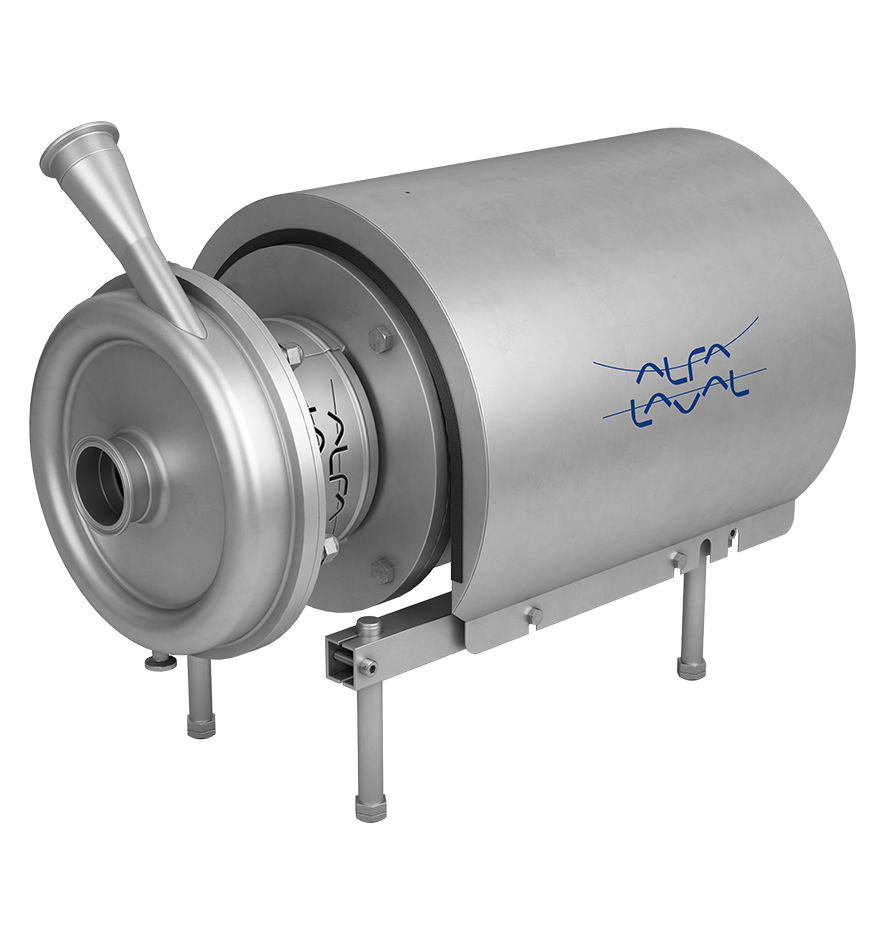
A high-purity hygienic centrifugal pump for biotech and pharmaceutical process duties. EHEDG certificate, full material traceability, eight sizes.
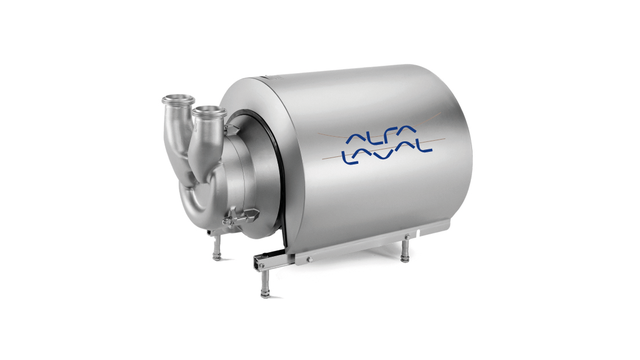
A liquid-ring pump for CIP return and other duties where the liquid arrives with air or gas in it. Three sizes to 80 m³/h.
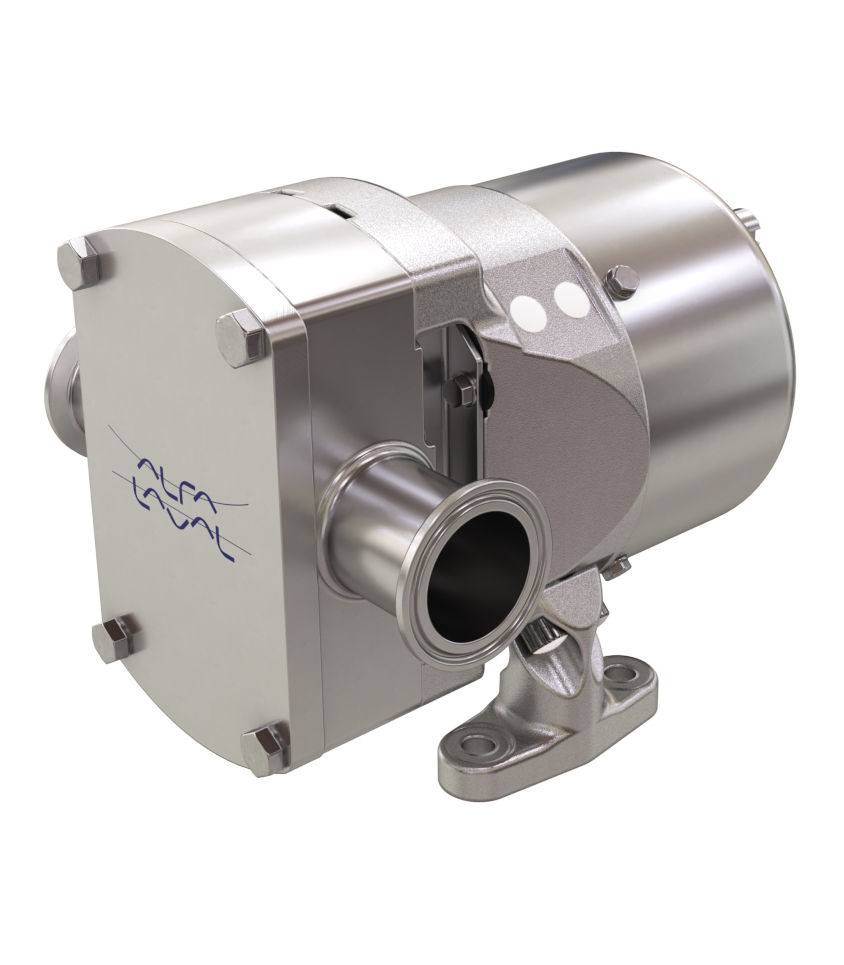
Alfa Laval's cost-effective hygienic rotary lobe pump, in 10 displacements to 77 m³/h and 8 bar, with an all-stainless exterior.
A standardised hygienic centrifugal pump for basic CIP and transfer duties, in four sizes, with an UltraPure execution for pharmaceutical work.
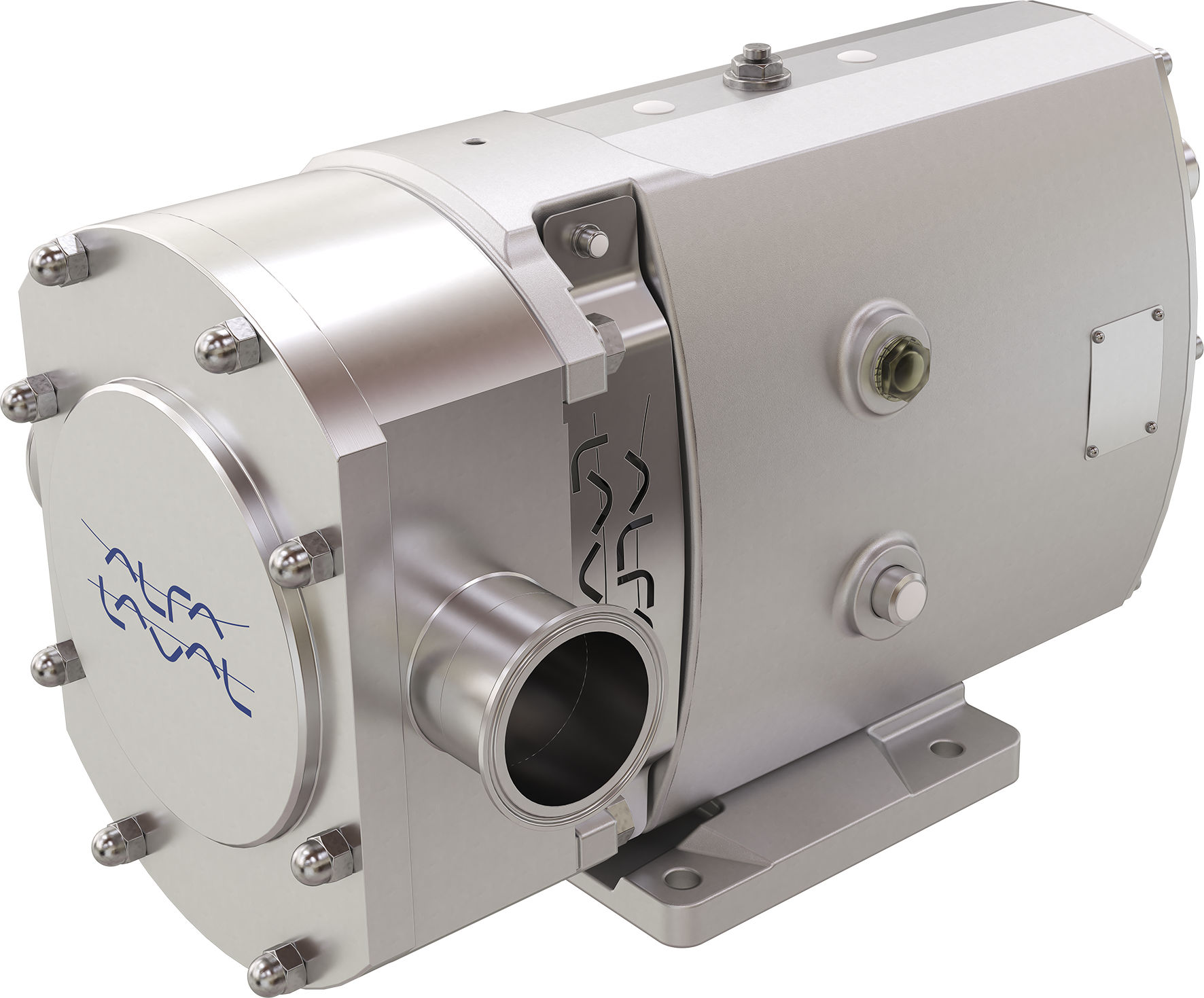
Alfa Laval's hygienic rotary lobe pump for shear-sensitive and viscous product, in 12 displacements to 106 m³/h and 20 bar.
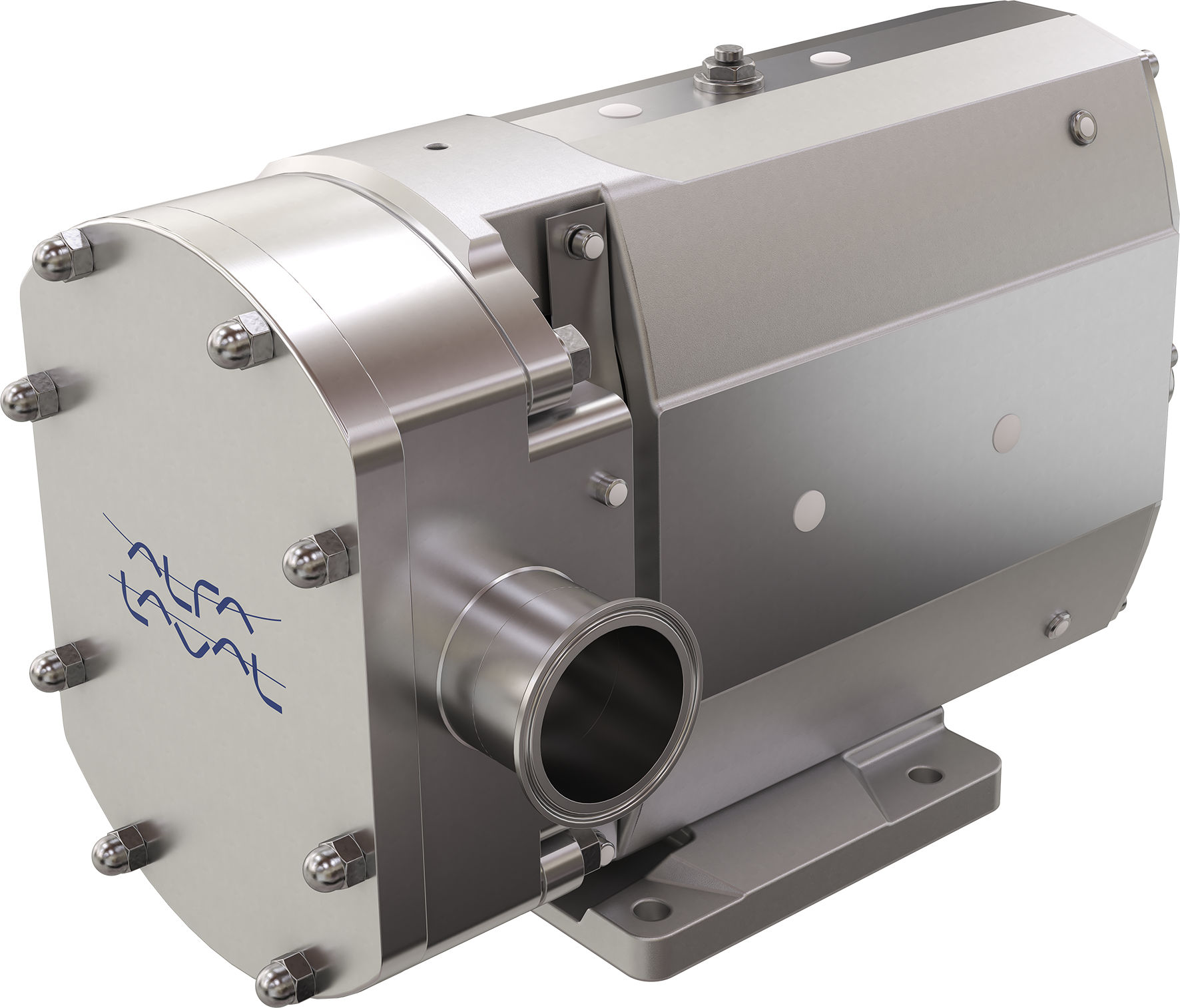
Alfa Laval's premium hygienic rotary lobe pump, in 14 displacements to 115 m³/h and 15 bar, with a fully drainable pump head for CIP and SIP.
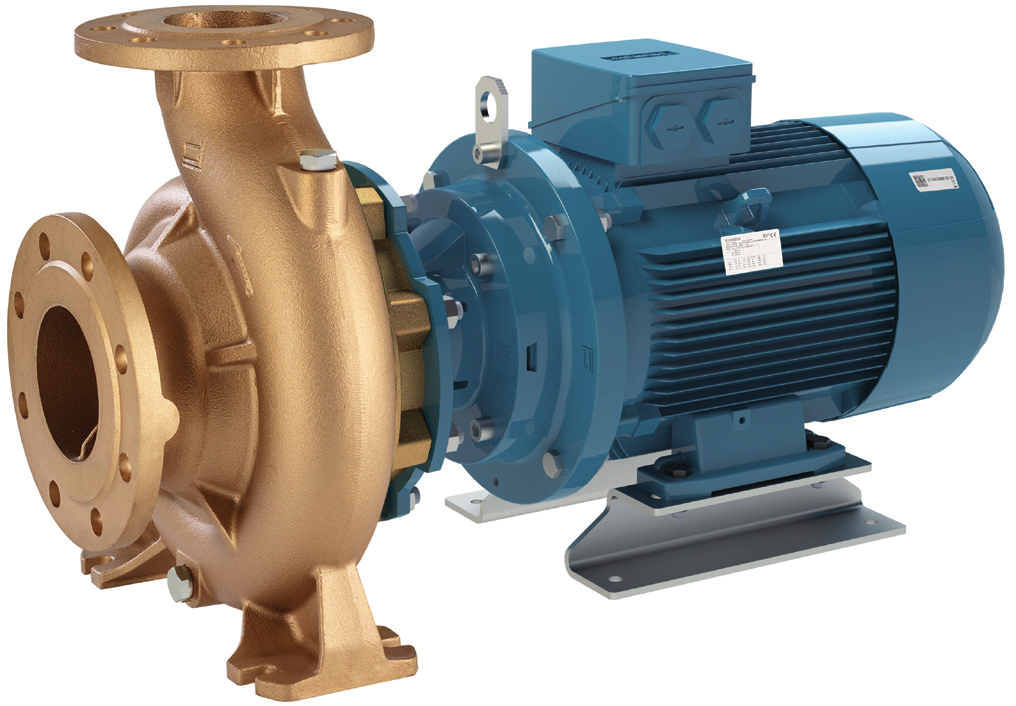
Calpeda BNM, BNMS, BNM4 and BNMS4 are the bronze versions of the NM, NMS end suction range, on EN 733 dimensions and rated to 10 bar.
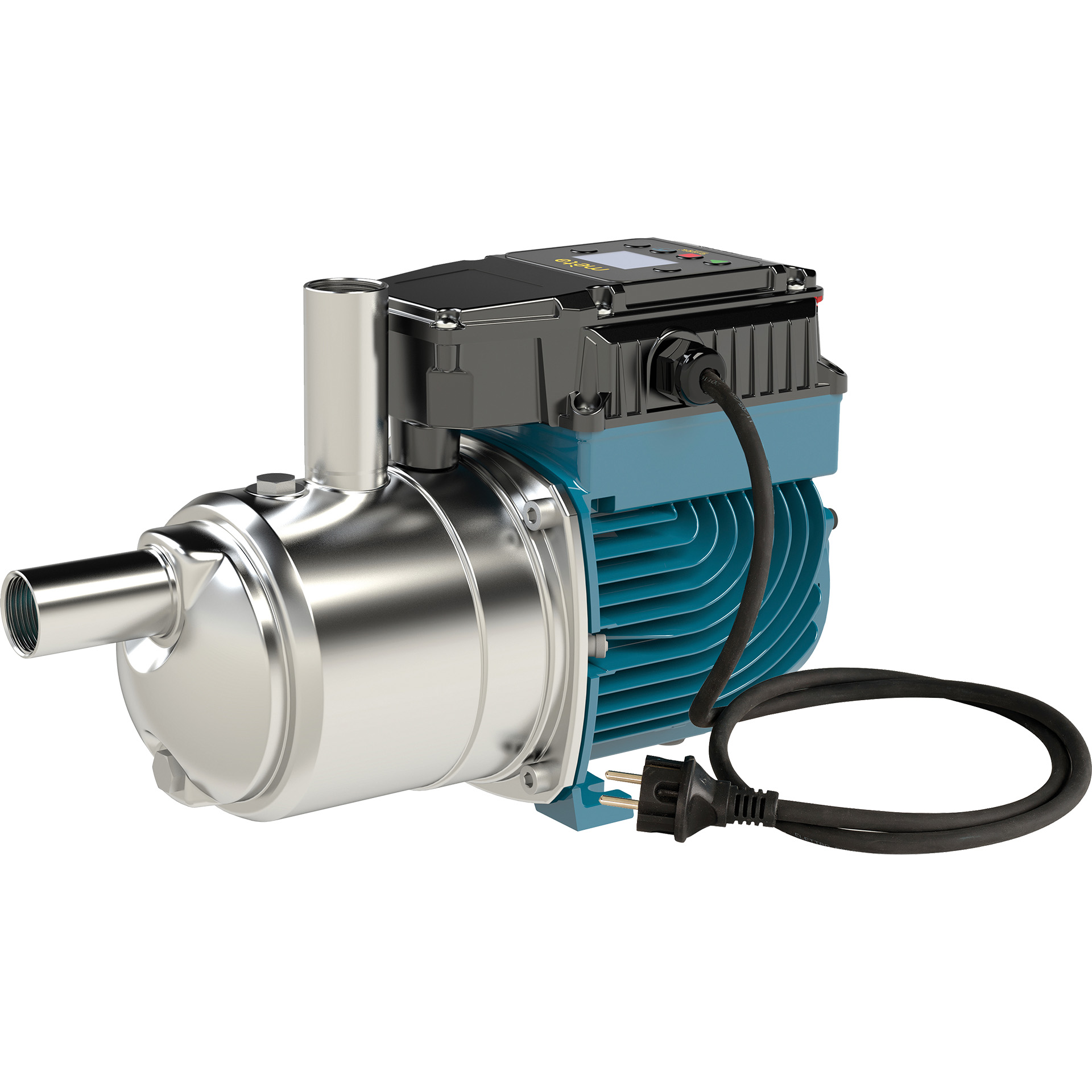
Calpeda e-idos pumps carry the pressure transducer and control on board. MÈTA, E-MXP, E-NGX and E-MPS, to 8 m³/h and 66.5 m per pump.
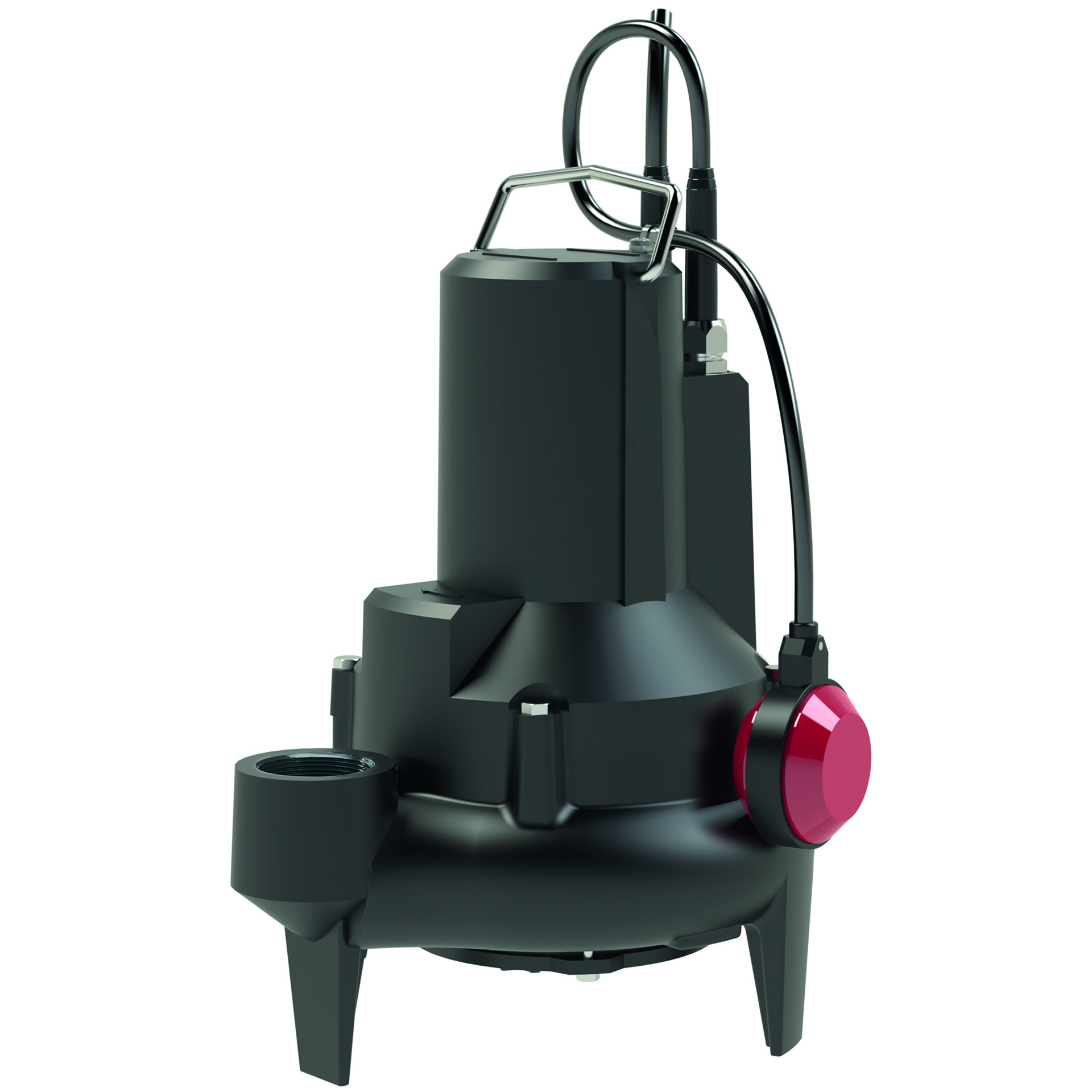
The Calpeda GM 50 is a cast iron submersible sewage pump. The GMC single-channel impeller passes 45 mm solids, the GMV free-flow vortex 50 mm.
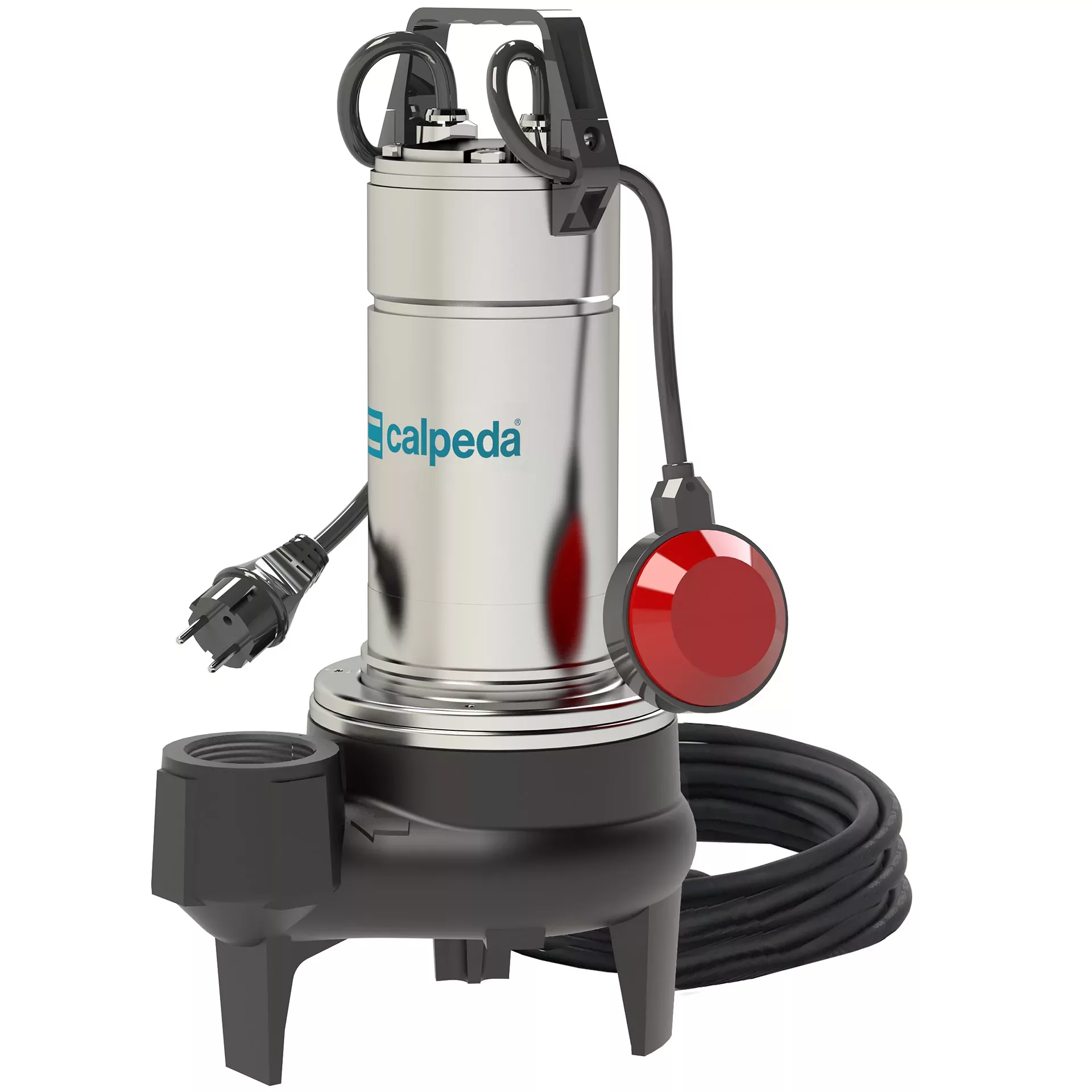
The Calpeda GQN is a cast iron submersible sewage pump with a channel impeller, passing 50 mm solids to 48 m³/h and 16.4 m on a G 2 discharge.
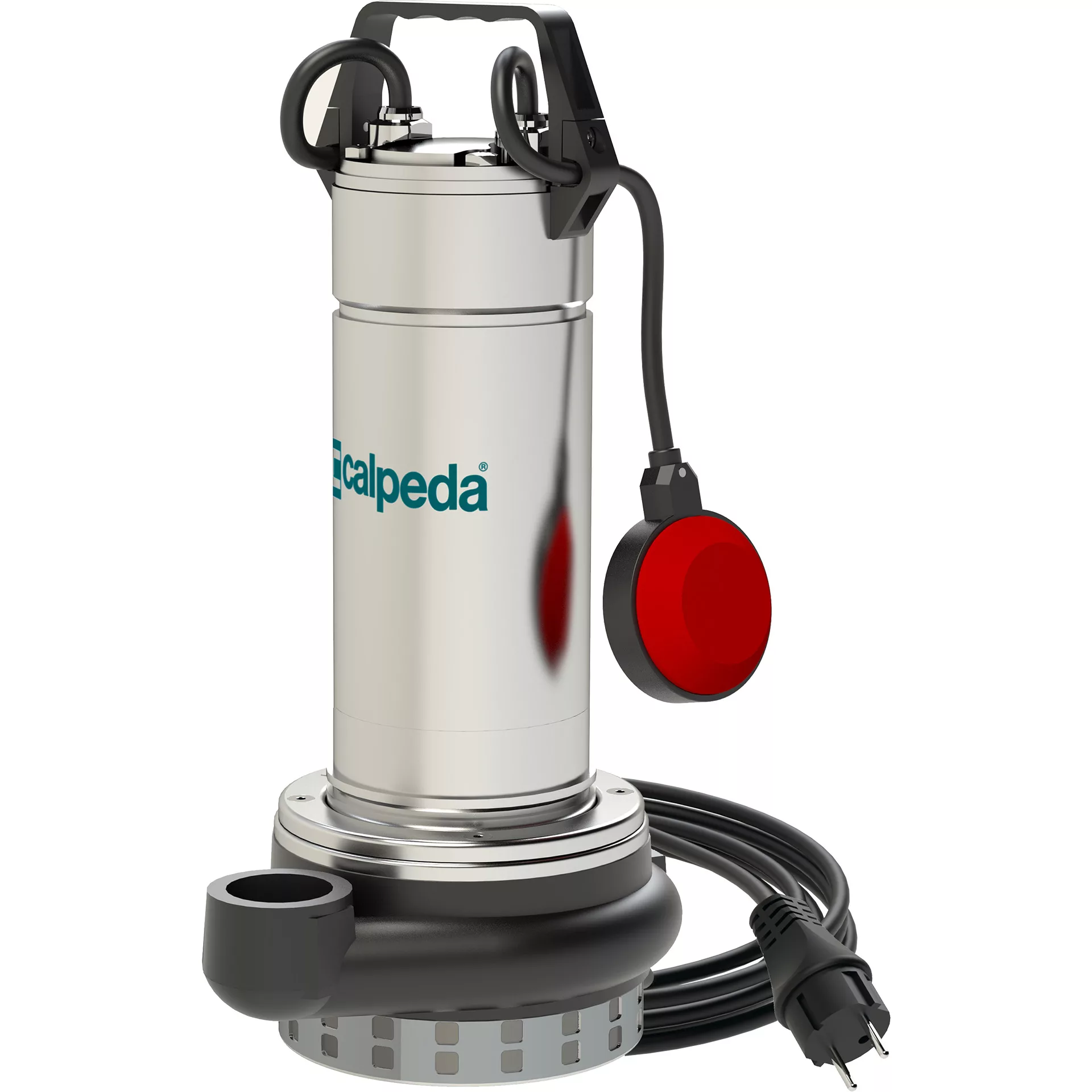
The Calpeda GQR is a submersible drainage pump with an open impeller and a stainless strainer, passing 6 or 10 mm solids to 52 m³/h and 30.2 m.
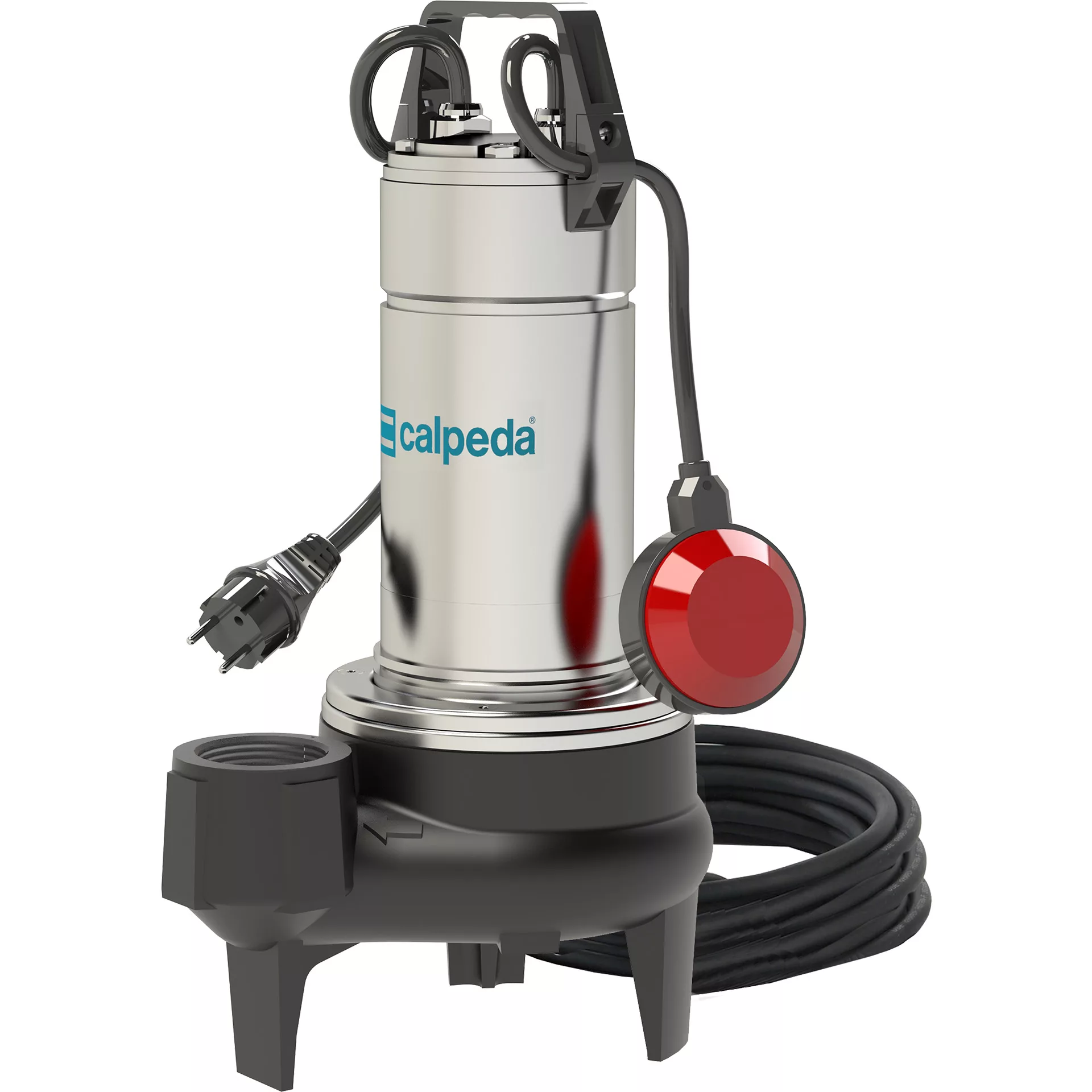
The Calpeda GQS is a submersible sewage pump with a free-flow vortex impeller, passing 40 or 50 mm solids to 36 m³/h and 15 m on a vertical port.
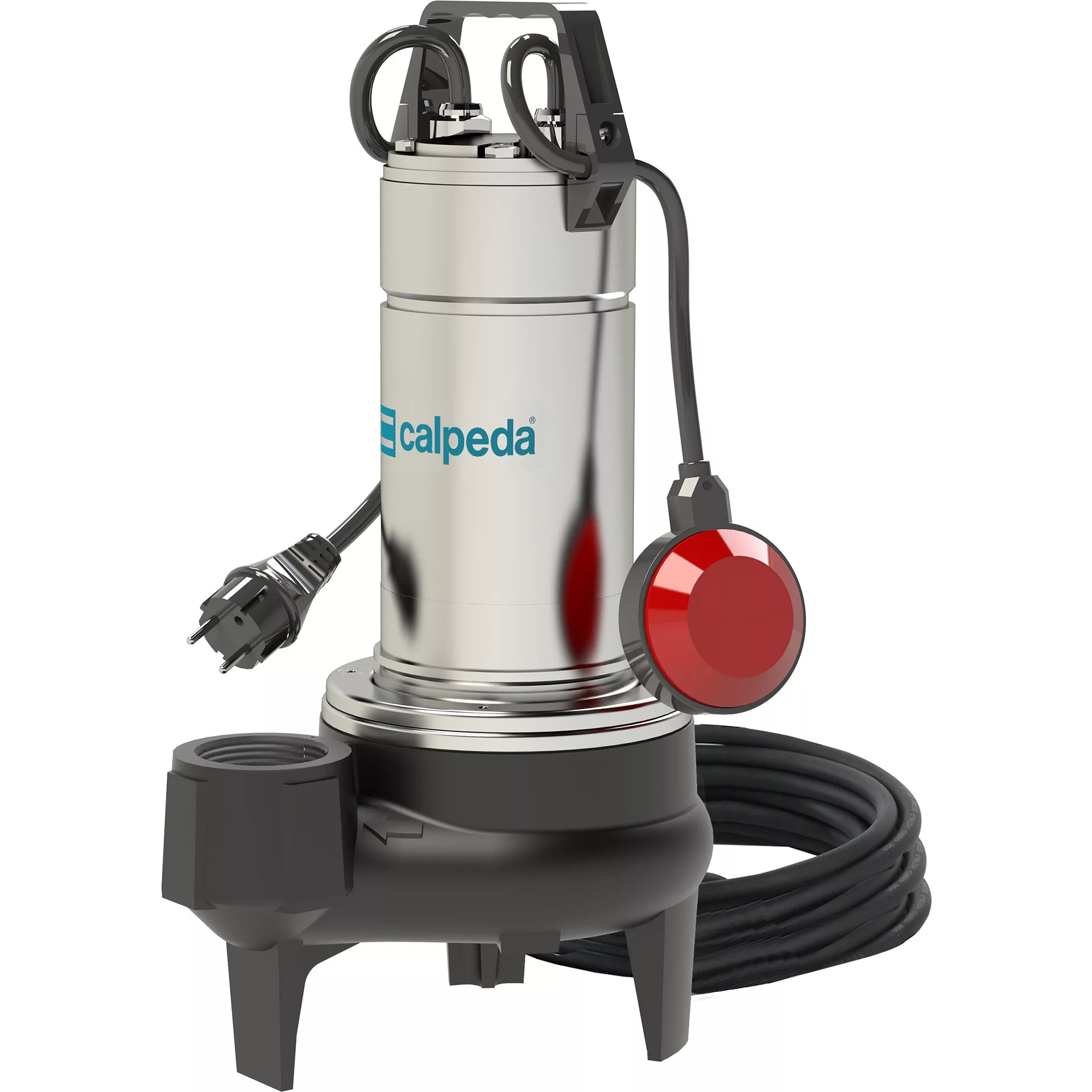
The Calpeda GQV is a free-flow vortex submersible sewage pump for rag and fibre, passing 50 or 65 mm solids to 57 m³/h, from 0.55 to 2.6 kW.
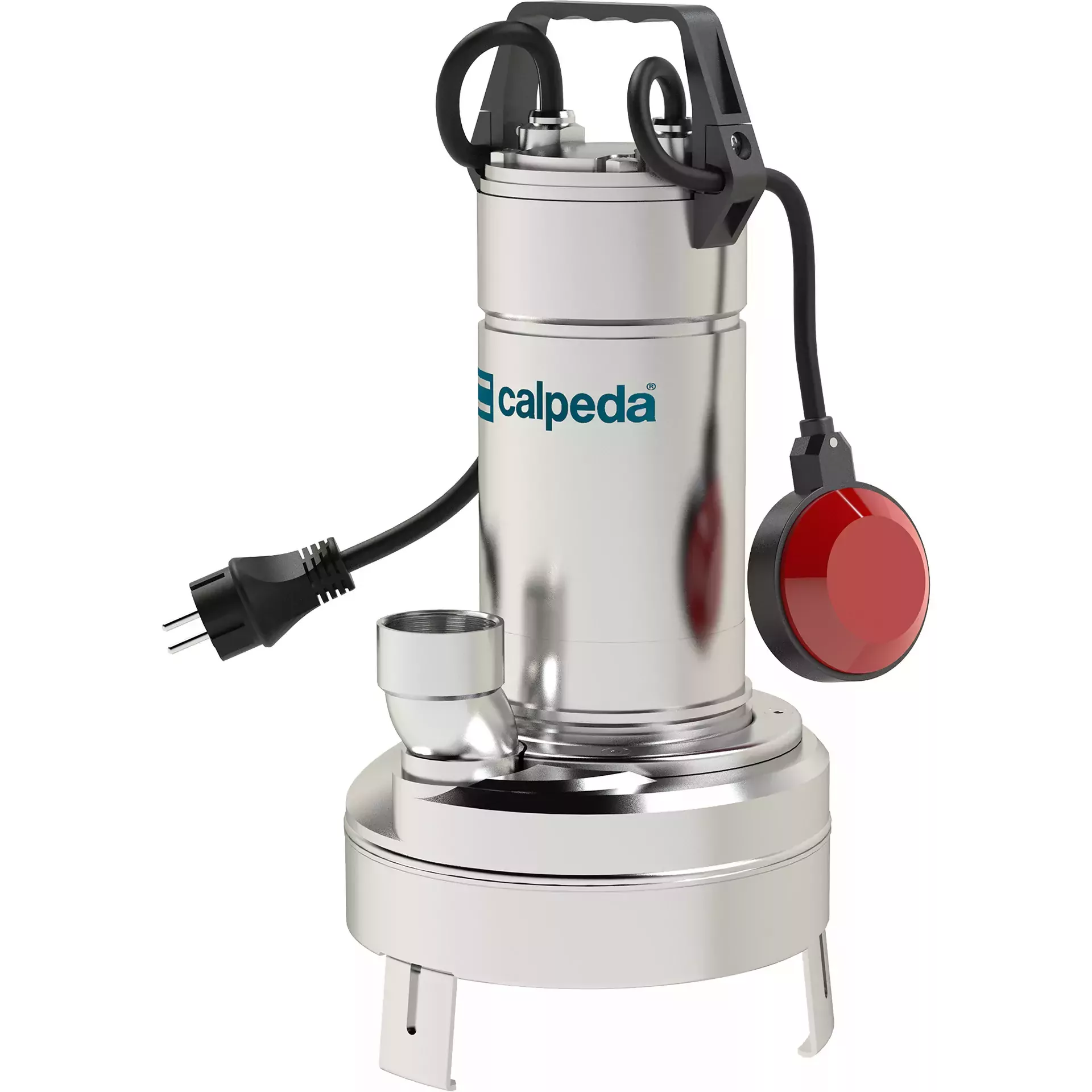
The Calpeda GX 40 is an AISI 304 submersible drainage pump passing 35 mm solids, built with a two-passage GXC impeller or a free-flow vortex GXV impeller.
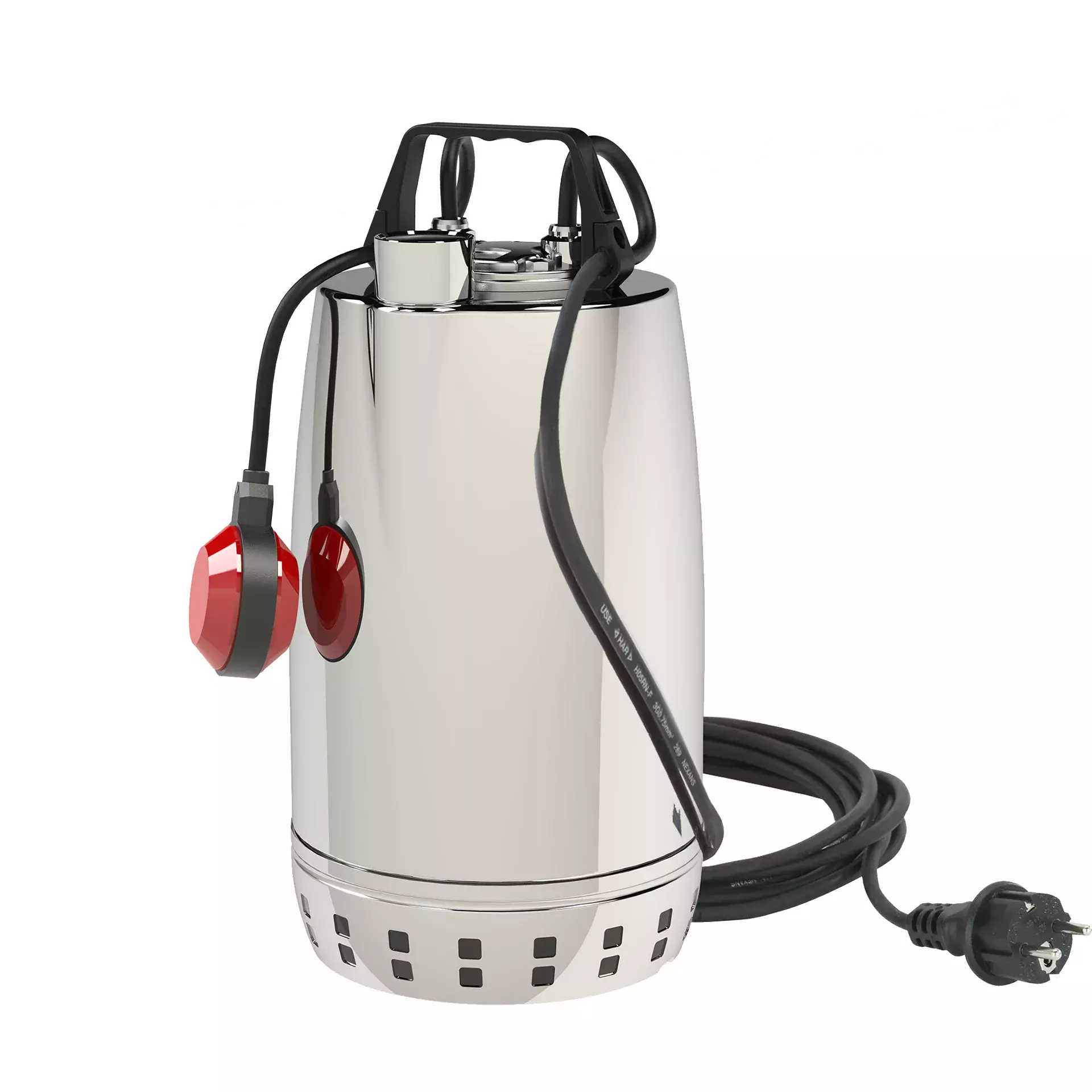
The Calpeda GXR is an AISI 304 submersible drainage pump with an open impeller, in two frames reaching 19.2 m and 30 m³/h on 12 mm solids.
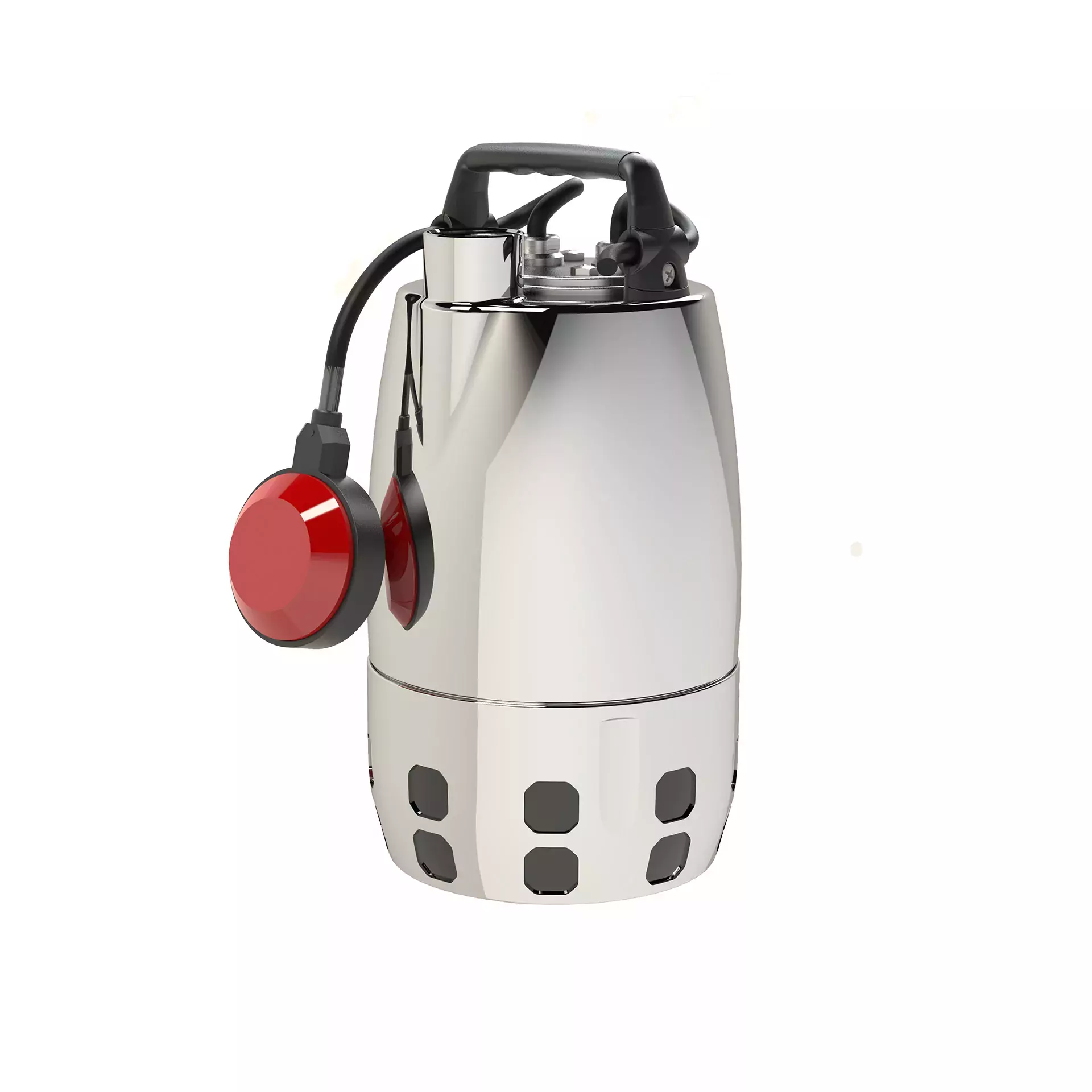
The Calpeda GXV 25 is an AISI 304 submersible pump with a free-flow vortex impeller, passing 25 mm solids to 13.2 m³/h and 10 m of head.
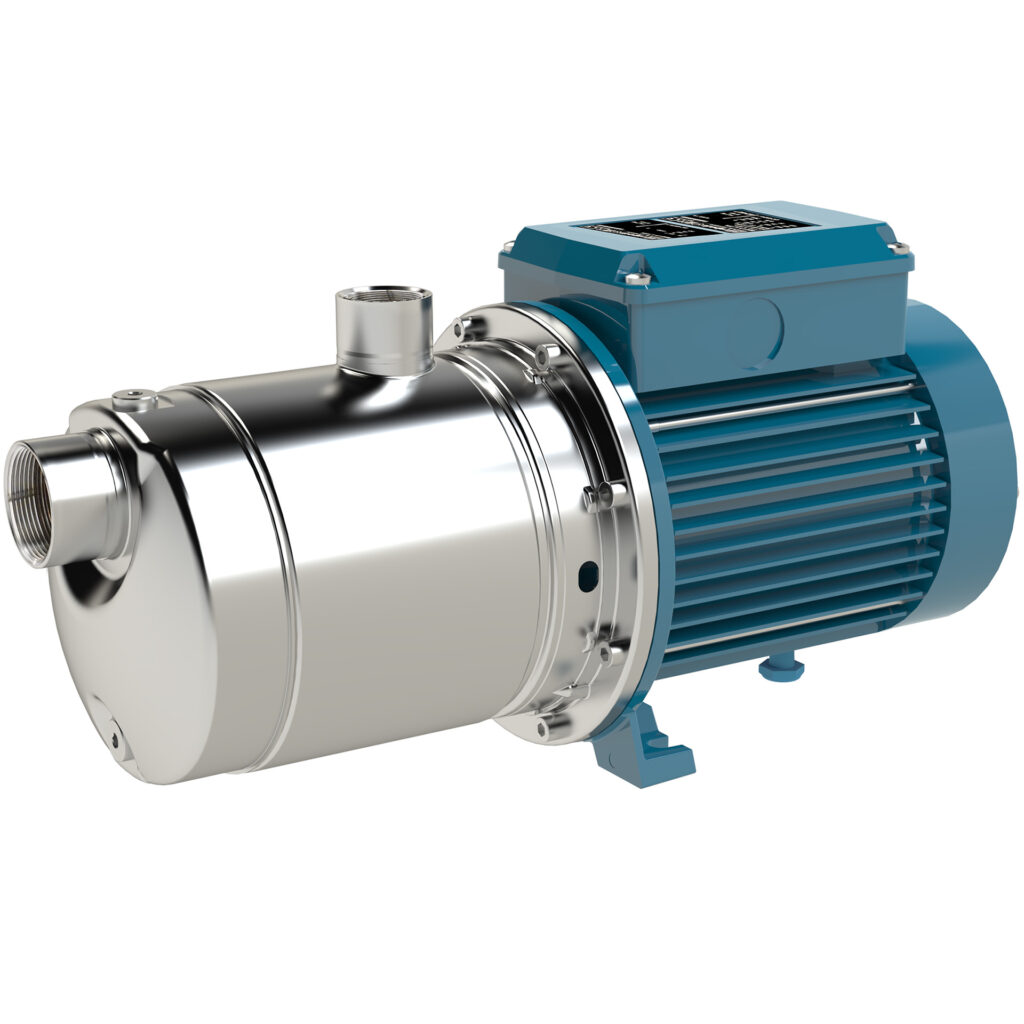
The Calpeda MXH is a WRAS approved horizontal multistage stainless steel pump for clean water to 66 m³/h and 97 m. Specs, sizes and UK supply.
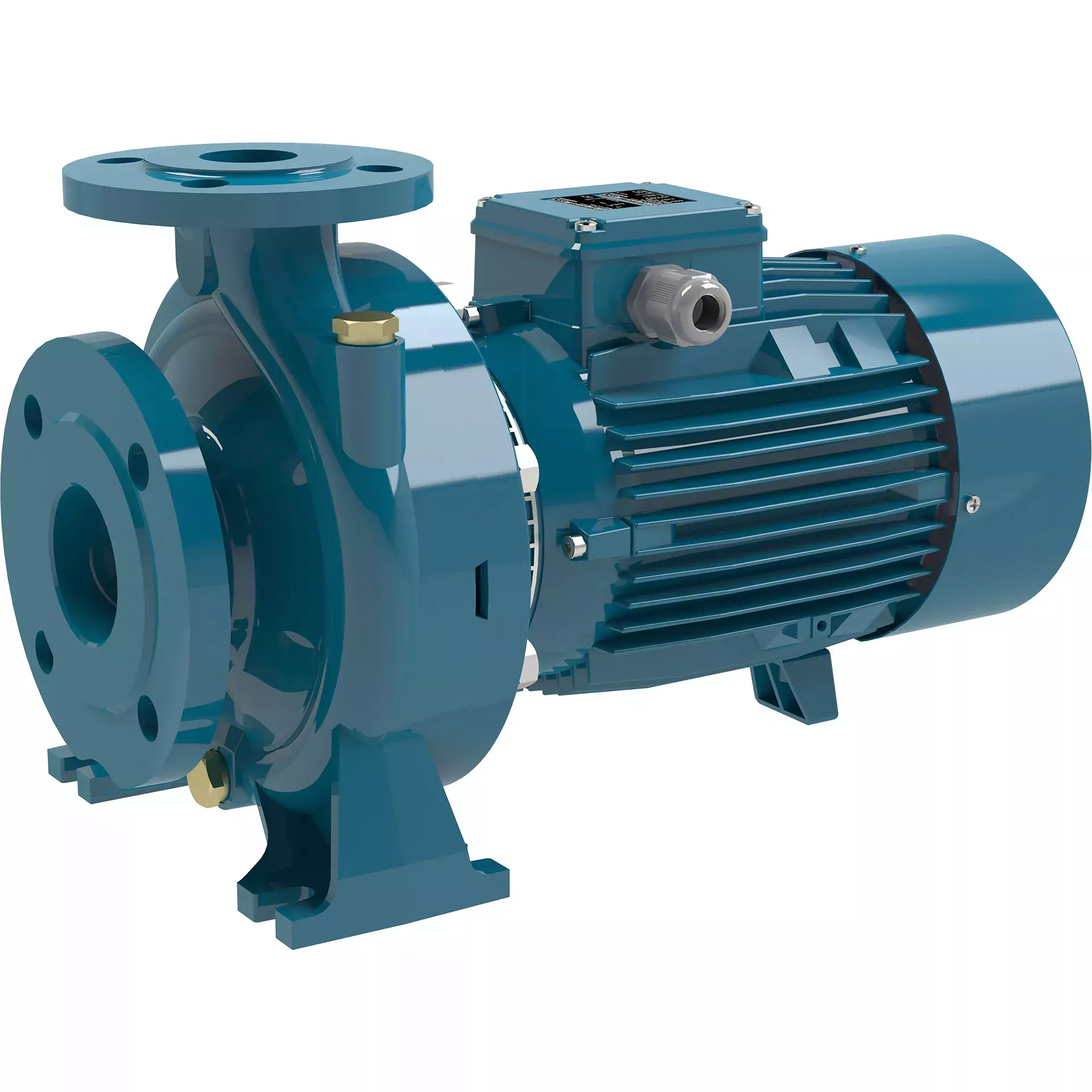
The Calpeda NM is a close-coupled EN 733 end suction pump for clean water to 240 m³/h and 93.8 m on 0.55–22 kW motors. Specifications, materials and UK supply.
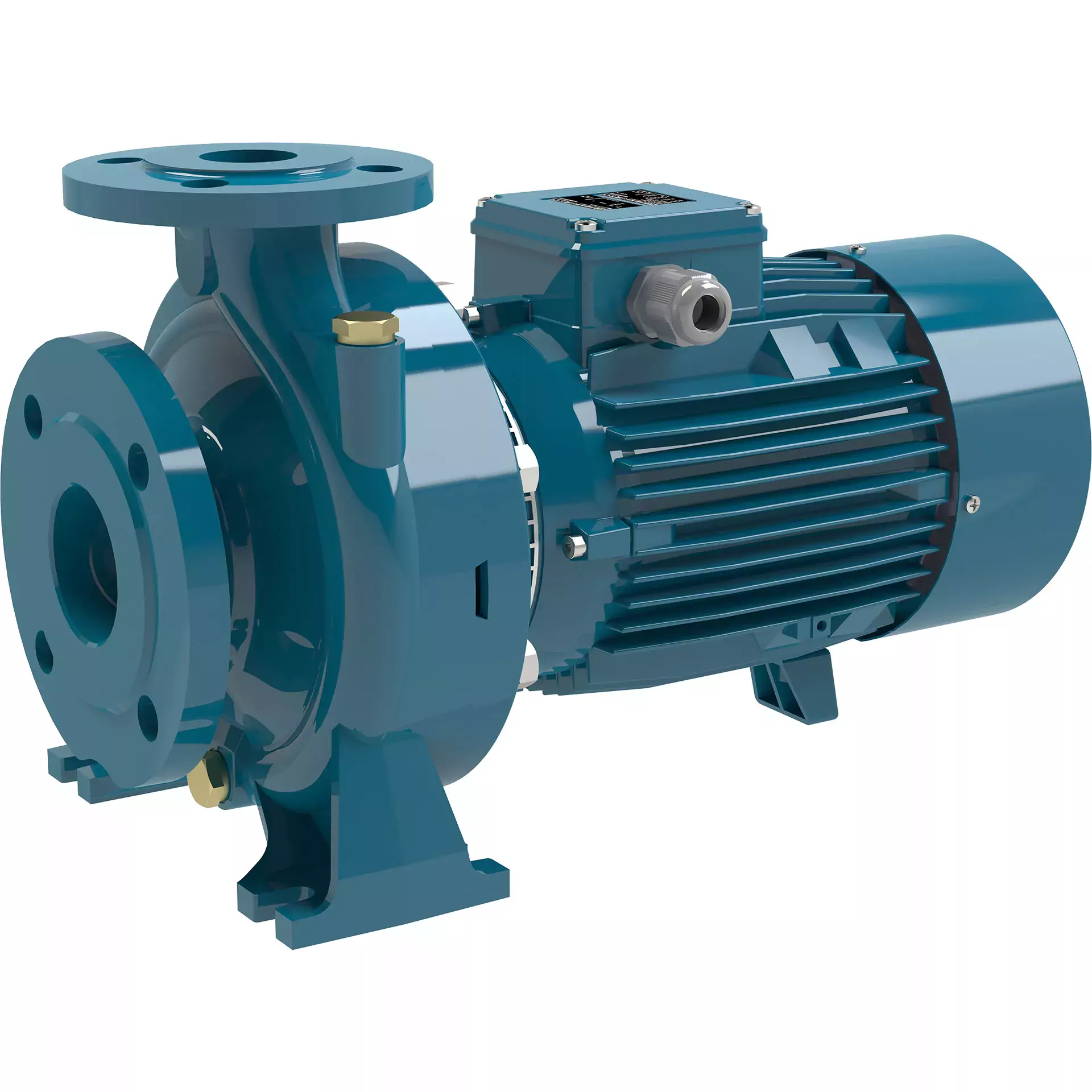
The Calpeda NM4 is the four-pole close-coupled EN 733 end suction pump for clean water, to 330 m³/h and 36.6 m on 0.37–15 kW motors at 1450 rpm.
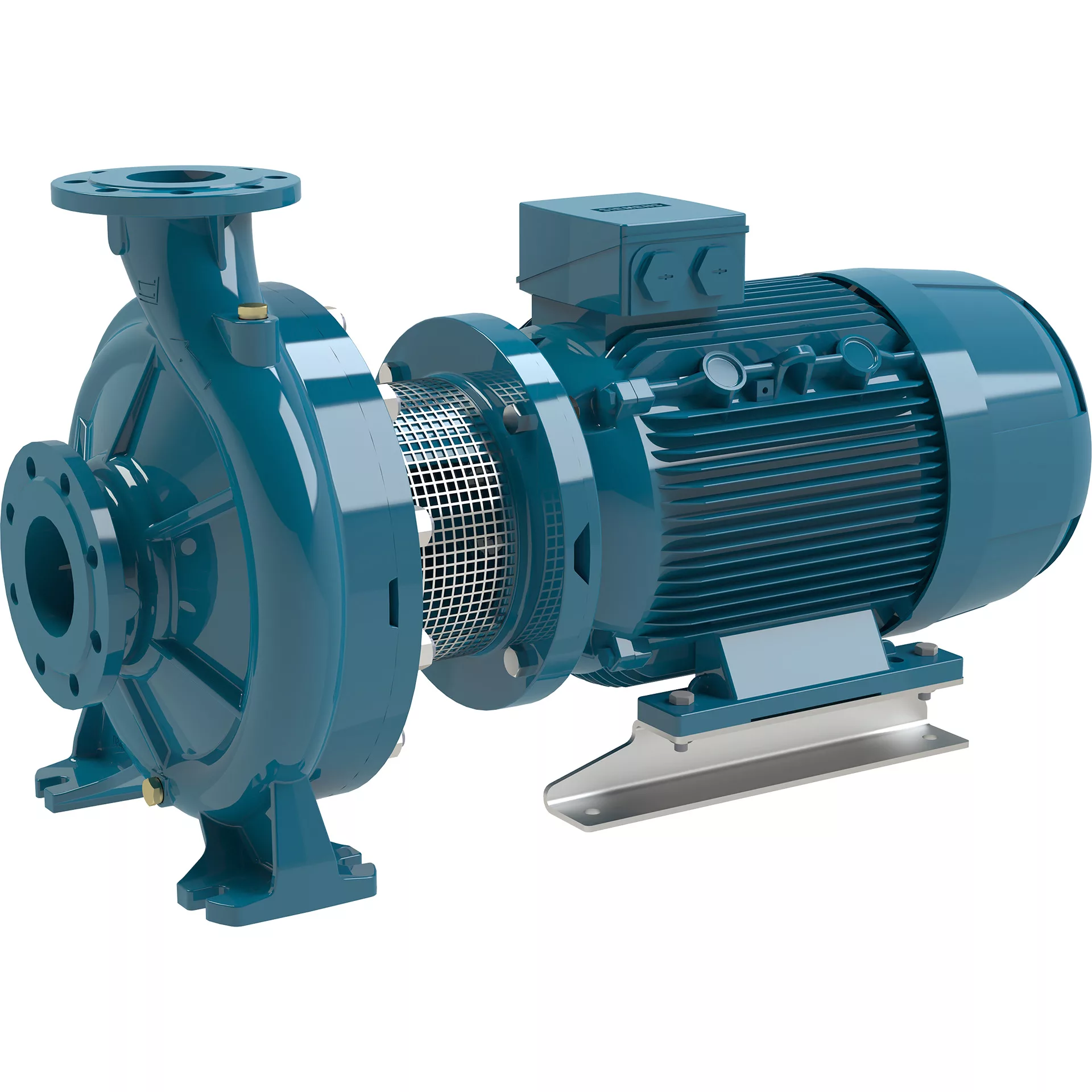
The Calpeda NMS is an EN 733 end suction pump on a stub-shaft bracket that takes a standard motor, to 300 m³/h and 95 m on 0.75–75 kW. Specs and UK supply.
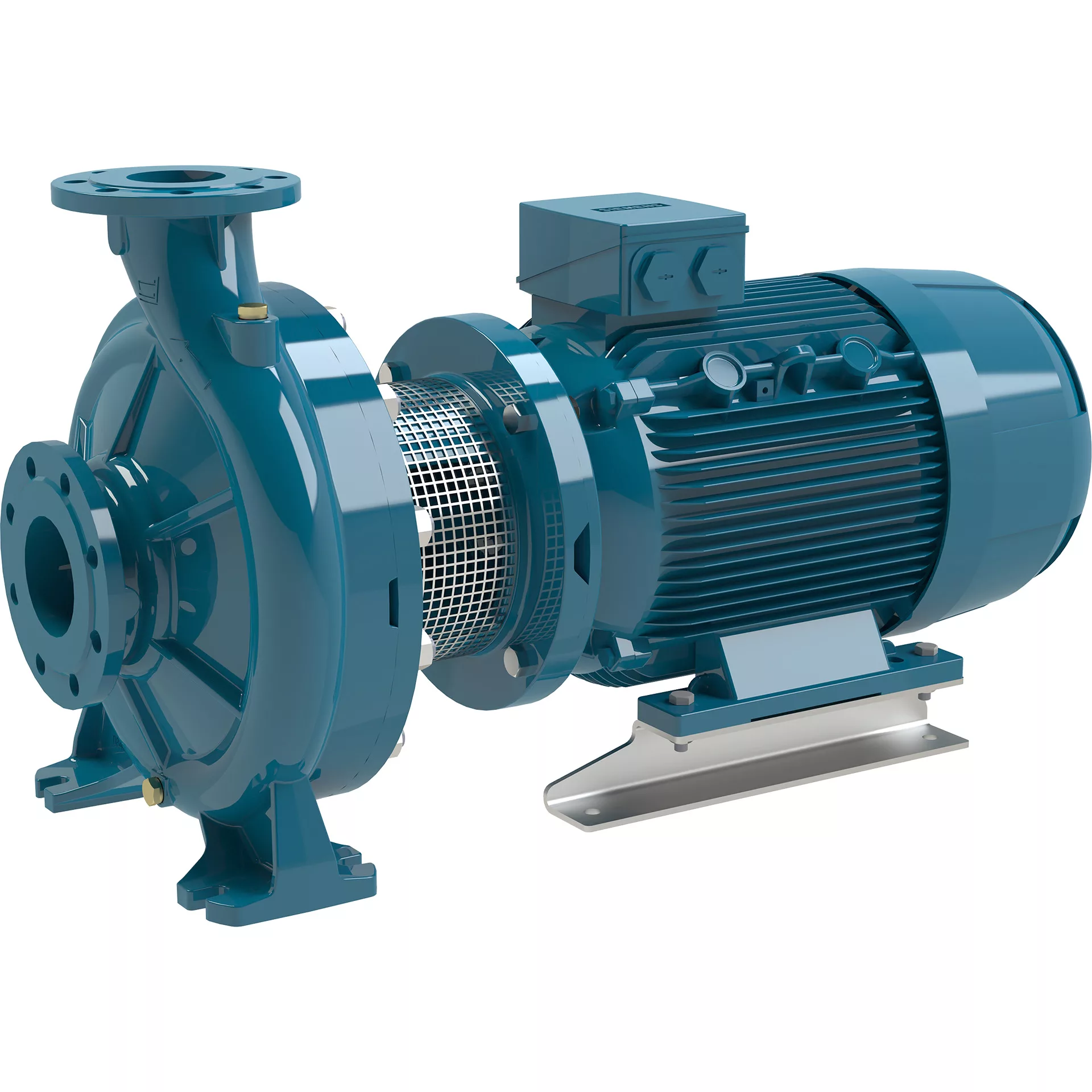
The Calpeda NMS4 is the four-pole stub-shaft EN 733 end suction pump for clean water, to 660 m³/h and 61.6 m on 0.75–90 kW standard motors at 1450 rpm.
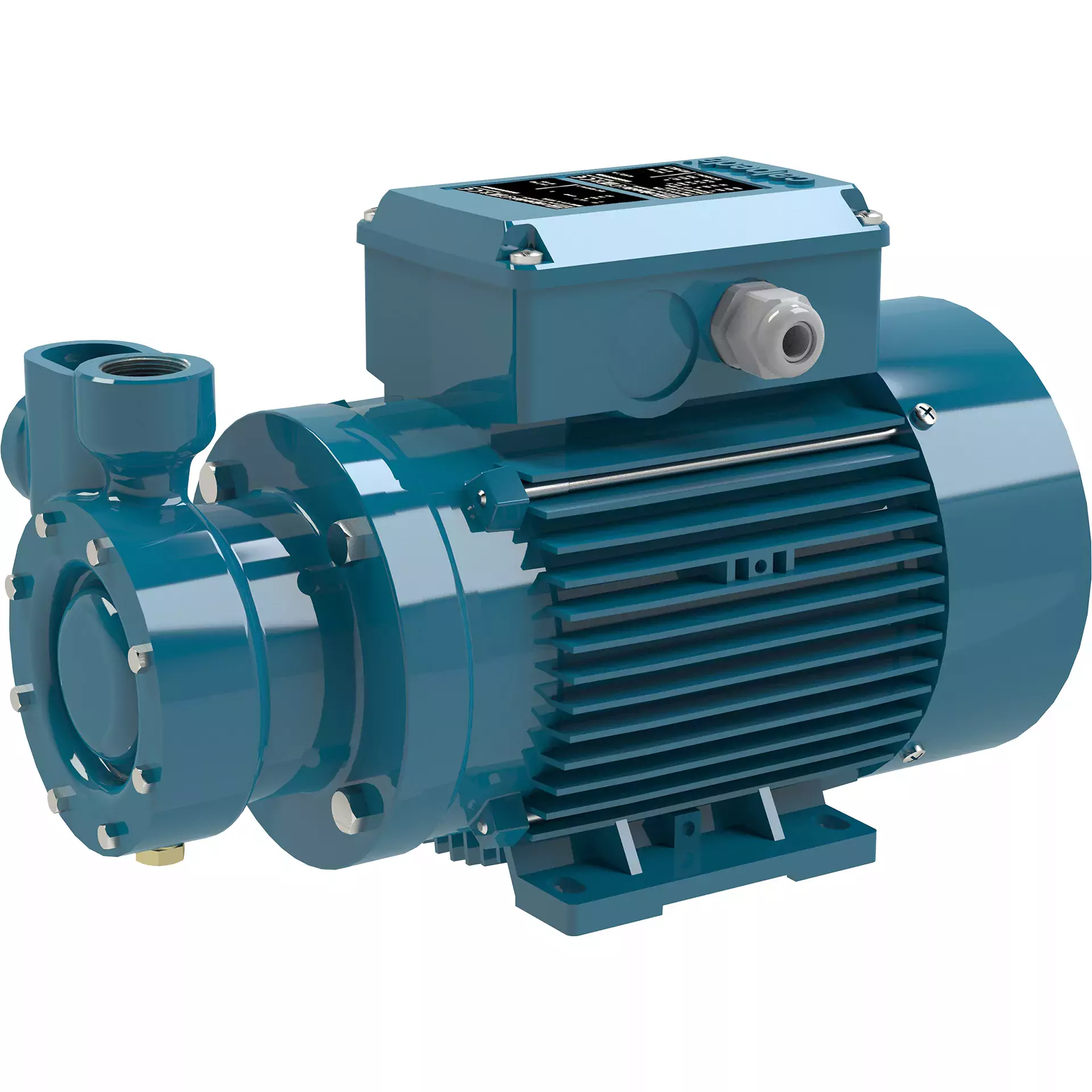
The Calpeda CT, T and TP are peripheral pumps: 3–165 m of head at 0.06–6 m³/h from one turbine impeller. Clean liquids only. Specs, sizes and UK supply.
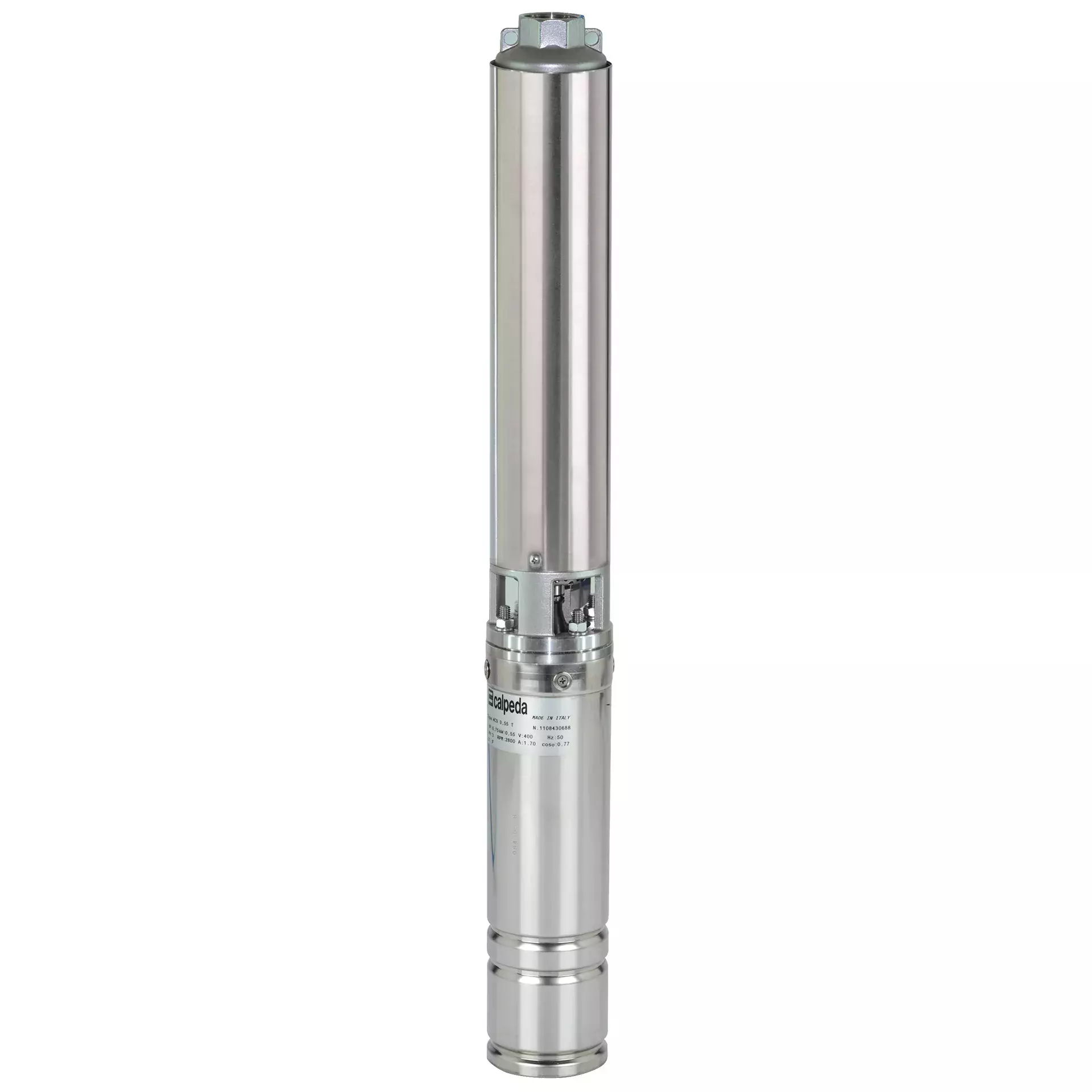
The Calpeda SD is a multistage submersible borehole pump for 4 and 6 inch wells, reaching 691 m and 40.2 m³/h on 0.37 to 37 kW.
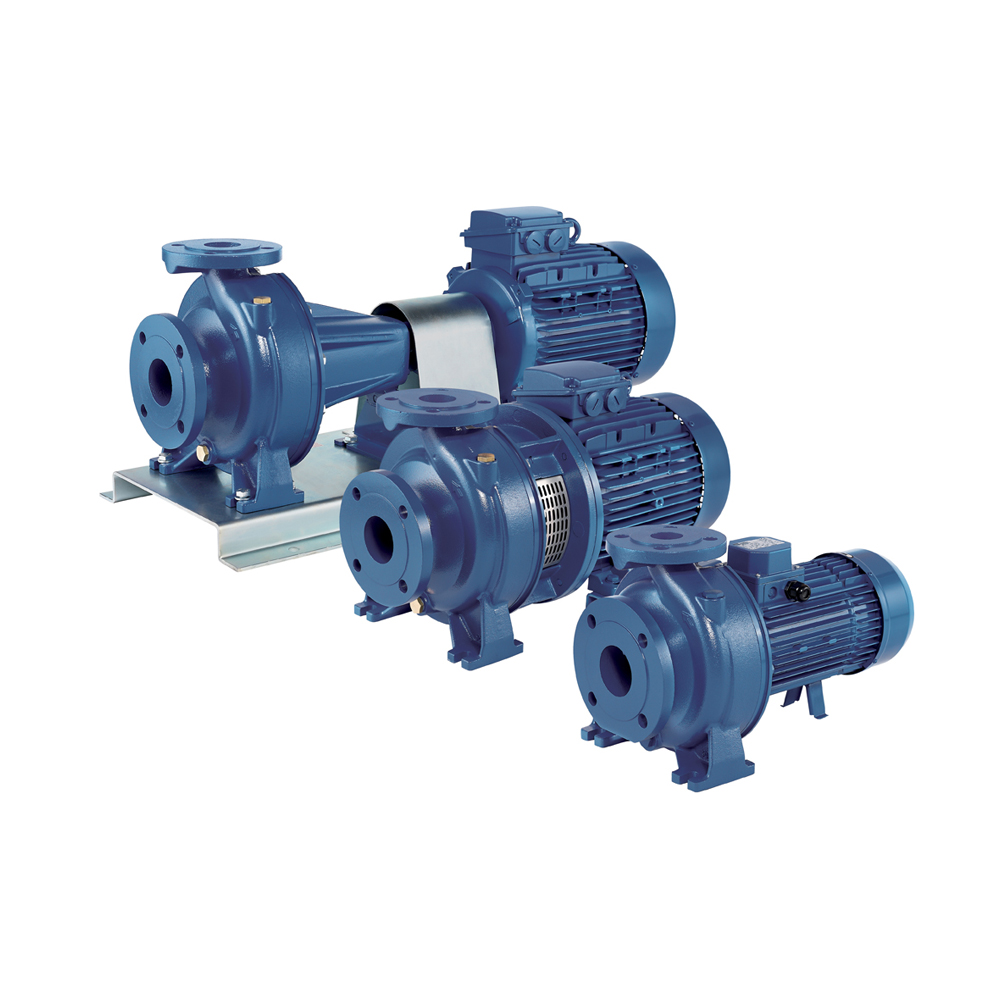
The Ebara 3D series is an EN 733 standardised cast iron end suction pump for clean water to 138 m³/h and 70 m. Specs, seal options and UK supply.
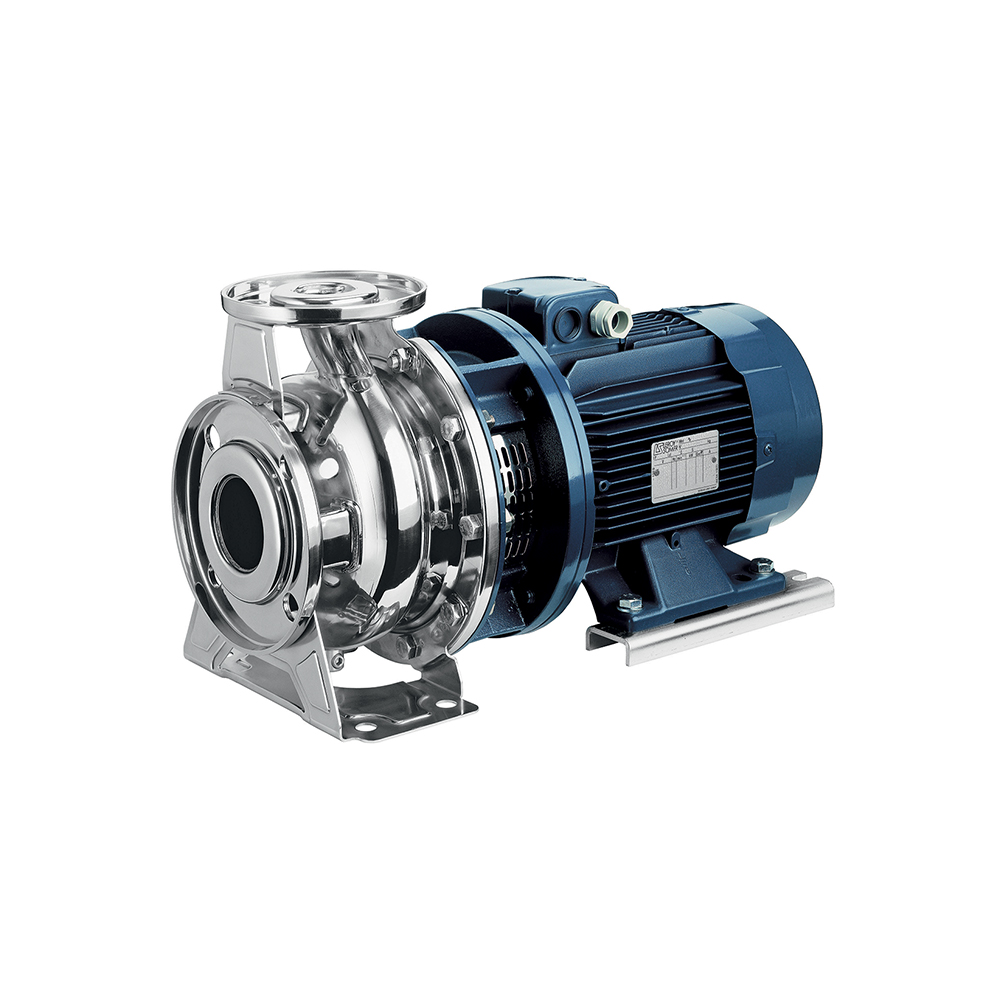
The Ebara 3M series is the monobloc build of Ebara's AISI 304 stainless EN 733 end suction pump. Sizes, seals, single-phase options and UK supply.
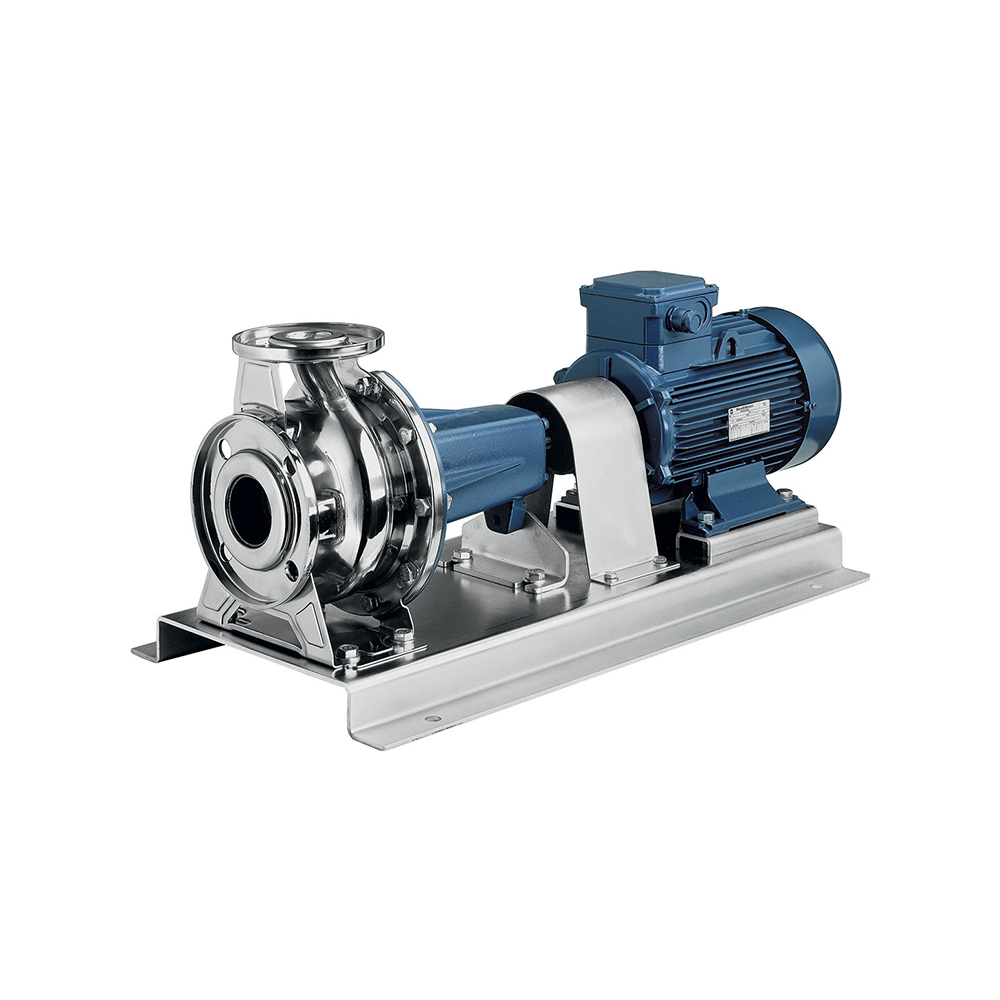
The Ebara 3S series is the rigid-coupling build of Ebara's AISI 304 stainless EN 733 pump, driven by a standard IEC motor, with an ATEX 3SF version.
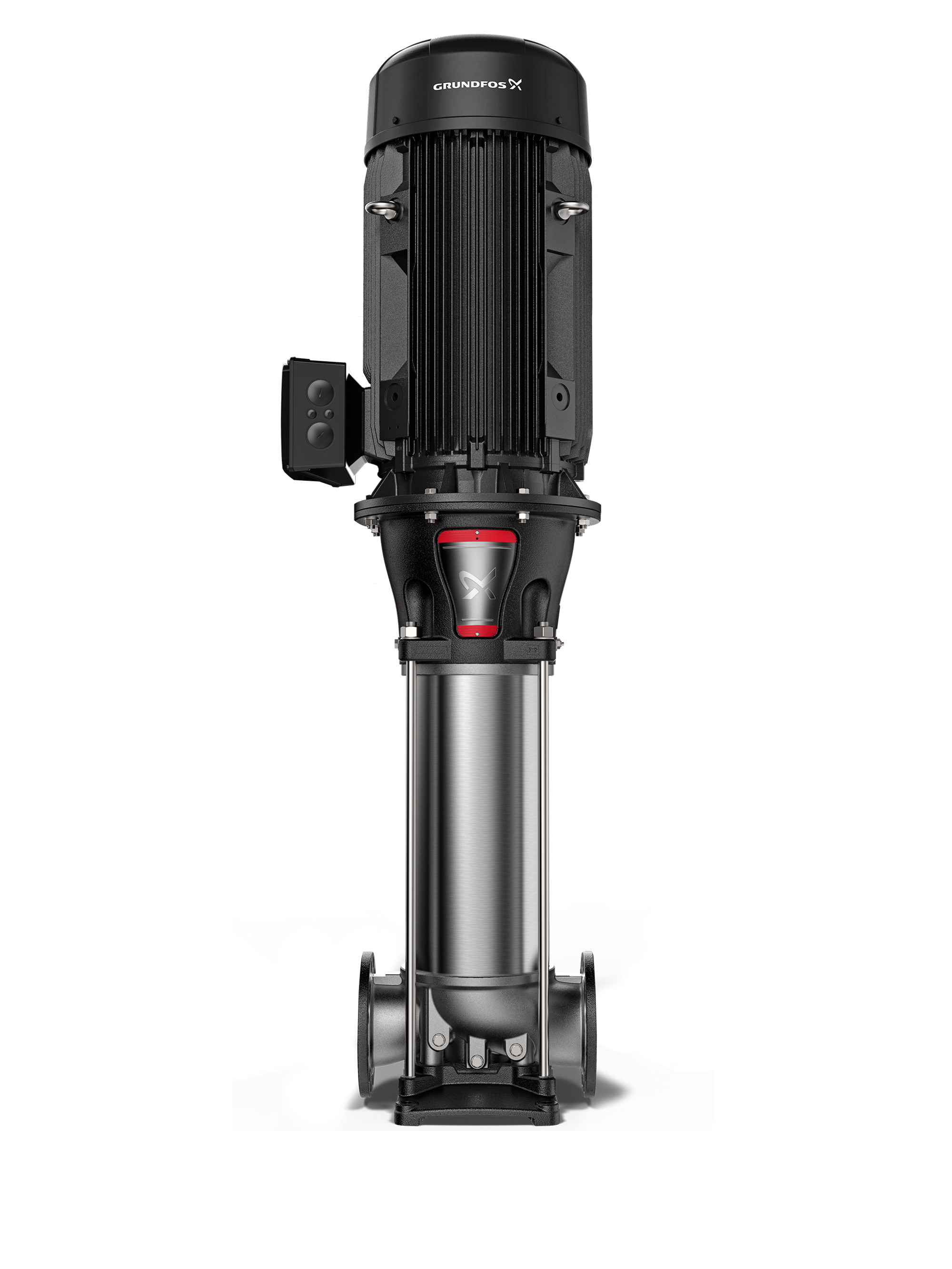
Inline vertical multistage centrifugal pump, cast iron and AISI 304 stainless, for non-corrosive liquids at high head.
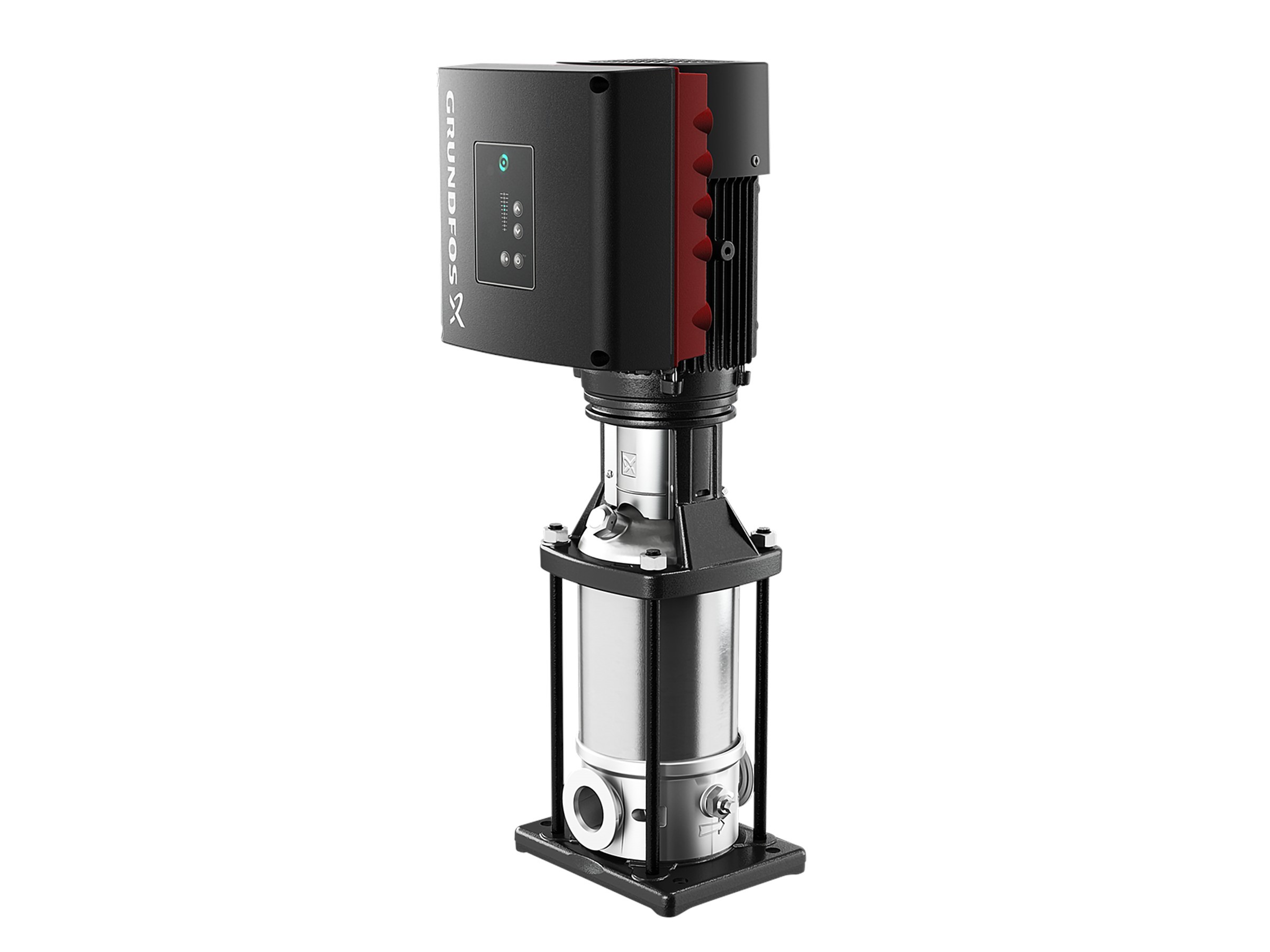
Vertical multistage pump with an MGE E-motor, so the speed control and the motor protection are inside the terminal box rather than in the panel.
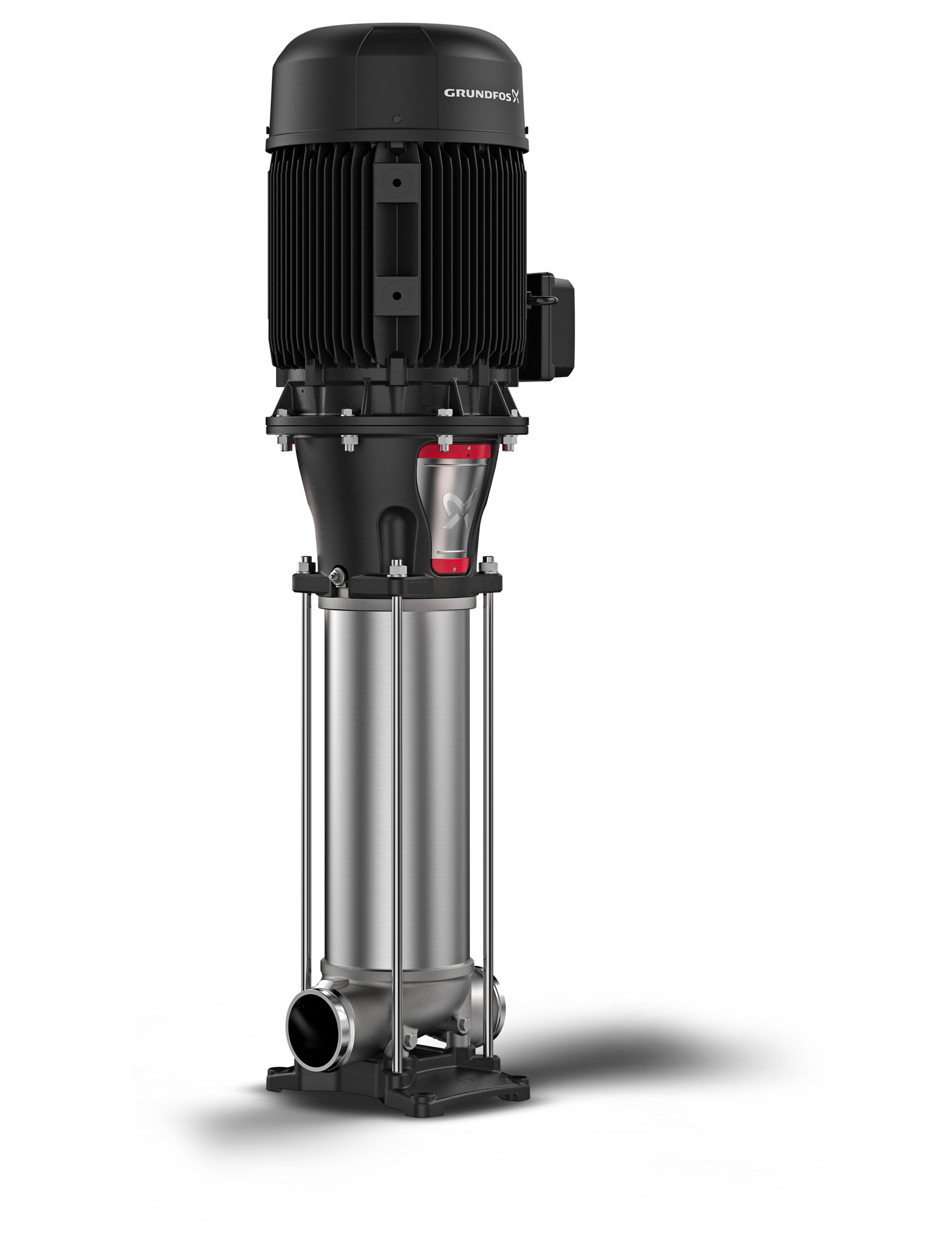
The full stainless build of the CR inline multistage pump, in AISI 316, for industrial liquids and treated water.
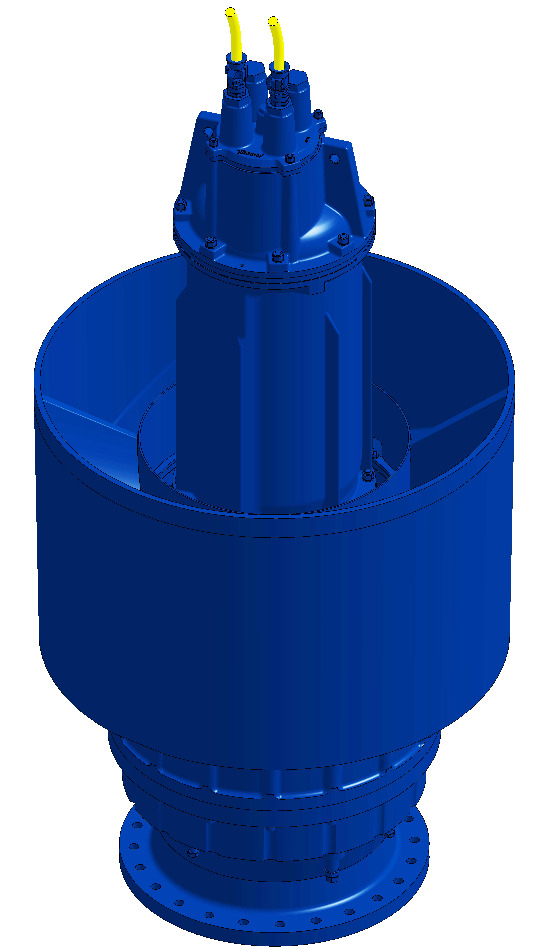
Hidrostal Axial Column Pump: 6–1500 l/s at discharge heads up to 20 m, screw centrifugal impeller, for land drainage and flood pumping stations.
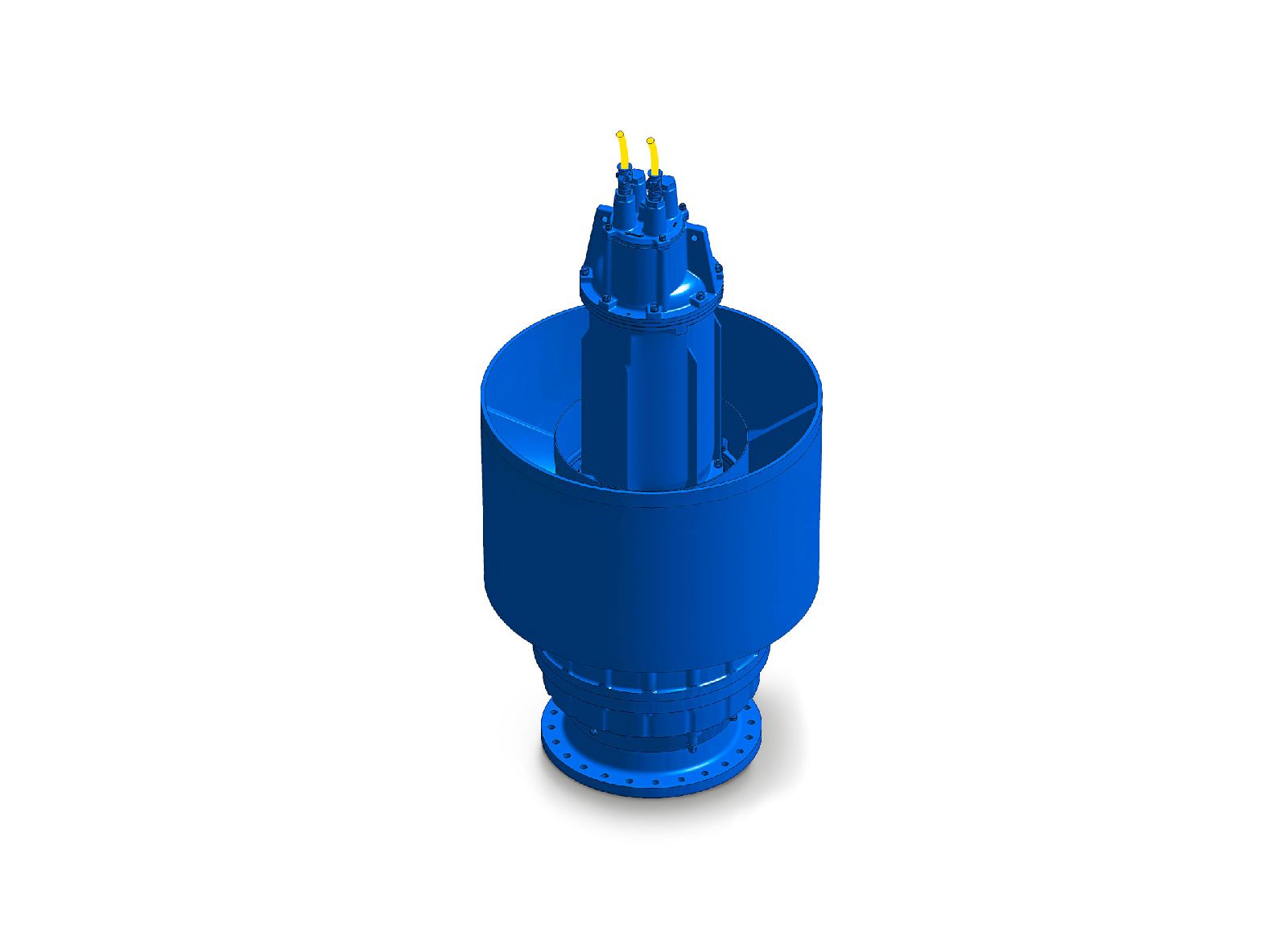
Hidrostal Axial Diffuser Pumps in two versions, the Axial Column Pump at 6–1500 l/s and up to 20 m, and the high-head Vertical Turbine Pump.
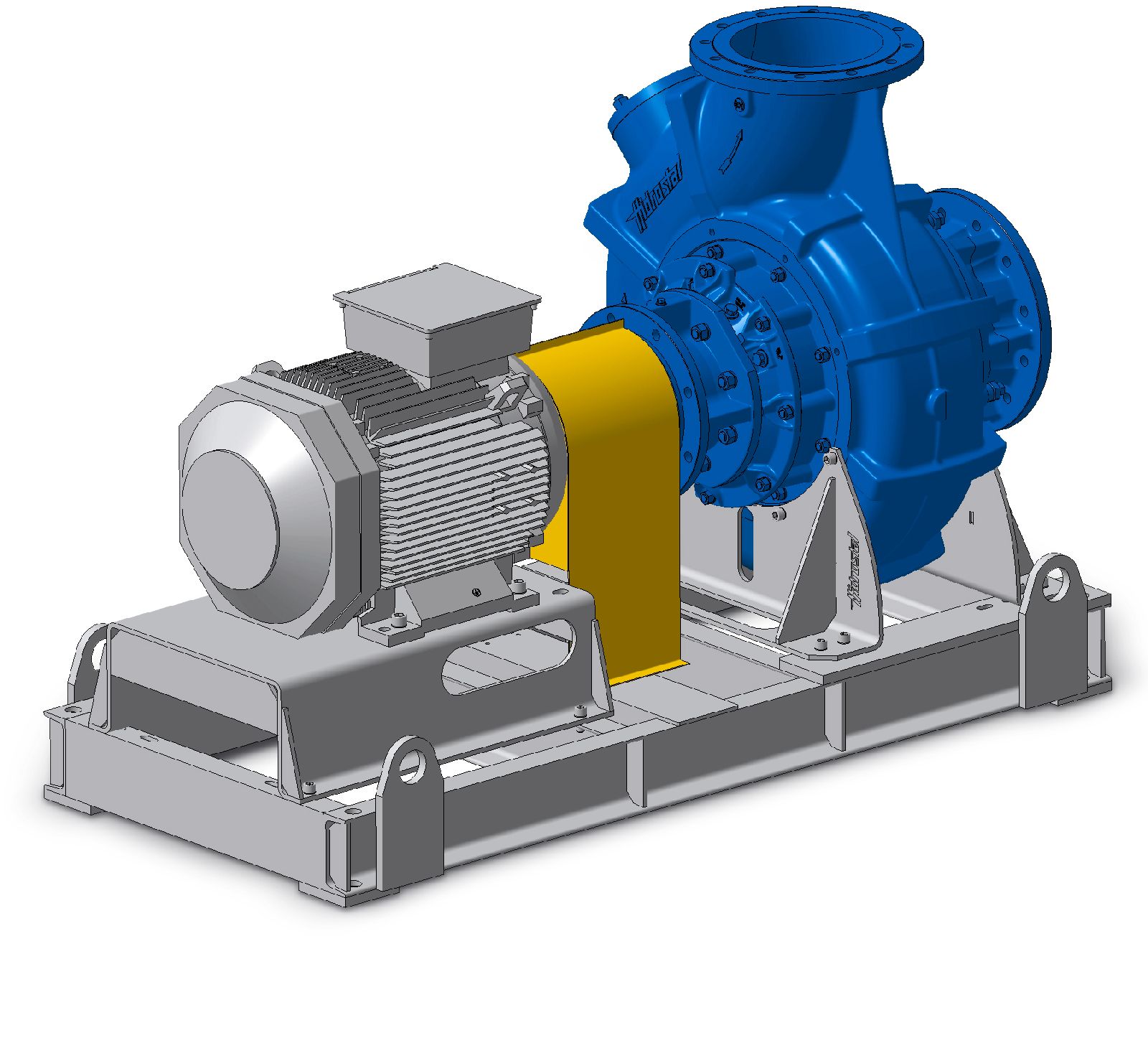
Hidrostal bearing frame pumps: dry-installed screw centrifugal end suction, 0.5–3000 l/s to 90 m, 32–700 mm, horizontal or vertical. Specs and selection.
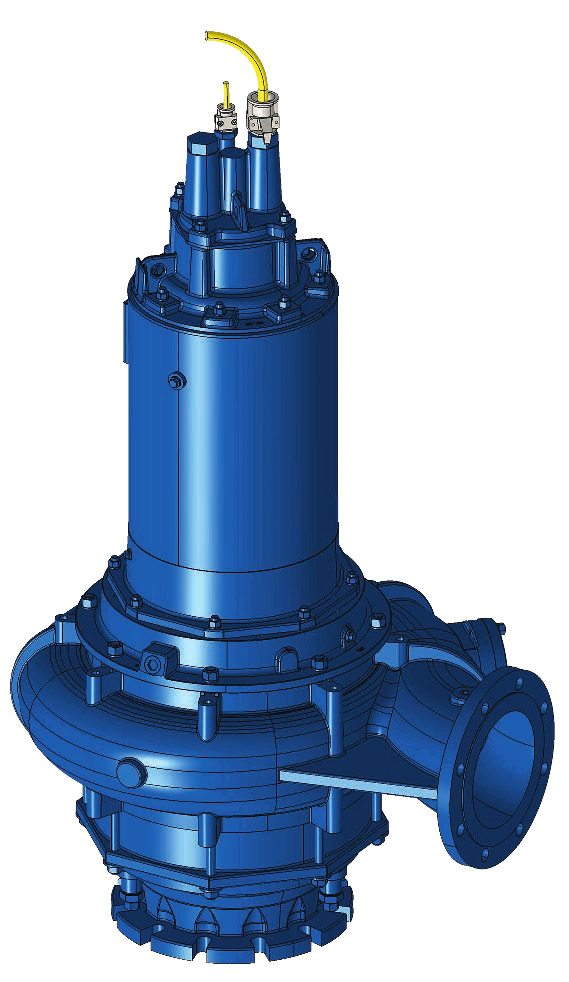
Hidrostal immersible pumps: 0.5–3000 l/s to 90 m head, closed-loop motor cooling so they run dry, part or fully submerged. Dry pit specs and selection.
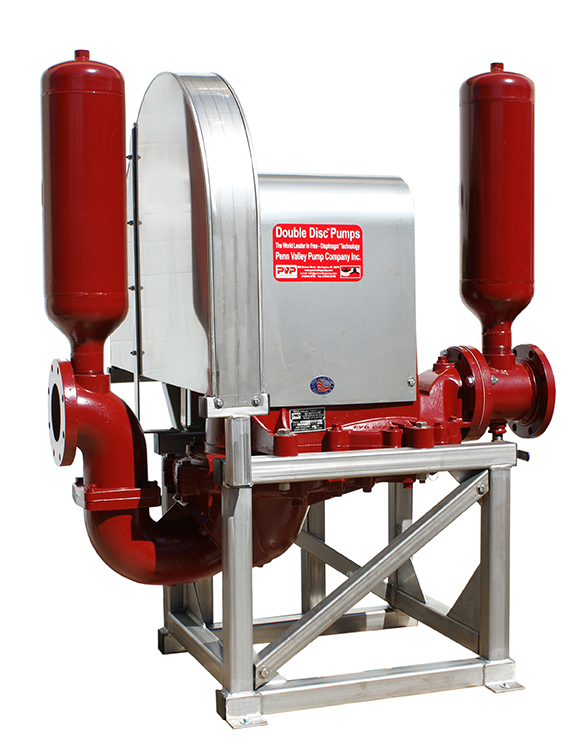
A seal-less reciprocating pump for sludge, slurry and rag-laden media, in seven sizes from 9 to 250 m³/h.
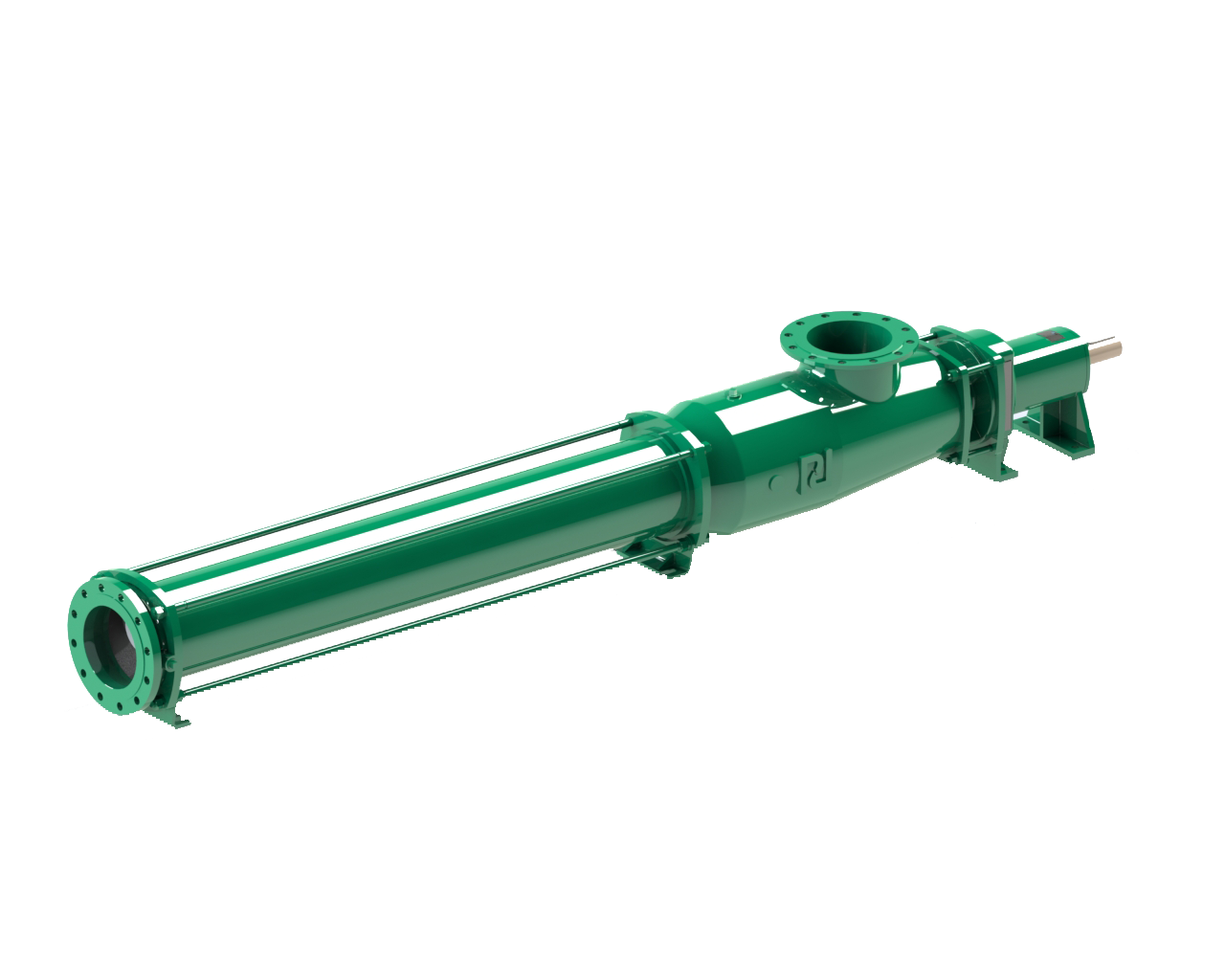
Roto's small-capacity progressive cavity range, for metered dosing and transfer of thick, solids-laden media.
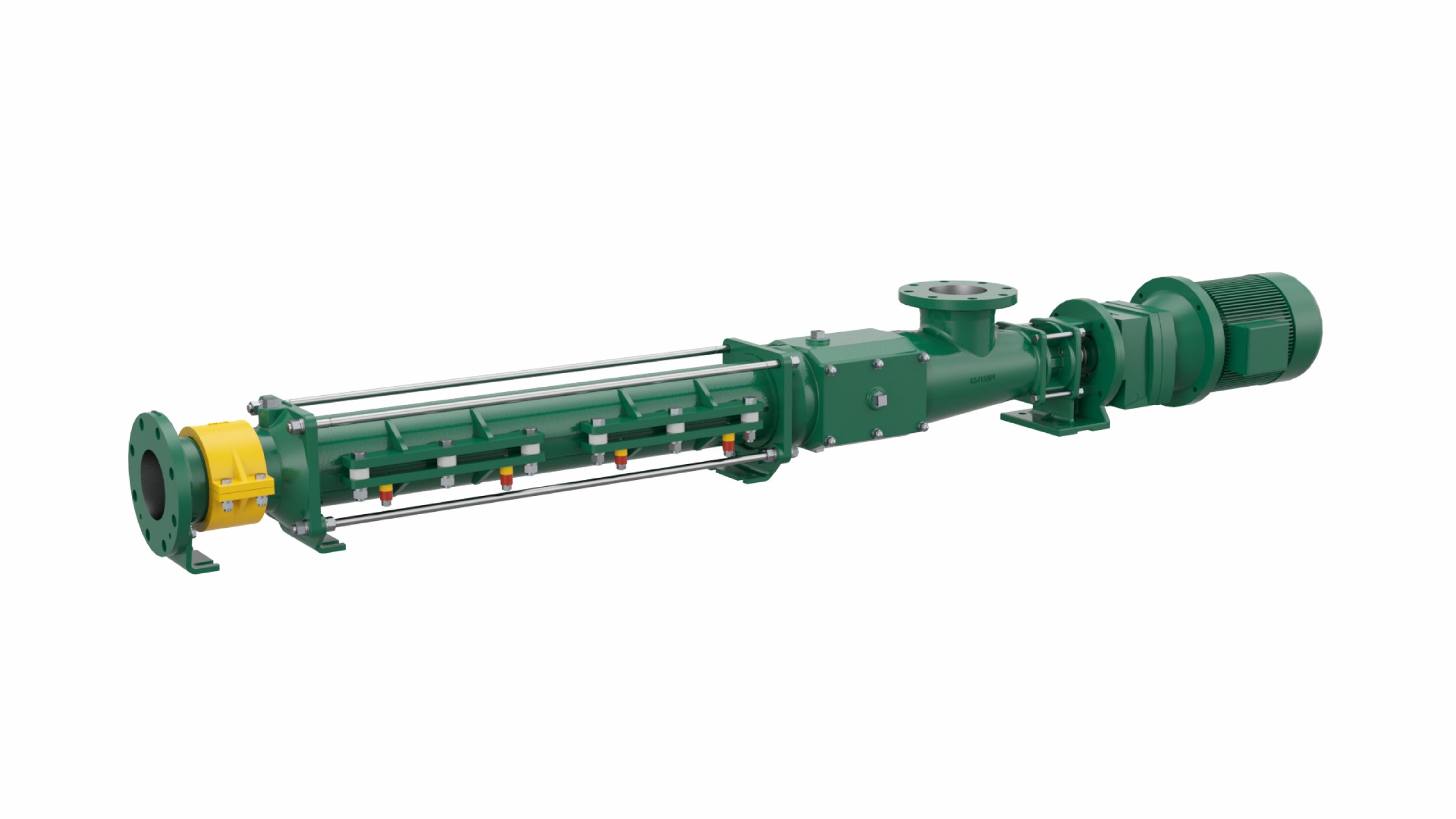
Roto's extra-large-capacity progressive cavity range, on extended geometry, built for volume at low pressure.
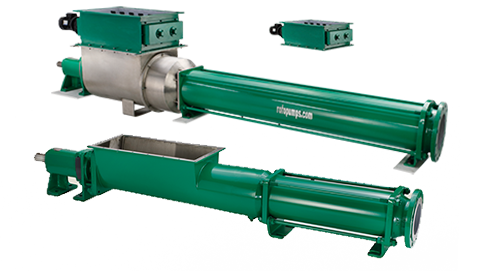
Roto's wide throat progressive cavity pump, with an auger on the coupling rod for media that will not feed themselves into a standard suction.
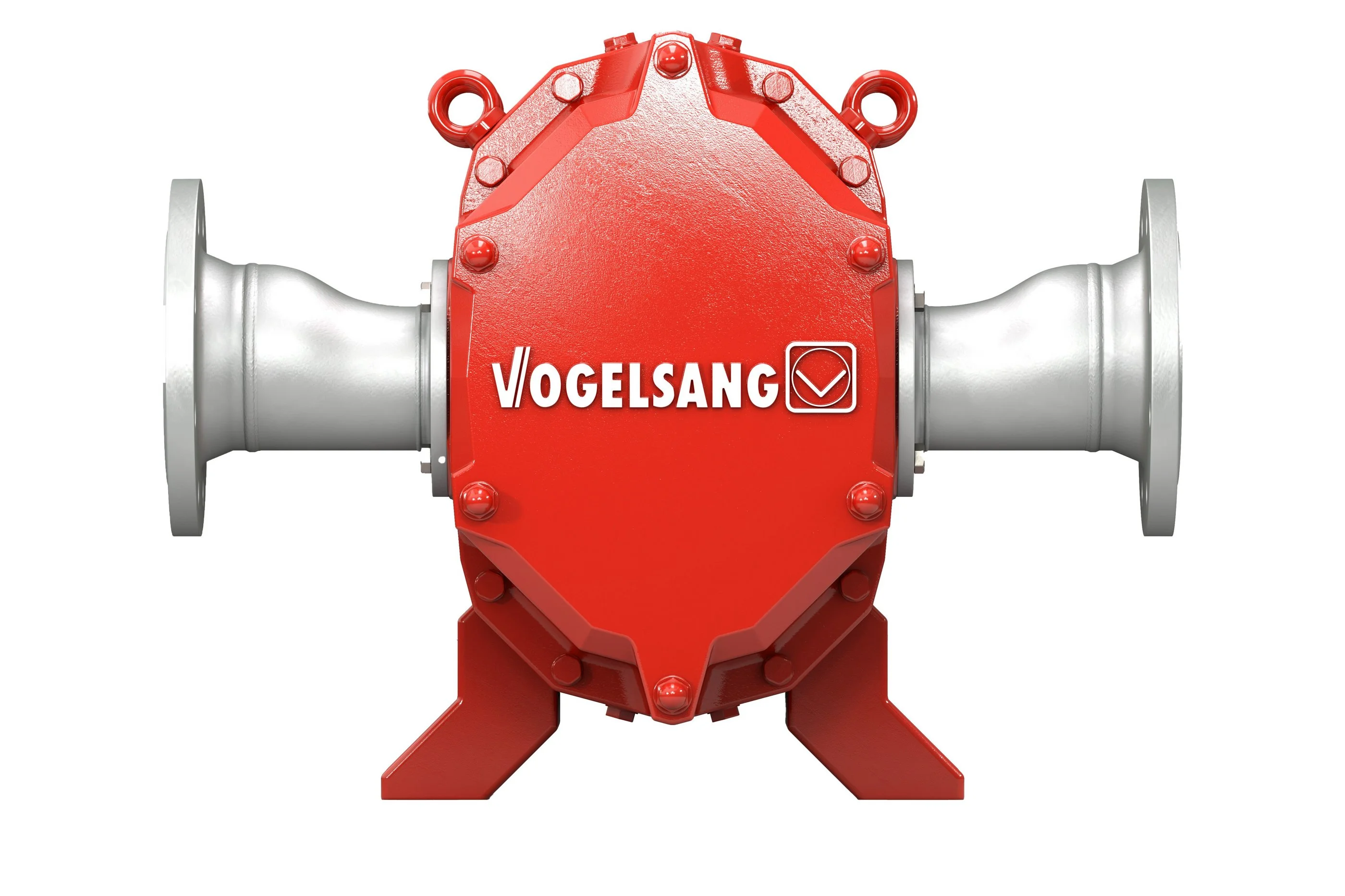
Vogelsang EP series rotary lobe pump: continuous differential pressures to 18 bar, media to 200°C, with API 682 and ATEX-compliant options.
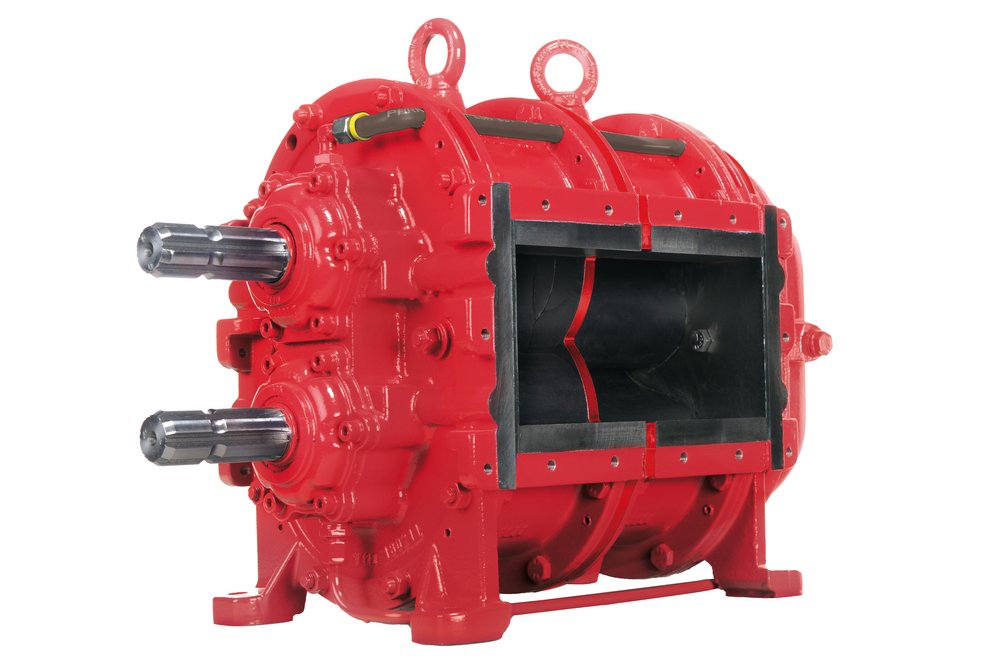
The Vogelsang FX series FarmerPump in six sizes, FX116-60 to FX116-360, up to 270 m³/h and 8 bar, and how to size one for a liquid manure duty.
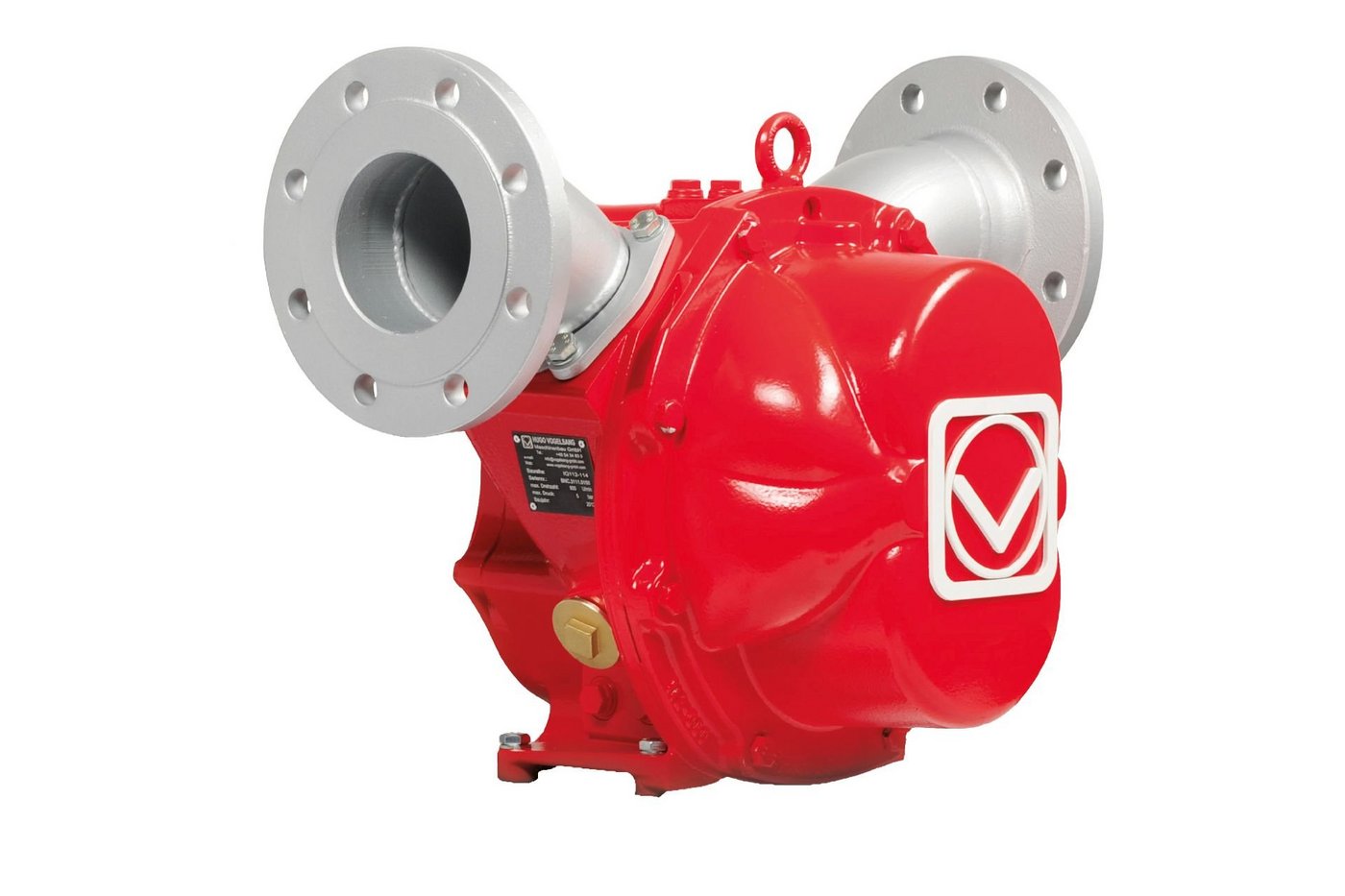
The Vogelsang IQ series rotary lobe pump in two models, IQ112 and IQ152, to 154 m³/h and 7 bar, with a one-piece housing that opens in the pipe.
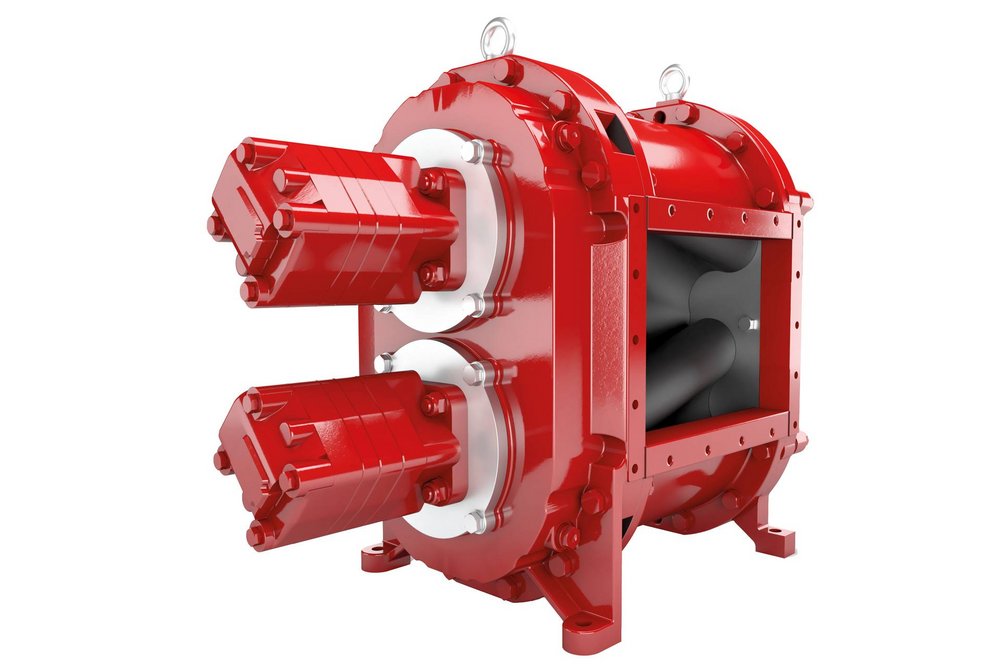
The Vogelsang LoadMaster rotary lobe pump for tank vehicles: up to 45% lighter and 20 cm shorter than a standard VX, to 8 bar and 6,030 l/min.
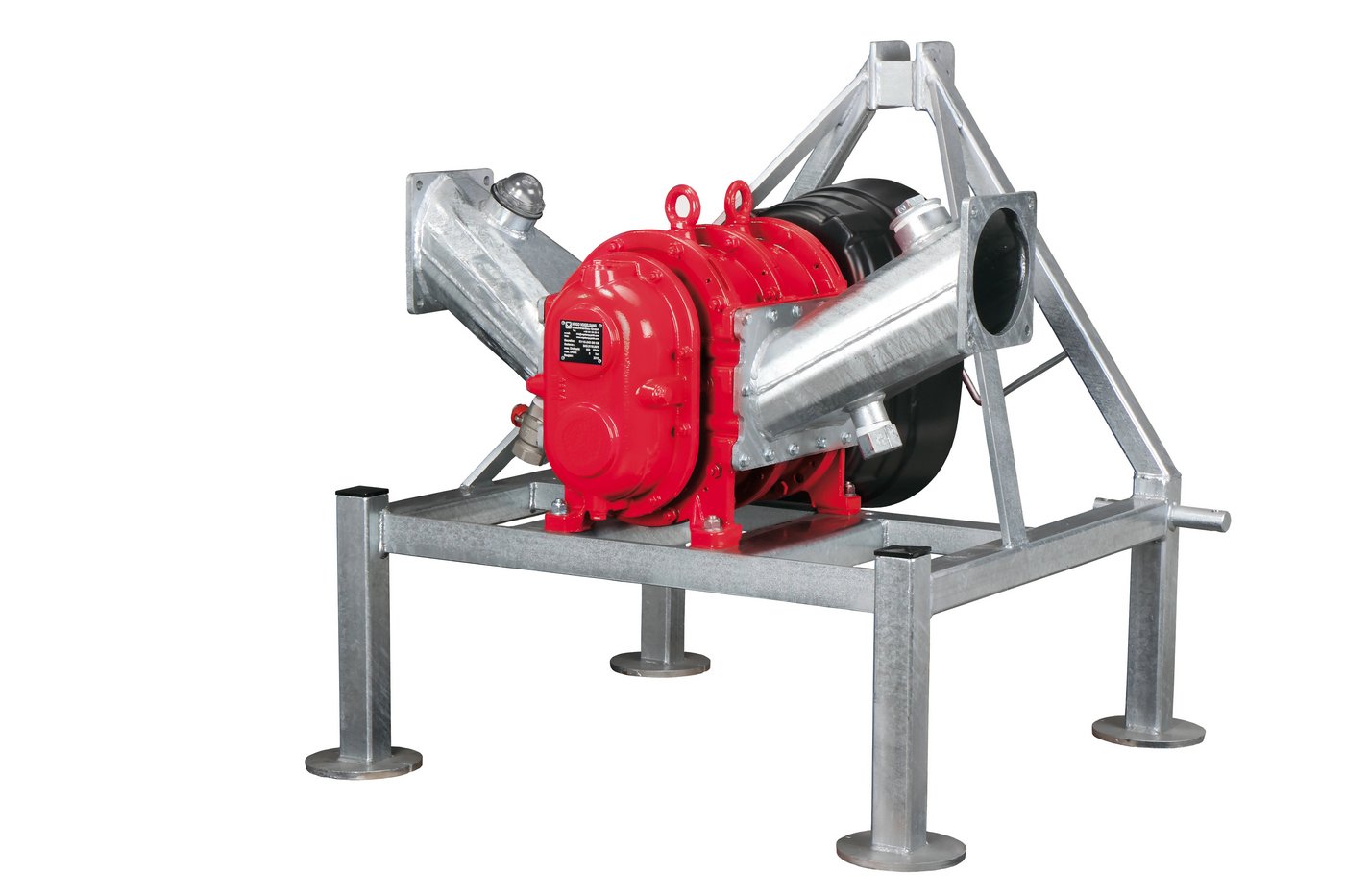
The Vogelsang R series rotary lobe slurry pump in two ranges, R116 and R136, to 5,000 l/min and 5 bar, with the full size list and where each fits.
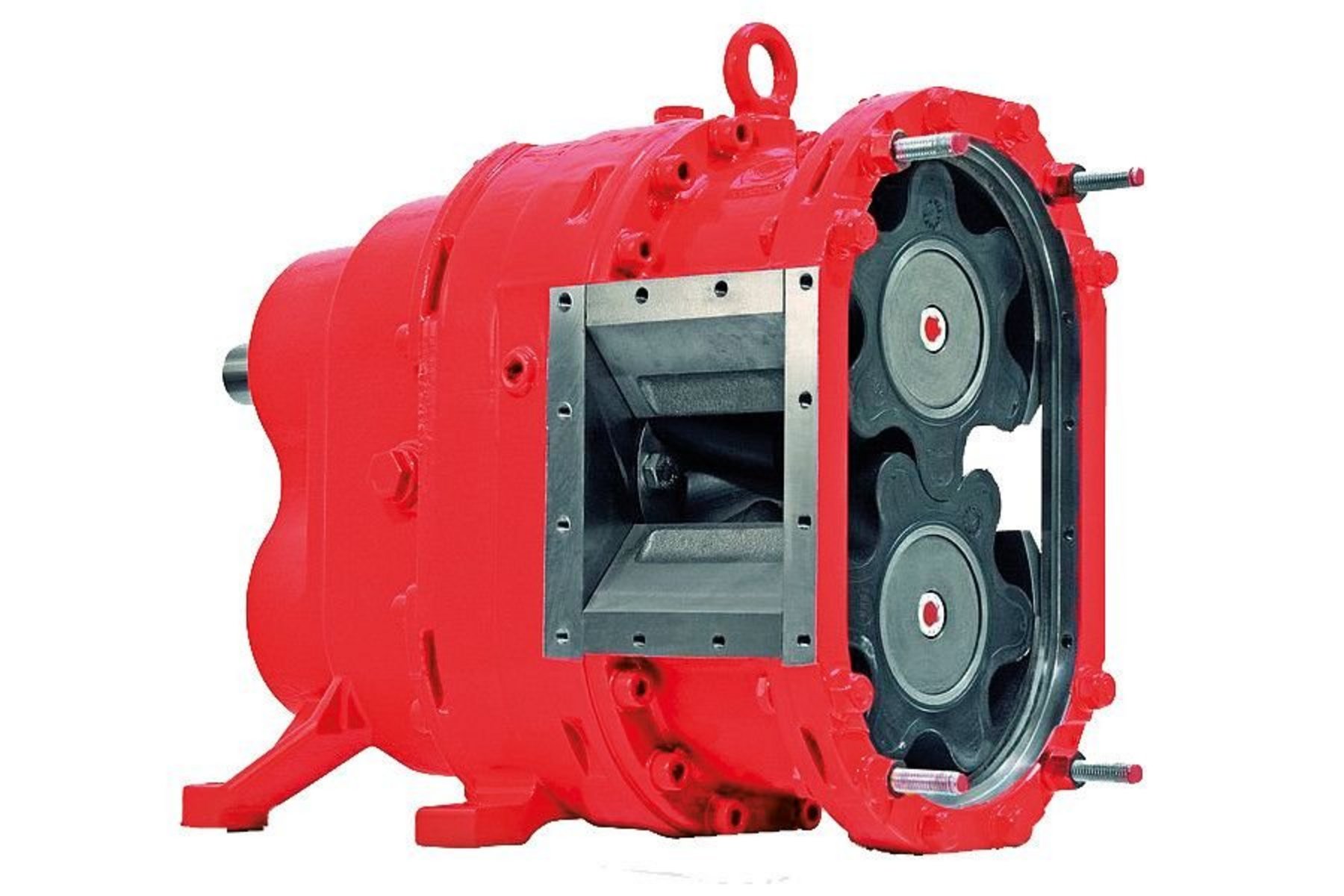
Flow, pressure and build options for every model in the Vogelsang VX series rotary lobe pump range, VX100 to VX230, and how to specify one for your duty.
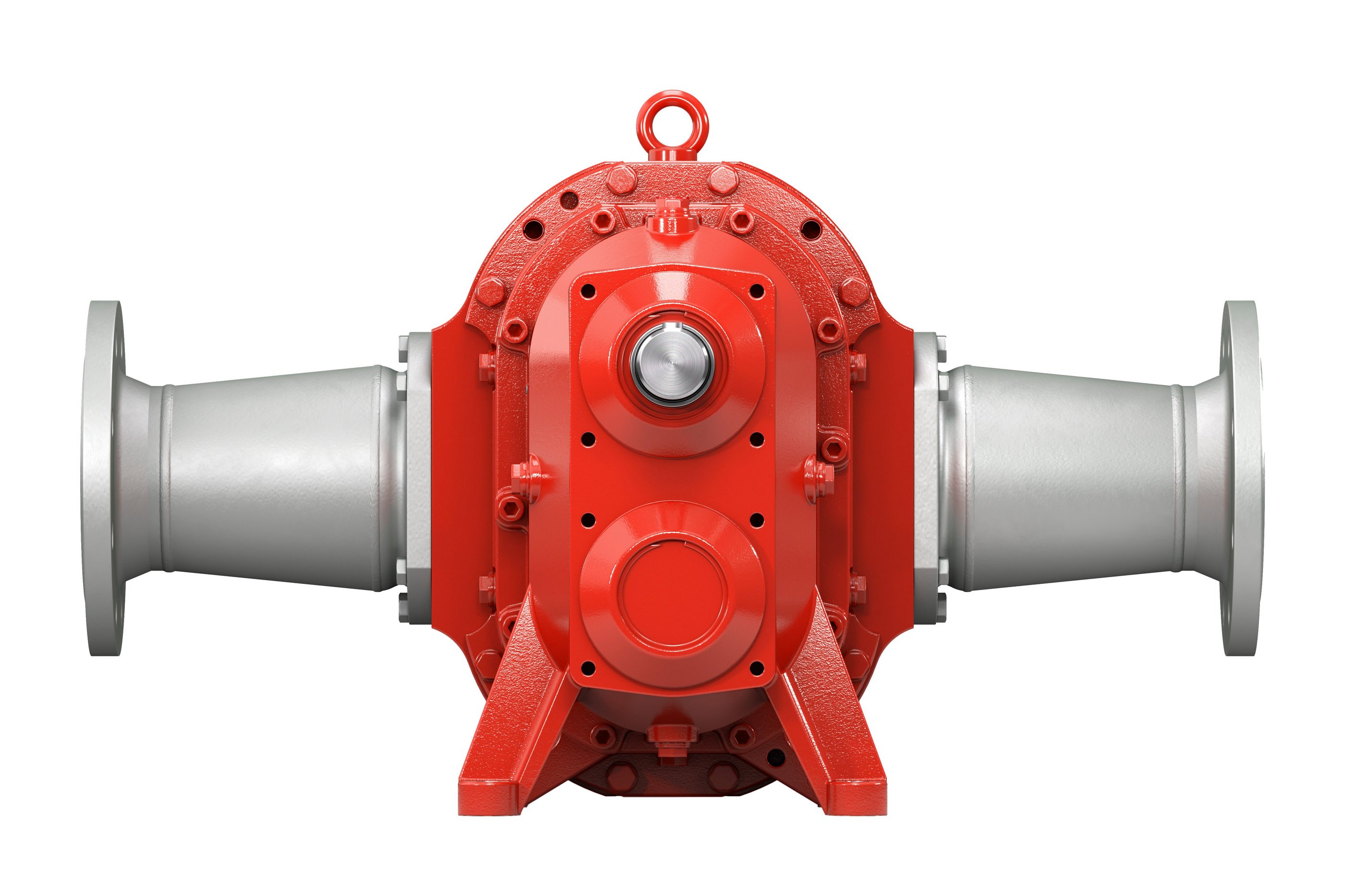
Flow, pressure and build options for the Vogelsang VY series rotary lobe pumps, VY100 and VY136, and how the one-piece CIP/SIP housing differs from the VX.
How to select a fluid transfer pump
Select the pump type against the medium, then size the unit against the duty point. These are the questions we ask, roughly in this order.
- Flow rate. The one figure you will already have. Give it in l/s or m³/h, and say whether it runs continuously or in batches.
- The pipework. Static suction head, required discharge head, and the difference between them. Then pipe length, bore, and how many bends and valves. Those give you total dynamic head, which is what you select against.
- Viscosity. Is it water, or as water? How thick does it get, and how much does it vary through a shift or a season? Design for the worst case, not the typical one.
- Hygienic or not. This sets the materials. Stainless steel throughout, or is cast iron fine?
- Temperature. With the medium, this drives the sealing arrangement more than anything else does.
- The seal. Single, flush, double or cartridge. Ask what a seal failure would do to the product, because that answer often changes the seal.
- Power and motor. Read off the performance curve once the duty point is fixed.
- Product sensitivity. Is the medium shear-sensitive, does it need to keep its solids intact, is it abrasive? Abrasive and shear-sensitive media both want pumping slowly, and that constraint never appears on a performance curve.
Few duties need all eight. We ask them anyway, because the customer usually cannot be expected to know which ones matter. A good site engineer has to be expert in a lot of things and pumps are rarely one of them. The job is asking the right questions, not expecting the right brief.
Frequently asked
What is a fluid transfer pump?
A fluid transfer pump moves a medium from one point to another, such as tank to tank or process to filler. Which type suits depends on whether the medium is as water, or thick, delicate or solids-laden.
Centrifugal or positive displacement for fluid transfer?
Use a centrifugal pump for media that behave as water, at higher flows. Use positive displacement for viscous, shear-sensitive, metered or solids-laden transfer, where flow holds steady as pressure moves.
What information do you need to size a transfer pump?
Flow rate, the pipework either side so we can work out total dynamic head, the medium at worst-case viscosity and temperature, and whether the duty is hygienic. The rest we ask as we go.
Can one pump handle more than one medium?
Often, yes. A positive displacement pump covers a wide viscosity range on one platform. The wetted materials and the seal still have to suit every medium, so tell us the full range rather than the usual one.
Why does a transfer pump cavitate?
Because NPSHa at the duty point has fallen below the pump's NPSHr. The cause is almost always suction conditions, usually a suction tank or a suction head that is too small, rather than the pump itself.