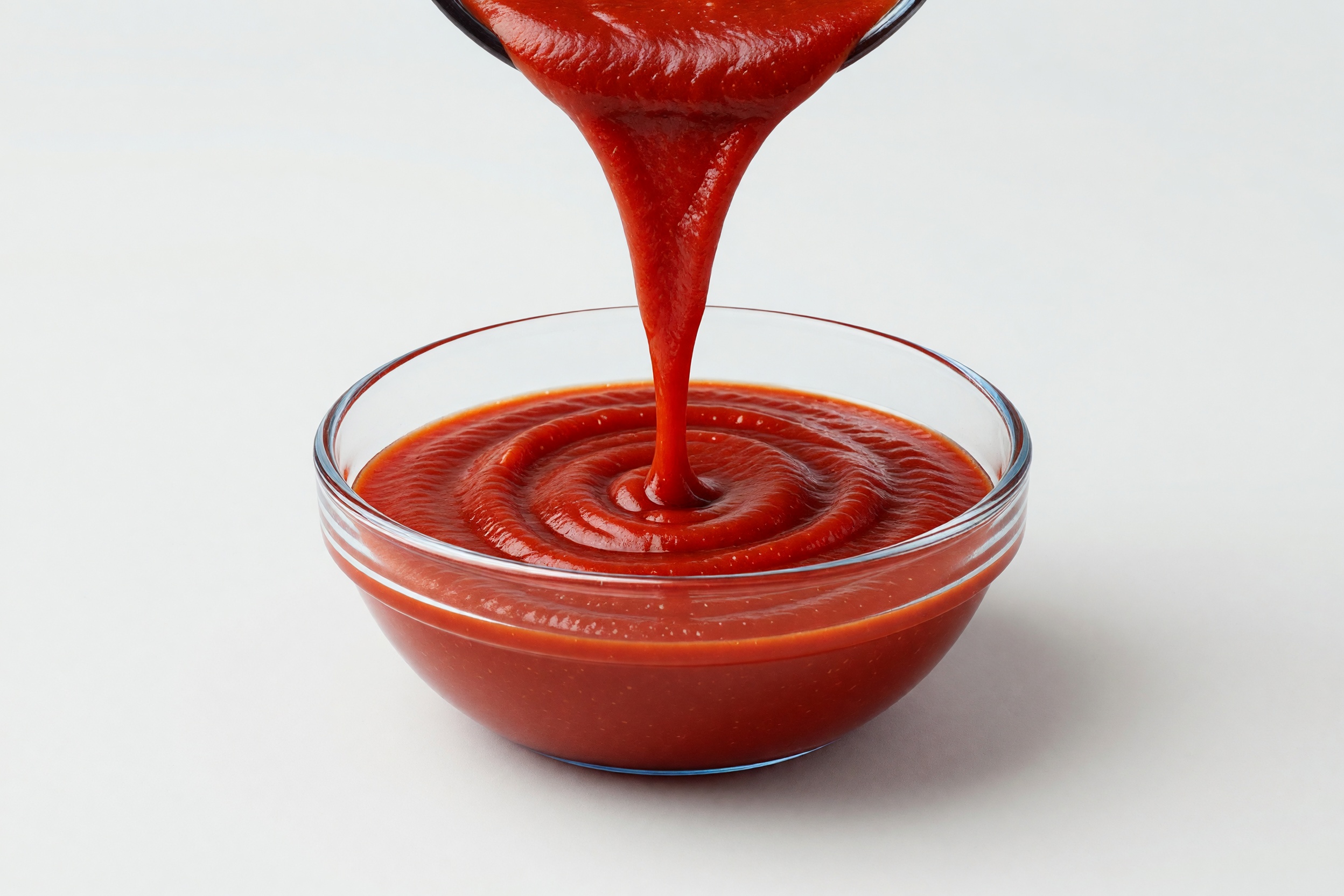
What food duties do to pumps
There is no rag on a food line, so the wastewater failure list does not transfer. Four things shorten a pump's life here, and heat is the one that catches people out.
- Temperature. Frying and hot-fill duties are the hard ones. The hotter the medium, the harder it is to seal, and the choice of pump narrows to what can be sealed at that temperature against that product. Temperature and medium together drive the sealing arrangement. Flow and head do not.
- Cleaning. With no clean-in-place regime, or a weak cleaning procedure, you get product contamination. Crevices, dead legs, a rough internal finish and a head that will not drain are where it starts. Strip a pump down to clean it and you add a reassembly step, which is where gaskets get pinched and seal faces get marked.
- Speed in an abrasive medium. Run a positive displacement pump too fast on anything abrasive and the wet end wears out early. Abrasive and shear-sensitive media both want pumping slowly, so the pump gets a size bigger and turns a good deal slower for the same flow.
- Pressure. High discharge pressure shortens the life of a food pump the same way it shortens any other, and on a hygienic build it usually shows up at the seal first.
Viscosity sits underneath all four, and food is the sector where it moves most. The question we ask is whether the medium is water, or as water. Product runs from thin brine to starch that barely moves, and the same product changes as it heats and cools through the line. Design for the worst case, not the typical one. Size on the medium as it behaves at the warm end and you get a pump that stalls every cold start.
One more is a system fault rather than a pump fault. A food factory came to us with repeated suction inlet blockages across a bank of pumps and asked us to replace the lot with something bigger. The pumps were sized correctly. Changing the inlet size fixed it, and the pumps stayed where they were. Look at what the pump is connected to before you condemn the pump.
What suits food duties
Select the type against the medium, then size the unit against the duty point. Doing it the other way round is how the wrong pump gets specified accurately.
The trade rule of thumb is roughly 3–4% solids. Below that a centrifugal pump is usually right; above it, move to positive displacement. Viscosity pushes the same way, and on a food line viscosity is normally what decides it.
- Thin product, higher flow. Brine, juice, wash water and CIP return. A hygienic centrifugal pump is cheaper to buy, cheaper to run and simpler to clean. It will shear a delicate product and it will struggle as the medium thickens.
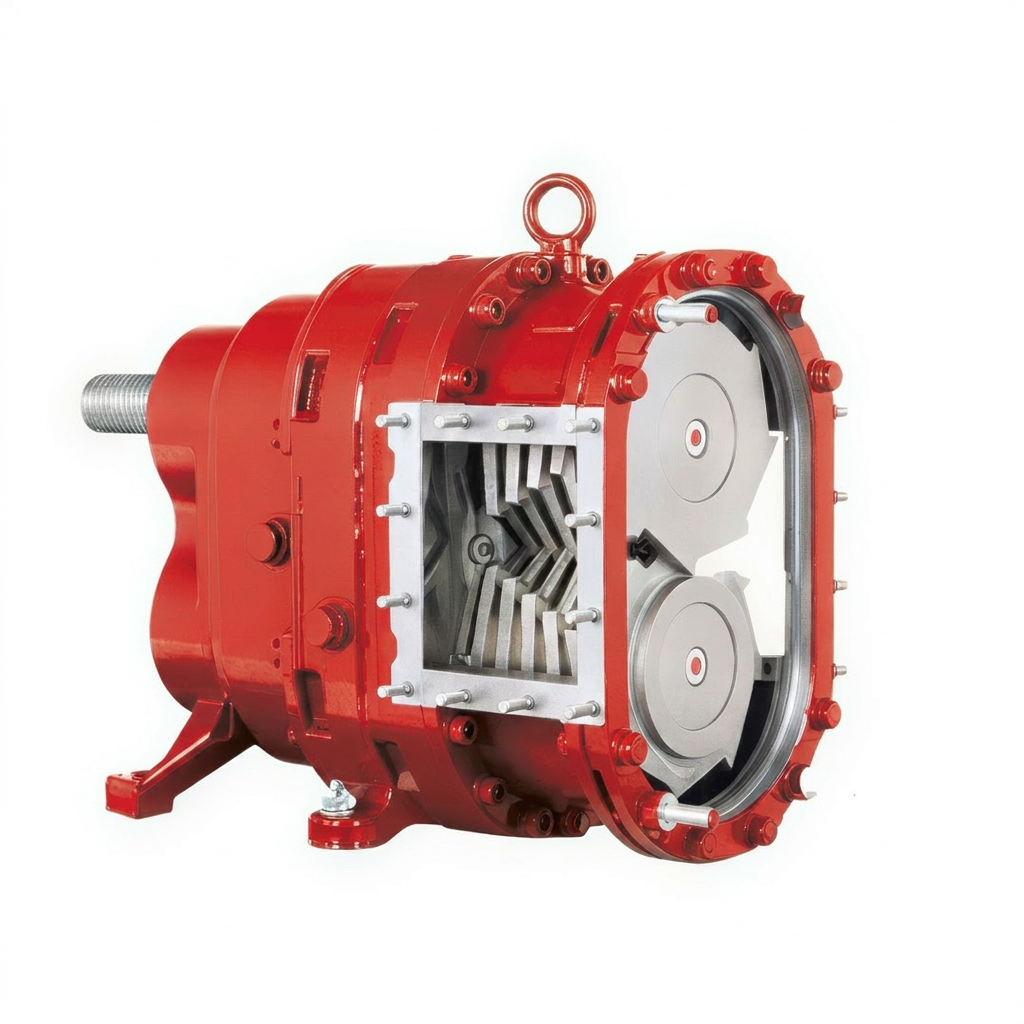
- Viscous or shear-sensitive product. Sauces, emulsions, creams, fruit preparations, starch. A rotary lobe pump displaces product instead of beating it, and holds its flow rate to within a few per cent as the discharge pressure moves. Run it slowly for shear-sensitive media.
- Very thick product. Where the medium barely flows, a progressing cavity pump will move it. The trade-off is dry running: take the liquid away and it burns through the stator and damages the rotor, which is a rebuild rather than a seal change.
Positive displacement costs more up front and turns more slowly. It also gives you more wetted parts to clean and a discharge that needs relief protection. What you buy for that is tolerance. A positive displacement pump will move broadly whatever you can get into it, from water to very thick product, and it holds its rate while a centrifugal's flow swings with pressure. On a line where the product changes through the day, that is usually worth the money.
Air-operated diaphragm pumps have a genuine place, and it is narrower than their popularity suggests. They earn it where there is compressed air and no electricity. Compressed air is expensive to produce, so the running cost sits well above an electric drive. The air supply's cleanliness and filtration become failure points of their own, and the air valve can freeze and stop the pump. Where electricity is available, we would specify electric.
We size across the hygienic ranges we carry, including Alfa Laval and Vogelsang, and we will tell you when the duty is better served by something we do not sell. If you already know the model and just want it shipped, we are not the cheapest way to buy it.
Food grade pumps we supply
View all →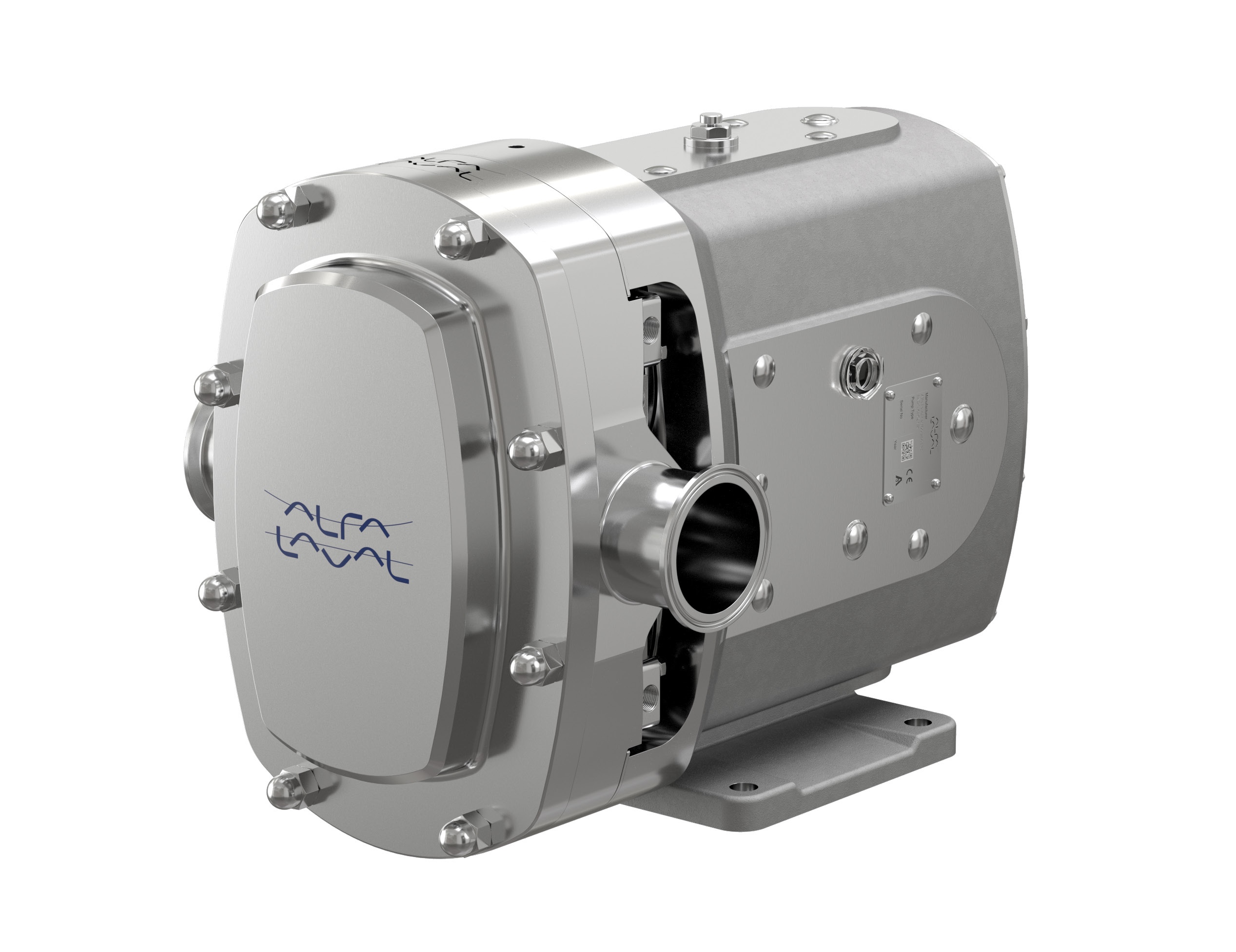
A hygienic circumferential piston pump for low-viscosity duties that need pressure. Certified to EHEDG and 3-A, in 13 displacements.
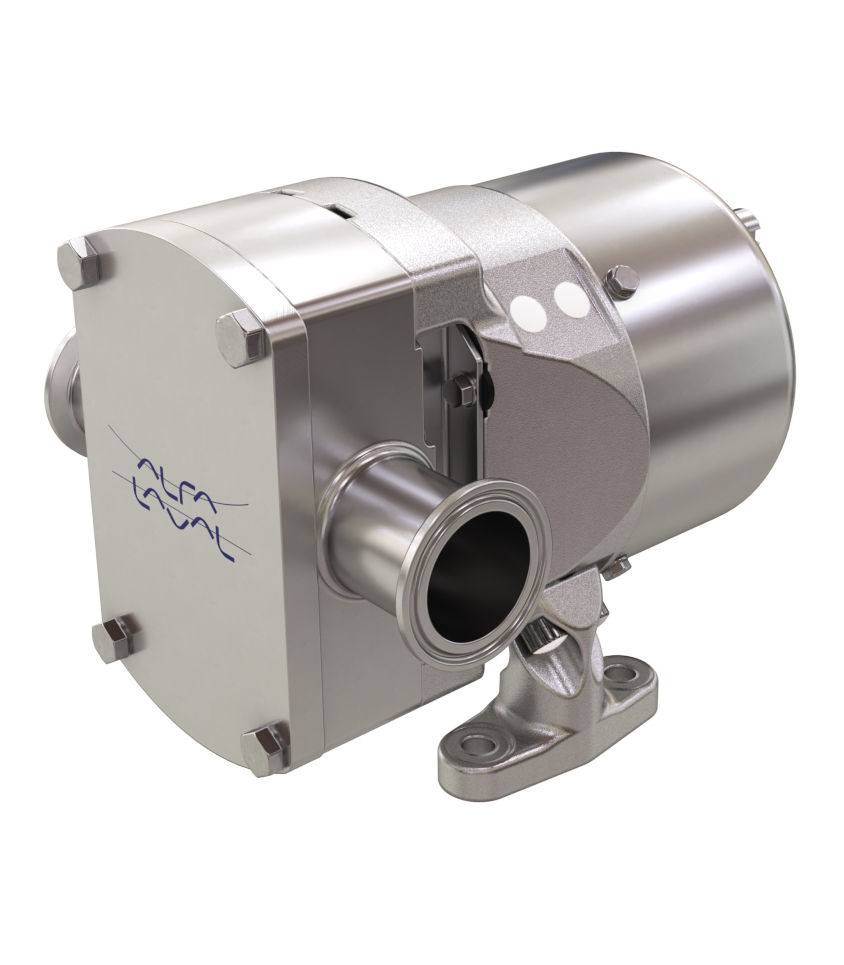
Alfa Laval's cost-effective hygienic rotary lobe pump, in 10 displacements to 77 m³/h and 8 bar, with an all-stainless exterior.
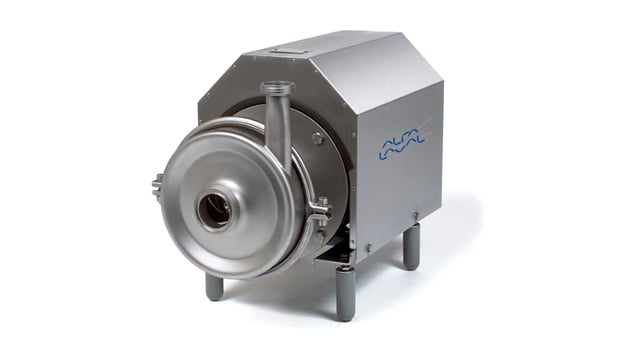
A standardised hygienic centrifugal pump for basic CIP and transfer duties, in four sizes, with an UltraPure execution for pharmaceutical work.
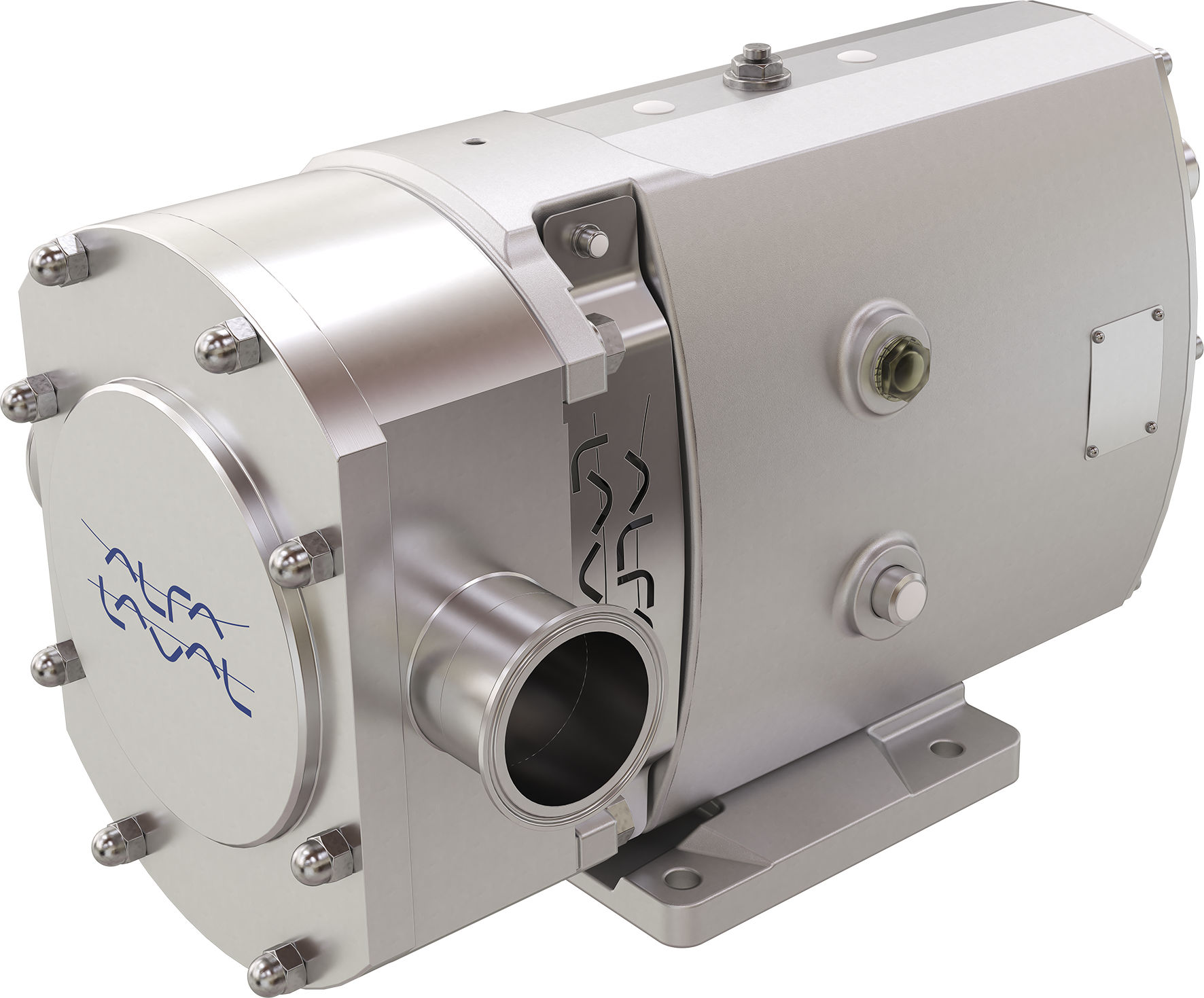
Alfa Laval's hygienic rotary lobe pump for shear-sensitive and viscous product, in 12 displacements to 106 m³/h and 20 bar.
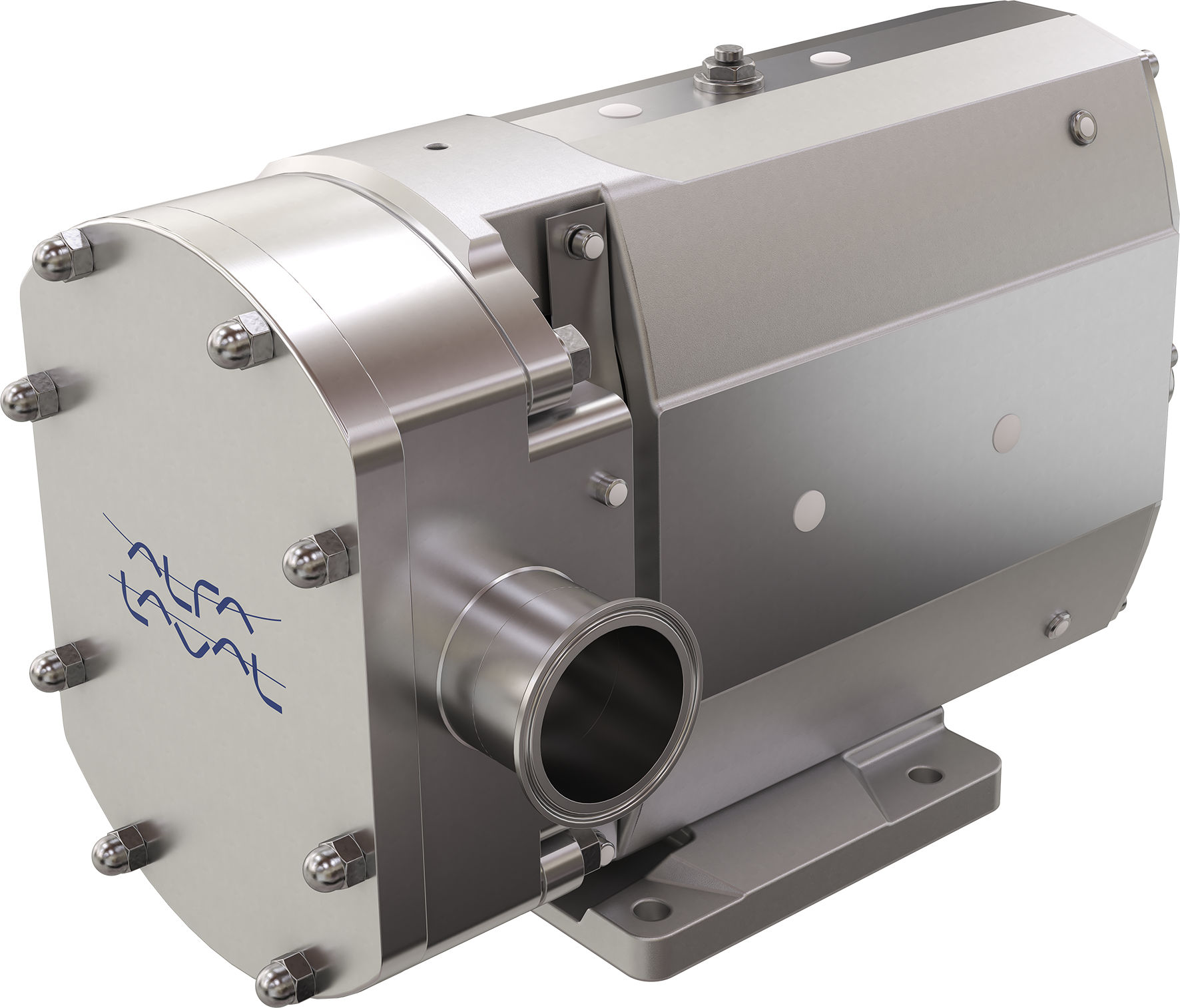
Alfa Laval's premium hygienic rotary lobe pump, in 14 displacements to 115 m³/h and 15 bar, with a fully drainable pump head for CIP and SIP.
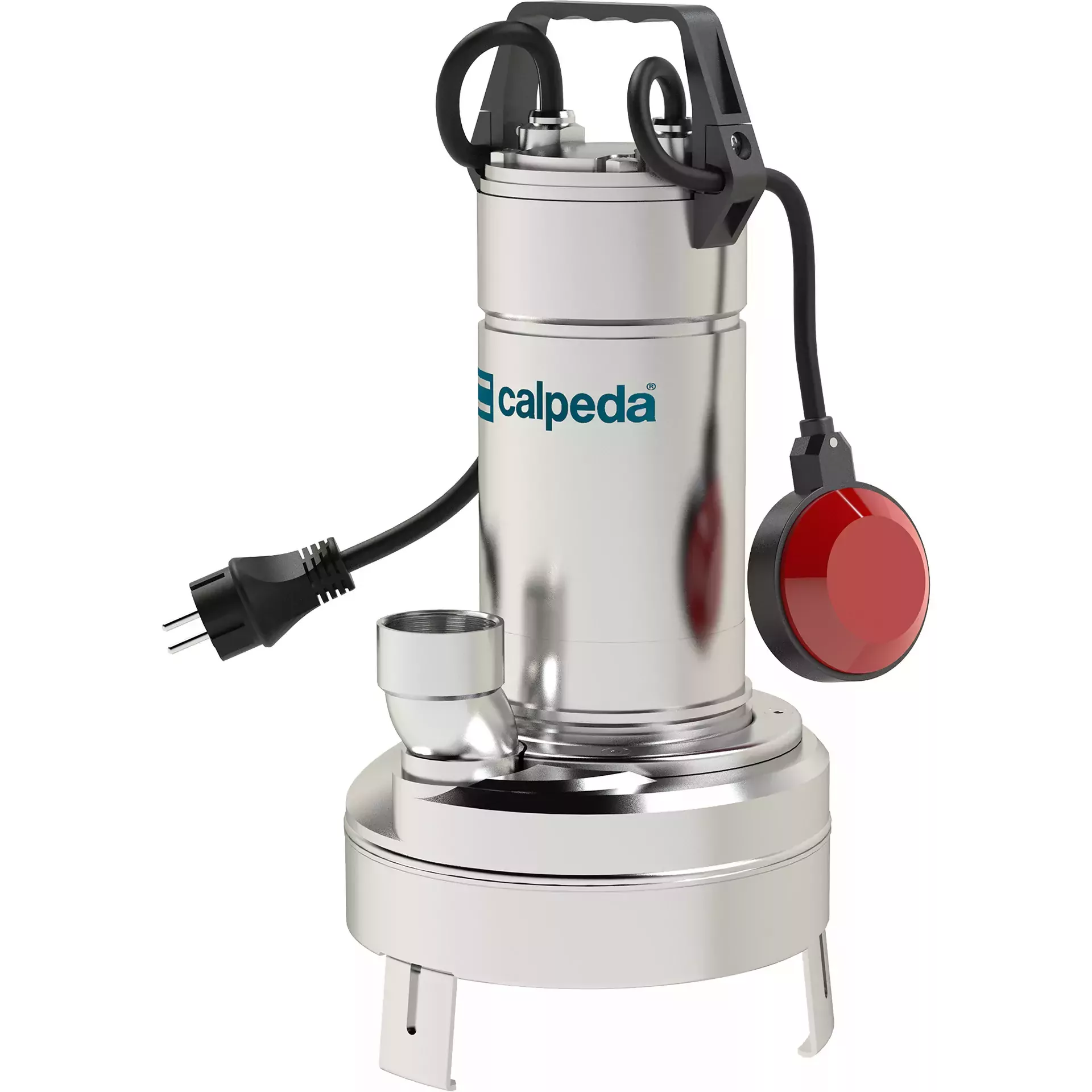
The Calpeda GX 40 is an AISI 304 submersible drainage pump passing 35 mm solids, built with a two-passage GXC impeller or a free-flow vortex GXV impeller.
The Ebara ChopX cuts and pumps in one unit. Two cutting stages, a hard metal wet end, and a flushless seal option, for scum, FOG, sludge and manure.
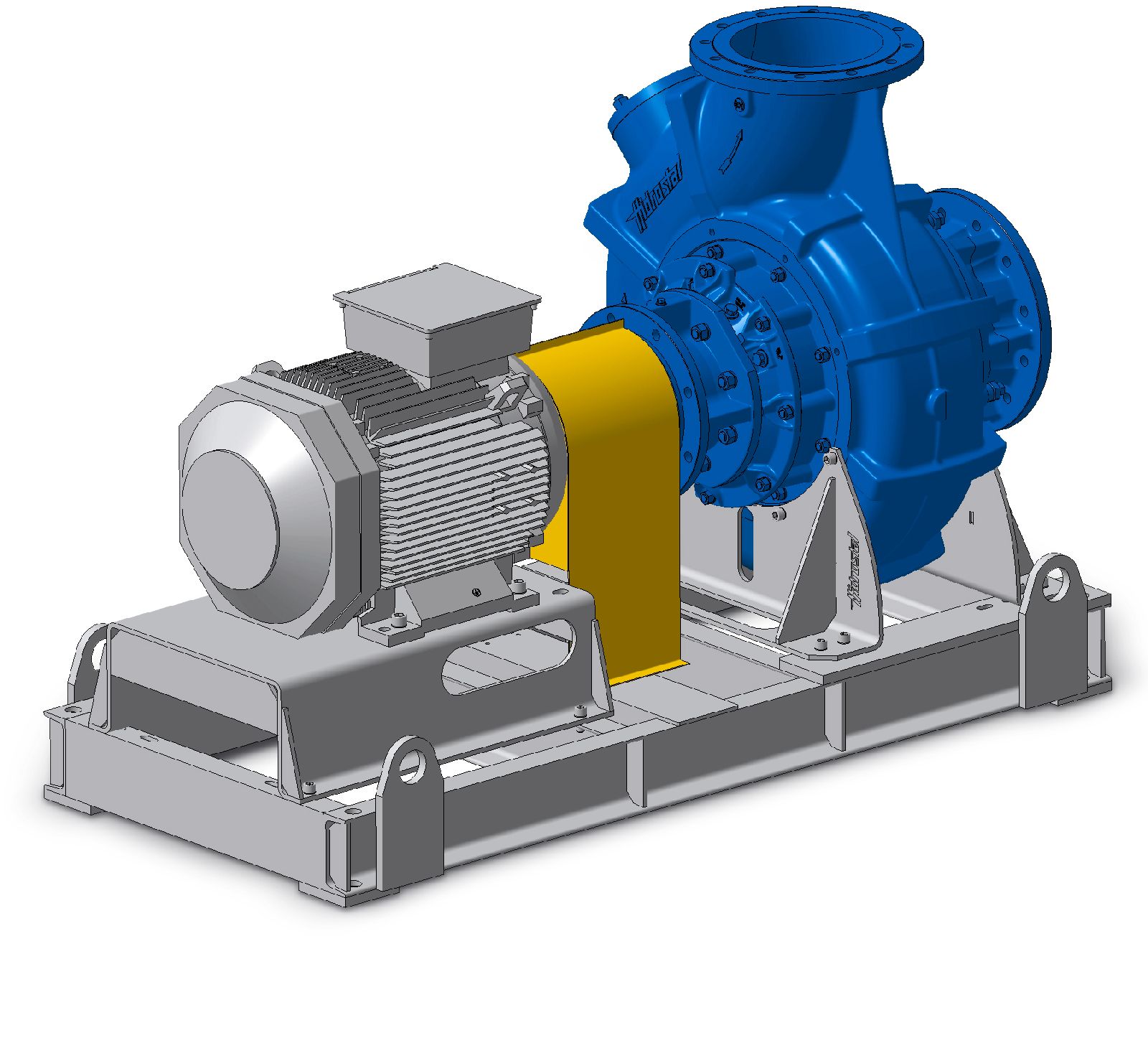
Hidrostal bearing frame pumps: dry-installed screw centrifugal end suction, 0.5–3000 l/s to 90 m, 32–700 mm, horizontal or vertical. Specs and selection.
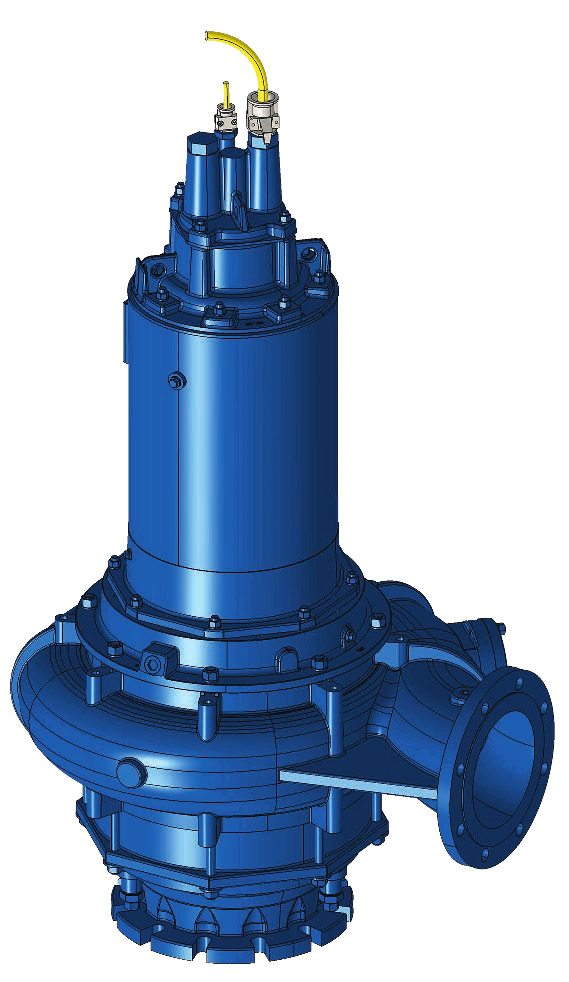
Hidrostal immersible pumps: 0.5–3000 l/s to 90 m head, closed-loop motor cooling so they run dry, part or fully submerged. Dry pit specs and selection.
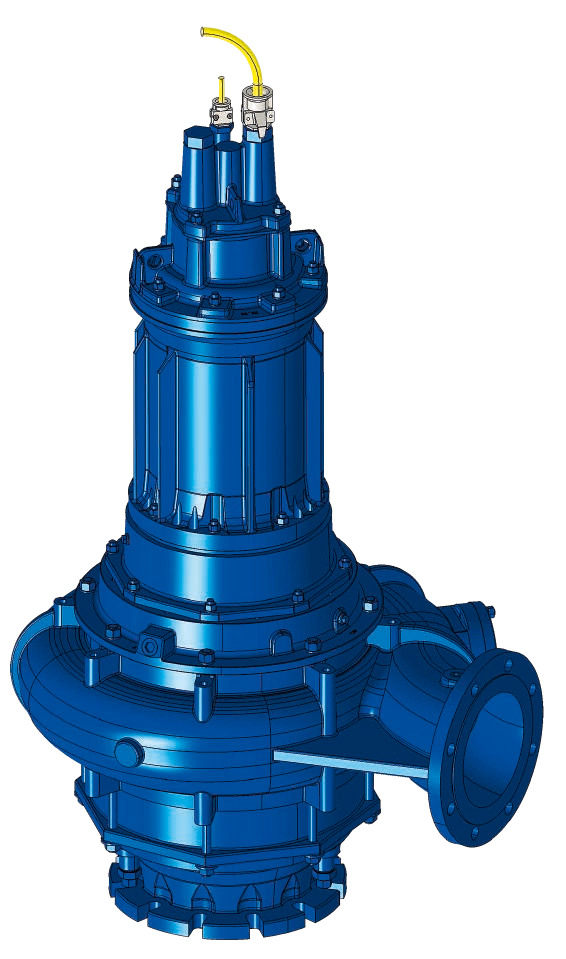
Hidrostal submersible pumps: up to 2500 l/s and 100 m head, screw centrifugal hydraulics, motor cooled by the liquid it sits in. Specs and selection.
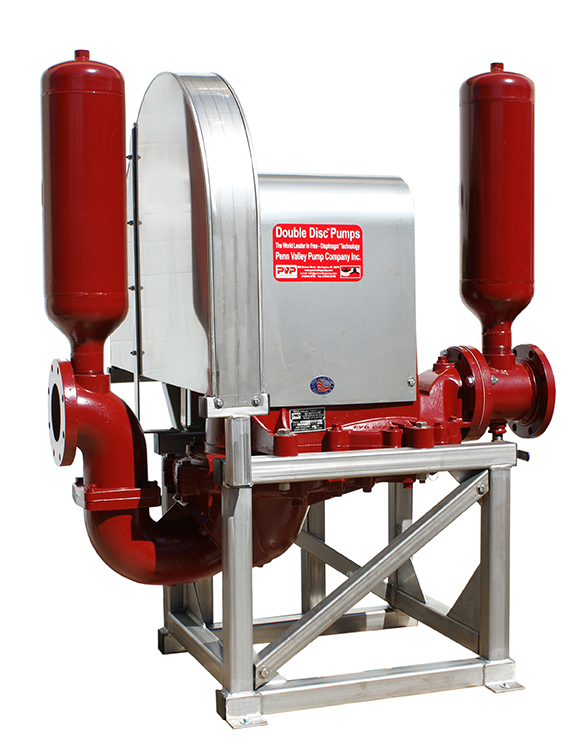
A seal-less reciprocating pump for sludge, slurry and rag-laden media, in seven sizes from 9 to 250 m³/h.
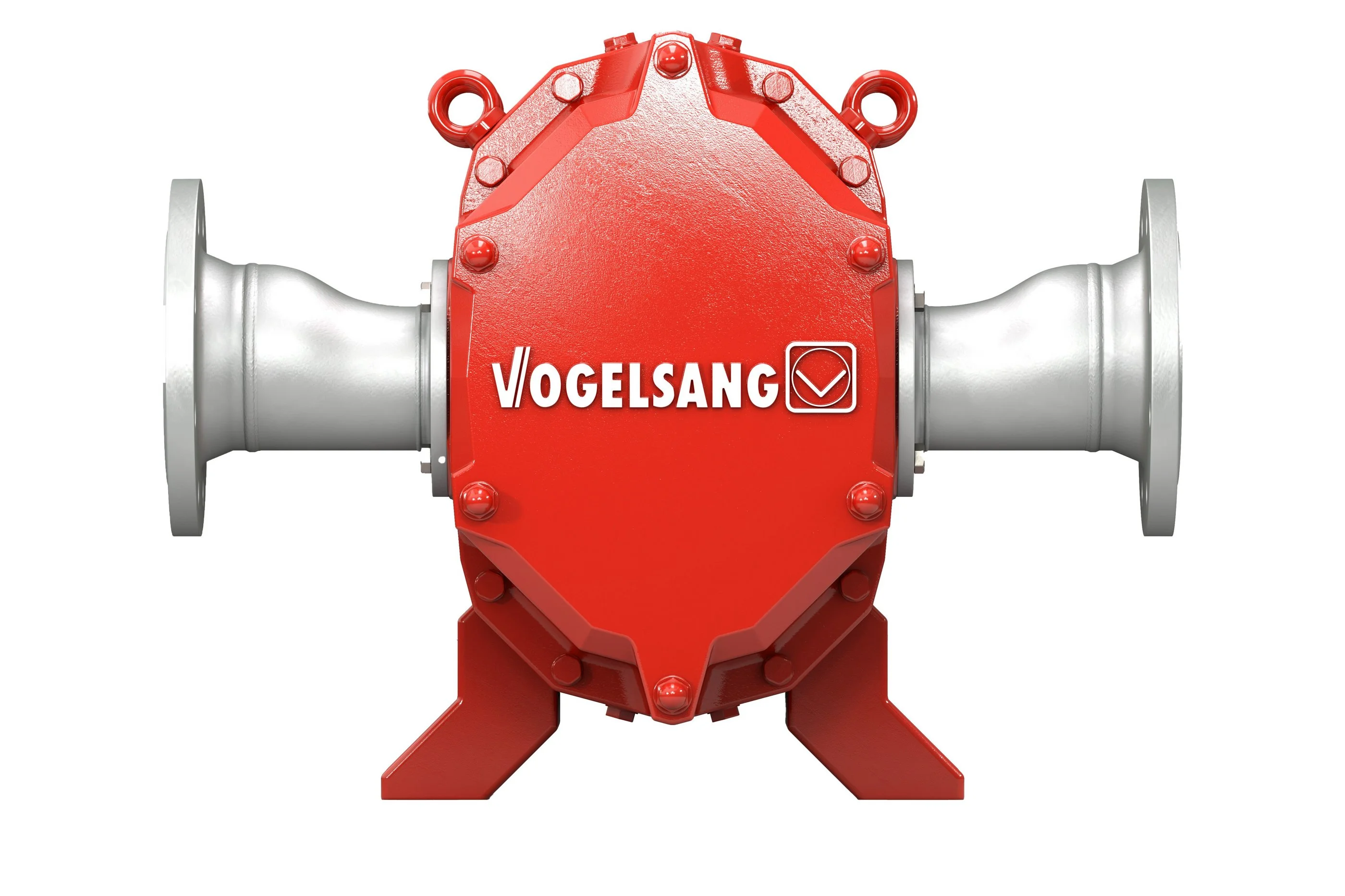
Vogelsang EP series rotary lobe pump: continuous differential pressures to 18 bar, media to 200°C, with API 682 and ATEX-compliant options.
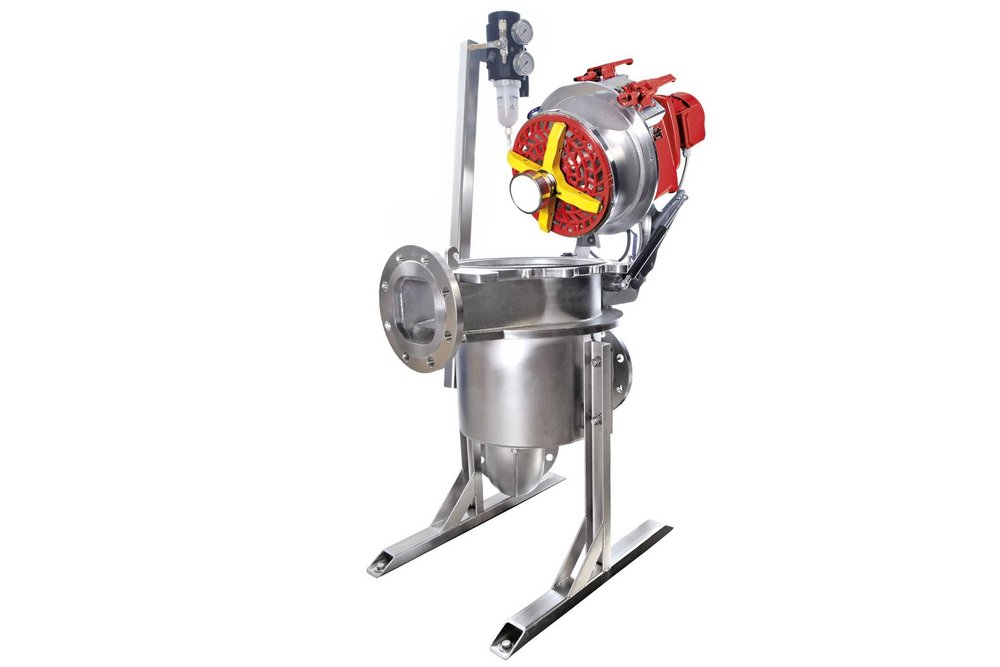
The Vogelsang RotaCut macerates fibre and coarse matter against a cutting screen and traps stones and metal upstream, protecting the pump behind it.
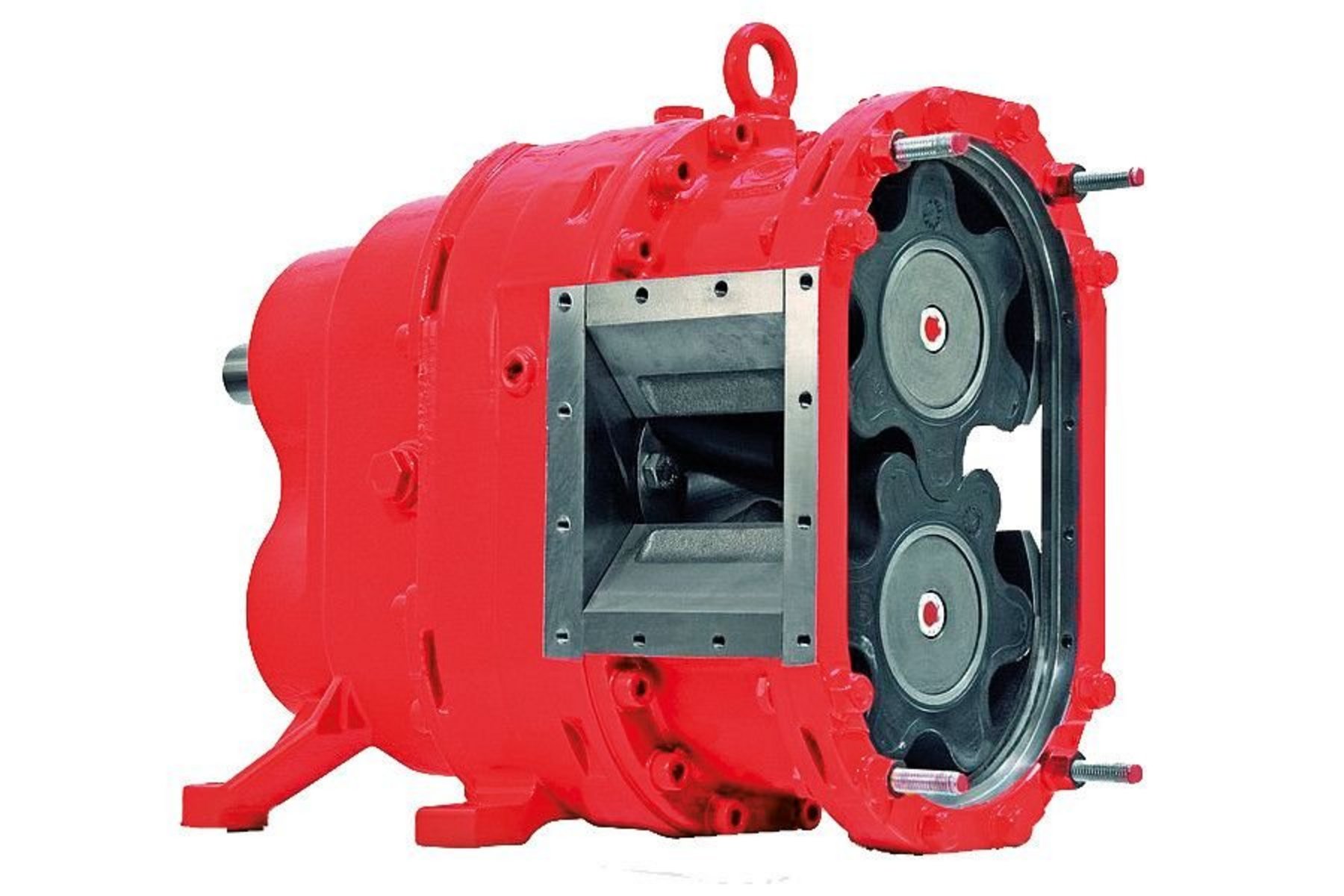
Flow, pressure and build options for every model in the Vogelsang VX series rotary lobe pump range, VX100 to VX230, and how to specify one for your duty.
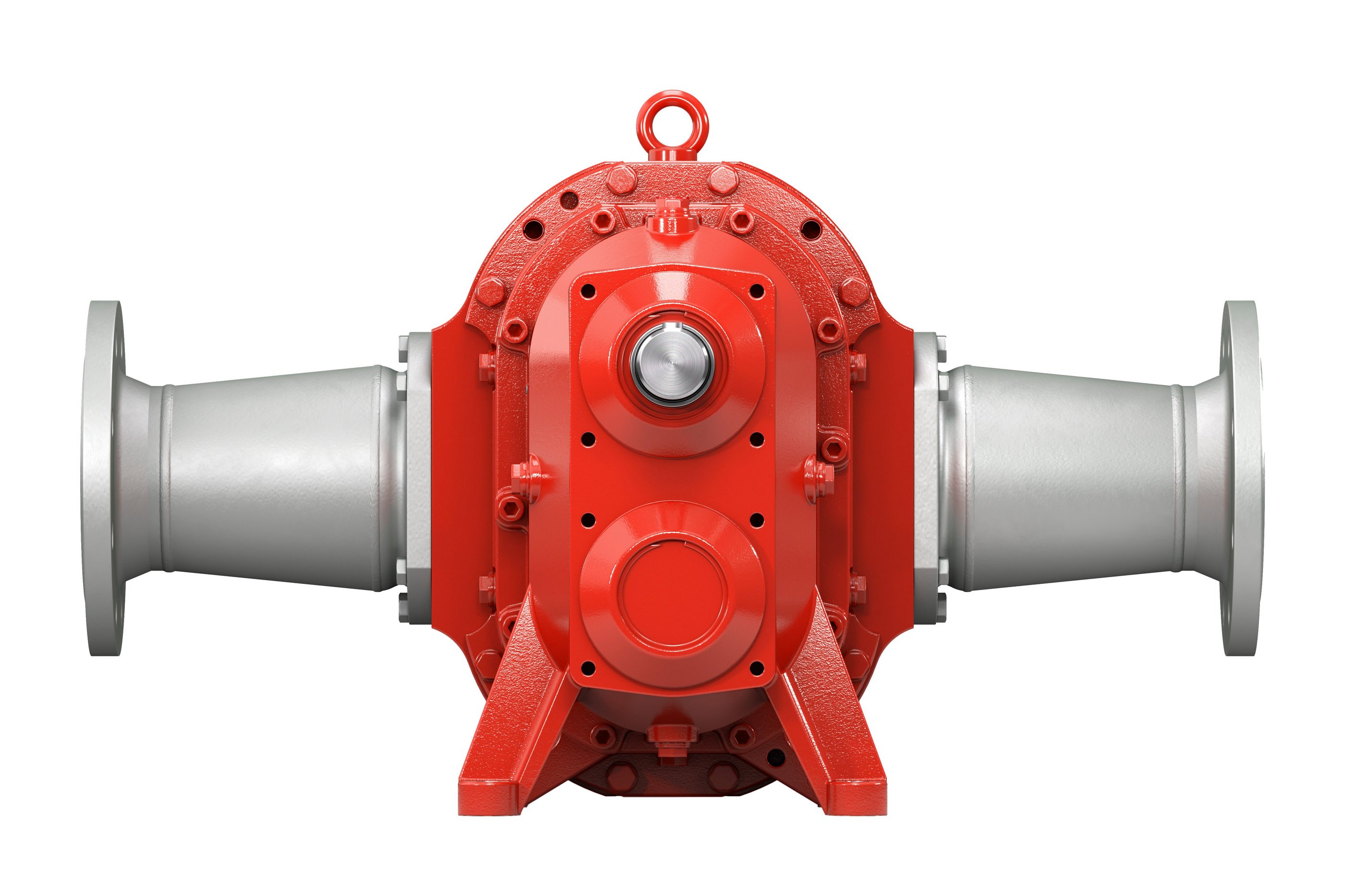
Flow, pressure and build options for the Vogelsang VY series rotary lobe pumps, VY100 and VY136, and how the one-piece CIP/SIP housing differs from the VX.
Vogelsang's twin-shaft wastewater grinder, in four series covering 50 to 7,164 m³/h, inline in a pipe or lowered into an open channel.
Hygienic standards, and who evidences them
Certification belongs to the manufacturer, not to the distributor. We can tell you which standard applies to your process and get you the certificate for the build you are buying. We cannot certify a pump, and neither can anyone else selling you one.
- EHEDG (European Hygienic Engineering & Design Group) publishes hygienic design guidance and runs a certification scheme for equipment that cleans in place, with no crevices or dead legs holding product.
- 3-A Sanitary Standards set hygienic design criteria for food and dairy processing equipment.
- Food-contact material compliance covers the wetted path: the stainless grades, the elastomers in the seals and gaskets, and any lubricant that could reach product.
- ATEX Directive 2014/34/EU applies where flammable dust or vapour is present, which on a food site usually means flour, sugar, starch or alcohol. The area is classified into zones; the equipment is certified for use in a zone. A pump is not "Zone 1 rated".
Ask for the certificate against the specific build, including the elastomer and seal specification, rather than accepting that the product family is certified. Tell us which standard your process is audited against and we will put that question to the manufacturer before you order.
Frequently asked
What makes a pump food grade?
A food grade pump has wetted parts that are safe against food and survive the medium. That usually means stainless steel, with elastomers chosen for food contact, and a design that cleans in place without being stripped down. Smooth internal surfaces and a head that drains are what stop product sitting in the pump between runs.
Which pump type suits viscous or shear-sensitive food products?
A hygienic positive displacement pump, usually a rotary lobe. It displaces product rather than accelerating it through an impeller, so emulsions, creams and fruit preparations come out the far end intact. Run it slowly. Speed is the control that protects the product, and no performance curve will tell you that.
Does a food processing pump need to be CIP cleanable?
On any product-contact duty, yes. Clean-in-place means the pump is flushed and sanitised in the line rather than dismantled. A pump that has to be stripped to be cleaned will be cleaned less often than the process needs, and that is where product contamination starts.
Why does high temperature narrow the choice of food pump?
Because sealing gets harder as the medium gets hotter. Frying duties are the clearest case. The seal is the weak point in almost any pump, and temperature combined with the medium is what drives the sealing arrangement, so a hot duty rules out builds that would be fine cold.
What do you need to size a food grade pump?
The medium and how thick it gets at its worst, the process temperature, the flow rate, and the discharge pressure or total dynamic head. Tell us whether the product is shear-sensitive or abrasive, and what a seal failure would do to the batch. That last answer often decides the sealing arrangement on its own.