
About Ebara
Ebara Corporation dates from 1912, when Issey Hatakeyama set up the Inokuty Type Machinery Office around Professor Ariya Inokuchi's work on centrifugal pump theory. It is now a large industrial group that has gone well past pumps into chillers, fans, compressors and turbines, and semiconductor equipment, with more than 16,000 employees and over 80 subsidiaries.
The European pump business is Italian, and most of what lands on a UK job comes out of it. Ebara Italia was founded in 1989 and began production at Cles, in Trento, in 1992; Ebara describes that plant as one of Europe's top manufacturing centres for stainless steel electric pumps. It became Ebara Pumps Europe in 1998, and the head office has sat at Gambellara, in the province of Vicenza, since 2018. That history is why the range reads the way it does to a UK specifier. The 3D is built on EN 733 dimensions, and stainless is the default on the drainage pumps rather than something you pay extra for. The group also catalogues regionally, so a few ranges reach us through Ebara's other businesses rather than the European one, and the published data for those comes in US units.
Ebara builds to catalogue ranges rather than engineering one-offs, and that shapes what you get. The hydraulics are standard, the performance curves are published, and the same parts sit behind a large installed base. For a building services or general transfer duty that is what you want: a pump you can size off a curve, order without waiting on a special, and still get a service kit for years after it went in.
The standard ranges are built for water and wastewater and nothing thicker. The engineered end of the Ebara line, the XCS and the ChopX, does reach further into sludge and stringy solids. Past that, on sludge at real dry solids content or on viscous product, you want positive displacement, and we will point you at a different technology and often a different maker.
The Ebara range we supply
View all →Ebara's range splits in three: standardised end-suction pumps, submersible drainage and sewage pumps, and two engineered ranges for the media the first two will not touch. They answer different questions, and the third group is where the selection actually gets difficult.
End-suction centrifugal. The 3D is the cast iron workhorse, a standardised end-suction pump built to EN 733 for clean water, cooling and general transfer. Ebara publishes it to 138 m³/h and 70 m, at a maximum working pressure of 10 bar, with a cast iron body and a stainless impeller and shaft. The 3M and the 3S are builds of the stainless 3 SERIES, which Ebara catalogues as one pump in three drive arrangements: the 3M monobloc, the 3S on a rigid coupling to a standard IEC motor, and the 3P on an elastic coupling. The hydraulics and the twelve sizes, 32-125 through 65-200, are the same across all three. That choice is about the motor and the installation, not the duty. The stainless also changes what you can put through the pump: Ebara rates the 3 SERIES for clean water and moderately aggressive fluids where the 3D is clean water only, and its standard seal runs from -10°C against the 3D's -5°C. Choose the series on the medium, then the build on how the pump has to go in.
Submersible drainage, sewage and sludge. The duty and the solids decide which range you are in, so start here.
| Range | Duty | Solids | Impeller |
|---|---|---|---|
| BEST ONE | Domestic and light drainage | 10 mm, or 20 mm on the VOX build | Semi-open, or vortex on the VOX build |
| BEST 2 | Light commercial drainage | 10 mm | — |
| BEST 3 | Commercial drainage | 10 mm | — |
| BEST 4 | Commercial drainage, larger frame | 10 mm | — |
| BEST 5 | Heavy-duty commercial drainage | 10 mm | — |
| DW | Sewage and dirty wastewater | 50 mm | Single channel, or vortex on the VOX build |
| DWU | Solids-handling sewage | 50 mm (published as 2″) | Single channel |
| DWXU | Solids-handling sewage | 50 mm (published as 2″) | Vortex |
| XCS | Thick sludge, stringy and shear-sensitive media | — | Screw centrifugal, single vane |
| ChopX | Rag, fat and grease, abrasive slurry | Cut at the inlet | Open, against a cutter bar |
The BEST family is the drainage half. BEST ONE is the small end, an AISI 304 stainless unit running from 1.2 to 10.2 m³/h and to around 8 m of head, for basements, tanks and light drainage. BEST 2, BEST 3, BEST 4 and BEST 5 are one commercial family in ascending frame size, all stainless, all with a double mechanical seal in an oil chamber, together covering 1.2 to 21.6 m³/h and heads to 18.4 m. BEST 2 is the light commercial end of that, BEST 5 the heavy-duty drainage end. Pick the number off the duty point, not off the description.
The sewage range starts with the DW, in AISI 304 stainless with either a single-channel or a vortex impeller, a 50 mm solids passage, and duties to 54 m³/h and 20 m. The DWU and the DWXU are the solids-handling stainless builds above it, the DWU on a single channel and the DWXU on a vortex. Ebara publishes one spec set for the pair, with a maximum solid diameter of 2″ on both, so the vortex buys you rag tolerance rather than a bigger solid. Those two are catalogued by Ebara's Americas business, in US units and with NPT thread or 150 lb ANSI flange discharge, so send us the duty and we will confirm what is available before either goes into a UK specification.
Two ranges sit beyond that, and they are the reason Ebara stays on the list for difficult wastewater. The XCS is a screw centrifugal pump: a single-vane impeller with a screw section that draws the medium in gently and a centrifugal section that develops the head. There are no exposed blade edges for rag to catch on, so it passes thick sludge, stringy solids and shear-sensitive media that a conventional impeller would tear up. Return activated sludge, waste activated sludge and digested sludge recirculation are its home ground, and the wet end can be specified in Ni-Hard or high-chrome iron where grit is the problem.
The ChopX is the chopper pump. Its impeller runs sharpened leading and vane edges at tight clearance against a cutter bar at the inlet, with a second cut behind the impeller where sharpened vanes cross spiral grooves in the backplate, which also keeps solids out of the seal area. It cuts and pumps in one unit instead of needing a separate grinder ahead of it, and it handles scum, fat, oil and grease, digested sludge and manure.
Inside the sewage ranges the real choice is the impeller, not the pump. A channel impeller is more efficient and holds a better duty point. A vortex impeller keeps the solid clear of the vane, so it rags far less readily, and you pay for that in efficiency for the life of the installation. Within a given Ebara range the published solids passage is the same either way, so what the vortex buys you is rag tolerance, not a bigger solid. If the wet well is genuinely rag-heavy, take the vortex or the chopper and accept the power bill. If it is not, don't buy blockage insurance you will never use.
One warning applies to every submersible on this page. If a pump that already handles solids is blocking constantly on rag, fitting a better solids-handling pump usually fails the same way. That like-for-like upgrade is one we will decline, because the honest answer is rag removal upstream, a macerator or a chopper ahead of the pump. That is a system change nobody asked us to sell, and it is still the right one.
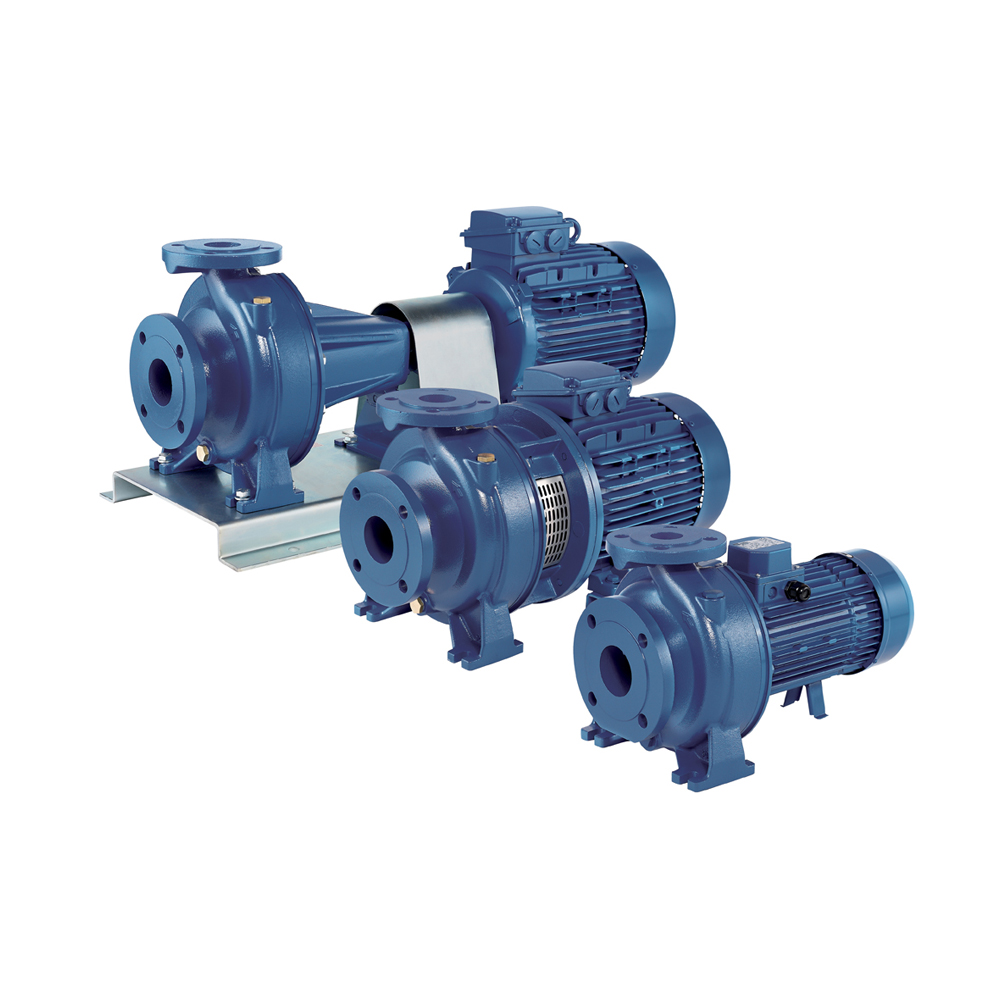
The Ebara 3D series is an EN 733 standardised cast iron end suction pump for clean water to 138 m³/h and 70 m. Specs, seal options and UK supply.
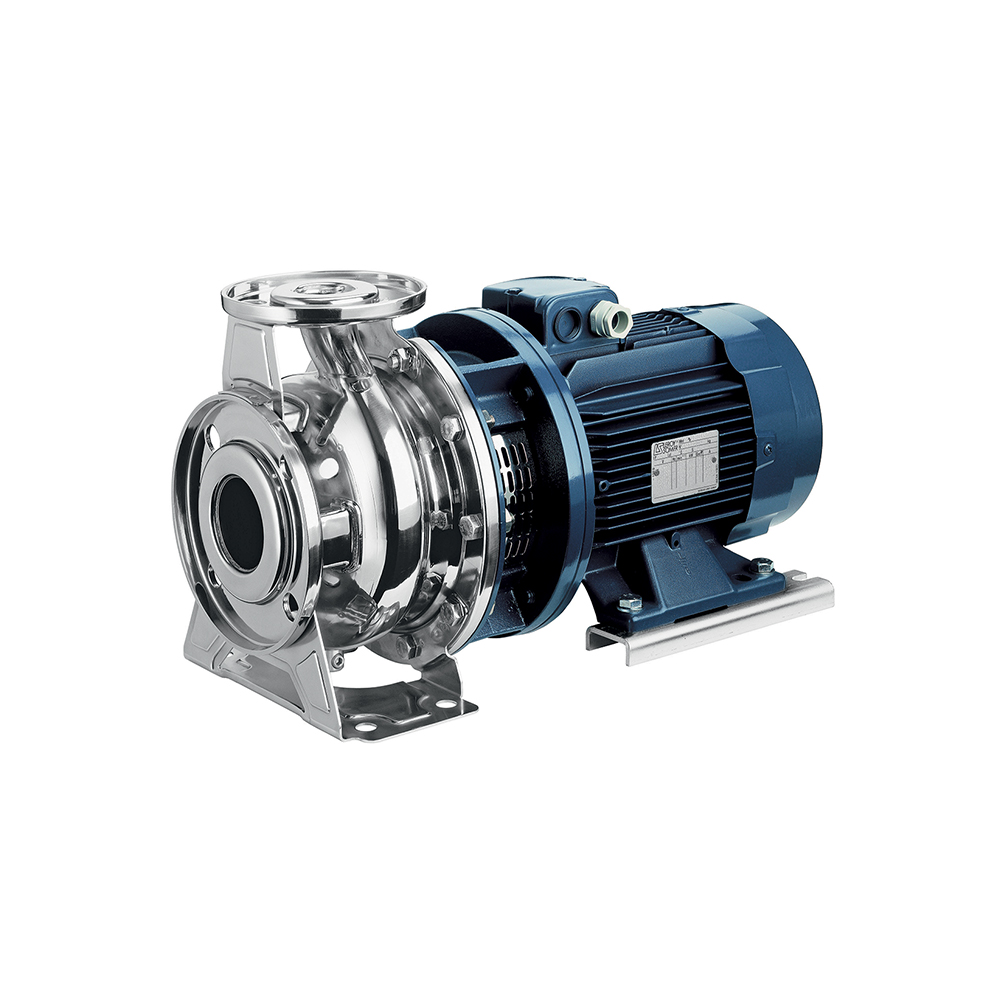
The Ebara 3M series is the monobloc build of Ebara's AISI 304 stainless EN 733 end suction pump. Sizes, seals, single-phase options and UK supply.
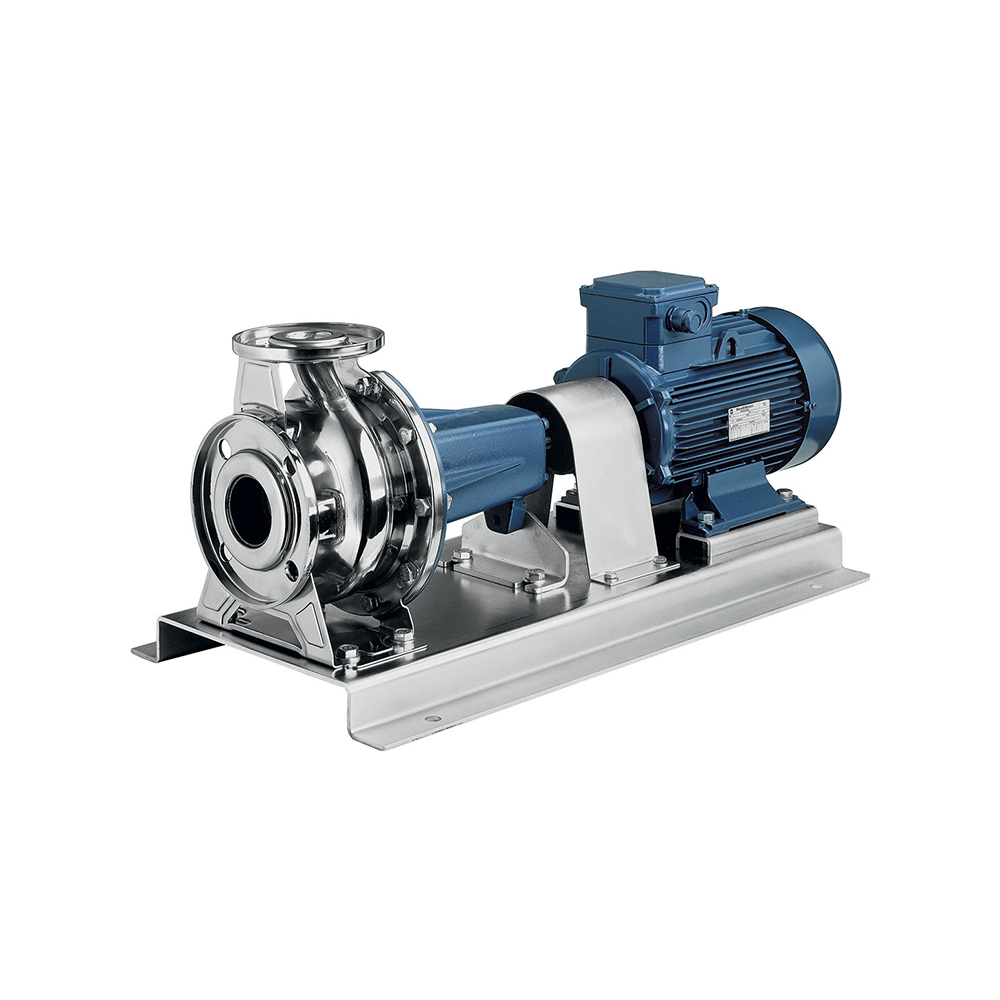
The Ebara 3S series is the rigid-coupling build of Ebara's AISI 304 stainless EN 733 pump, driven by a standard IEC motor, with an ATEX 3SF version.
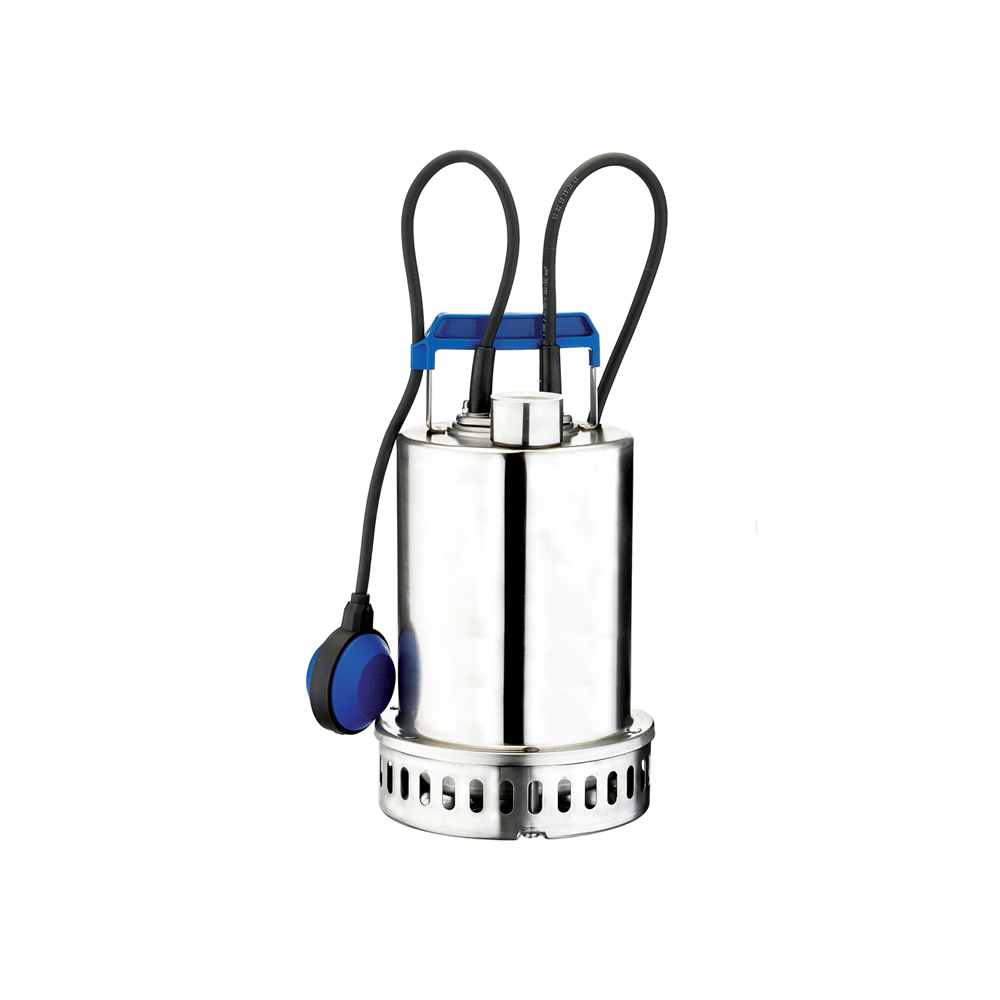
The Ebara BEST 2 is the 0.55 kW frame of the stainless BEST 2-5 range, running to 15.6 m³/h and 13.1 m of head with a 10 mm solids passage.
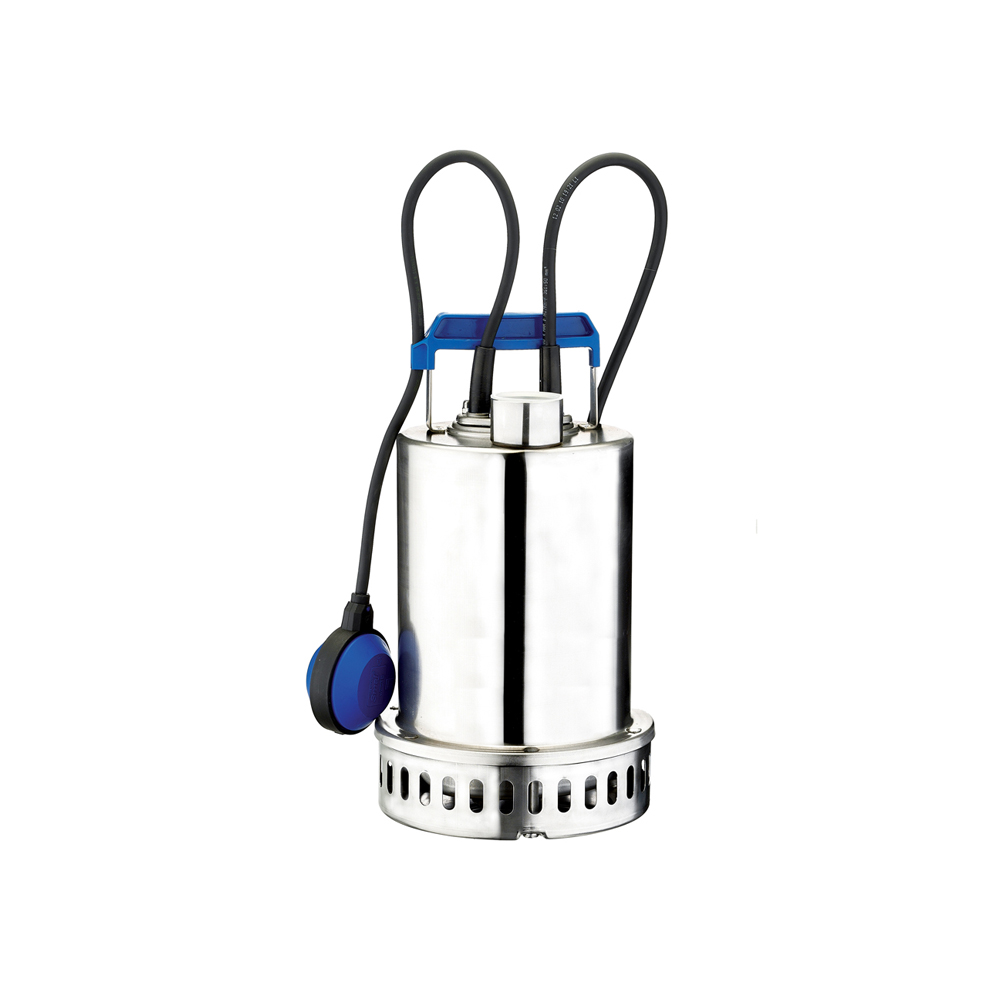
The Ebara BEST 3 is the 0.75 kW frame of the stainless BEST 2-5 sump range, running to 16.8 m³/h and 14.6 m of head with a 10 mm solids passage.
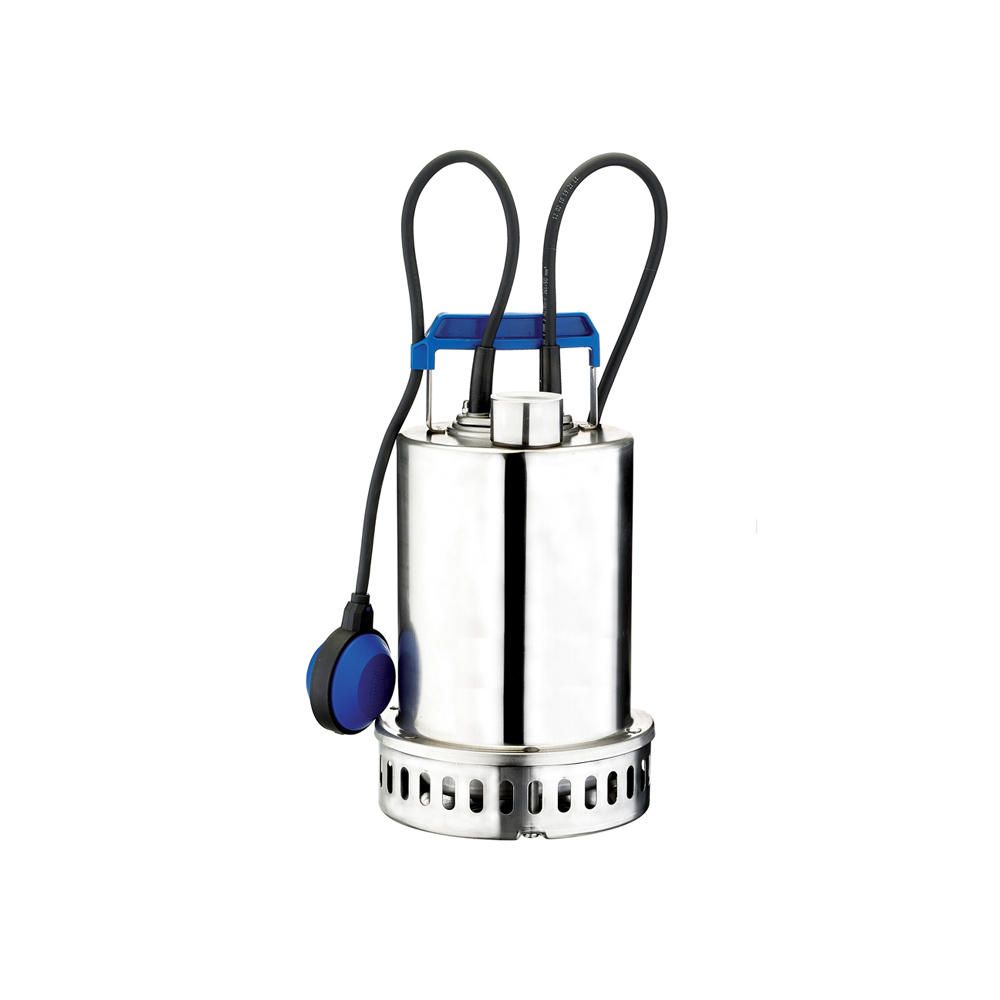
The Ebara BEST 4 is the 1.1 kW frame of the stainless BEST 2-5 sump range, running to 19.8 m³/h and 18 m of head, and the largest one built single-phase.
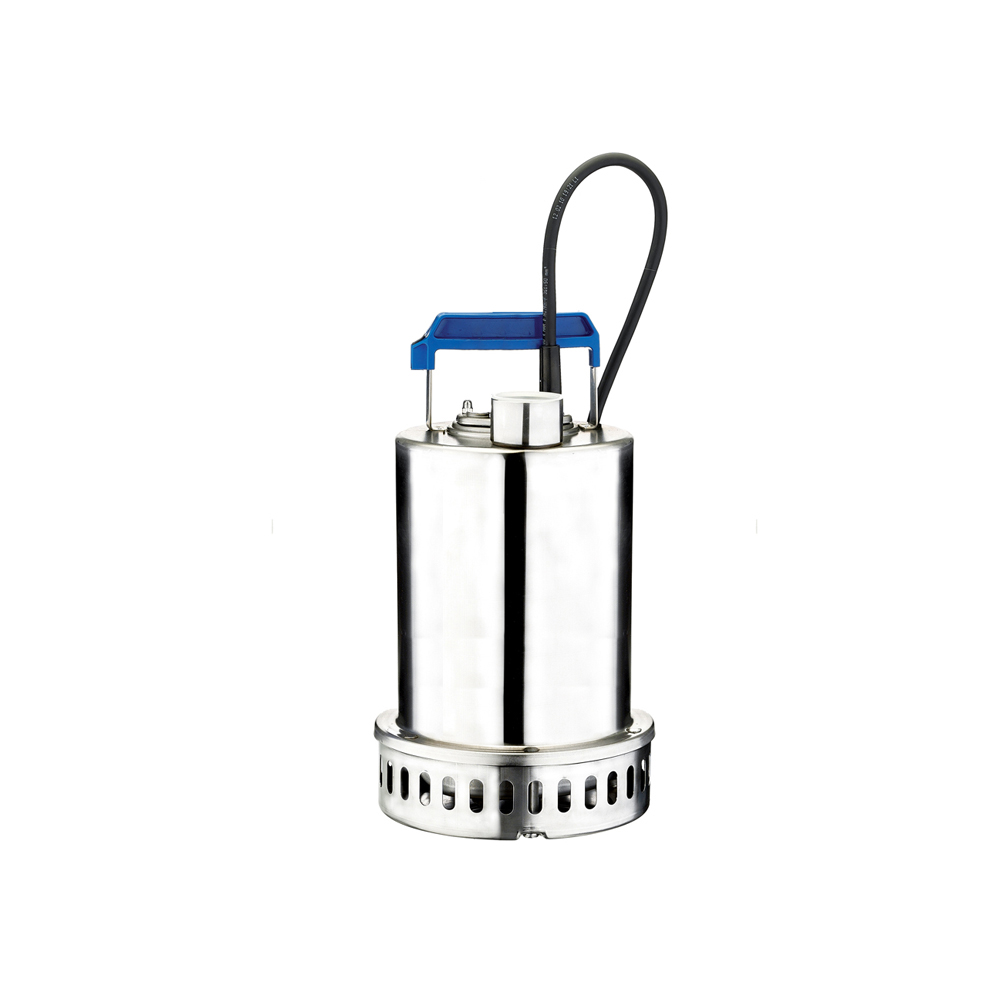
The Ebara BEST 5 is the 1.5 kW three-phase top frame of the stainless BEST 2-5 sump pump range, running to 21.6 m³/h and 19 m of head.
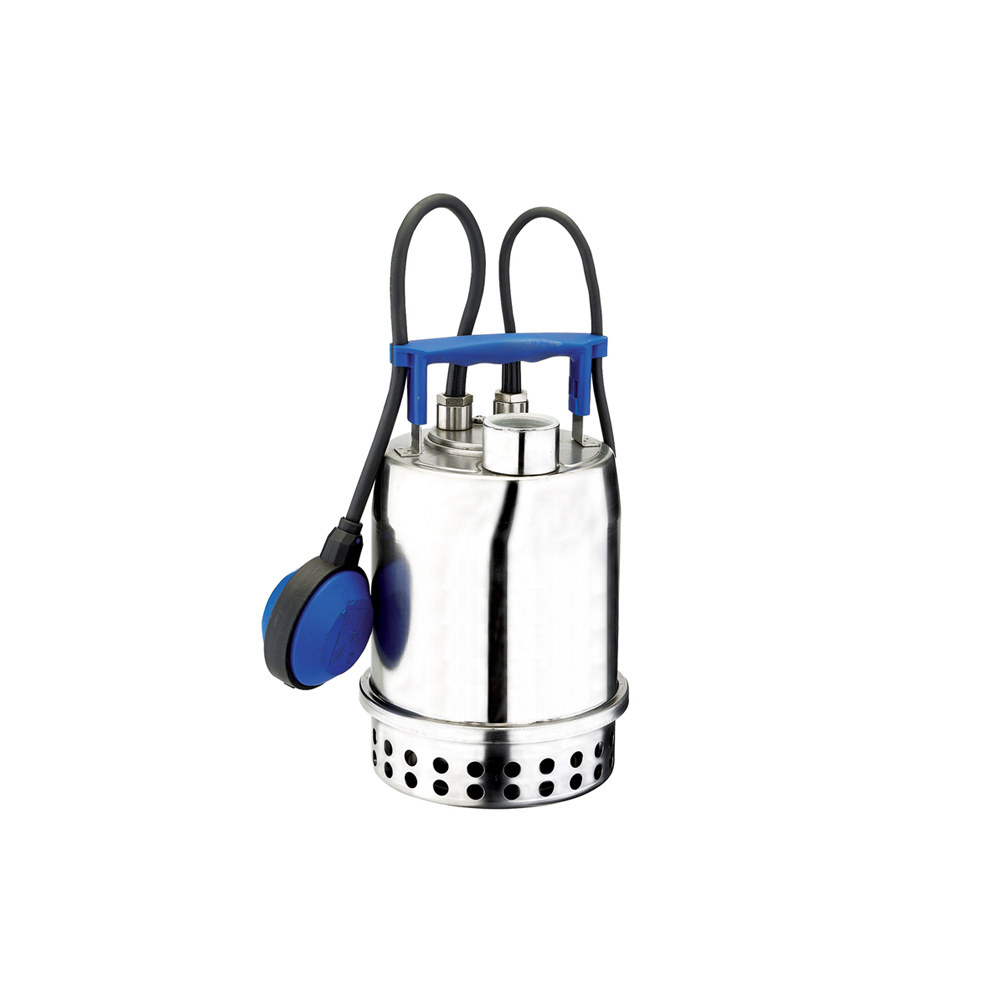
The Ebara BEST ONE is an AISI 304 submersible drainage pump for clear water, 1.2–10.2 m³/h to 8.3 m, passing 10 mm solids or 20 mm on the VOX build.
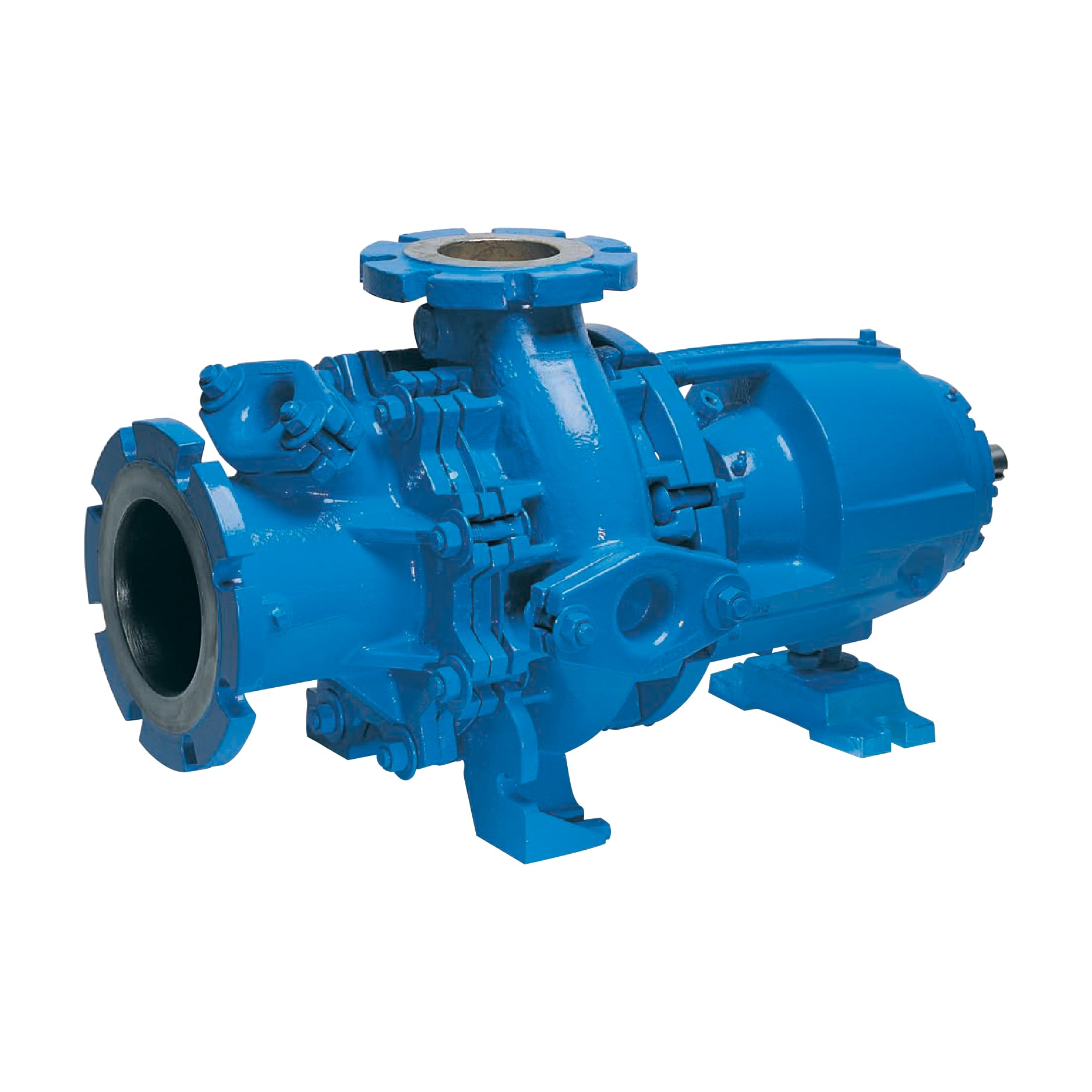
The Ebara ChopX cuts and pumps in one unit. Two cutting stages, a hard metal wet end, and a flushless seal option, for scum, FOG, sludge and manure.
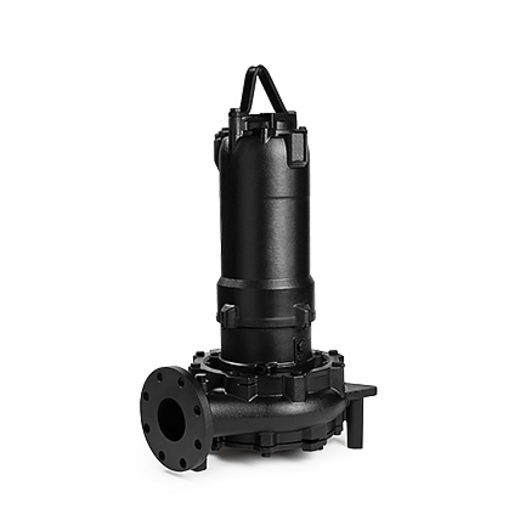
The Ebara DKE is a cast iron submersible wastewater pump with a back-swept anti-clogging impeller. It covers 4.2–780 m³/h and 3–44 m at 50 Hz.
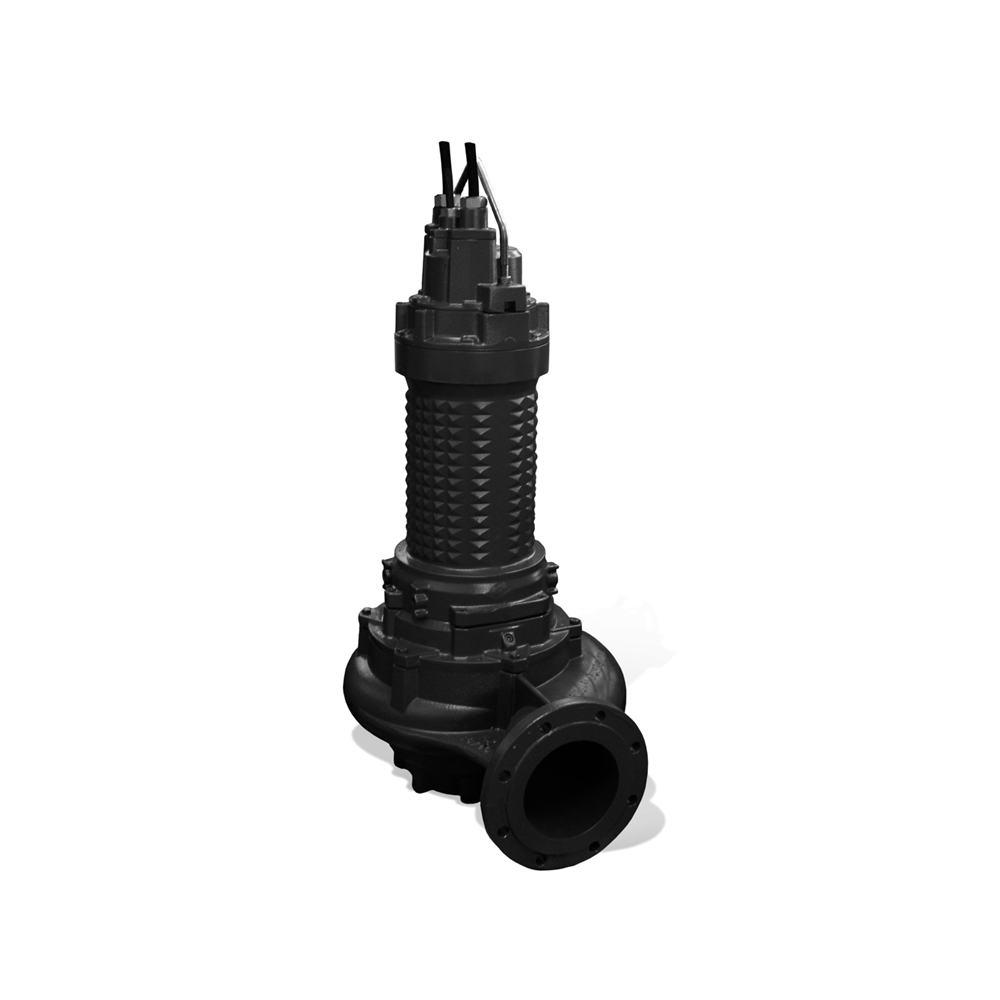
The Ebara DRD is a cast iron submersible wastewater pump with a two- or three-channel impeller, in 2, 4, 6 and 8 poles at 50 Hz. Specs and UK supply.
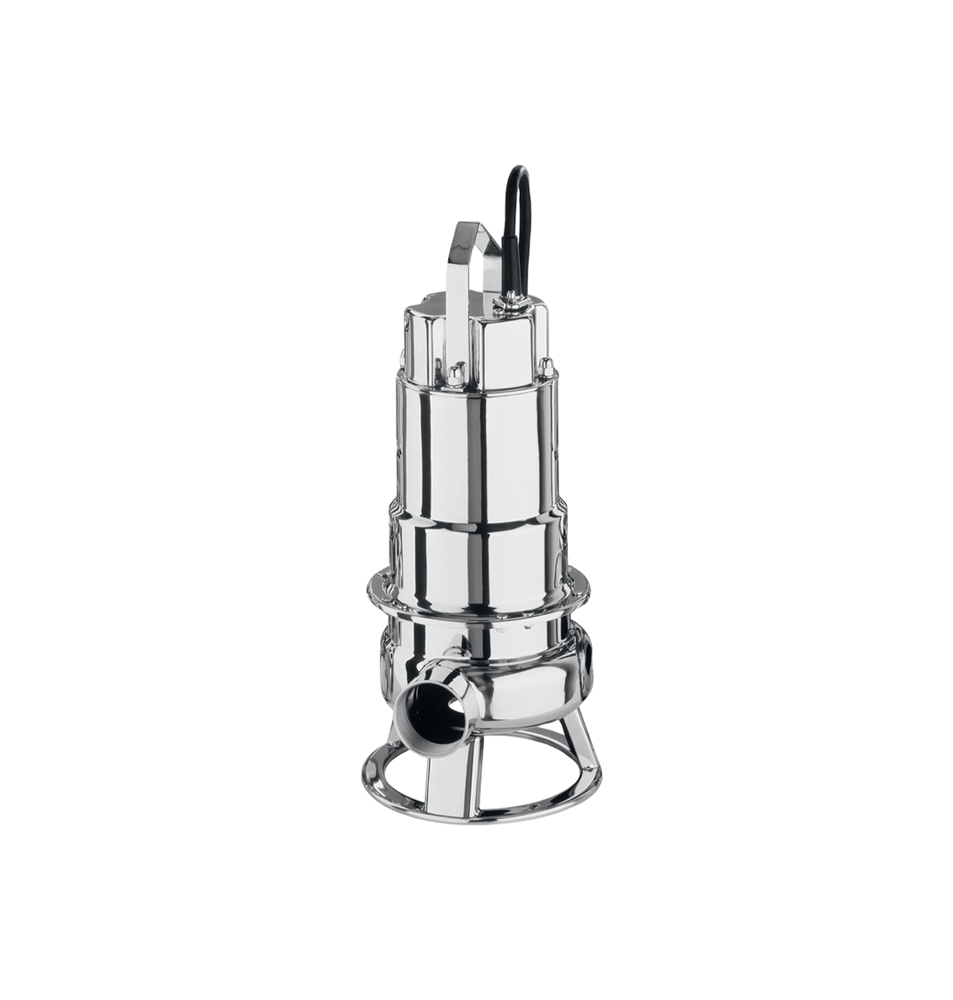
The Ebara DW is an AISI 304 submersible sewage pump passing 50 mm solids, to 54 m³/h and 20 m, with a single-channel or vortex impeller.
Standards & quality
Ebara's 3D range is built to EN 733, the European standard that fixes the main dimensions and rated duty points for end-suction centrifugal pumps. What that buys you is interchangeability. An EN 733 pump replaces another EN 733 pump of the same size without moving the baseplate or altering the pipework. It does not make the two pumps hydraulically identical, so still check your duty point against the performance curve.
The other number on an Ebara centrifugal datasheet is MEI, the Minimum Efficiency Index. It comes from the EU Ecodesign rules for water pumps under Regulation (EU) No 547/2012, and it is a hydraulic efficiency measure taken at the best efficiency point and at 75% and 110% of BEP flow, on the full impeller diameter. The market minimum has been MEI ≥ 0.40 since 1 January 2015. Ebara publishes the 3D at MEI > 0.4, which is what a specifier writing an Ecodesign clause into a document usually wants to see.
Beyond that, a product certificate covers a specific build, not a range. Two on the stainless 3 SERIES show how narrowly that reads. WRAS approval certificate 2206044 covers the 3ME, meaning the monobloc built with the EPDM E seal, in the 32, 40, 50 and 65 sizes. The ATEX marking II 2G Ex h IIC T3 to T4 Gb belongs to the F versions, the 3SF and the 3PF, certified for use in Zone 1 and Zone 2, and the standard 3S and 3P do not carry it. If the duty is in a classified hazardous area, or the water is potable, or the wetted materials have to be stated on a spec sheet, send us the zone classification or the requirement with the enquiry and we will get the certificate covering that exact build out to you with the quote. Note the wording, because it matters at the point somebody signs the installation off: the area is classified as Zone 1, and the equipment is certified to a category for use in it.
Frequently asked
Who makes Ebara pumps?
Ebara Corporation, founded in 1912 by Issey Hatakeyama and built on Professor Ariya Inokuchi's centrifugal pump theory. The European pump business is Ebara Pumps Europe, an Italian company headquartered at Gambellara in the province of Vicenza.
Where are Ebara pumps made?
The European range is Italian. Ebara Italia started production at Cles, in Trento, in 1992, and Ebara describes that plant as one of Europe's top manufacturing centres for stainless steel electric pumps. The head office moved to Gambellara, in the province of Vicenza, in 2018.
What is the difference between the Ebara 3D and the 3M?
Materials, and what they let you pump. The Ebara 3D has a cast iron body and the 3M is the monobloc build of the stainless 3 SERIES, and both are EN 733 end-suction centrifugal pumps for general transfer. Ebara rates the 3D for clean water and the 3 SERIES for clean water and moderately aggressive fluids, so the medium decides. Take the 3M if the medium would attack cast iron or the process needs stainless wetted parts; if it would not, paying for stainless buys you nothing.
What is the difference between the Ebara BEST 2, 3, 4 and 5?
Size, not design. They are one stainless drainage family in ascending frame size, sharing a 10 mm solids passage and a double mechanical seal in an oil chamber, and together they cover 1.2 to 21.6 m³/h at heads to 18.4 m. BEST ONE sits below them as the small domestic unit, so send us the flow and the head and we will tell you which frame the duty lands in.
Which Ebara pump handles sewage with solids?
The Ebara DW, DWU and DWXU are the solids-handling sewage submersibles, each passing solids of about 50 mm, and the XCS screw centrifugal is the one to take where the sludge is thick or the solids are stringy. Choose on the impeller rather than the range: a channel impeller holds a better duty point, a vortex rags far less readily and costs you efficiency, and the ChopX chopper is the answer where rag rather than solids is what blocks the station.
Will an Ebara pump replace another manufacturer's pump?
For the end-suction pumps, often: the Ebara 3D is built to EN 733, so it shares its main dimensions with any other EN 733 pump of the same size and sits on the existing baseplate. For submersibles, no, because the guide rail arrangement, discharge bend and cable entry are specific to the maker, so a change of make means changing the pedestal as well. Send us a photograph of the installation before assuming either way.
How do I identify my Ebara pump and order the right service kit?
Read the nameplate and send us a photograph of it. The model and the serial number are both on there, and a service kit is quoted against that pair rather than against a description of the pump. This usually works for units someone has told you are obsolete, so ask before you write the pump off.