What a corrosive duty demands
The medium is the specification. "An acid pump" means nothing until you name the acid, its concentration and its temperature, because all three move the answer. Dilute sulphuric acid at ambient is manageable in materials that hot concentrated sulphuric will eat. Mineral acids, caustic alkalis, oxidisers and solvents each attack a different set of materials, and one that shrugs off the first will fail in the next.
The wetted path is everything the medium touches: casing, impeller, shaft or containment shell, gaskets, O-rings and seal faces. Corrosion resistance is a property of that path. It is not a property of the pump.
The elastomers usually go first
The parts specified last and read least are the ones that fail. An O-ring or a diaphragm is a thin section of polymer sitting in constant contact with the medium, and it swells, hardens or perishes long before a casing shows anything at all. Each polymer has its own chemical window, and the windows do not overlap neatly. EPDM copes with many acids and caustics and is poor with hydrocarbons. FKM, sold as Viton, runs the other way round. PTFE covers the broadest chemical range and gives up resilience for it. Check every elastomer against your medium on its own. None of them are covered by the casing material's rating.
The seal is the weak point
The seal is the weak point in almost any pump, and an aggressive medium finds it first. A mechanical seal is a dynamic leak path, and its faces need liquid to lubricate them. Take the liquid away and the seal goes, which is why dry running matters more here than on a water duty. Where a seal choice is genuinely difficult, the seal manufacturer's advice is the one to take. That is not an admission. It is the practice.
With a corrosive medium the failure mode is not gradual wear you catch on a maintenance round. It is a leak. A leak of an acid is an exposure event under the Control of Substances Hazardous to Health Regulations (COSHH), not a job for the next shutdown. That is the reason containment gets designed in at selection rather than bolted on afterwards.
What to look for in a pump for corrosive duty
Four types cover most corrosive work. The table is the short version and the notes underneath carry the reasoning.
| Pump type | Best for | Trade-off |
|---|---|---|
| Magnetic-drive (seal-less) | A clean aggressive medium with no solids | Bearings run in the product, so no dry running and no particulate |
| Air-operated diaphragm (AODD) | The widest chemical range in PTFE; self-primes, runs dry, passes solids | Pulsing flow, higher running cost, and it needs a compressed-air supply |
| Vertical sump | Emptying tanks, bunds and pits | Column length is fixed to the sump it was made for |
| Lined or high-alloy centrifugal | Duties above what thermoplastics tolerate | Heavier and costlier, and it still needs a seal that suits the medium |
Seal-less containment, where the duty allows it. A magnetic-drive pump couples the motor to the impeller through a containment shell, so there is no shaft seal to fail. On a clean aggressive medium at ambient temperature that removes the part most likely to leak, and it is usually the right answer. The catch is that the same design runs its bearings in the product, so it will not tolerate running dry and it will not pass solids. If the line can be pumped empty, or the medium carries particulate, it is the wrong choice.
Air-operated diaphragm pumps have a place, and it is narrower than their popularity suggests. Genuinely useful where there is compressed air and no electricity, or where the factory makes a surplus of air anyway, and hard to beat for emptying a drum or a bund because it self-primes, runs dry without harm and passes solids. But compressed air is expensive to produce, so the running cost sits well above an electrically driven pump. The air supply's reliability, cleanliness and filtration all become failure points, and the air valve can freeze and stop the pump. Where electricity is available, we would specify electric, and the usual alternatives are a rotary lobe, a progressing cavity or a peristaltic pump.
Verified resistance data, not a category name. A pump sold as "chemical resistant" tells you nothing until you have read the resistance chart for your medium at your concentration and your temperature. Ask for it in writing. If a supplier will not produce one, that is the answer to a different question.
Certification stays with the manufacturer. Nobody should assert an ATEX category, a material compliance or a hazardous-area approval on your behalf, ourselves included. We will point you at the manufacturer's certificate for the build we quote.
Send us the medium, its concentration and its temperature alongside the duty point, and we will specify the wetted parts, the elastomers and the seal to go with them. If the honest answer is that your existing pump is fine and the problem is upstream of it, that is the answer you will get.
Corrosive-duty pumps we supply
View all →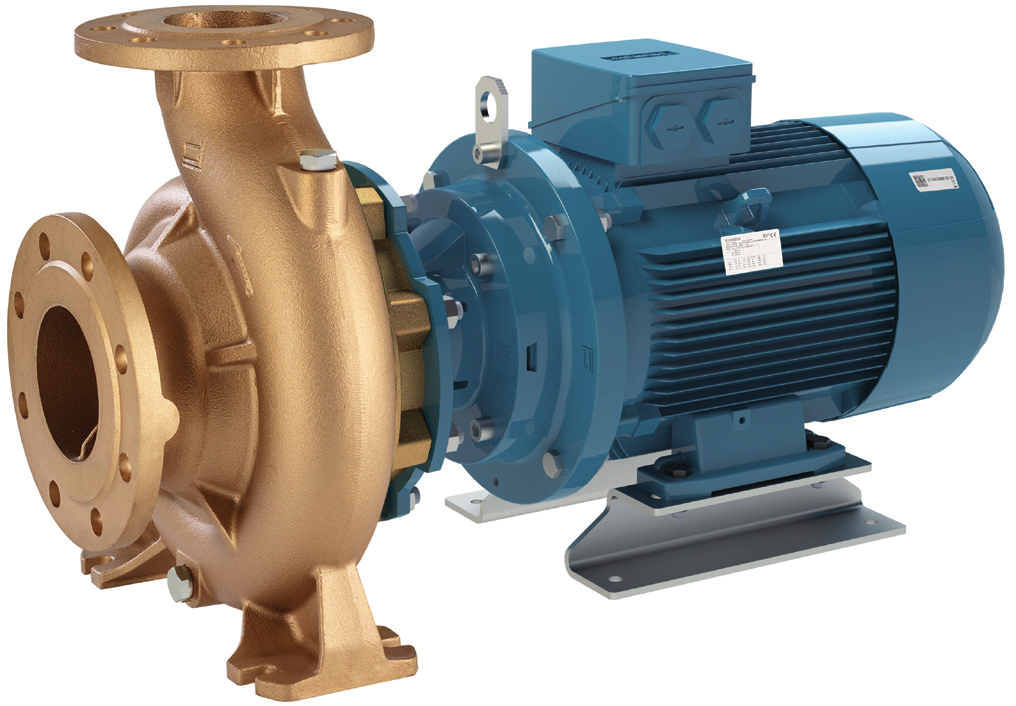
Calpeda BNM, BNMS, BNM4 and BNMS4 are the bronze versions of the NM, NMS end suction range, on EN 733 dimensions and rated to 10 bar.
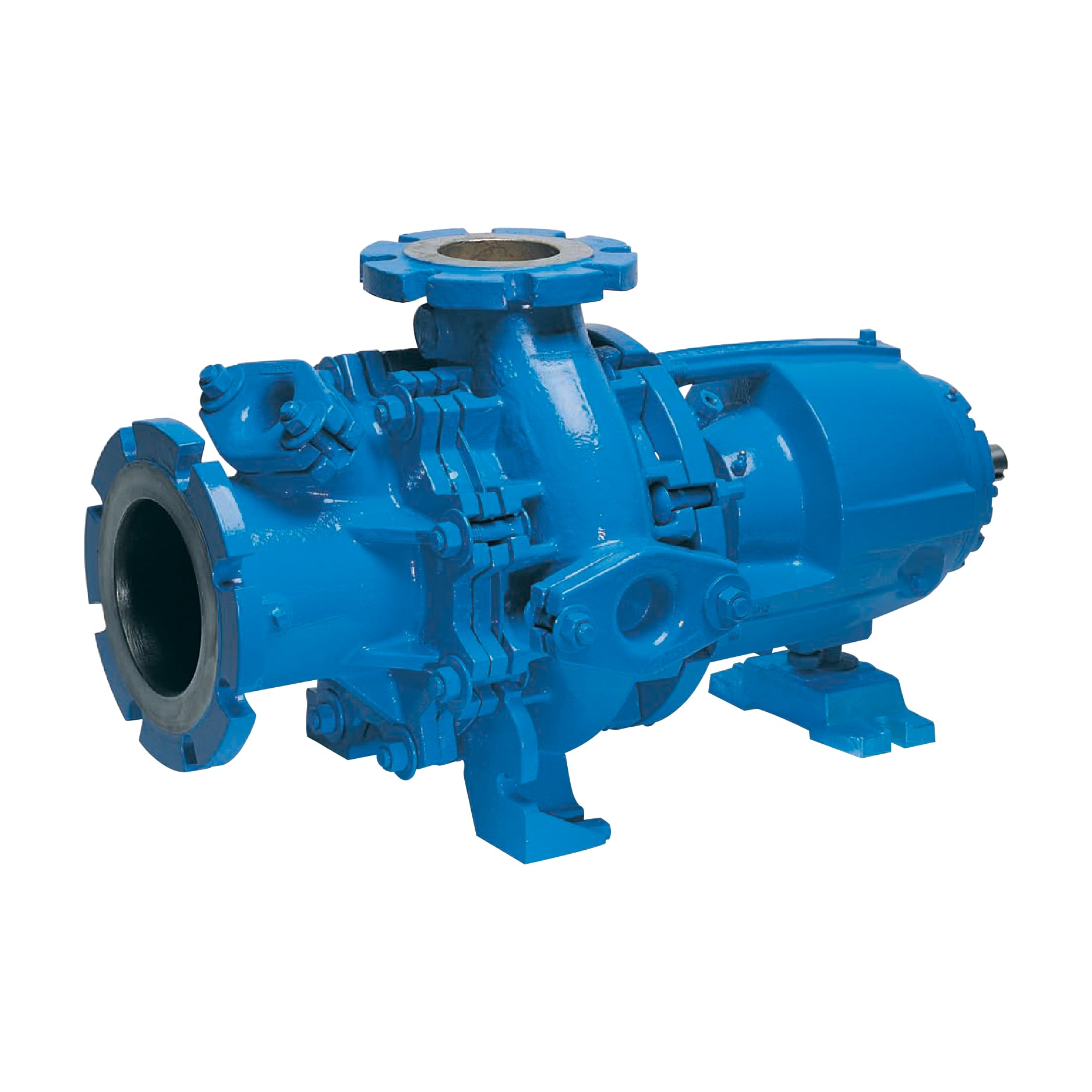
The Ebara ChopX cuts and pumps in one unit. Two cutting stages, a hard metal wet end, and a flushless seal option, for scum, FOG, sludge and manure.
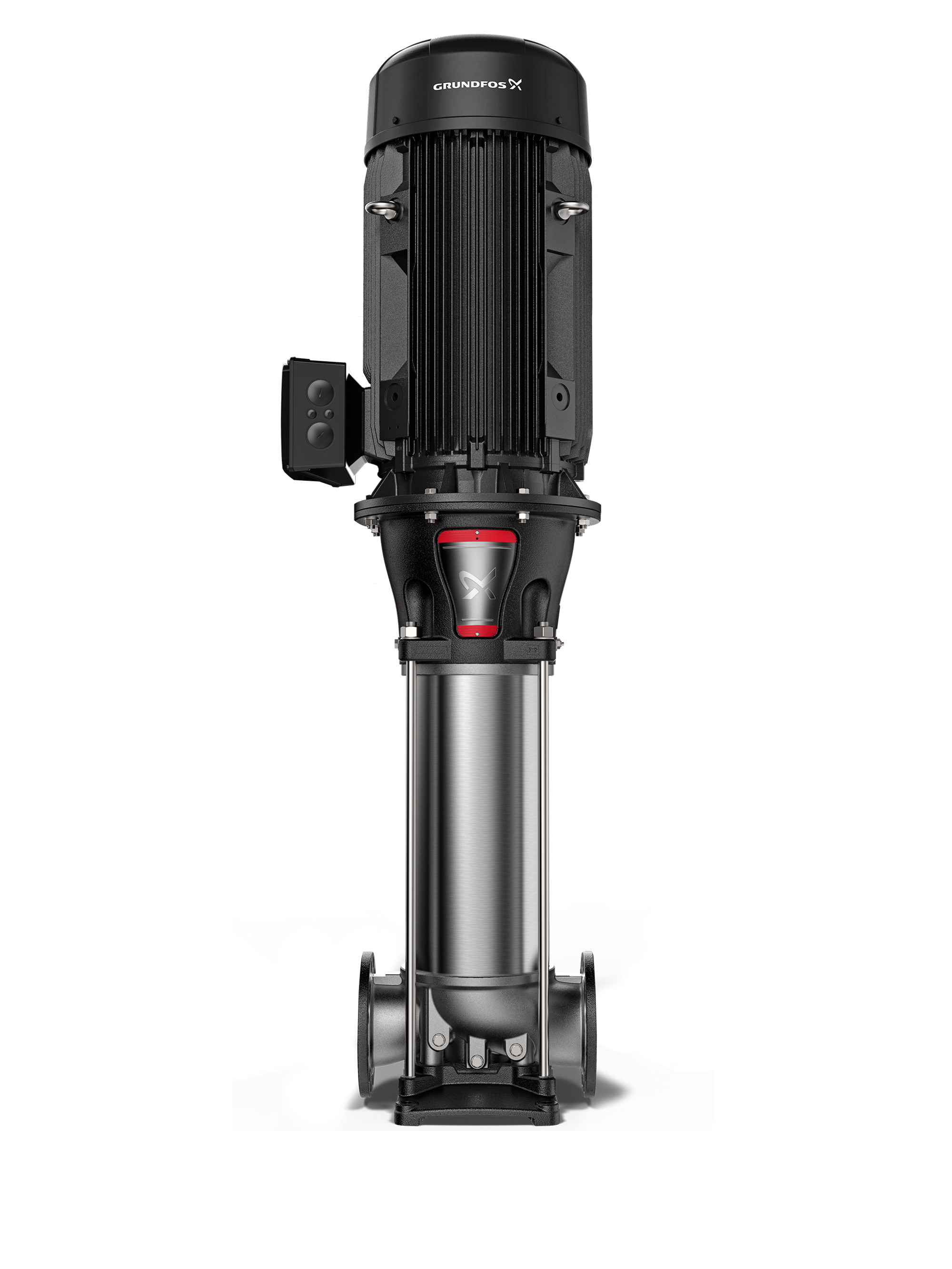
Inline vertical multistage centrifugal pump, cast iron and AISI 304 stainless, for non-corrosive liquids at high head.
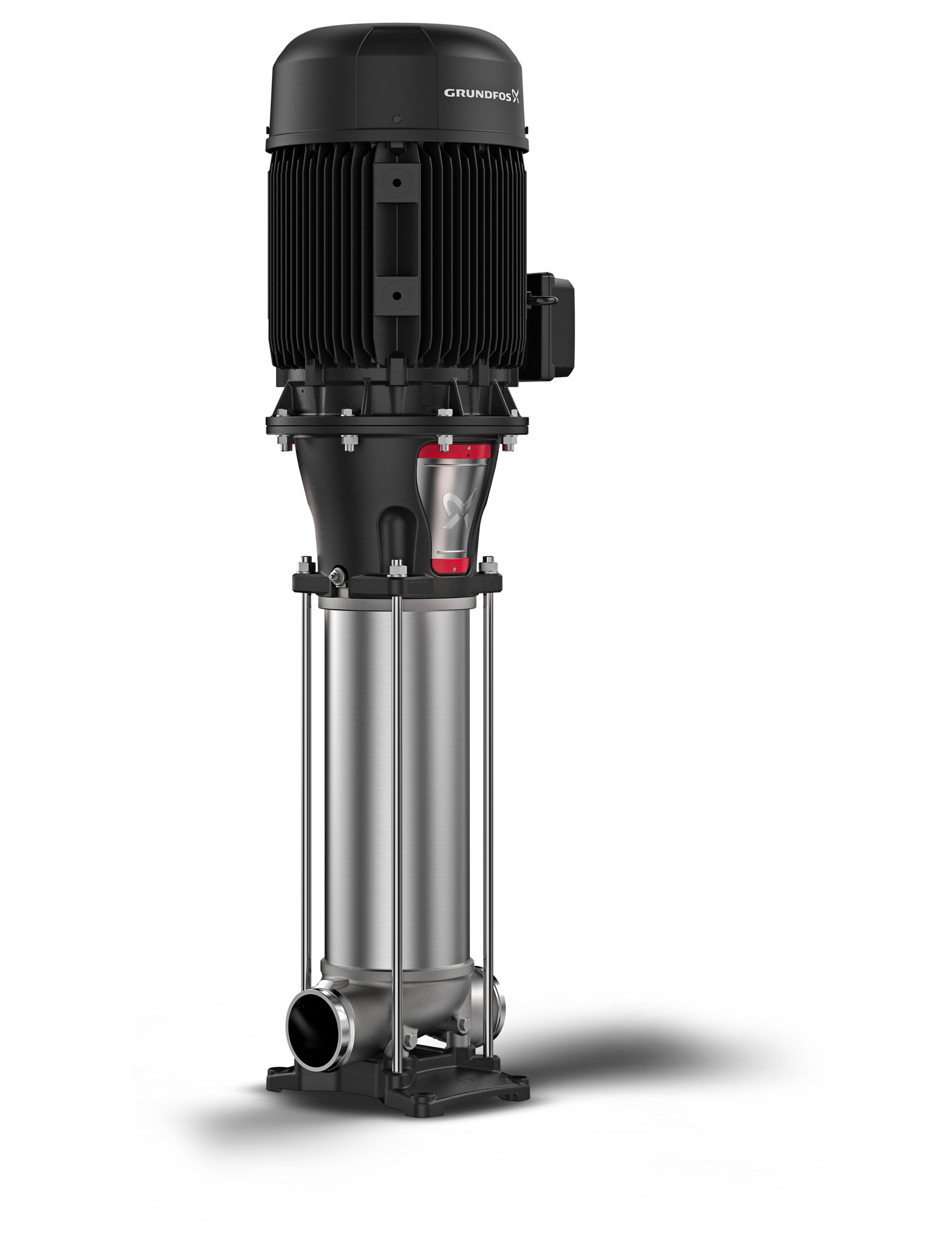
The full stainless build of the CR inline multistage pump, in AISI 316, for industrial liquids and treated water.
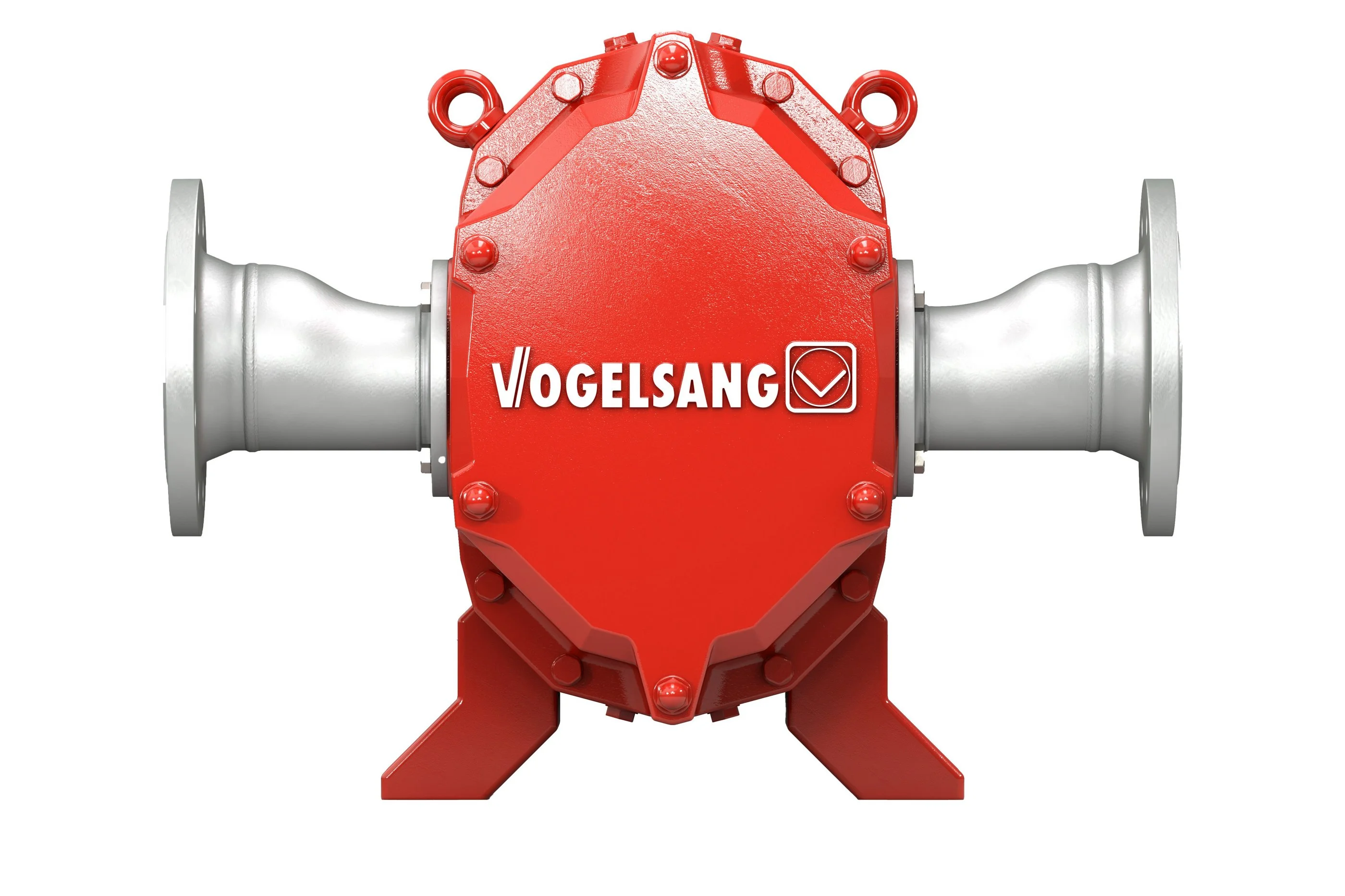
Vogelsang EP series rotary lobe pump: continuous differential pressures to 18 bar, media to 200°C, with API 682 and ATEX-compliant options.
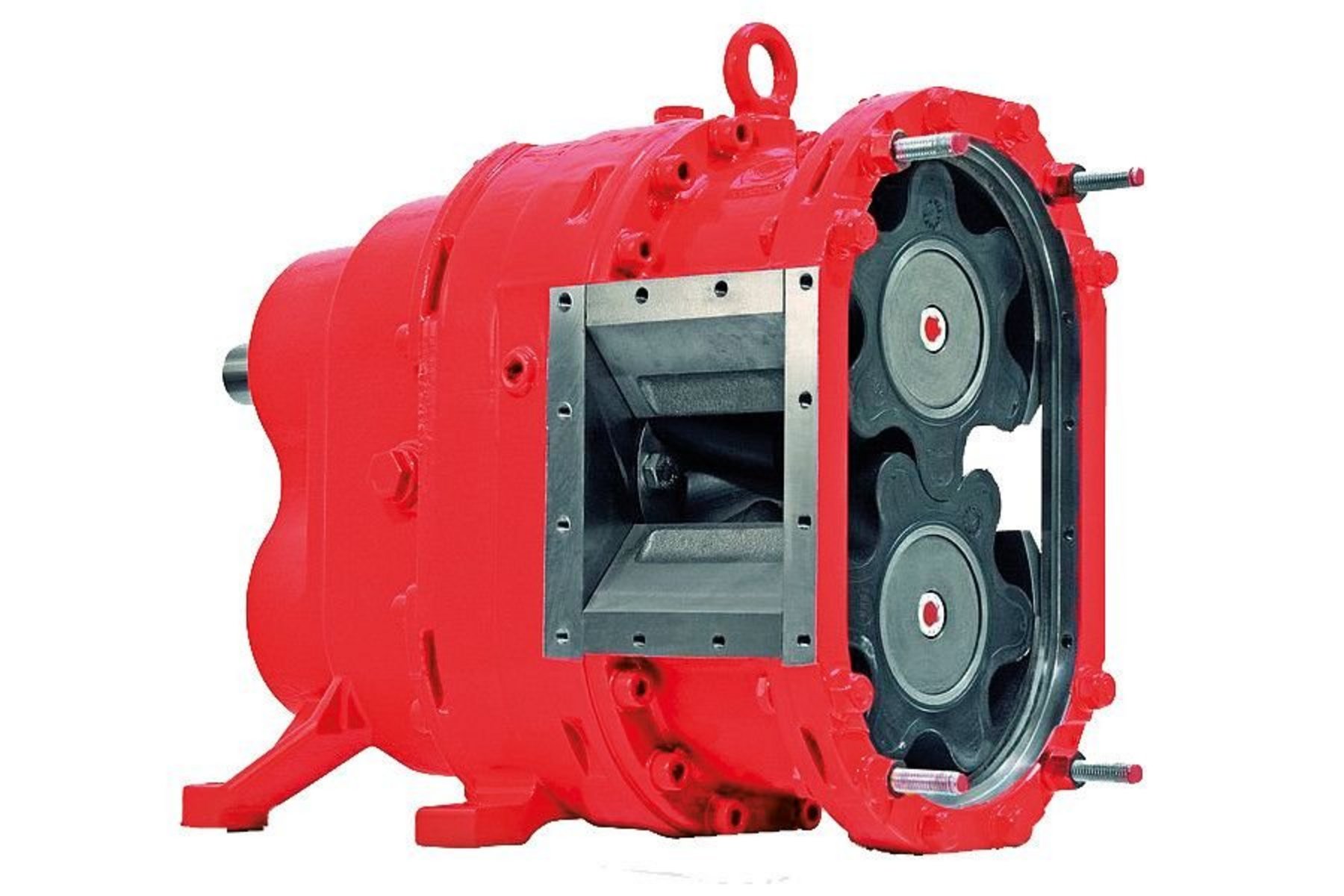
Flow, pressure and build options for every model in the Vogelsang VX series rotary lobe pump range, VX100 to VX230, and how to specify one for your duty.
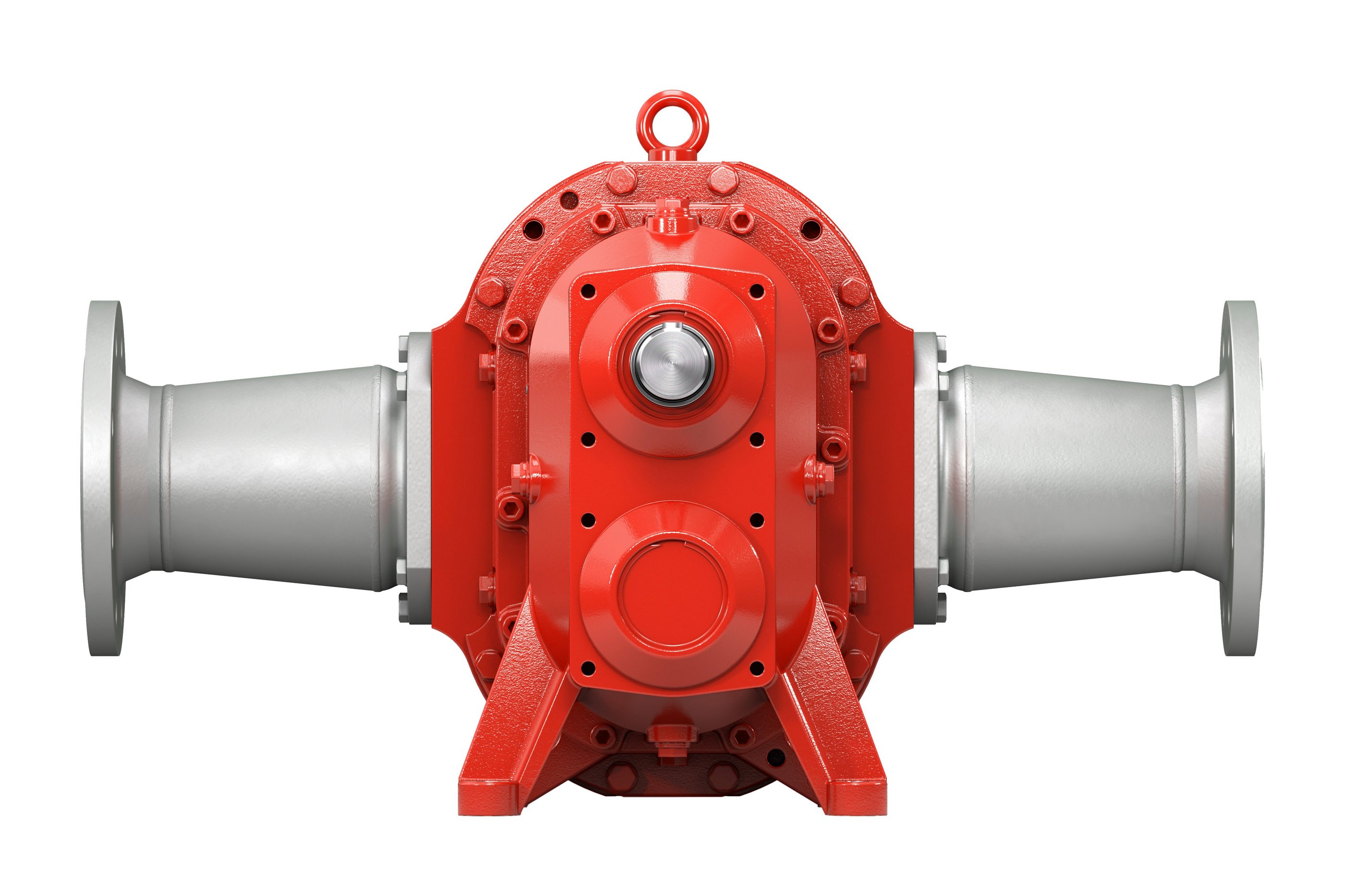
Flow, pressure and build options for the Vogelsang VY series rotary lobe pumps, VY100 and VY136, and how the one-piece CIP/SIP housing differs from the VX.
How to select for a corrosive medium
Work in this order: medium first, materials second, sealing and containment third, and the duty point last. The curve is the easy part. Everything upstream of it is what decides whether the pump survives.
- Medium, concentration and temperature. These three fix the materials, and none of them can be left out. Check the manufacturer's chemical resistance data for your exact medium, not a general "chemical duty" rating. Design for the worst case the process reaches, not the normal running condition.
- Wetted materials. Thermoplastics such as polypropylene, PVDF and PTFE cover a broad range of acids and caustics at moderate temperature and pressure. Above what plastics will take, you move to a lined casing, a high-nickel alloy such as Hastelloy, or a duplex stainless. Ordinary stainless steel is not a corrosion-proof material. It handles many dilute media and is attacked by hydrochloric acid at practically any concentration, and chlorides will pit it.
- Elastomers and gaskets. Specify them by name against the medium, separately from the casing. This is the step most enquiries arrive without.
- The sealing arrangement. Single, flush, double or cartridge, and what a seal failure would release if it happened. Where the answer to that last question is bad enough, design the seal out instead.
- Containment. A seal-less pump has no dynamic shaft seal to fail. Where a leak would reach people or a drain, add secondary containment and leak detection, and bund the pump with the tank.
- Duty point. Flow, total dynamic head, and NPSHa against NPSHr at that point on the curve. State viscosity in cP or cSt with the temperature it was measured at, and say what solids the medium carries.
- Motor and electrical. A pump in a chemical area needs an enclosure rating that suits washdown and vapour, and often a variable speed drive so you are not throttling against a valve. Where the medium is a flammable solvent, or the process releases vapour, the area is classified into zones: 0, 1 or 2 for gas. The equipment placed in it carries a category, certified under ATEX Directive 2014/34/EU. A pump is never "Zone 1 rated". It is certified for use in Zone 1, and that certificate belongs to the manufacturer. Tell us how the area is classified and we will come back with what the manufacturer certifies against it.
Most enquiries arrive with the duty point and nothing else. That is normal, and it is not a failing. A site engineer has to be expert in a great many things and pumps are rarely one of them. Our job is asking the rest of the questions, not expecting the brief.
Frequently asked
What kind of pump is used for acids?
It depends on the acid, its concentration and its temperature. For a clean aggressive acid at ambient temperature, a magnetic-drive (seal-less) pump with thermoplastic wetted parts is the common choice, because it removes the mechanical seal as a leak path. Where the line can run dry or the medium carries solids, an air-operated diaphragm pump in PTFE covers a wider range safely.
Can a stainless steel pump handle acid?
Only the mild ones. Stainless steel resists many dilute or weak acids, and it is attacked by hydrochloric acid at practically any concentration. Chlorides pit it. Check your specific medium, its concentration and its temperature against the manufacturer's chemical resistance data before you assume stainless is enough. Where it is not, the wetted parts move to a thermoplastic such as polypropylene or PVDF, to PTFE, or to a lined or high-alloy build.
What is a seal-less pump?
A pump with no dynamic shaft seal. Magnetic-drive and canned-motor pumps couple the motor to the impeller through a containment shell, so there is no seal face for the medium to leak past. With an aggressive medium that matters, because the seal is the weak point in almost any pump and it is normally the first thing to go.
Which O-ring material should I use for a corrosive medium?
Match the elastomer to the medium, not to the casing. EPDM copes with many acids and caustics and is poor with hydrocarbons. FKM, sold as Viton, is the reverse. PTFE covers the broadest chemical range and trades resilience for it. Every elastomer in the pump needs checking against the medium separately, at your concentration and temperature.
Do I need an ATEX pump for a corrosive duty?
Only where the medium or its vapour can form an explosive atmosphere, which is common with solvents and rare with an aqueous acid. The area gets classified into zones, and equipment placed in it must carry the matching category under ATEX Directive 2014/34/EU. A pump is not "Zone 1 rated". It is certified for use in Zone 1, and the certificate is the manufacturer's.