What chemical duty does to a pump
Chemical duty attacks a pump in four places: the wetted materials, the elastomers, the seal, and the classification of the area it stands in. Work them in that order and most of the selection decides itself.
Wetted materials
Only the wetted path has to survive the medium, so that is where the money goes. 316 stainless is the usual starting point and it is not a universal answer. Chlorides, some acids and oxidising media will find it. Take compatibility from the manufacturer's chemical resistance data at your actual concentration and temperature. Both of those move the answer as much as the name of the chemical does. Where metal will not hold, the wetted parts go to a fluoropolymer lining, a filled PTFE, or a non-metallic casing, and you pay for it in pressure and temperature limits.
Elastomers
The elastomer usually fails before the metal does. O-rings, gaskets, diaphragms and, on a progressing cavity pump, the stator are all elastomer, and each is its own compatibility question. EPDM, FKM and PTFE-faced seals cover most chemical duties between them, but they do not overlap. A compound that is right for a caustic can swell in a solvent. Name the medium on the enquiry and let the elastomer be specified against it rather than assumed from the standard build.
The seal
The seal is the weak point in almost any pump, and chemical duty is where that costs most. A failed seal on water makes a mess. A failed seal on a chemical makes an incident. Single, flushed, double and cartridge arrangements each buy something different, and a double seal with a compatible barrier fluid is the usual answer where the medium is toxic, crystallising or expensive. Where a seal choice is genuinely difficult, take the seal manufacturer's advice.
Suction conditions
Many solvents and light chemicals carry a higher vapour pressure than water, so the NPSHa a given layout gives you is lower than the same pipework would give on water. NPSHa has to exceed NPSHr at the duty point on the performance curve. When it does not, you cavitate, and it shows up as a pitted impeller and a failed seal rather than as anything that announces itself as a suction problem. The fault is nearly always the suction side: a tank too small, or a suction head too small.
Oversizing
The most common fault we see arrives before the pump does. The customer states a flow rate. The consultant adds margin for future duty, reasonably. The contractor adds margin. The installer adds a bit more flow or pressure. Nobody in that chain is being careless, and the pump that comes out of it is far too big. You end up with something like an 11 kW motor on a 3 kW application, which stays uneconomical for the life of the installation, and a centrifugal pump running off the end of its curve, which cavitates. Send the real duty and let the margin be argued once.
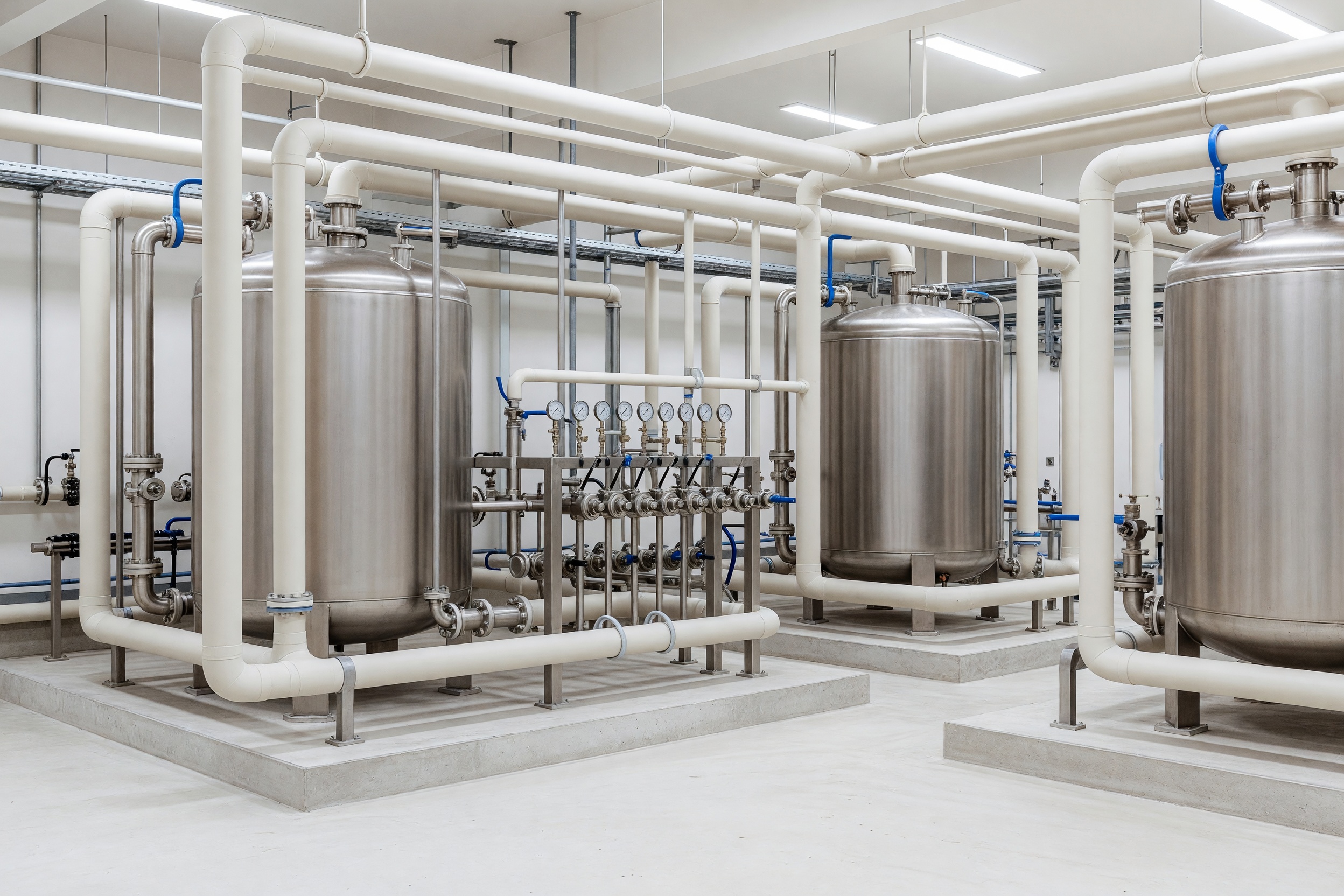
Inside a chemical process plant
What suits chemical duty
There is no single chemical pump. The type follows from the medium's viscosity, its solids content, and what a leak would cost you.
| Pump type | Suits | Watch out for |
|---|---|---|
| Centrifugal process | Thin, compatible media at moderate head | Solids, and running throttled at the end of the curve |
| Magnetic drive or canned motor | Toxic or expensive media where a leak is unacceptable | Dry running and abrasives, which destroy the medium-lubricated bearings |
| Rotary lobe | Viscous and shear-sensitive product, moderate solids | Wear at high pressure in an abrasive medium |
| Progressing cavity | Thick or abrasive media at low speed | Dry running burns the stator, and the stator is a wearing part |
| Reciprocating, diaphragm or plunger | Accurate dosing and metering at low flow | Pulsation on a long discharge line |
| Air-operated diaphragm | A site with compressed air and no electricity | Running cost, air quality, and a valve that can freeze |
| Peristaltic | Abrasive and aggressive media, and duties that run dry | The hose is a consumable on a replacement schedule |
Thin and compatible, at moderate head
A centrifugal process pump is the default here, and the cheapest thing to own. Specifiers commonly call up ISO 2858 for the dimensions and ISO 5199 for the technical specification, so a replacement years later still fits the baseplate. It wants a stable duty point and clean suction. It will not thank you for solids, or for running throttled at the end of its curve.
Where a leak is unacceptable
Sealless pumps take the seal out of the problem. A magnetic drive pump couples through a containment shell; a canned motor pump runs the rotor in the medium. The trade-off is real. The internal bearings are lubricated by the medium, so a dry run or a grit-laden medium destroys them quickly, and a magnetic drive loses a few per cent to eddy currents in the shell. Sealless suits a toxic or expensive medium. It does not suit a duty that runs dry or carries abrasives.
Viscous, shear-sensitive or solids-laden
Above roughly 3–4% solids as a rule of thumb, or once the medium stops behaving as water, move to positive displacement. A rotary lobe pump handles high-viscosity product and holds its flow rate to within a few per cent as the pressure changes. A progressing cavity pump goes thicker still and takes abrasives at low speed. The cost is a stator that is a wearing part, and a pump that will not tolerate a dry run. It burns through the stator and damages the rotor. That one is catastrophic.
Accurate low flow
Dosing and metering duties want a reciprocating pump, diaphragm or plunger, where the flow is set by stroke and speed rather than read off a curve.
Air-operated diaphragm, and why we usually talk you out of it
Air-operated diaphragm pumps have their place, and it is narrower than their popularity suggests. They suit a site with compressed air and no electricity, or a factory sitting on surplus air anyway, and they run dry without complaint. But compressed air is expensive to produce, so the running cost sits well above an electric drive. The air supply's cleanliness and filtration become failure points. The air valve can freeze and stop the pump. Where electricity is available, we would specify electric: usually a rotary lobe, a progressing cavity or a peristaltic pump.
Peristaltic
A peristaltic pump has no seal and no valves, because the medium only ever touches the hose. That makes it strong on abrasive and aggressive media, and it will run dry. The hose is a consumable and it gets replaced on a schedule. Budget for that rather than being surprised by it.
How the duty actually gets picked
A chemical duty gets picked in a fixed order here: flow rate, then the pipework and the total dynamic head, then viscosity, then materials, then temperature, then the seal, then the motor. Most enquiries arrive with the first one only, which is normal. Nobody expects a site engineer to be expert in pumps as well as everything else on the plant. How to select a pump walks the full sequence. Corrosive media and chemical transfer go deeper on the two cases that come up most.
Pumps we supply for chemical duty
View all →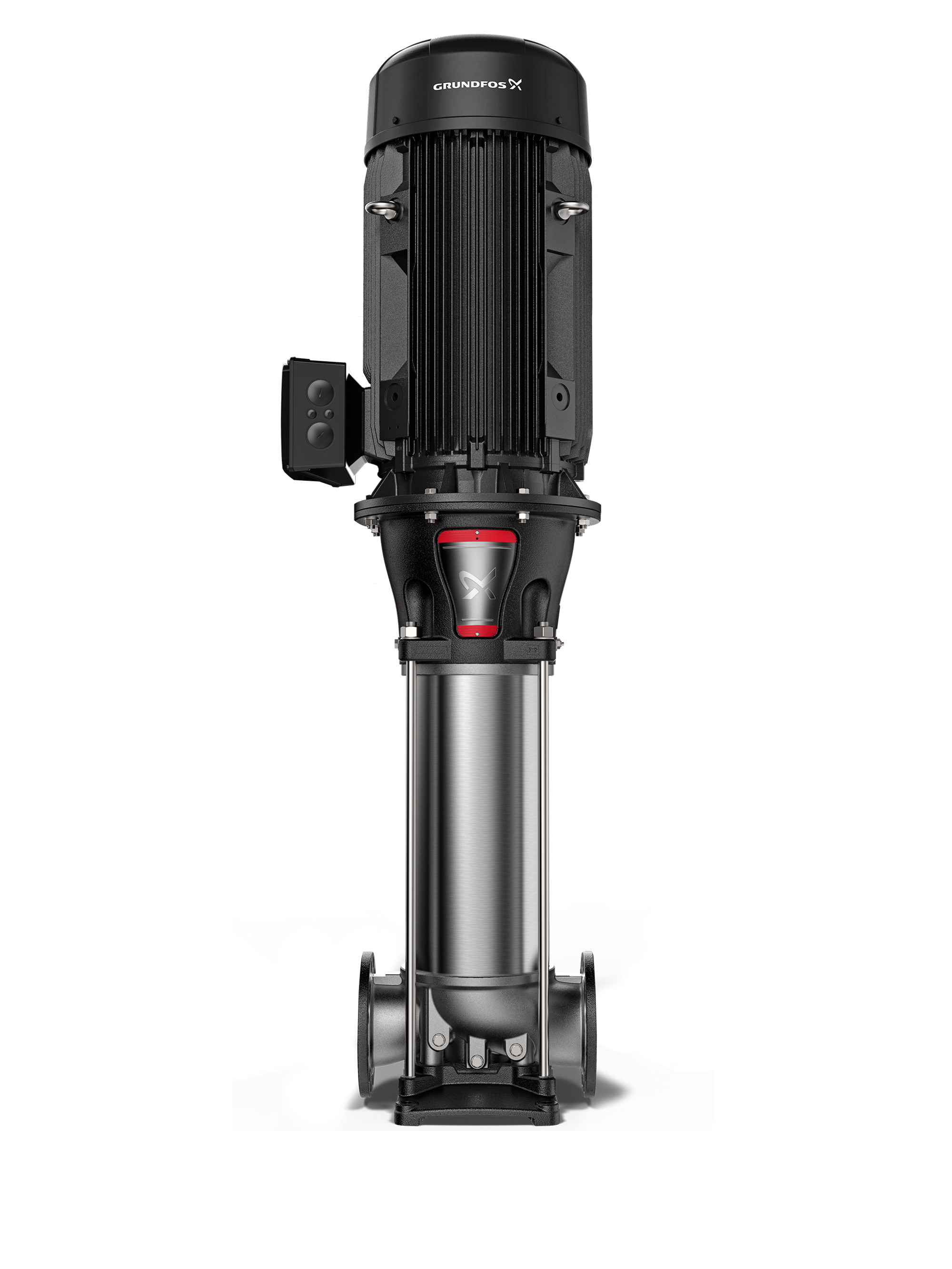
Inline vertical multistage centrifugal pump, cast iron and AISI 304 stainless, for non-corrosive liquids at high head.
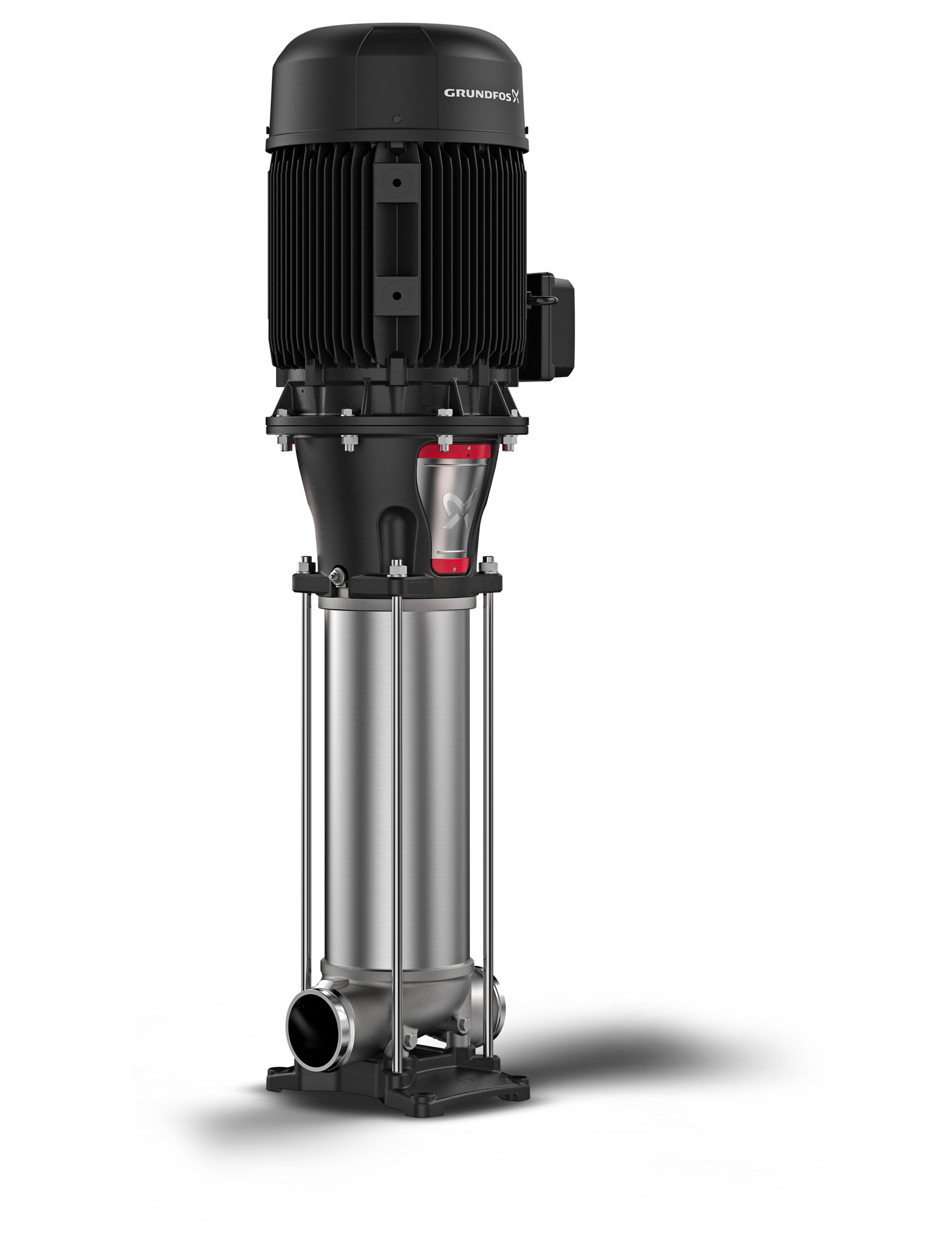
The full stainless build of the CR inline multistage pump, in AISI 316, for industrial liquids and treated water.
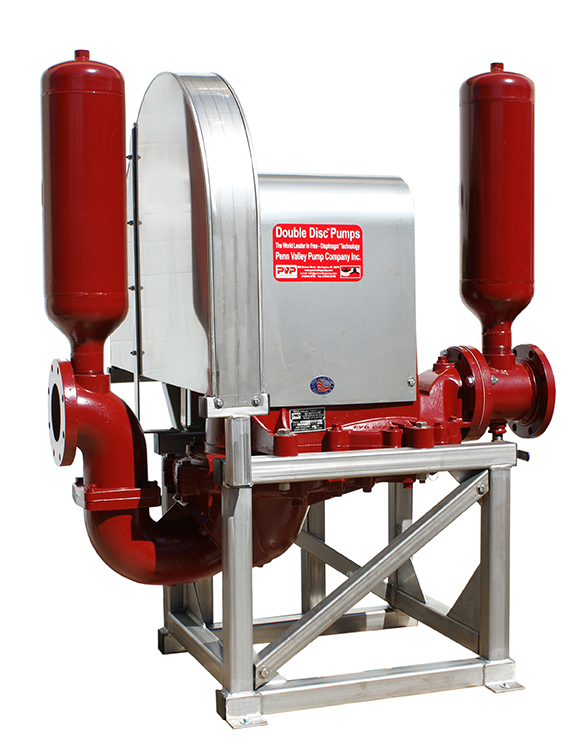
A seal-less reciprocating pump for sludge, slurry and rag-laden media, in seven sizes from 9 to 250 m³/h.
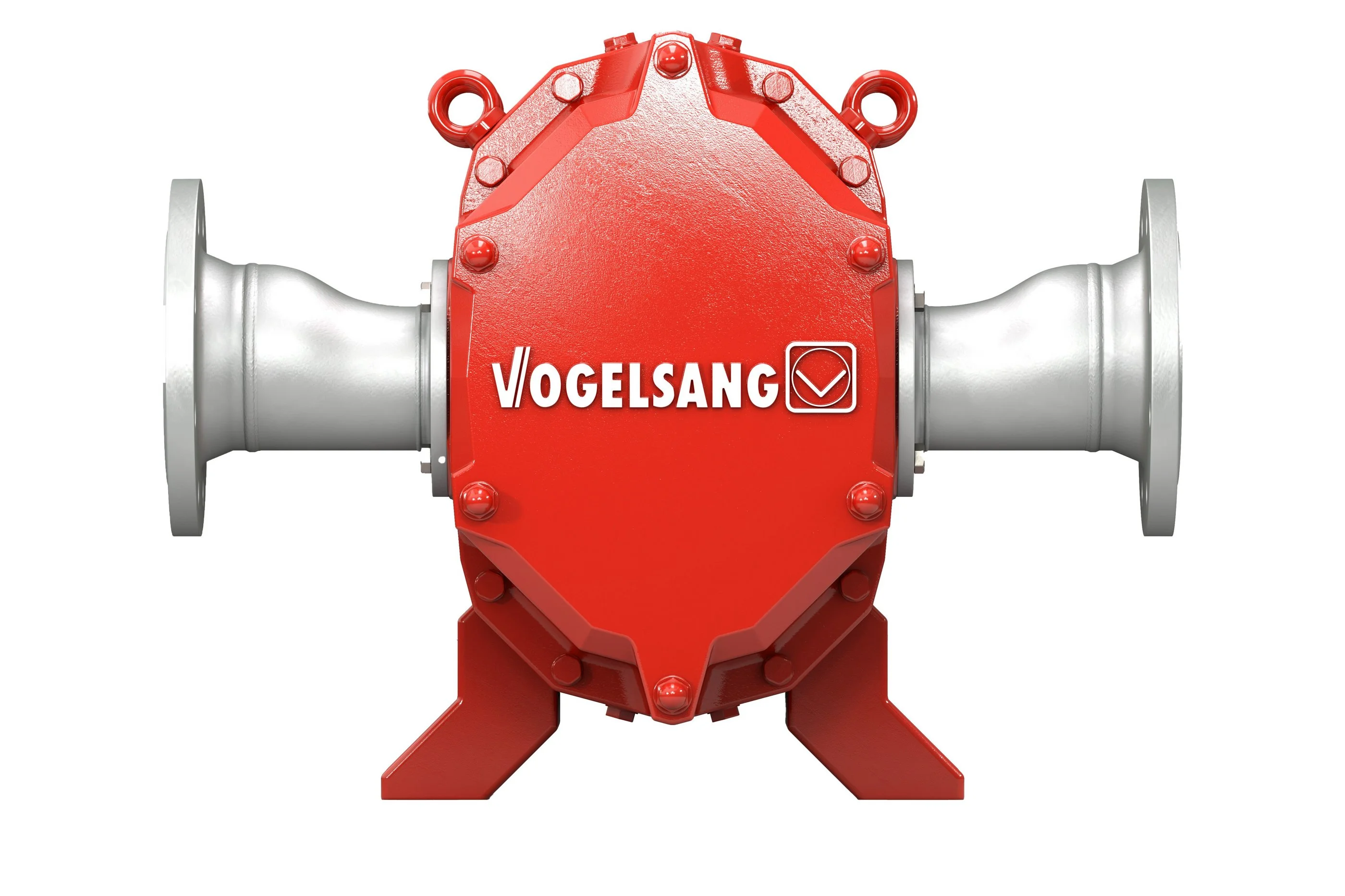
Vogelsang EP series rotary lobe pump: continuous differential pressures to 18 bar, media to 200°C, with API 682 and ATEX-compliant options.
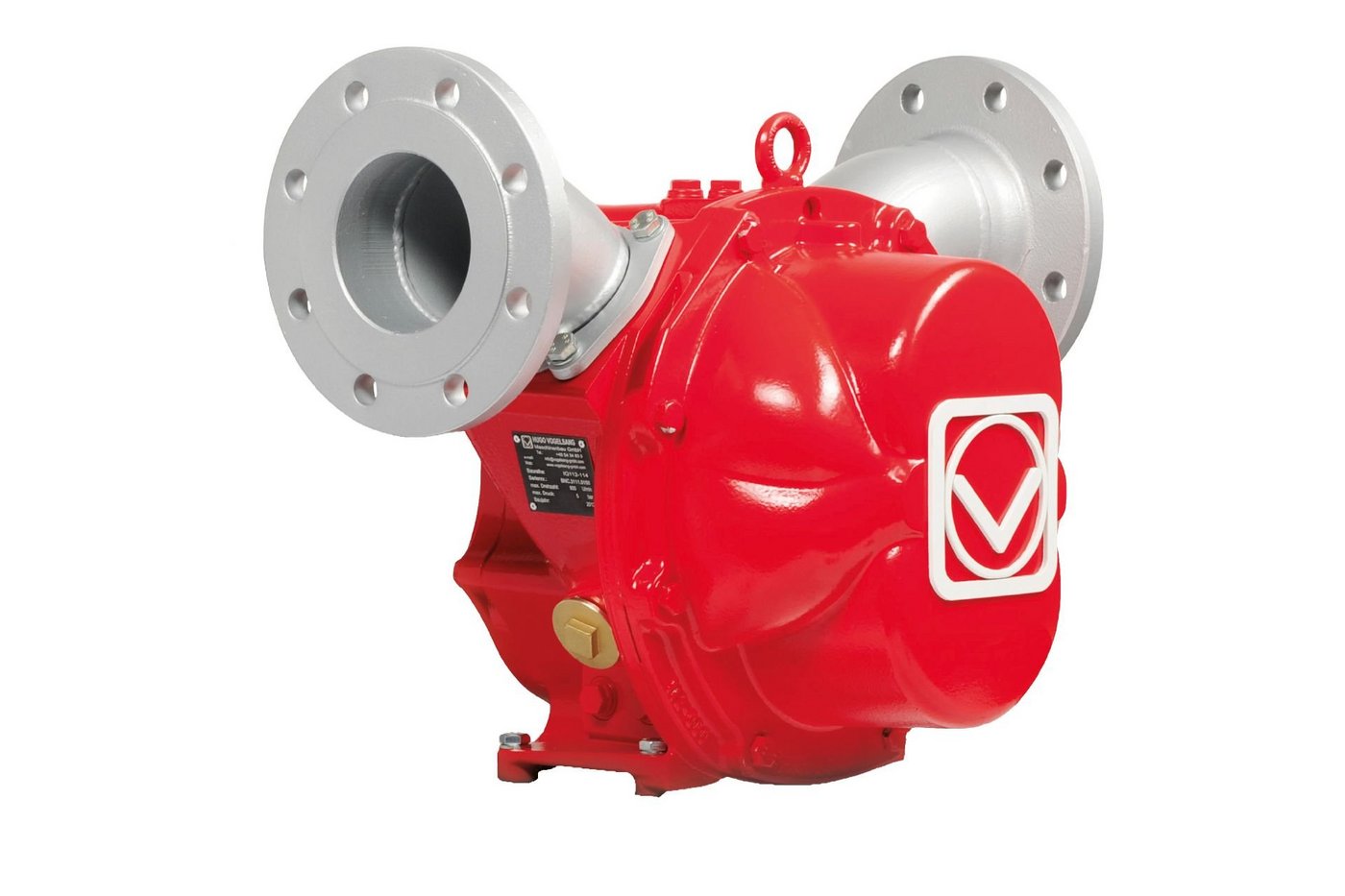
The Vogelsang IQ series rotary lobe pump in two models, IQ112 and IQ152, to 154 m³/h and 7 bar, with a one-piece housing that opens in the pipe.
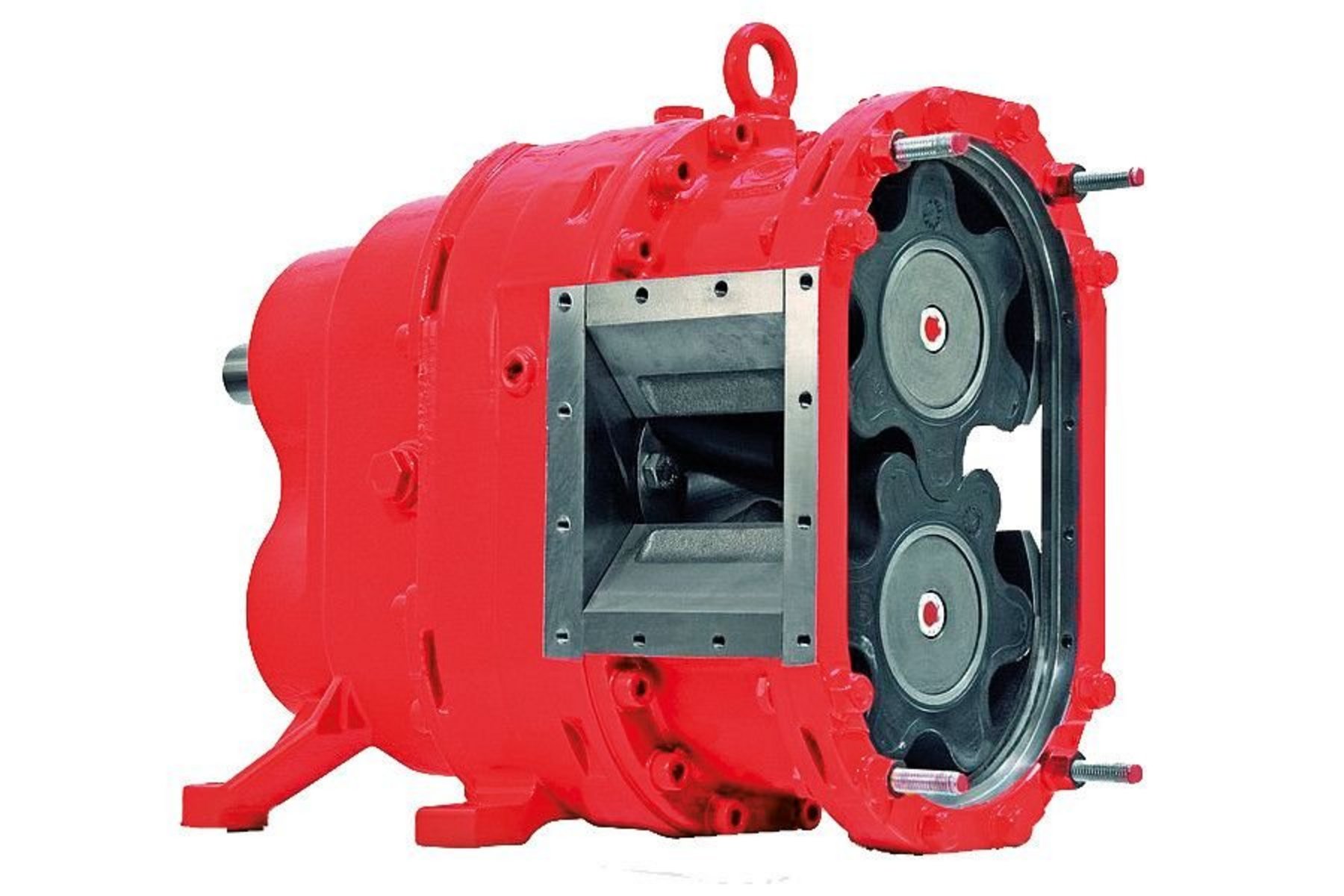
Flow, pressure and build options for every model in the Vogelsang VX series rotary lobe pump range, VX100 to VX230, and how to specify one for your duty.
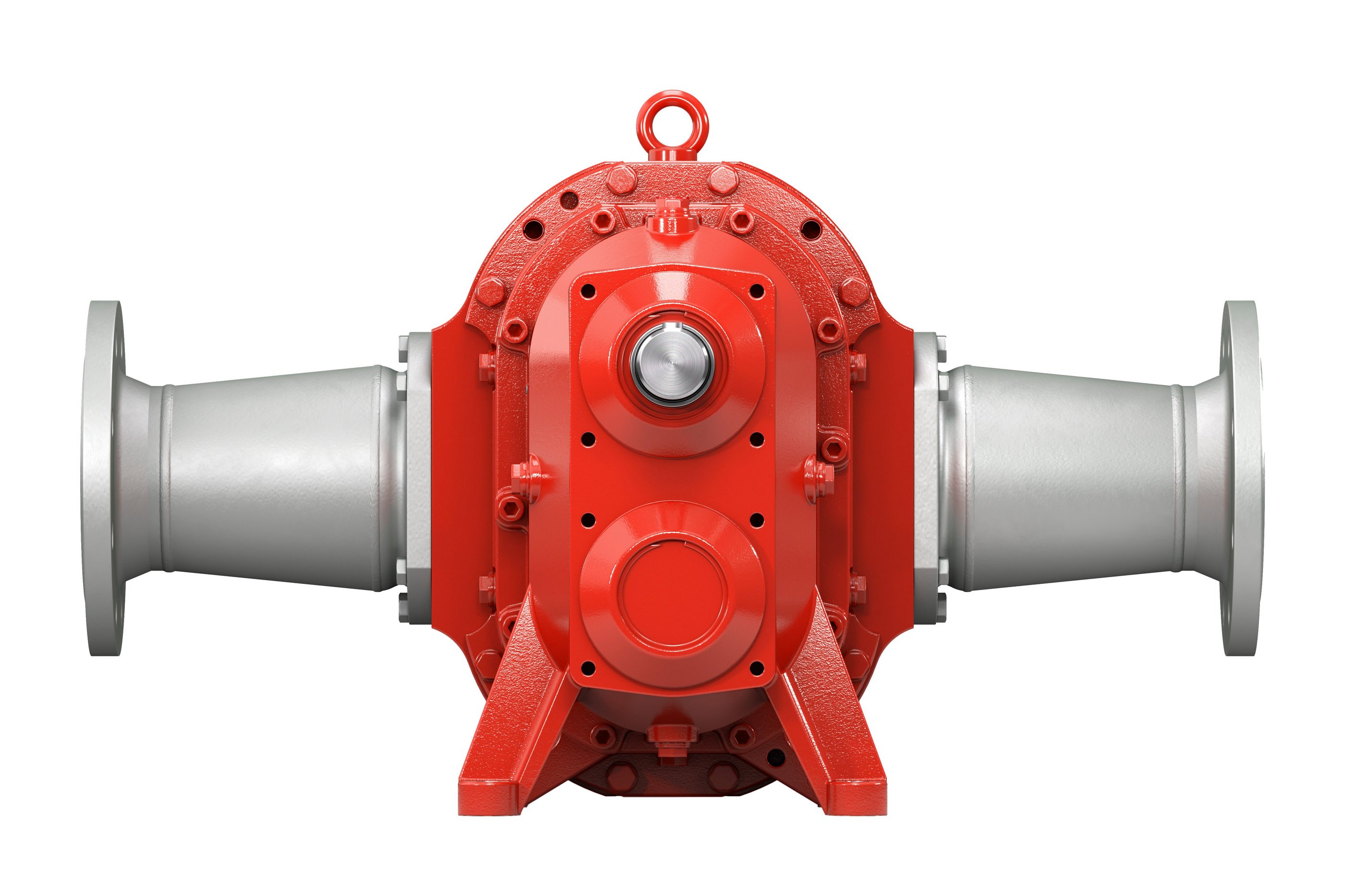
Flow, pressure and build options for the Vogelsang VY series rotary lobe pumps, VY100 and VY136, and how the one-piece CIP/SIP housing differs from the VX.
Hazardous area, containment and the standards a specifier calls up
Where the medium is flammable, the operator classifies the area and the equipment is certified to match. Getting that the right way round is the tell of someone who has specified for a hazardous area before.
- Areas are classified into zones: Zone 0, 1 and 2 for gases and vapours, Zone 20, 21 and 22 for dusts. The zone describes how often an explosive atmosphere is expected to be present.
- Equipment carries a category, certified under the ATEX Directive 2014/34/EU. In Great Britain the same requirement runs through the Equipment and Protective Systems Intended for Use in Potentially Explosive Atmospheres Regulations 2016, with UKCA marking. So a pump is never "Zone 1 rated". It is certified for use in Zone 1.
- The classification duty sits with the operator. DSEAR, the Dangerous Substances and Explosive Atmospheres Regulations 2002, puts the assessment and the zoning on the dutyholder, not on the pump supplier. Send us the classification along with the duty.
- ISO 2858 and ISO 5199 cover the dimensional interchangeability and the technical specification of chemical process centrifugal pumps. Calling them up on a spec is what keeps a future replacement a like-for-like fit.
We get you the certificate for the specific build. On a difficult duty we bring the manufacturer's engineer to site with us. The certificate is the manufacturer's to issue, and the performance guarantee sits with them too.
Frequently asked
What is a chemical pump?
A chemical pump is a pump whose wetted materials, elastomers and sealing arrangement have been specified against the medium rather than taken from a standard build. The pump type still follows from viscosity, solids content and head. The chemical decides what it is made of and how it is sealed.
Which pump is suitable for corrosive chemicals?
Match the wetted materials to the concentration and temperature first, then pick the type. For thin corrosive media a lined or non-metallic centrifugal pump is usual, and a sealless magnetic drive pump where a leak is unacceptable. For abrasive or viscous corrosives, a peristaltic or progressing cavity pump avoids the seal problem entirely.
Do chemical pumps need to be ATEX certified?
Only where the pump stands in a classified area. Under DSEAR the operator classifies the area into zones, and equipment placed in it must then carry the matching ATEX category; a pump outside the classified area does not need certification.
What is a sealless chemical pump?
A pump with no dynamic seal to the atmosphere. A magnetic drive pump transmits torque through a containment shell; a canned motor pump runs the rotor in the medium. Both remove the most common leak path, but the internal bearings run on the medium, so dry running or abrasives will destroy them.
Can a centrifugal pump handle chemical slurries?
Up to roughly 3–4% solids as a trade rule of thumb, yes, with a suitable impeller. Above that, move to positive displacement. Viscosity pushes the boundary the same way, but solids content is the number most people actually have to hand.