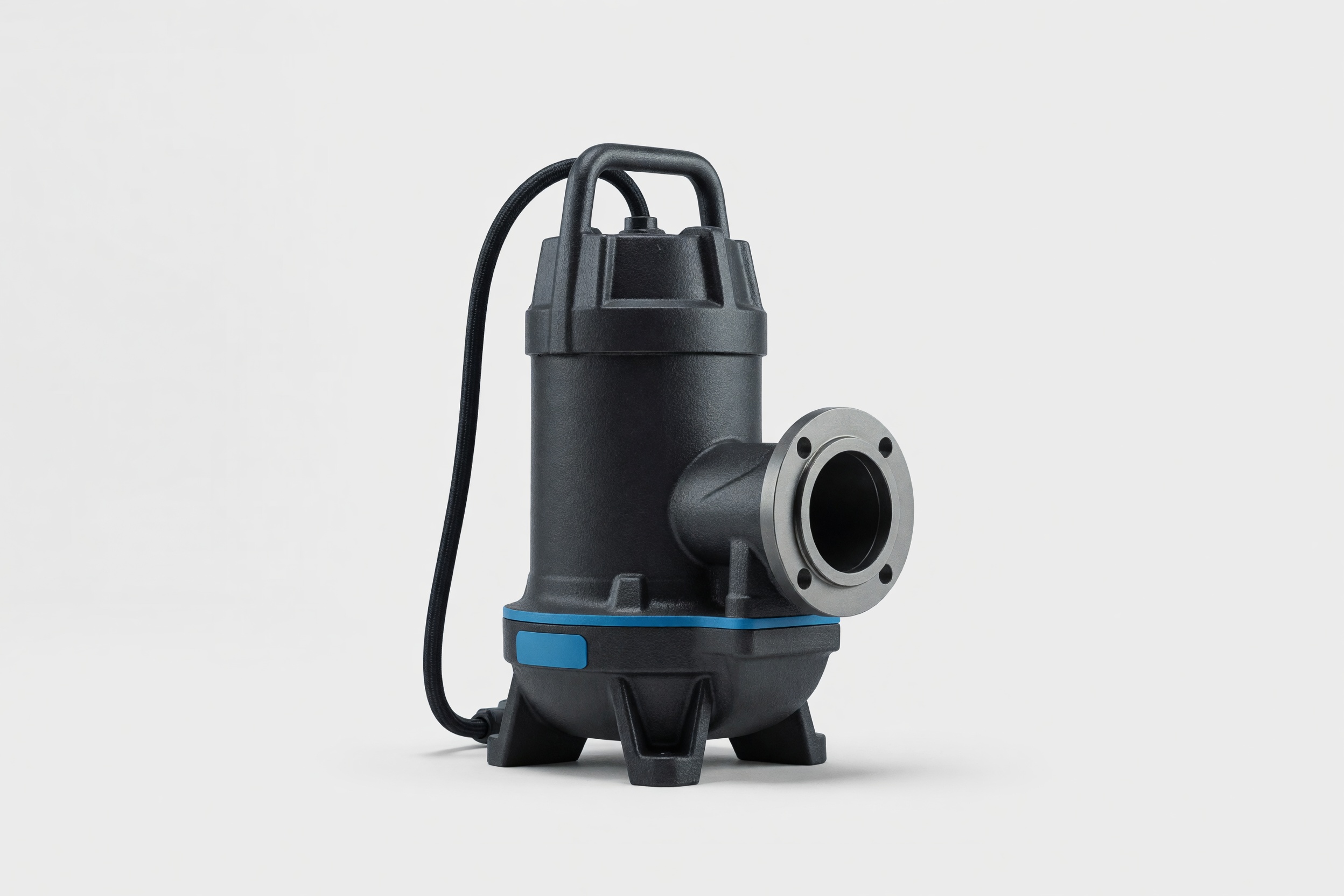
How a sewage pump works
A sewage pump is built so solids pass through it rather than jam in it.
Most use a large-free-passage impeller, single-channel or vortex. A vortex impeller sits back out of the flow and moves liquid by the swirl it creates, so very little touches it. Where the flow carries heavy rag, a grinder cuts the solids at the inlet before they reach the wet end.
Submersible pumps sit in the wet well, cooled by the liquid around them. Dry-installed pumps sit beside it, which costs space and buys easy access.
When to choose a sewage pump
Choose a sewage pump wherever the wastewater carries solids and a clean-water pump would block.
The enquiry we most often decline is a like-for-like swap on a pump that keeps clogging on rag, when the pump already installed is a good solids-handling pump. Fitting another one fails the same way. That is a rag problem upstream, not a pump problem.
- Foul and combined sewers, and pumping stations
- Basement and below-drain-level drainage
- Effluent transfer on industrial sites
- Stormwater carrying solids
- Clean, solids-free water, where a standard pump is cheaper to run
- Thick, abrasive sludge, which wants a slurry pump
- Heavy rag that keeps beating a correctly specified pump, where the fix is screening or maceration upstream
What a sewage pump is good and bad at
A large free passage, a single-channel or vortex impeller, or a cutter that reduces the solids first.
Cast iron and hardened or coated wetted parts take abrasion that would finish a clean-water pump.
A guide-rail install lets the pump come out without draining or entering the chamber.
A large free passage is a worse hydraulic shape. You pay for it in power, every hour it runs.
When grit removal on the works is not doing its job, abrasion follows and the pump fails early. Check the works before blaming the pump.
A mechanical seal needs liquid to lubricate it. Take the liquid away, whether by poor suction conditions or a valve somebody shut and forgot, and the seal goes.
Pumps we supply
View all →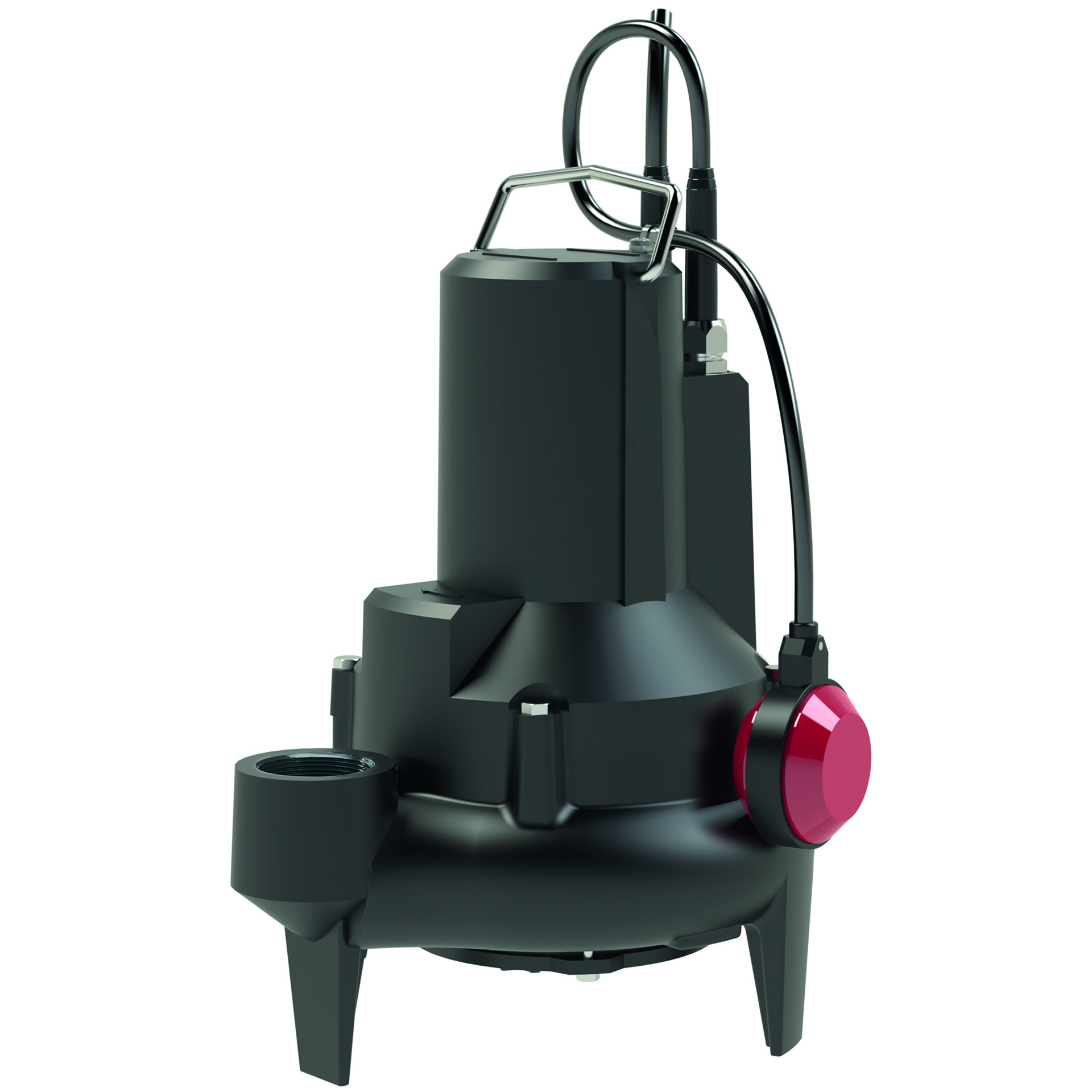
The Calpeda GM 50 is a cast iron submersible sewage pump. The GMC single-channel impeller passes 45 mm solids, the GMV free-flow vortex 50 mm.
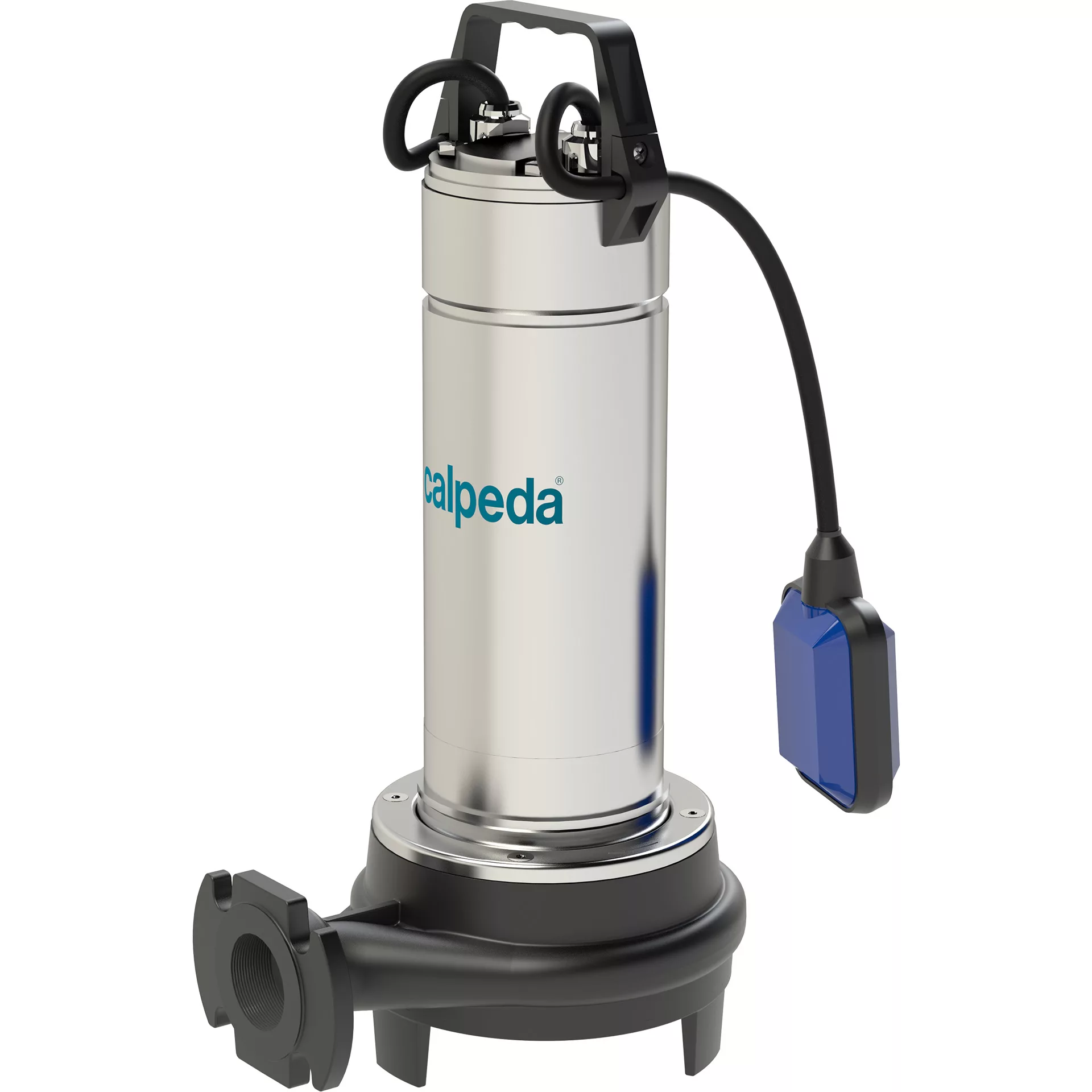
The Calpeda GQG cuts rag, paper and textile at the inlet and pumps it, giving 25 m of head on a DN32 line from 0.9 to 1.5 kW.
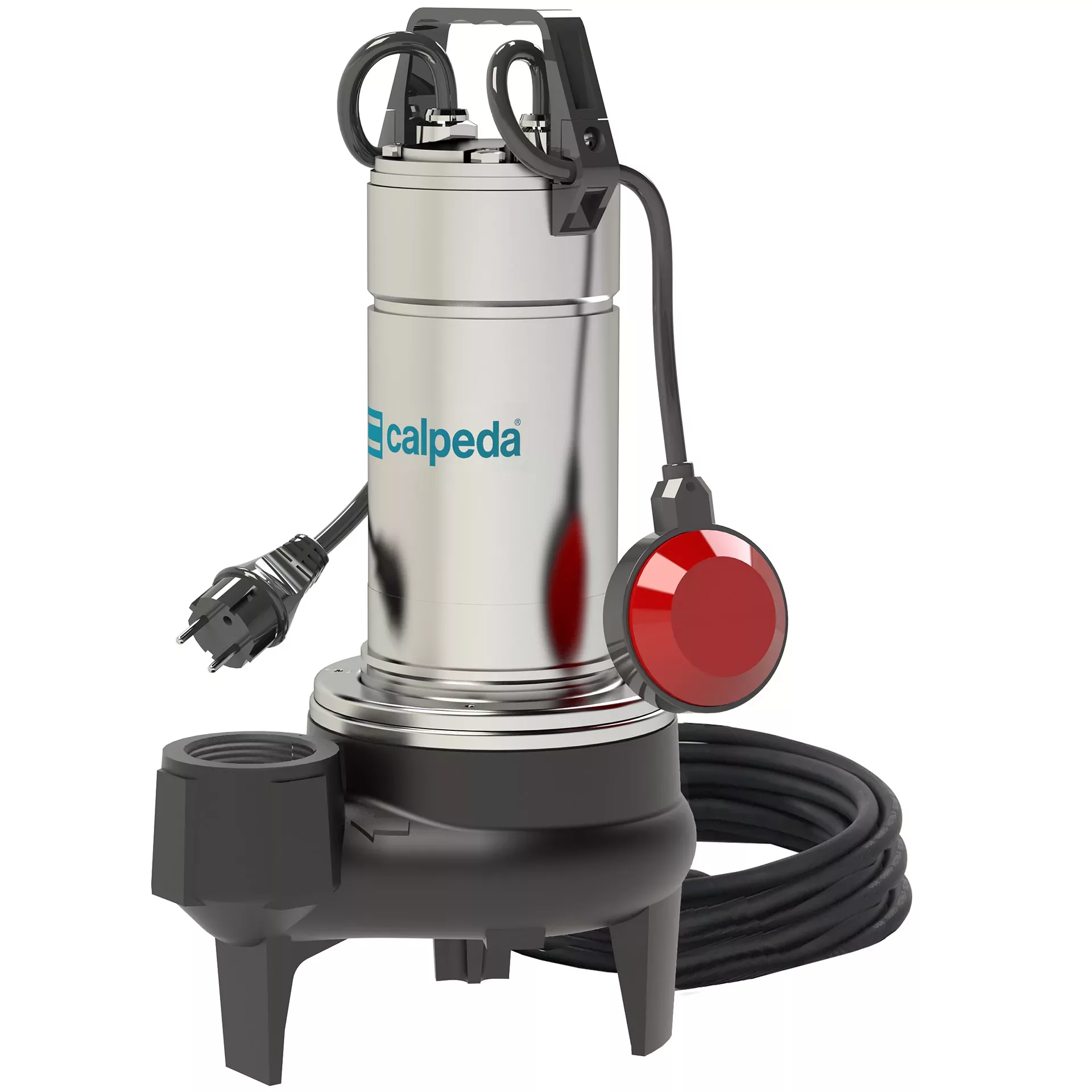
The Calpeda GQN is a cast iron submersible sewage pump with a channel impeller, passing 50 mm solids to 48 m³/h and 16.4 m on a G 2 discharge.
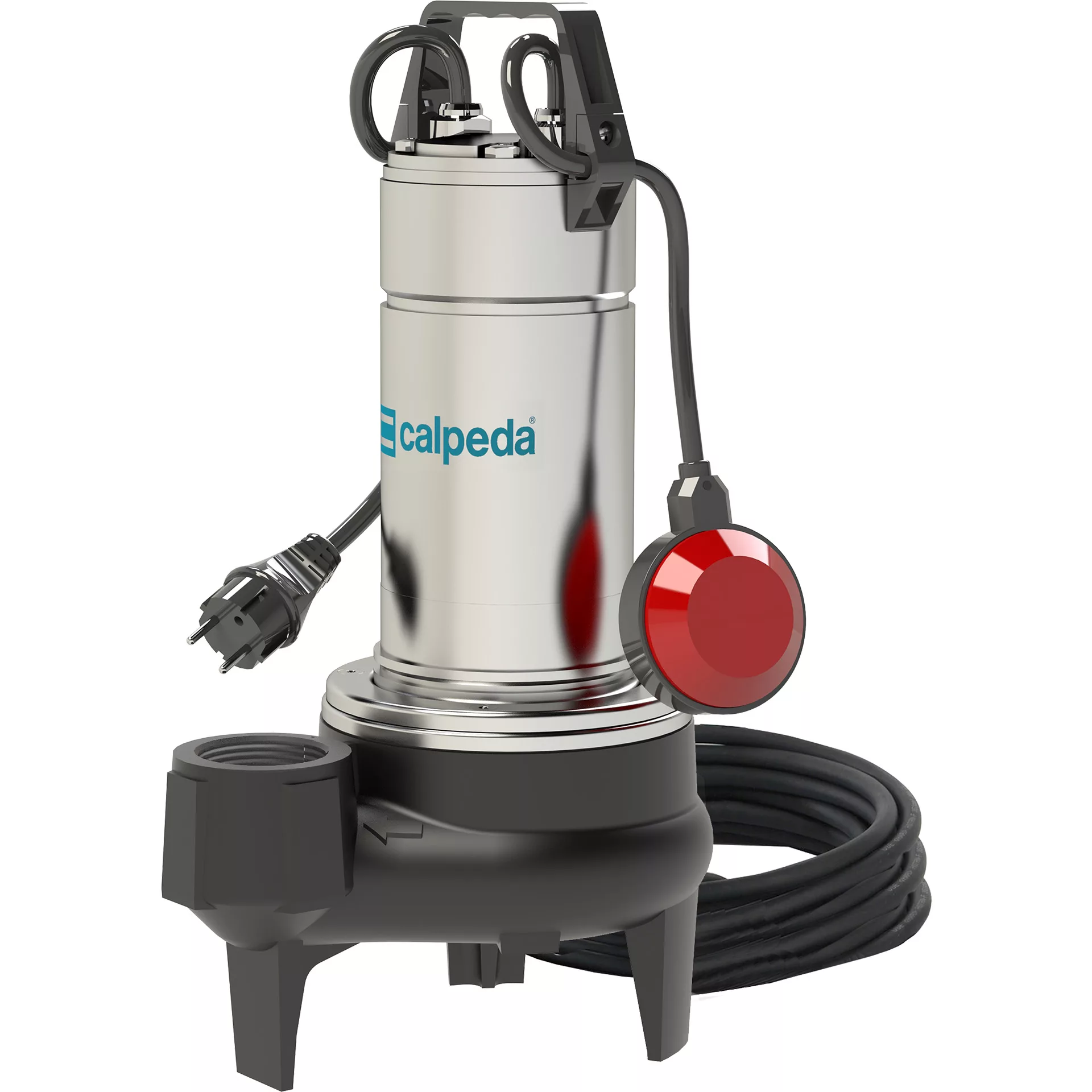
The Calpeda GQS is a submersible sewage pump with a free-flow vortex impeller, passing 40 or 50 mm solids to 36 m³/h and 15 m on a vertical port.
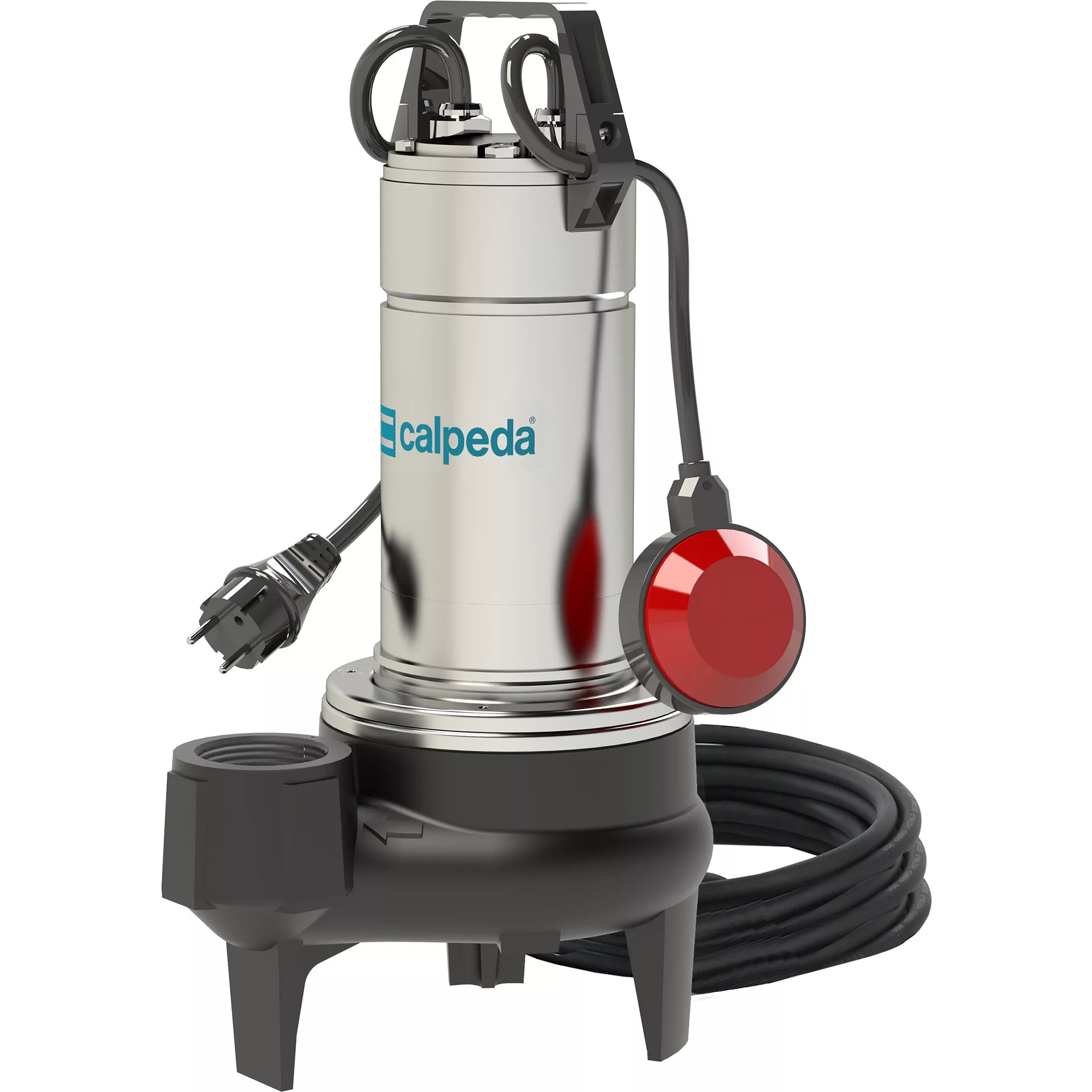
The Calpeda GQV is a free-flow vortex submersible sewage pump for rag and fibre, passing 50 or 65 mm solids to 57 m³/h, from 0.55 to 2.6 kW.
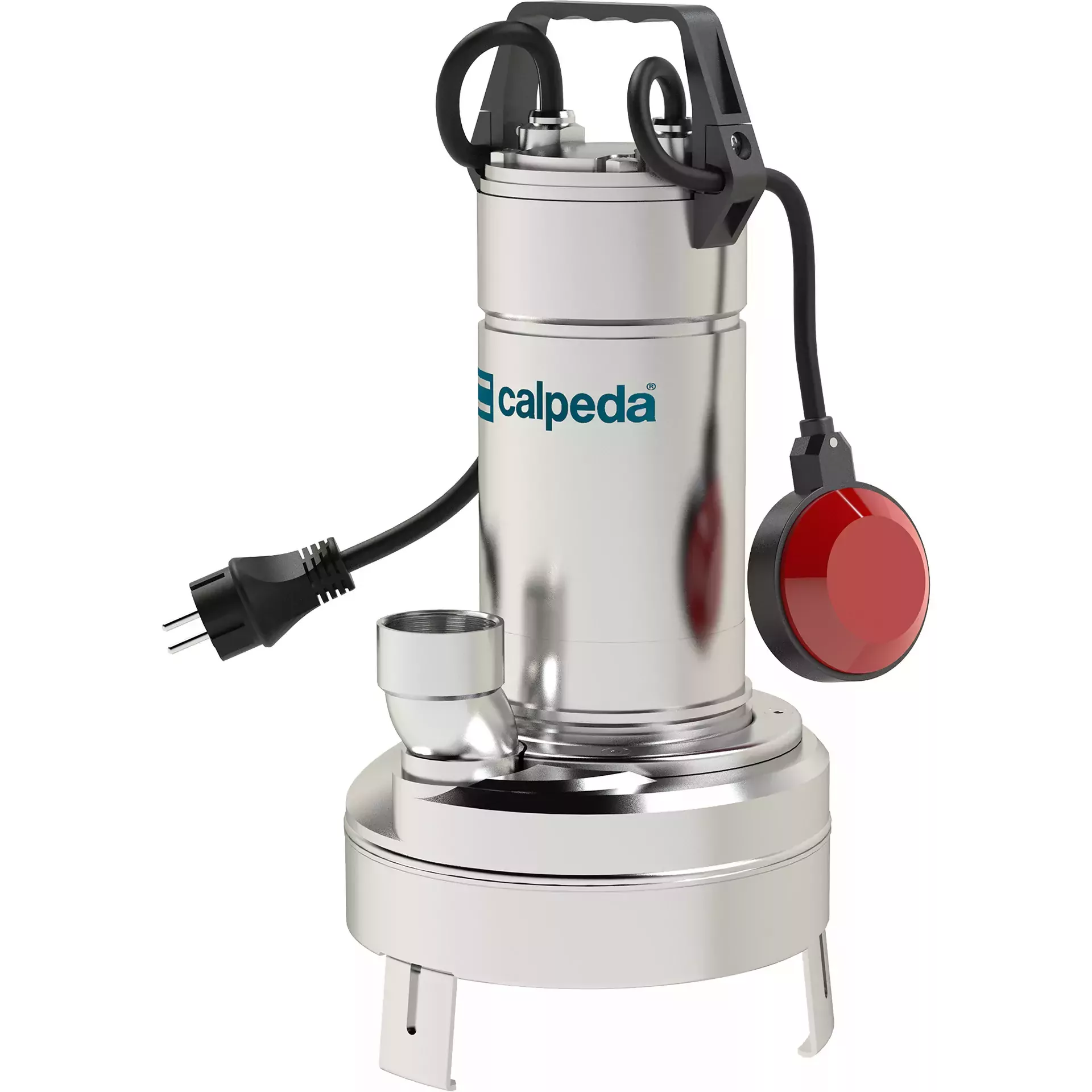
The Calpeda GX 40 is an AISI 304 submersible drainage pump passing 35 mm solids, built with a two-passage GXC impeller or a free-flow vortex GXV impeller.
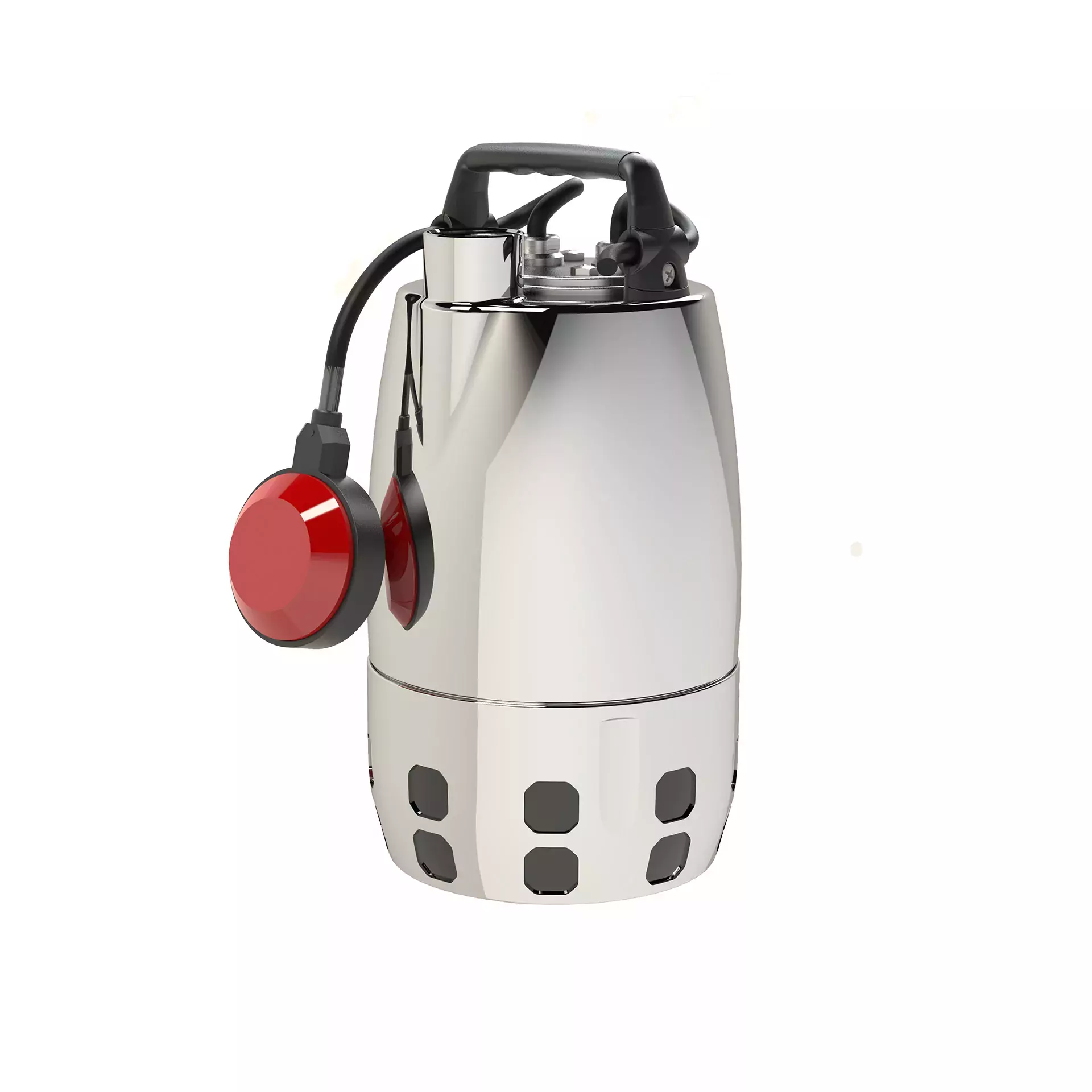
The Calpeda GXV 25 is an AISI 304 submersible pump with a free-flow vortex impeller, passing 25 mm solids to 13.2 m³/h and 10 m of head.
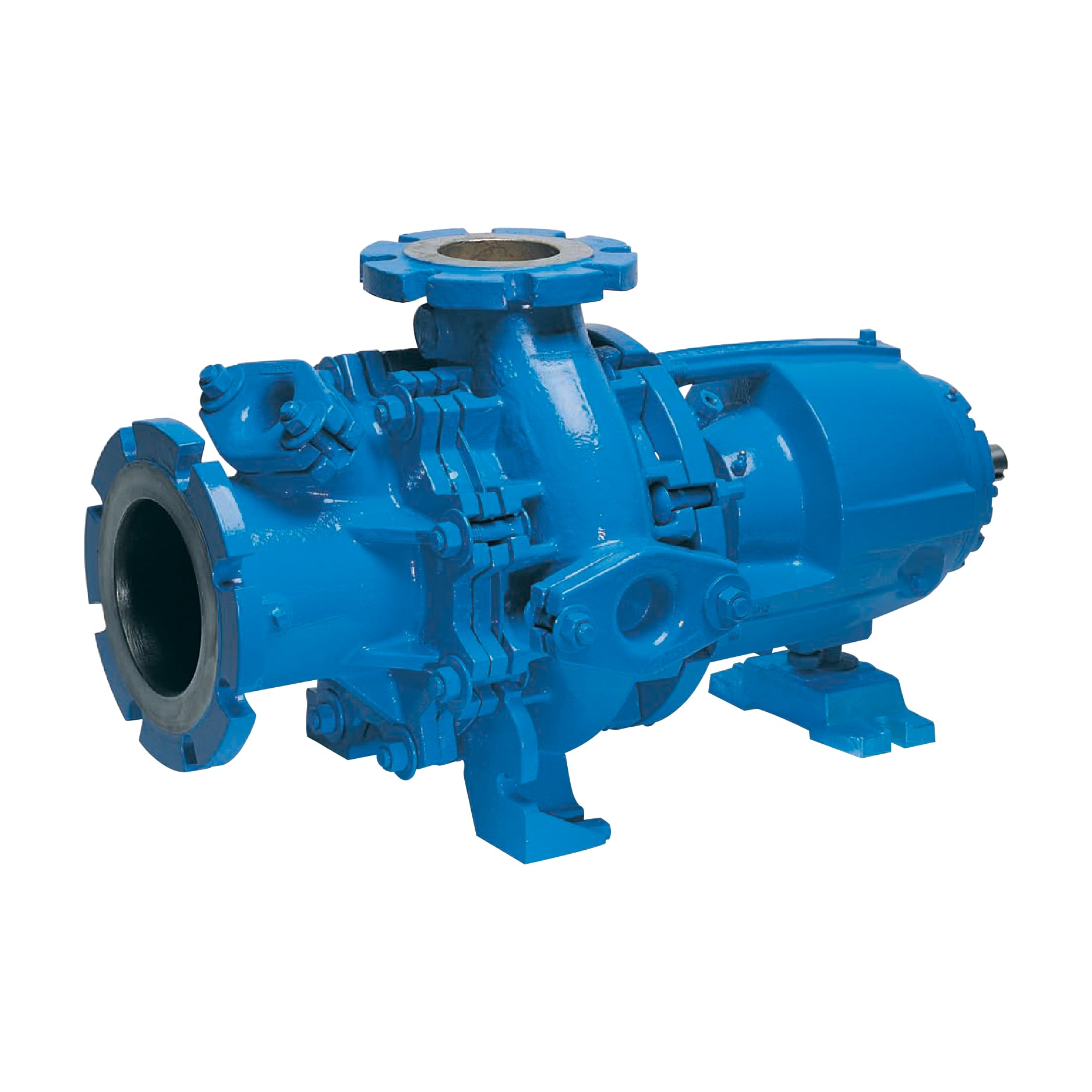
The Ebara ChopX cuts and pumps in one unit. Two cutting stages, a hard metal wet end, and a flushless seal option, for scum, FOG, sludge and manure.
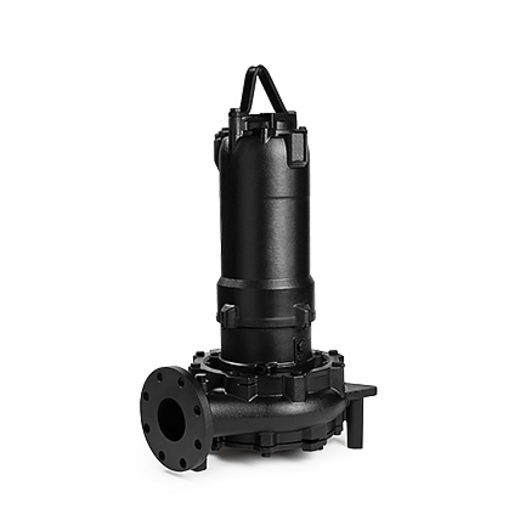
The Ebara DKE is a cast iron submersible wastewater pump with a back-swept anti-clogging impeller. It covers 4.2–780 m³/h and 3–44 m at 50 Hz.
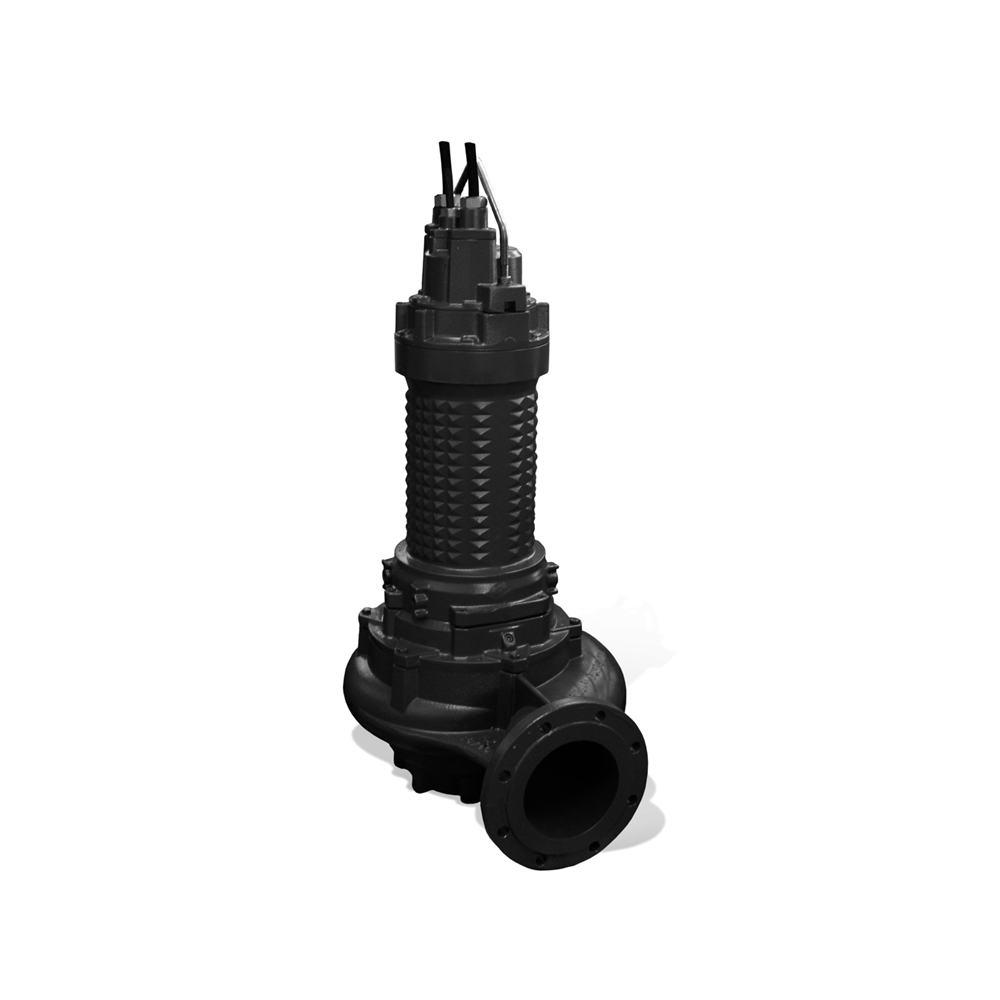
The Ebara DRD is a cast iron submersible wastewater pump with a two- or three-channel impeller, in 2, 4, 6 and 8 poles at 50 Hz. Specs and UK supply.
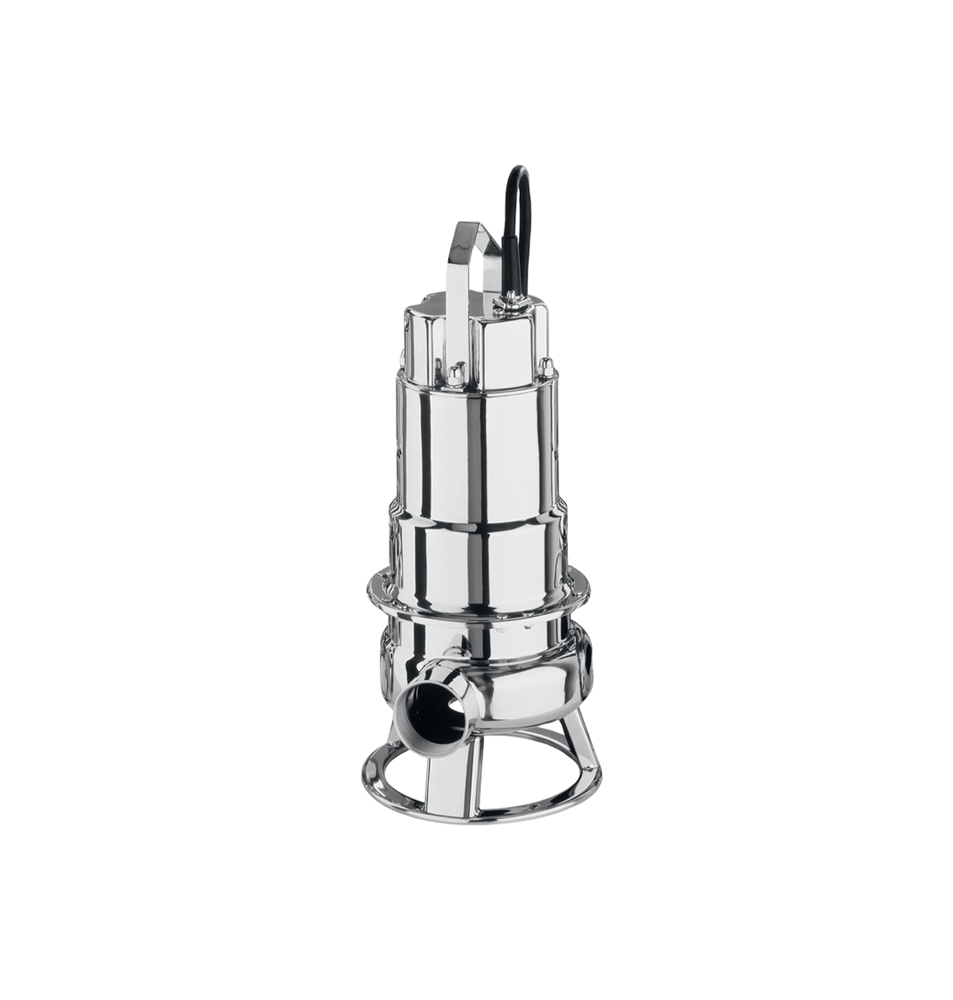
The Ebara DW is an AISI 304 submersible sewage pump passing 50 mm solids, to 54 m³/h and 20 m, with a single-channel or vortex impeller.
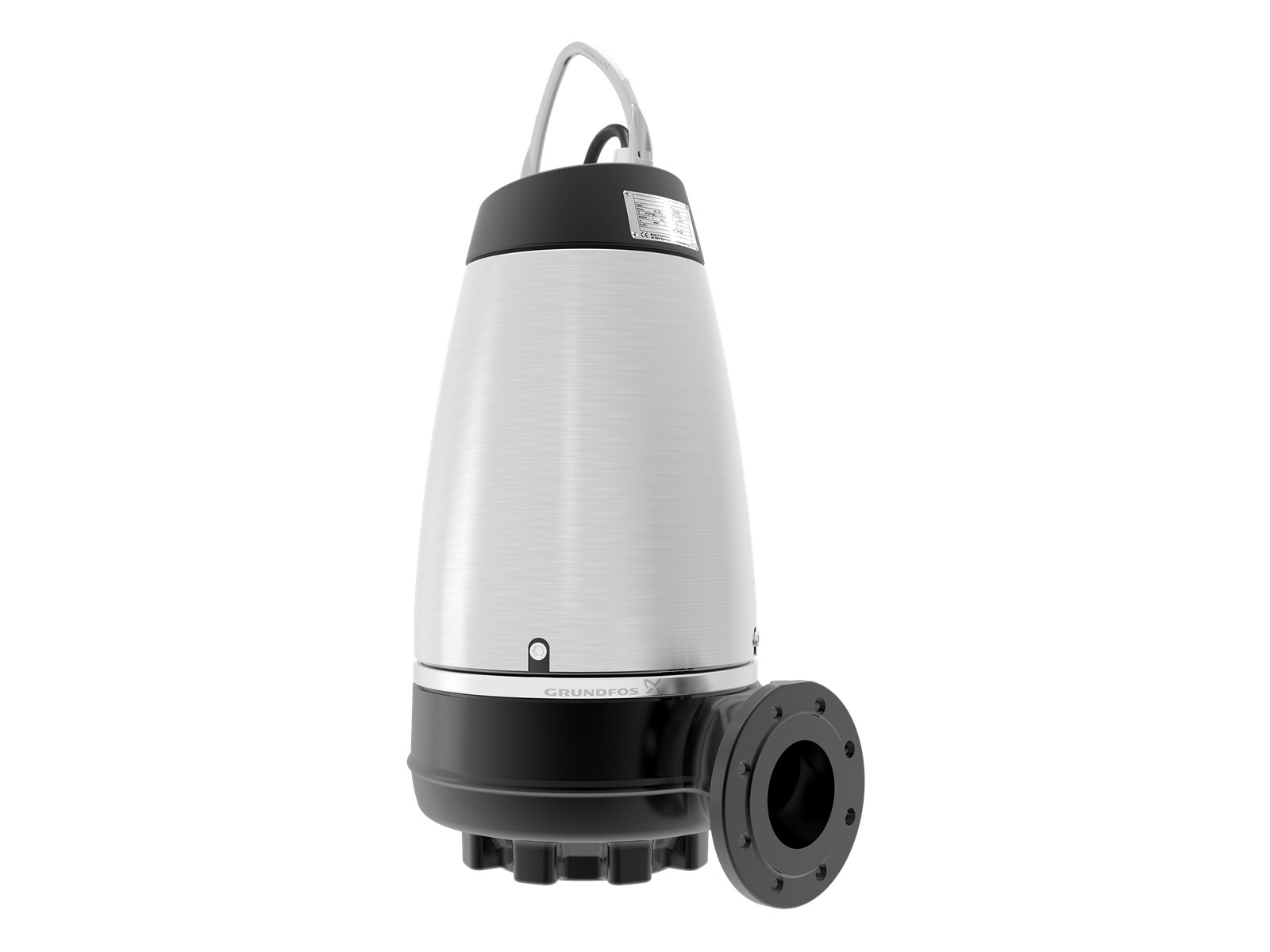
A sewage pump that works submerged or dry-installed, because a cooling jacket cools the motor instead of the surrounding liquid.
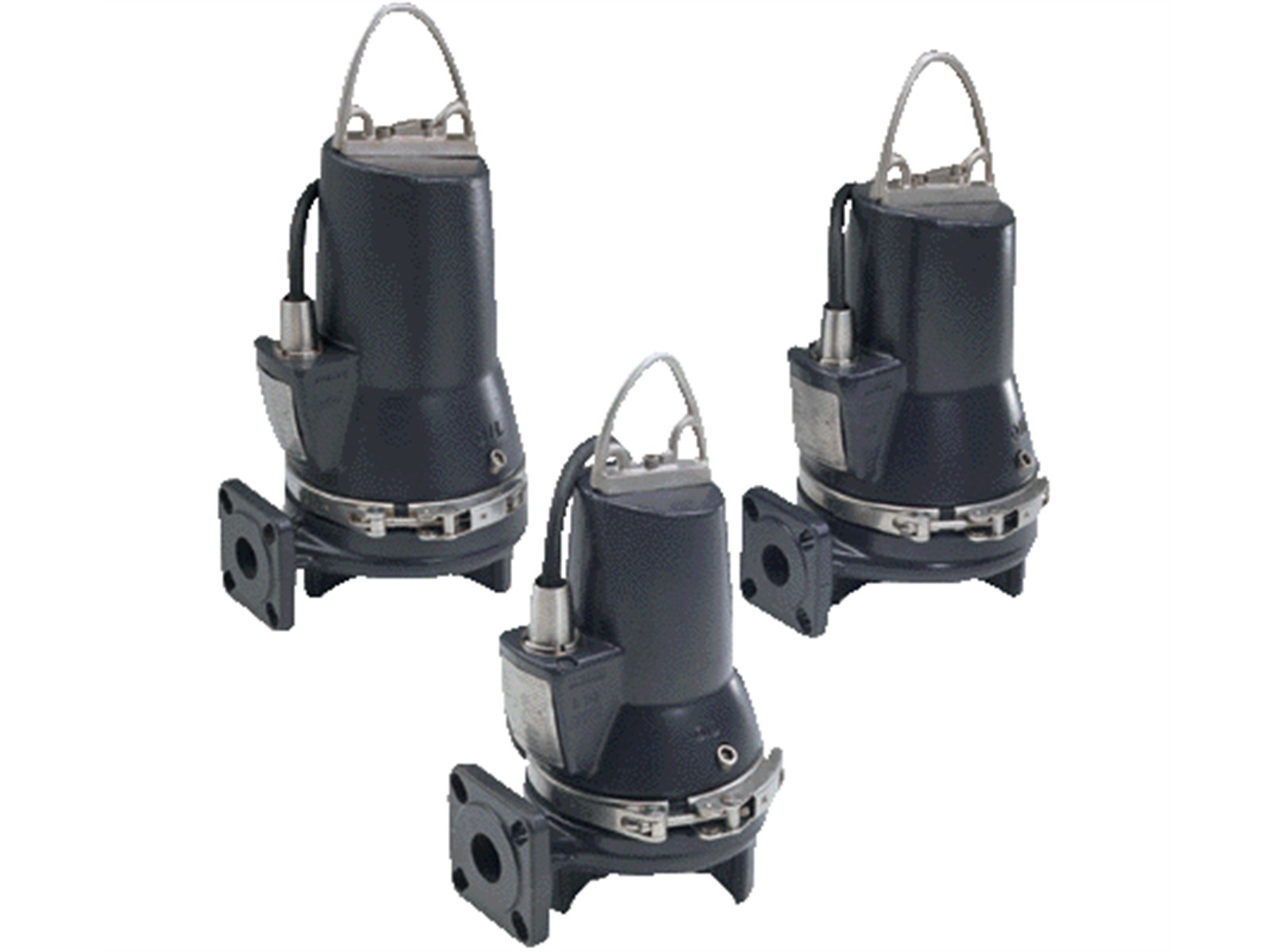
A submersible grinder pump that cuts sewage at the inlet, so a pressurised system can run on a small-bore rising main.
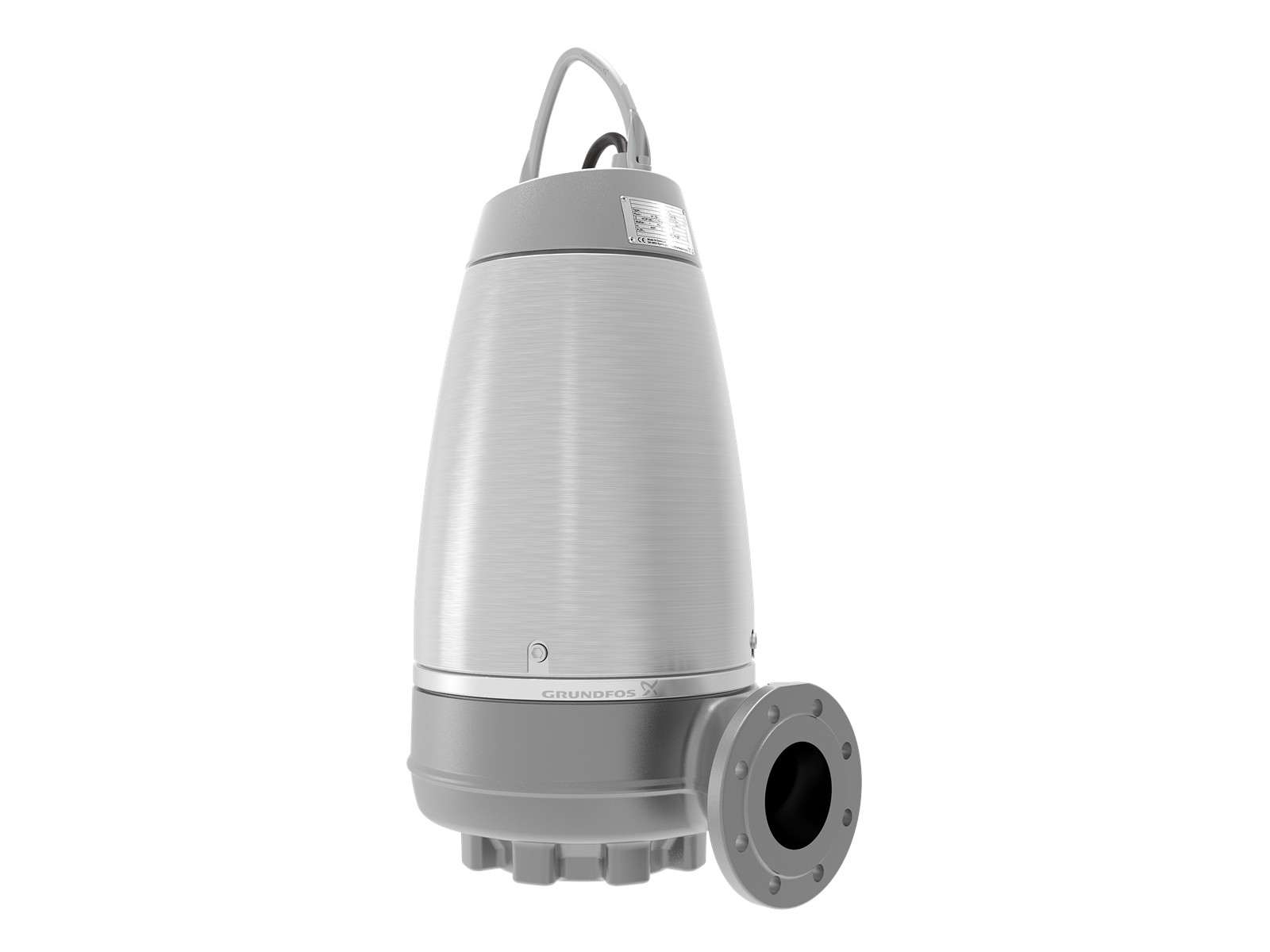
A submersible sewage pump with a free-flow impeller that passes solids up to 100 mm whole, wet- or dry-installed.
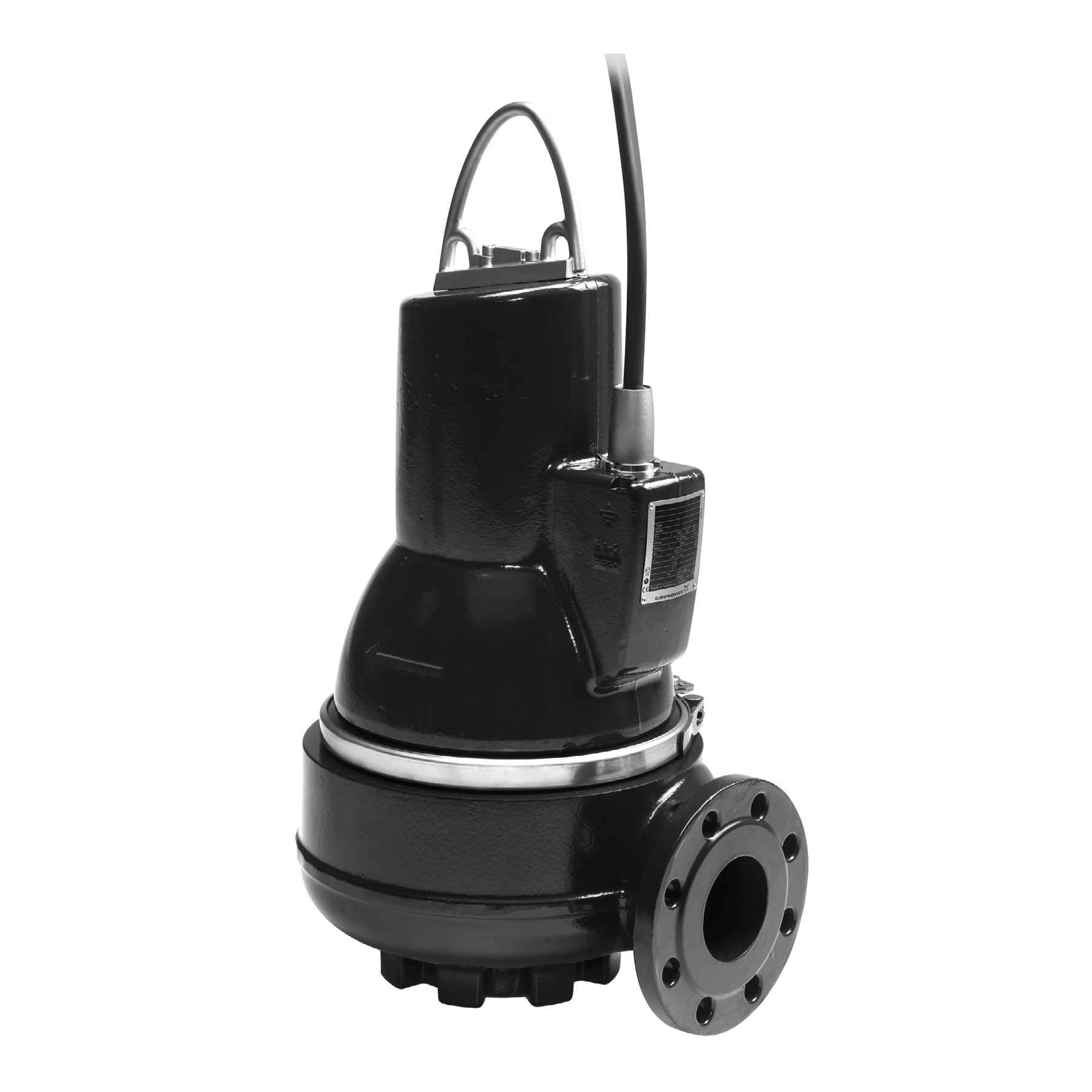
A wet-well sewage pump in two impeller builds, the SL1 with an S-tube impeller and the SLV with a SuperVortex free-flow impeller.
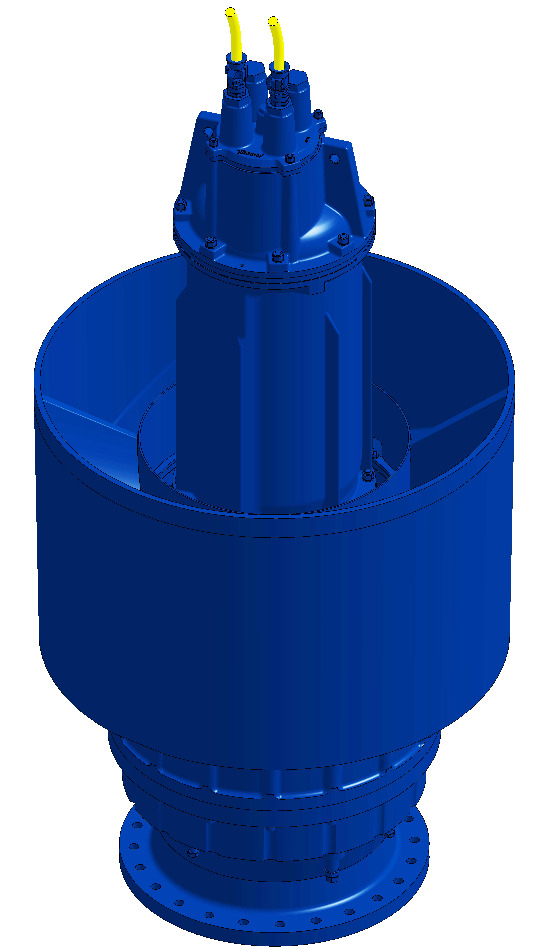
Hidrostal Axial Column Pump: 6–1500 l/s at discharge heads up to 20 m, screw centrifugal impeller, for land drainage and flood pumping stations.
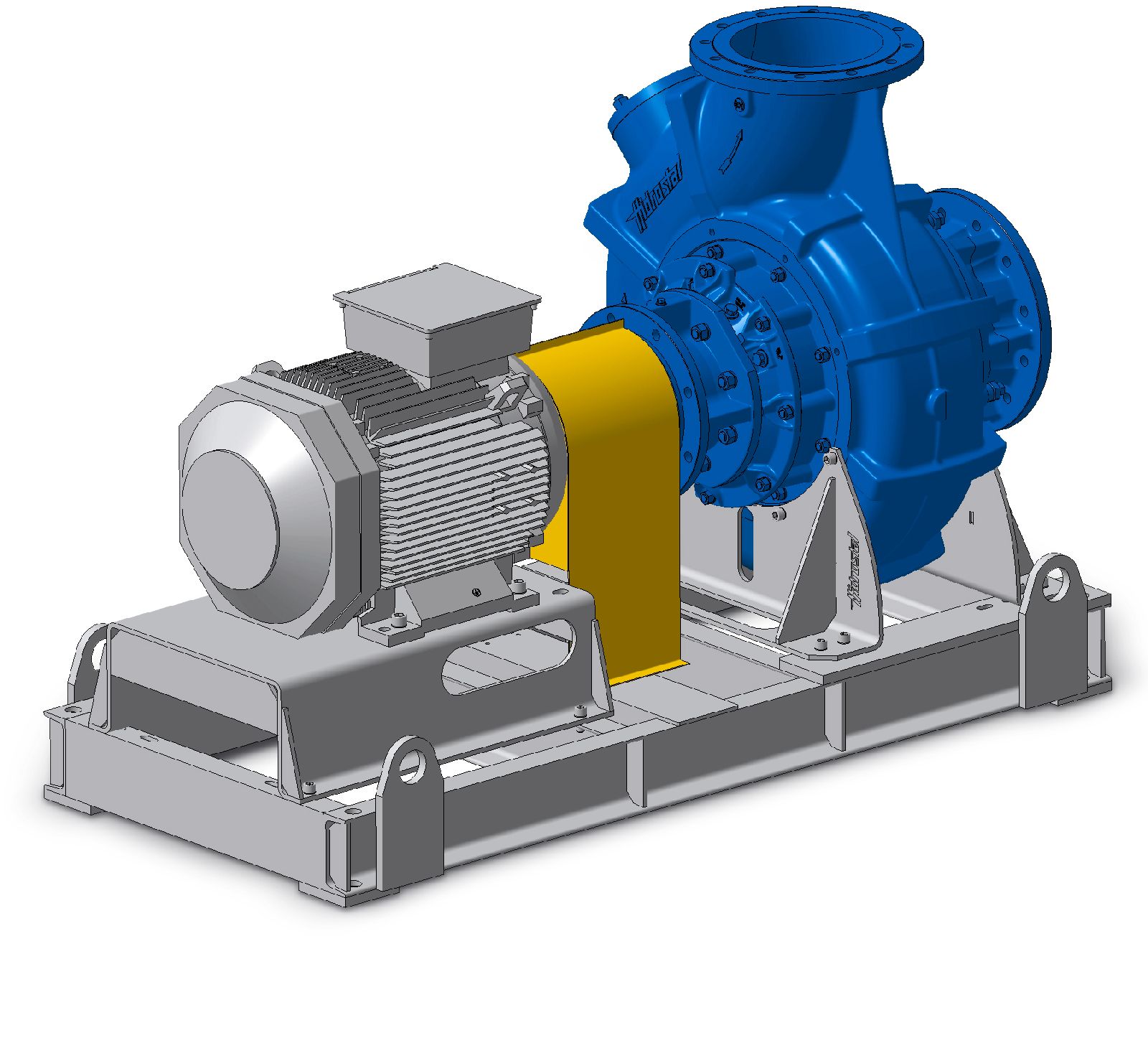
Hidrostal bearing frame pumps: dry-installed screw centrifugal end suction, 0.5–3000 l/s to 90 m, 32–700 mm, horizontal or vertical. Specs and selection.
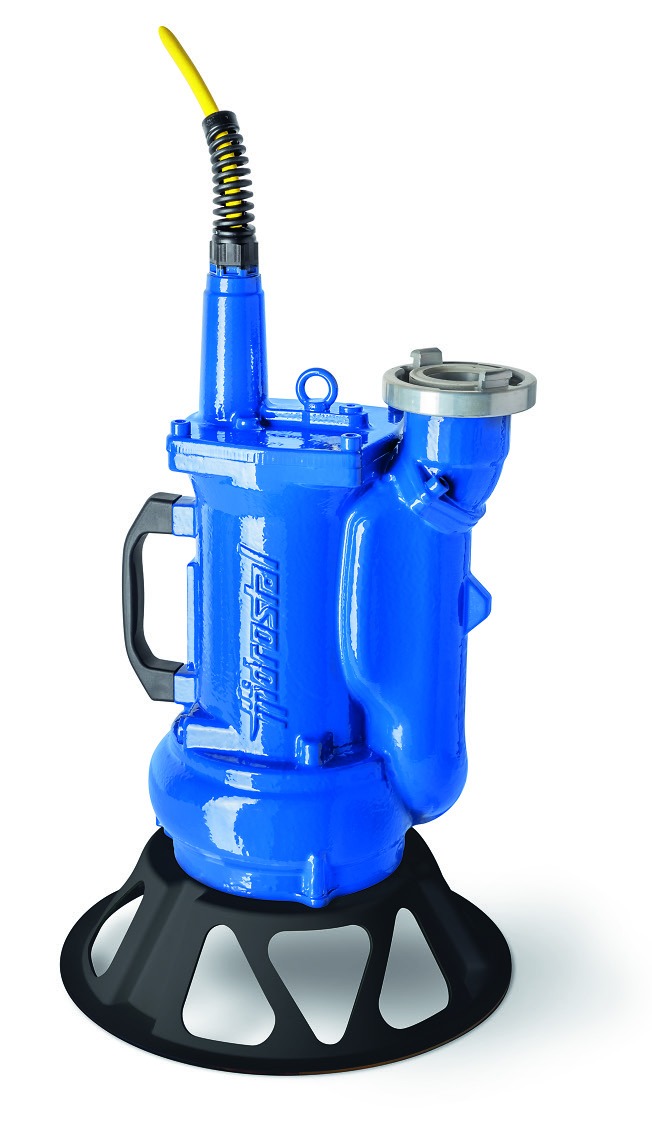
Hidrostal compact pumps: portable screw centrifugal field units, 0.8–24.6 l/s to 17.7 m, 50–75 mm free ball passage, from 23 kg. Specs and selection.
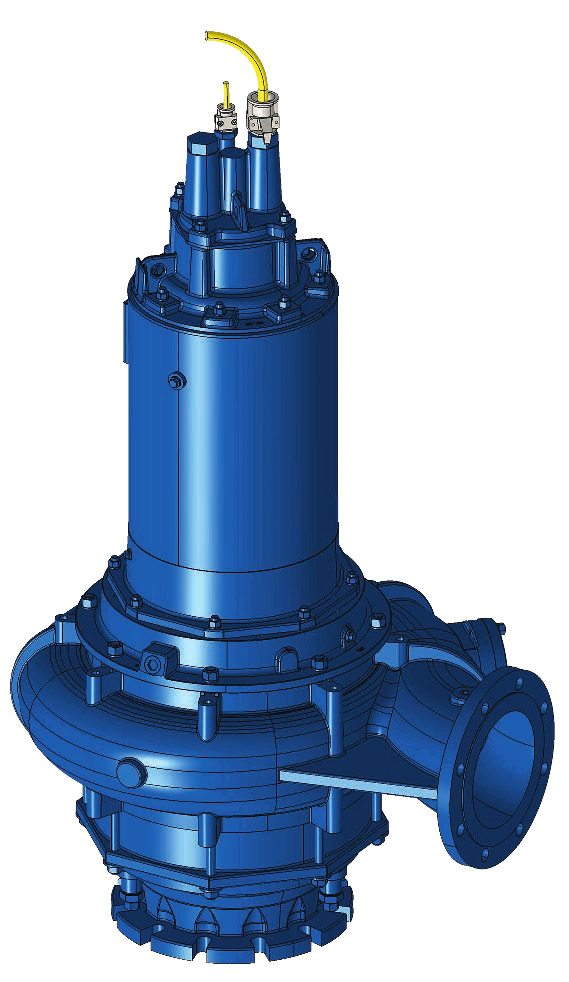
Hidrostal immersible pumps: 0.5–3000 l/s to 90 m head, closed-loop motor cooling so they run dry, part or fully submerged. Dry pit specs and selection.
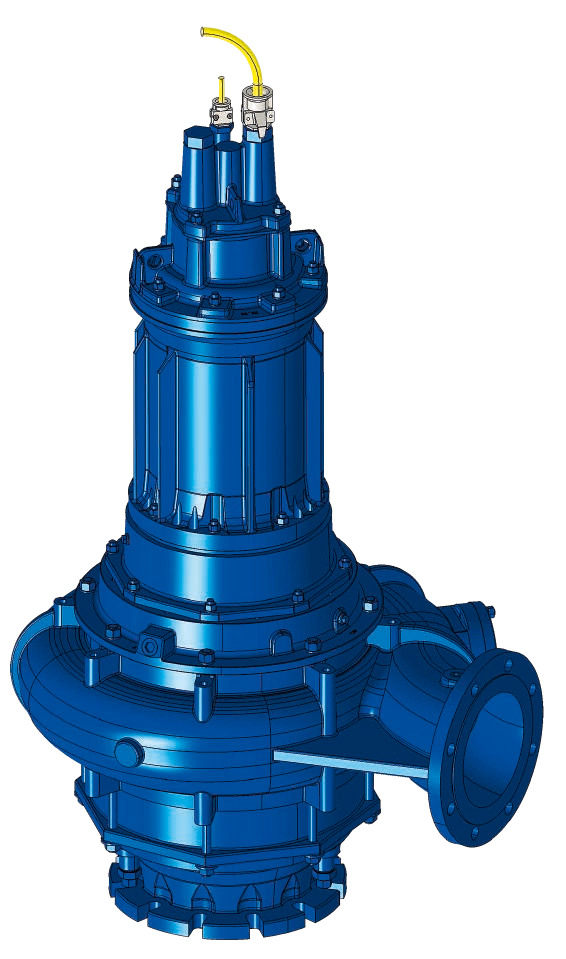
Hidrostal submersible pumps: up to 2500 l/s and 100 m head, screw centrifugal hydraulics, motor cooled by the liquid it sits in. Specs and selection.
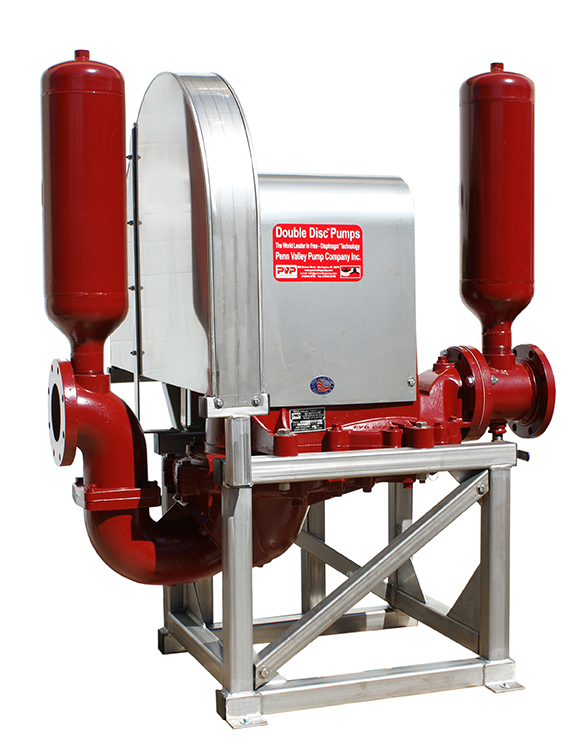
A seal-less reciprocating pump for sludge, slurry and rag-laden media, in seven sizes from 9 to 250 m³/h.
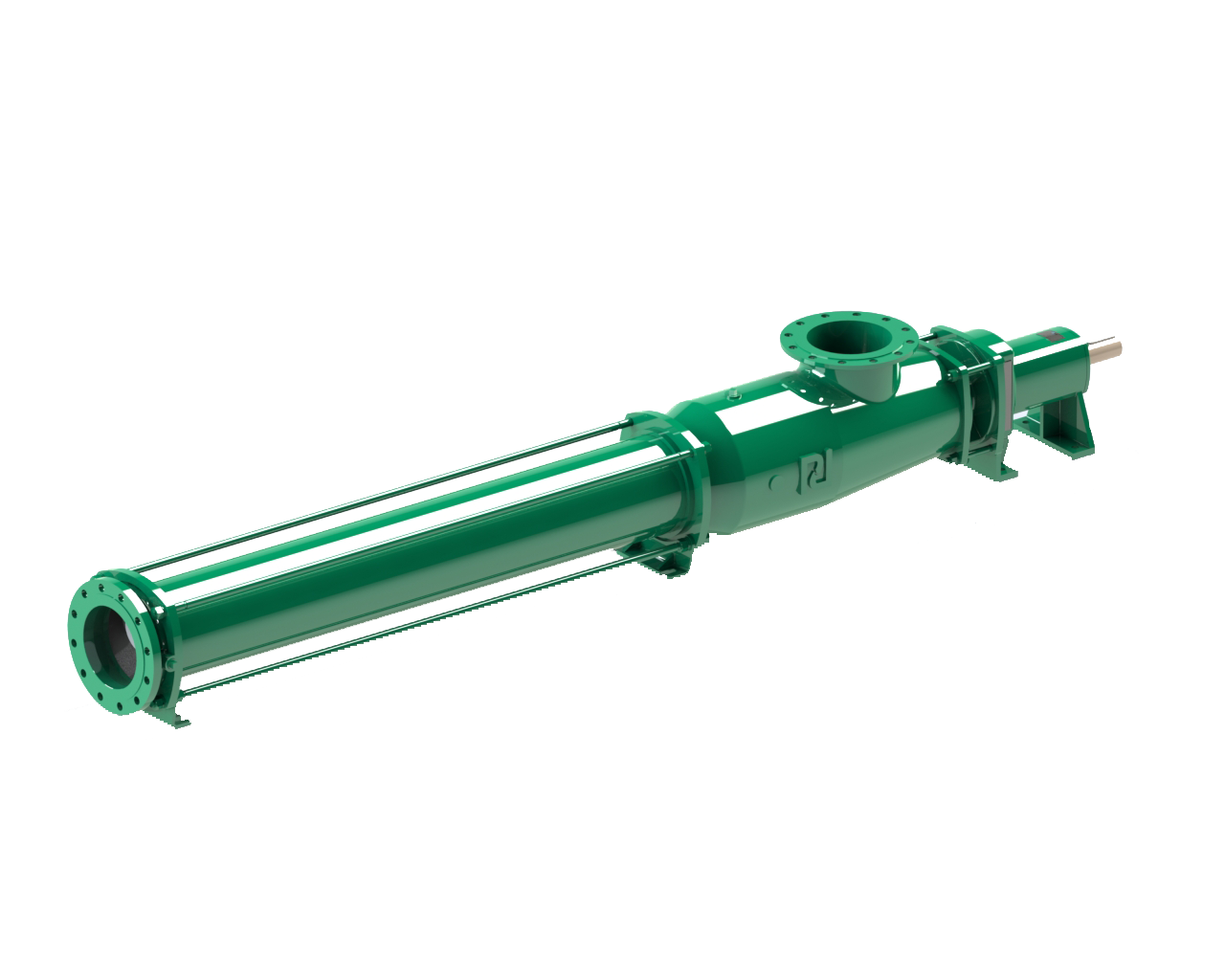
Roto's small-capacity progressive cavity range, for metered dosing and transfer of thick, solids-laden media.
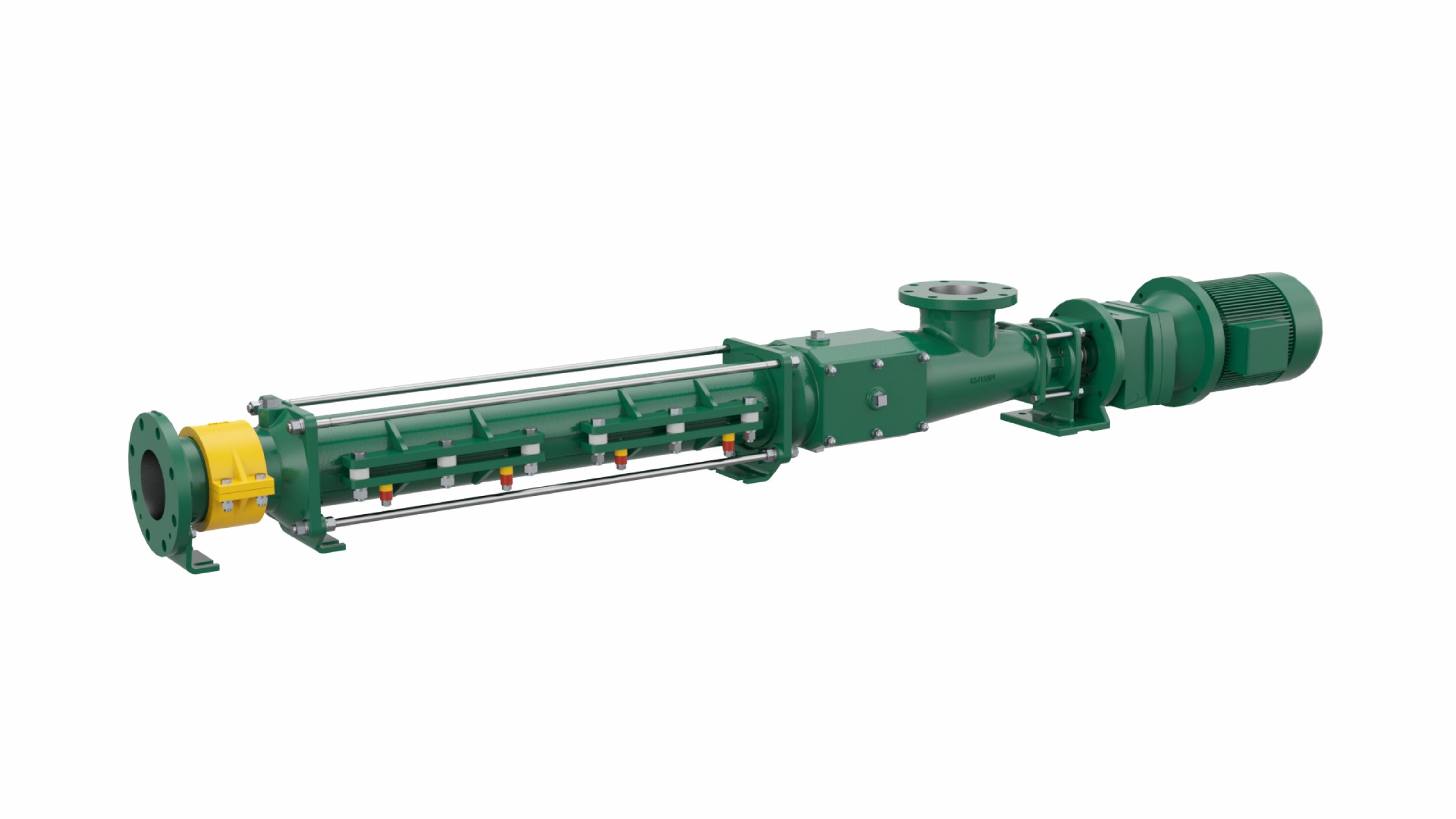
Roto's extra-large-capacity progressive cavity range, on extended geometry, built for volume at low pressure.
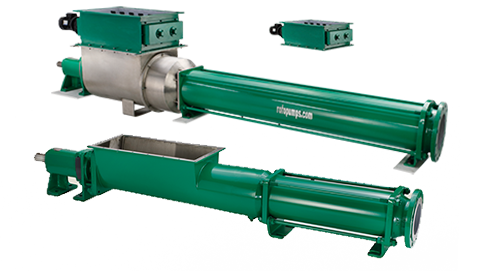
Roto's wide throat progressive cavity pump, with an auger on the coupling rod for media that will not feed themselves into a standard suction.
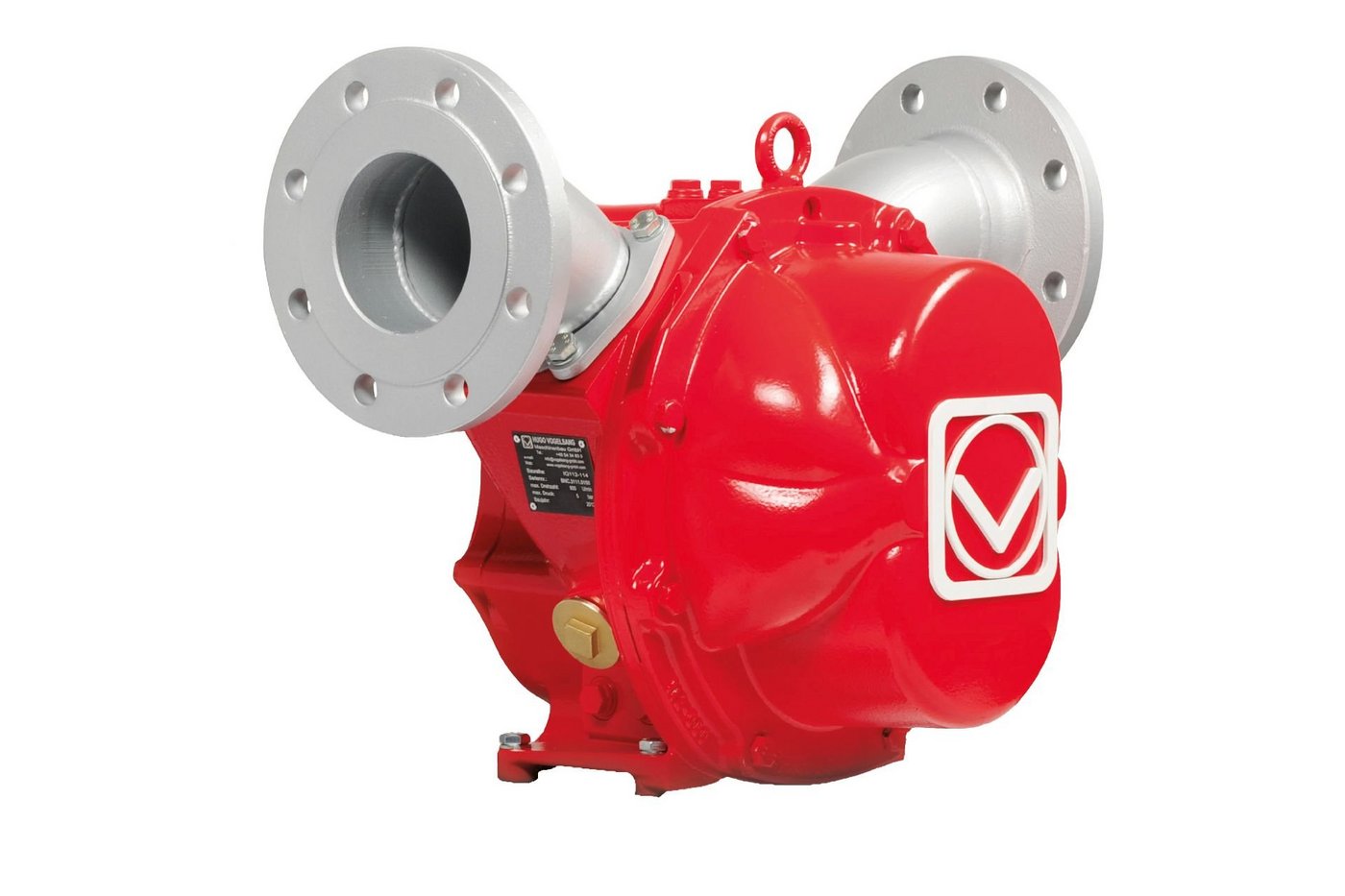
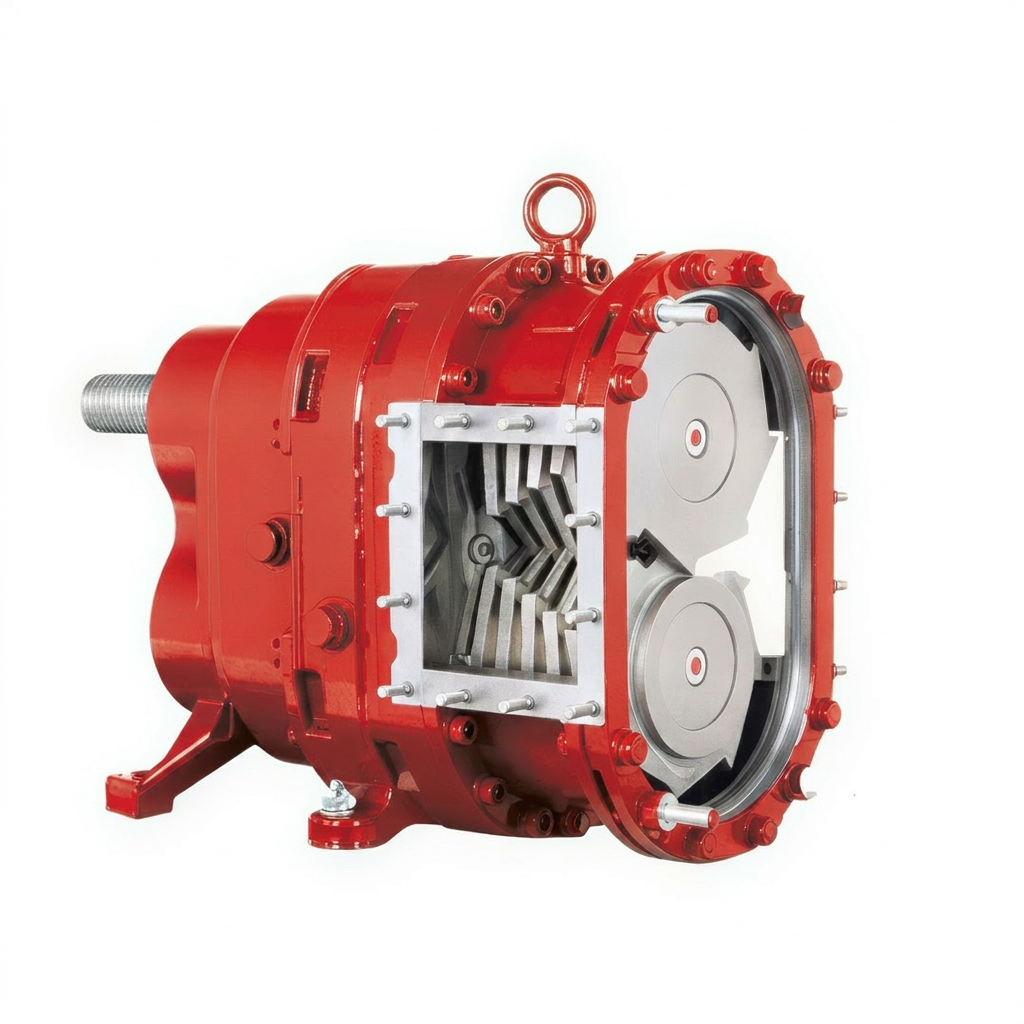
The Vogelsang IQ series rotary lobe pump in two models, IQ112 and IQ152, to 154 m³/h and 7 bar, with a one-piece housing that opens in the pipe.
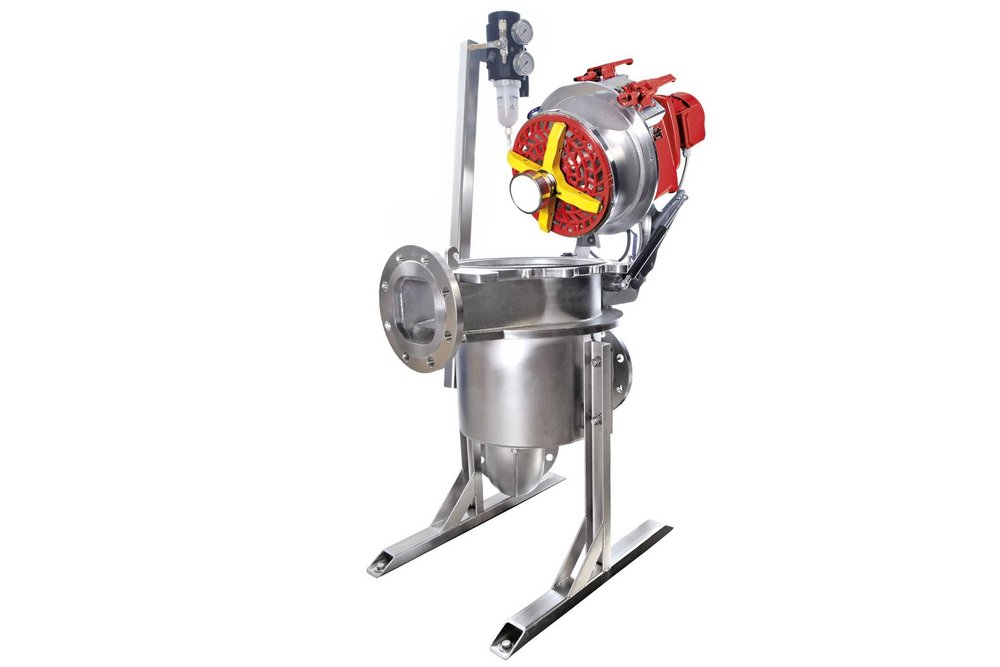
The Vogelsang RotaCut macerates fibre and coarse matter against a cutting screen and traps stones and metal upstream, protecting the pump behind it.
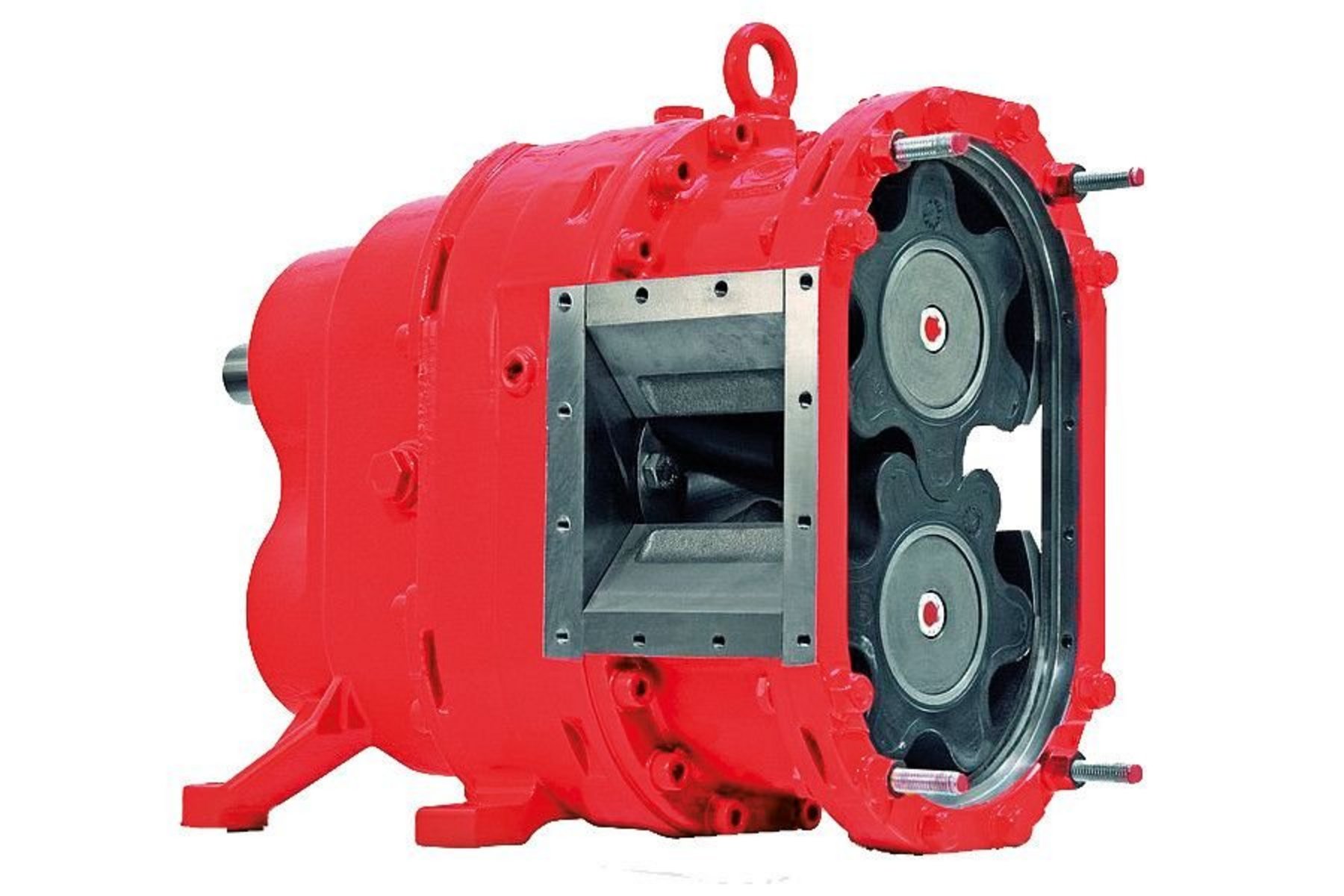
Flow, pressure and build options for every model in the Vogelsang VX series rotary lobe pump range, VX100 to VX230, and how to specify one for your duty.
Vogelsang's twin-shaft wastewater grinder, in four series covering 50 to 7,164 m³/h, inline in a pipe or lowered into an open channel.
How to size and specify a sewage pump
Send us the flow, the total dynamic head, and the largest solid the pump has to pass.
That last figure sets the impeller and the free passage, or tells us you need a grinder in front. Add the pipework the head is made of, any grit on the site, and whether the pump sits in the wet well or beside it. We match the seal, cooling and controls to that, and specify to ATEX where sewer gas may be present.
Frequently asked
What is a sewage pump?
A sewage pump moves raw or screened sewage, effluent and solids-laden wastewater without clogging. It is not a single pump type: submersible, dry-installed centrifugal and grinder pumps all meet sewage duties, chosen by the solids and the site.
How does a sewage pump avoid clogging?
It uses a solids-handling impeller with a large free passage, such as a single-channel or vortex impeller, so rag and soft solids pass through rather than jam. Where rag is heavy, a grinder pump cuts the solids at the inlet before pumping.
What is the difference between a submersible and a dry-installed sewage pump?
A submersible pump sits in the wet well, immersed in the sewage and cooled by it, which saves space and noise. A dry-installed pump sits beside the well for easier access and service. Choose by the station design and how often you need access.
When do I need a grinder pump for sewage?
Use a grinder pump when the flow carries heavy rag, wipes or fibrous solids that would snag even a large-passage impeller. The grinder cuts the solids at the inlet before pumping, which cuts blockages on pressurised or small-bore rising mains.
How do I size a sewage pump?
Size it to the flow, the total head and the largest solid the pump must pass. State the medium, any grit, and the install type. Give Channel Pumps your duty and we specify the impeller, materials and controls to keep the station running.